Visa i rummet
 Skicka
 Dela
Dela
 Detaljer
 Studentguide för konstverk

 Ladda ner
 Liknande objekt
 Röntgen
 Bildspel
 Besökstatistik
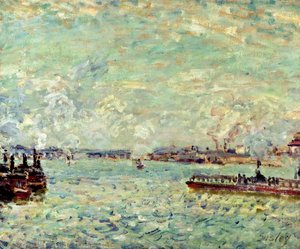
The Machine at Marly
 Oil On Canvas
- WallArt
- Impressionist Landscape
 1873
1873- 19th Century
 45.0 x 64.0 cm
 Läs mer
Giclée / Konsttryck
Giclée- eller canvasprint av museumskvalitet med snabb produktion och flexibla ytbehandlingsalternativ. ( Köp handmålat konstverk Byt till digital bildförsäljning)




P118B Skr10

P118H Skr10

P118W Skr10

P438Z Skr10

P508JH Skr12

P508YH Skr12

P805H Skr10

P805Z Skr10

P919BZ Skr10

P919G Skr10

P919XJ Skr10

P959ZH Skr10

P968JZ Skr12

W106C Skr8

W218G Skr10

W218JH Skr8

W218Y Skr10

W307PJ Skr10

W316G Skr10

W316PJ Skr8

W316Y Skr10

W398PJ Skr8

W4111J Skr10

W500HY Skr15

W500JH Skr15

W692G Skr12

W849H Skr8

W940BG Skr15

W953PJ Skr8




Välj bland våra förinställda storlekar som motsvarar konstverkets ursprungliga proportioner.

Ange den bredd och höjd du behöver, för att passa din ram eller din vägg. Ett tryck kan endast beskäras, aldrig göras större än bilden, vilket innebär att ett format med en annan formform leder till att en del av bilden går förlorad. Vi skickar en digital mockup för godkännande innan vi trycker något. Bilden som visas på denna sida visar inte den faktiska beskärningen — det är endast mockuppen som gör det.
Leverans över hela världen () på 2 veckor istället för standard 4/5 veckor. (25 oktober)

Fri expressfrakt över hela världen

Högkvalitativ linnecanvas

Fullständig fraktförsäkring

Garantier för återbetalning av tullavgifter

Garantier för exakt färgåtergivning

100 dagars returrätt vid fabrikationsfel

100% pengarna tillbaka-garanti

Mängdrabatt erbjuds
 Glasalternativet är endast tillgängligt i storlekar under 110 cm.

The Machine at Marly
Giclée / Konsttryck
Reproduktionsstorlek
-


Totalpris
Skr 793
A Moment Frozen in Light: Alfred Sisley’s ‘The Machine at Marly’
Alfred Sisley's “The Machine at Marly,” painted in 1873, is more than just a depiction of a harbor scene; it’s an exquisite distillation of the Impressionist philosophy – a fleeting capture of light and atmosphere that resonates with a profound sense of tranquility. This oil on canvas work transports us to a serene moment along the Seine, offering a glimpse into the rural life that captivated artists like Sisley during this pivotal period in art history. The painting’s composition is deceptively simple: boats gently bobbing in the water, framed by the muted tones of buildings that suggest a distant town, and punctuated by the subtle presence of human figures engaged in everyday activities. Yet, within this apparent stillness lies a dynamic interplay of color and brushstroke, characteristic of Sisley's masterful technique.
Impressionist Technique: A Dance with Light
- Soft Brushstrokes: Sisley’s signature style is immediately recognizable through his use of feathery, broken brushstrokes. These aren’t meant to create a photographic representation but rather to evoke the *impression* of light and movement. Notice how he uses short, choppy strokes to depict the shimmering surface of the water and the hazy forms of the buildings in the background.
- Color as Emotion: The palette is dominated by muted greens, blues, and yellows – colors chosen not for their literal representation but for their ability to convey mood and atmosphere. The warm yellow tones of the buildings contrast beautifully with the cooler hues of the water, creating a harmonious balance that draws the eye across the canvas.
- Emphasis on Light: Sisley was obsessed with capturing the effects of light at different times of day. “The Machine at Marly” exemplifies this obsession, showcasing how sunlight transforms the landscape and imbues it with a sense of warmth and vitality.
Historical Context & Symbolism – The Machine’s Quiet Significance
Painted in 1873, "The Machine at Marly" reflects the burgeoning Impressionist movement's rejection of academic conventions and its embrace of contemporary subject matter. Sisley was part of a group of artists who sought to paint *en plein air* – outdoors – directly observing nature and capturing its fleeting beauty. The painting depicts the Barrage de la Machine de Marly, a hydraulic machine used for irrigation, adding an element of industrial activity to this otherwise idyllic scene. This juxtaposition subtly highlights the relationship between humanity and the natural world, a theme frequently explored by Sisley in his work. The presence of figures engaged in simple tasks – likely laborers or boatmen – further grounds the painting in its social context.
A Legacy of Tranquility: Sisley’s Enduring Appeal
"The Machine at Marly" is a testament to Alfred Sisley's ability to capture not just a visual scene, but also an emotional state. Its serene atmosphere and masterful technique have ensured its place as one of the most beloved works in the Impressionist canon. Reproductions of this painting offer a chance to bring this moment of quiet beauty into your own space, allowing you to experience the same sense of tranquility that captivated Sisley himself. This artwork is a perfect addition for those seeking a touch of understated elegance and a connection to the heart of the Impressionist movement.
Size:** 45 x 64 cm Date:** 1873Frågor och svar
Vilken känsla förknippas "The Machine at Marly" med?
Den emotionella tonen som har registrerats för "The Machine at Marly" av Alfred Sisley är Tranquil. Den sammanfattar den känsla som verket uttrycker.
Vilka motiv förekommer i "The Machine at Marly" av Alfred Sisley?
Teman som återfinns i "The Machine at Marly" av Alfred Sisley inkluderar harbor scene, alfred sisley, impressionism, french landscape, boat painting, light effects, marly machine. Tillsammans sammanfattar de verkets motiv.
Vilket stämningsläge och vilken känsla förenas i "The Machine at Marly"?
I "The Machine at Marly" ackompanjeras en Serene stämning av en Tranquil känsla.
Om konstnären
A Life Immersed in Light and Landscape
Alfred Sisley, ett namn som ofta nämns tillsammans med Monet, Renoir och Pissarro, besitter en unik och djupt vacker plats inom Impressionismens rörelse. Född i Paris den 30 oktober 1839 till brittiska föräldrar – William Sisley, en sidenhandlare, och Felicia Sell, en musikentusiast – barade han på ett dubbelt arv som subtilt formade hans konstnärliga vision. Trots att han tillbringade nästan hela sitt liv i Frankrike behöll Sisley medborgarskap i Storbritannien, vilket senare ledde till personligt besvikelse när hans ansökan om fransk nationalitet avvisades. Hans tidiga år var komfortabelt bourgeois, vilket gav honom möjligheten att ägna sig åt studier som ursprungligen var avsedda för en kommersiell karriär i London vid åldern av arton. Men konstens lockelse visade sig vara för stark, och han återvände till Paris 1861, där han började formell utbildning under den schweiziska konstnären Marc-Charles-Gabriel Gleyre på École des Beaux-Arts. Här, mitt i den blomstrande konstnärliga fermenten av eran, knöt Sisley viktiga vänskapsband med Monet, Renoir och Bazille – relationer som skulle djupt påverka hans konstnärliga bana. Dessa följeslagare delade en rebellisk anda, avvisade de rigida konventionerna i akademisk målning till förmån för att fånga flyktiga effekter av ljus och atmosfär direkt från naturen.The Quiet Master of Impressionism
Sisleys engagemang för *plein air* -målning – att arbeta utomhus, observera den naturliga världen direkt – var oavvikligt. Till skillnad från vissa av sina samtida som experimenterade med olika genrer, stannade Sisley fast vid landskapet under hela sin karriär. Denna fokuserade devotement tillät honom att förfina en distinkt stil präglad av lugn, delikata färgpaletter och en subtil rendering av ljus. Hans dukar är ofta skenande i bleka nyanser av grönt, rosa, lila, dammigt blått och creme, vilket skapar en atmosfär av stilla kontemplation. Tidiga verk finns i stort sett förlorade i tiden, men hans matRivers, Canals, and the Essence of Place
Sisleys konstnärliga resa var inte bara en utforskning av ljus och färg utan också en djupgående kärlek till platsen. Han sökte inte att fånga stora berättelser eller dramatiska gestalter; istället fann han skönhet i det vardagliga – i den mjuka flödet av floder, i det skimrande ljuset som tränger genom träden och i den tysta charmen hos landsbygdslivet. Hans tidiga strider för erkännande komplicerades av sin fars ekonomiska svårigheter efter Franco-prussiska kriget 1870, vilket tvingade Sisley att förlita sig enbart på försäljningen av sina konstverk för att försörja sig – en prekär existens som skuggade mycket av hans karriär. Han var en sann Impressionist, men en som ofta arbetade i relativt obemärkelse under sin livstid. Han var särskilt fascinerad av vatten och dess olika former. Flodlandskap blev ett signatursubjekt, illustrerat av en serie målningar skapade under en resa till England 1874 längs Themsen vid Molesey. Dessa verk, som fångar flodens lugna skönhet och omgivningar, betraktas som bland hans finaste prestationer – ett ”perfekt ögonblick av impressionism”, enligt konsthistorikern Kenneth Clark. Han utvecklade också en djup koppling till Moret-sur-Loing, där han bodde under många år och förevigade dess kanaler, broar och omgivande landskap i otaliga målningar. Målningar som "Watermill near Moret", "Barges on the Loing Canal, Spring" och “Fields around the Forest” visar hans förmåga att infusa vanliga scener med en känsla av poetisk grace. Han beskrev inte bara dessa platser; han fångade deras *essens*, uttryckte inte bara vad de såg ut som utan hur de kändes – den mjuka brisen, värmen från solen och det tysta mumlet av vattnet. Denna känslighet för atmosfär och stämning är kanske Sisleys mest bestående arv.Influences and a Lasting Legacy
Sisley’s konstnärliga influenser var mångfacetterade. Gleyres akademiska utbildning gav honom en grund i teknik, medan vänskapen med Monet, Renoir och Bazille främjade ett gemensamt åtagande för impressionistiska principer. Han absorberade deras betoning på att fånga flyktiga ögonblick av ljus och atmosfär men utvecklade sin egen unika röst – en präglad av restriktivitet och subtilitet. Även om han ofta arbetade i relativt obemärkelse under sin livstid, har hans verk nu firats för sin skönhet, känslighet och oavvikliga engagemang för att porträttera naturen. Hans inflytande kan ses i verk av senare landskapsmålare som sökte fånga de flyktiga kvaliteterna hos ljus och atmosfär med liknande nyans. Han var, och är, en mästare över ljus, atmosfär och den tysta poesin i den naturliga världen.- Huvudteman: Landskap, flodlandskap, kanallandskap, landsbygdsliv, atmosfäres effekter.
- Nyckelaspekter: Delikata färgpaletter, subtil rendering av ljus, lugn stämning, *plein air* -målning.
- Influenser: Marc-Charles-Gabriel Gleyre, Claude Monet, Pierre-Auguste Renoir, Frédéric Bazille, Barbizon skolan målare.

Alfred Sisley
1839 - 1899 , Frankrike
Snabbfakta
- Artistic Movement Or Style: Impressionism
- Artists Or Movements Influenced By This Artist: ['Barbizon']
- Artists Who Influenced This Artist:
- Gleyre
- Monet
- Renoir
- Date Of Birth: 1839-10-30
- Date Of Death: 1899-01-29
- Full Name: Alfred Sisley
- Nationality: Brittisk-fransk
- Notable Artworks:
- Vattenkvarn
- Båtar på Loing
- Place Of Birth: Paris, Frankrike
Relaterade artiklar

OriginalUniqueArt.com F.A.Q.: Elevate Your Decor with Premium Textured Giclée Prints
Discover the distinction of OriginalUniqueArt.com premium textured Giclée prints. Expertly crafted with archival 12-color pigments and museum-grade substrates, our prints offer unparalleled vividness for the discerning collector seeking luxury, durability, and timeless elegance.