
 Förhandsvisa
 Skicka
 Dela
Dela
 Visa detaljer

 Ladda ner
 Liknande objekt
 Röntgen
 Bildspel
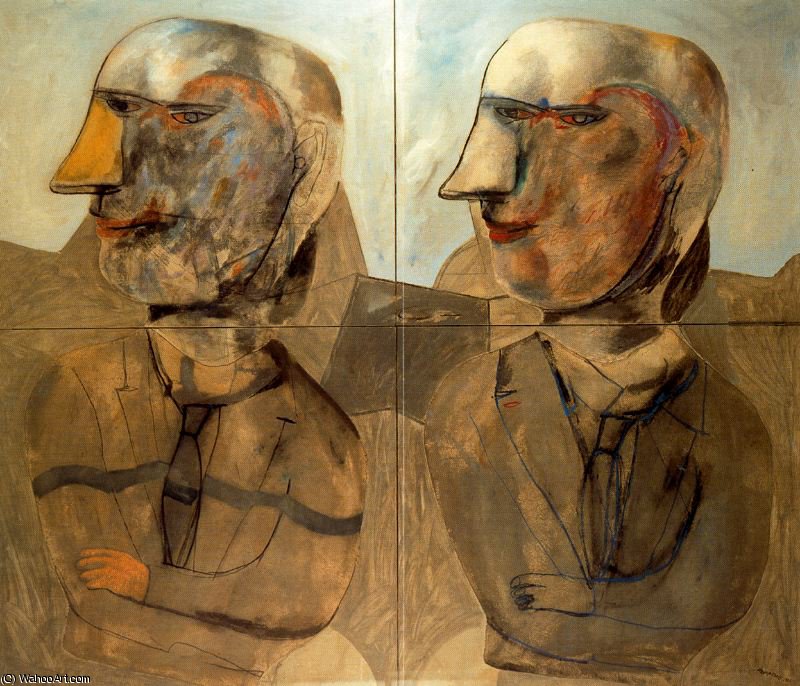
Untitled (991)

 Visa mer
Handgjord oljereproduktion
Handmålad olja på duk i din valda storlek och ram, tillverkad efter beställning av våra konstnärer. ( Beställ tryck Köp högupplöst bild)




































Välj bland våra förinställda storlekar som motsvarar konstverkets ursprungliga proportioner.

Du kan ange egna mått för att passa en specifik ram eller yta. Om den valda storleken inte matchar originalbildens proportioner kommer vi antingen att beskära konstverket eller utöka målningen med ytterligare handmålade element. En digital skiss skickas till dig för godkännande innan produktionen påbörjas.
Observera att förhandsvisningen på skärmen inte återspeglar den faktiska beskärningen eller utökningen. Endast skissen visar den slutgiltiga kompositionen korrekt.
Även om anpassade storlekar är möjliga, rekommenderar vi att du väljer en dimension från den fördefinierade listan för att bevara originalproportionerna.
Efter beställning kommer OriginalUniqueArt.com team att mejla kunden för instruktioner och tillhandahålla en skissförhandsvisning
Leverans över hela världen () på 3–4 veckor istället för standard 5 veckor. (22 augusti). Inga kompromisser med kvaliteten.

Fri expressfrakt över hela världen

Högkvalitativ linnecanvas

Fullständig fraktförsäkring

Garantier för återbetalning av tullavgifter

Garantier för exakt färgåtergivning

60 dagars returrätt (endast vid fabrikationsfel)

100% pengarna tillbaka-garanti

Mängdrabatt erbjuds
 Glasalternativet är endast tillgängligt i storlekar under 110 cm.

Untitled (991)
Reproduktionsmedium
Storlek på reproduktion
-


Slutgiltigt pris
$ 325
Konstnärsbiografi
Early Life and Artistic Beginnings
Alfonso Fraile, born in the Andalusian town of Marchena, Spain, in 1930, emerged as a significant voice within the Spanish art scene during a period of profound social and political transition. His formative years were steeped in the traditions of rural Spain, an environment that would later subtly inform his artistic vision despite his eventual embrace of more avant-garde styles. Relocating to Madrid to pursue formal training at the Escuela Superior de Bellas Artes, Fraile embarked on a journey that saw him initially drawn to the complexities of Cubism and Art Informel. These early explorations laid the groundwork for a career characterized by constant evolution and a willingness to challenge conventional artistic boundaries. While details surrounding his personal life remain somewhat elusive, it’s clear that Madrid's vibrant cultural landscape proved pivotal in shaping his aesthetic sensibilities and fostering a spirit of experimentation.The Nuevo Espacialismo and a Shift Towards Figuration
By the mid-1960s, Spain was experiencing a burgeoning artistic shift away from the dominance of Informalism. Fraile found himself at the forefront of this movement, co-founding the group “Nuevo Espacialismo” alongside José Vento Ruiz, Ángel Medina, and Julio Martín-Caro. This collective sought to reintroduce figuration into Spanish art, but not as a simple return to representational painting. Inspired by artists like Willem de Kooning, they aimed for a dynamic interplay between abstraction and recognizable forms, imbued with a distinctly ironic edge. The group’s work was characterized by gestural brushwork, spatial dynamism, and a deliberate rejection of prevailing European trends in favor of a uniquely Spanish artistic identity. Fraile's early engagement with Nuevo Espacialismo marked a crucial turning point, setting the stage for his later development of what would become known as Neo-Figuration. He also expressed interest in the unflinching realism of Goya, which influenced his narrative approach.Mature Style: Grotesque Portraits and Symbolic Isolation
Fraile’s mature style, emerging in the 1970s, is perhaps best described as a compelling blend of whimsy, grotesque imagery, and profound psychological depth. He began translating his earlier drawings—often characterized by distorted faces and unsettling figures—into large-scale paintings. These compositions initially featured multiple characters floating within ambiguous spaces, resonating with the work of artists like Jean Dubuffet in their raw energy and unconventional aesthetic. Over time, Fraile’s focus shifted towards isolated portraits and tableaux depicting single figures, each imbued with a sense of alienation and introspection. His palette became increasingly refined, employing neutral backgrounds and clear colors to accentuate the emotional weight of his subjects. The resulting works are not merely depictions of individuals but rather explorations of the human condition—fragile, vulnerable, and often marginalized.Themes and Symbolism in Fraile’s Oeuvre
A recurring theme throughout Fraile's career is the exploration of isolation and the objectification of subjective experience. His figures, often rendered with a cartoonish quality that belies their underlying emotional complexity, seem trapped within their own internal worlds. The use of broad swatches of color and energetic brushwork further emphasizes this sense of confinement, creating a visual tension between form and space. Fraile’s paintings are rarely overtly narrative; instead, they rely on symbolic imagery and unsettling juxtapositions to evoke a range of emotions—from sarcasm and anxiety to melancholy and despair. He often revisited compositions multiple times, exploring variations in palette and texture to refine the psychological impact of his work. This serial approach underscores his commitment to capturing the nuances of human emotion and the complexities of the inner life.Legacy and Historical Significance
Alfonso Fraile’s contributions to Spanish contemporary art were widely recognized during his lifetime, culminating in several prestigious awards including the National Painting Prize (1962), the Ateneo de Madrid Critique Award (1963), and the National Visual Arts Prize (1983). His paintings are showcased at the Museo de Arte Contemporáneo in Madrid. A major retrospective exhibition held at the Museo Nacional Centro de Arte Reina Sofía in 1998-99 solidified his place as a pivotal figure in postwar Spanish art. Fraile’s work continues to resonate with audiences today, offering a powerful and unsettling commentary on the human condition. His ability to blend abstraction, figuration, and symbolism created a unique visual language that challenged conventional artistic boundaries and paved the way for future generations of Spanish artists. He left behind a body of work that is both deeply personal and universally relevant—a testament to his enduring vision and unwavering commitment to exploring the complexities of the human experience.
alfonso fraile
1930 - 1988 , Spain
Kortfakta
- Artistic Movement Or Style: Surrealism, Abstract Expressionism
- Artists Who Influenced This Artist:
- Willem de Kooning
- Goya
- Date Of Birth: 1930
- Date Of Death: 1988
- Full Name: Alfonso Fraile
- Nationality: Spanish
- Notable Artworks:
- Untitled (121)
- Untitled (991)
- Untitled (610)
- Place Of Birth: Madrid, Spain
Relaterade artiklar

Topp 10 mästerverk inom abstrakt expressionism – konst för ditt hem | OriginalUniqueArt.com
Utforska de 10 mest inflytelserika verken inom abstrakt expressionism – från Rothkos färgfält till Pollocks action painting. Lär känna konstnärerna och deras teknik. Hitta museumskvalitativa tryck på OriginalUniqueArt.com och förvandla ditt hem med tidlös konst!

Kandinskys 25 Mästerverk: En Färgstark Resa i Abstrakt Konst | OriginalUniqueArt
Utforska Wassily Kandinskys 25 mest ikoniska verk – från expressionism till abstrakt konst. Lär känna historien bakom mästerverken och hitta inspiration för din heminredning med OriginalUniqueArt.com. Upptäck hela samlingen online!
Kubismens Mästverk: 10 Verk som Definierade en Epok – Konst & Inredning
Utforska kubismens och expressionismens 10 mest inflytelserika verk – från Picassos revolutionerande stil till Braques banbrytande former. Upptäck konsthistorien & hitta inspiration för ditt hem med OriginalUniqueArt.com. Se hela kollektionen online!

Cubist Expressionism: The Profound Intersection of Geometric Structure and Raw Emotion
Discover the profound intersection of geometry and emotion in Cubist Expressionism. Explore art history through our expert analysis of modern masters and find museum-quality, hand-painted oil reproductions of iconic masterpieces for your collection.
Lyrical Abstraction: The Emotional Power of Color and Form in Modern Art History
Explore the profound emotional depth of Lyrical Abstraction. Discover how masters like Raymond Parker used color and form to bridge Impressionism and Abstract Expressionism. Learn about this pivotal movement through our expert-led art history guide.

