

 Förhandsvisa
 Skicka
 Dela
Dela
 Visa detaljer

 Ladda ner
 Liknande objekt
 Röntgen
 Bildspel
Esquisse pour Le Triomphe de Flore


 Visa mer
Giclée / Konsttryck
Giclée- eller canvasprint av museumskvalitet med snabb produktion och flexibla ytbehandlingsalternativ. ( Beställ handmålad reproduktion Köp högupplöst bild)




P118B $10

P118H $10

P118W $10

P438Z $10

P508JH $12

P508YH $12

P805H $10

P805Z $10

P919BZ $10

P919G $10

P919XJ $10

P959ZH $10

P968JZ $12

W106C $8

W218G $10

W218JH $8

W218Y $10

W307PJ $10

W316G $10

W316PJ $8

W316Y $10

W398PJ $8

W4111J $10

W500HY $15

W500JH $15

W692G $12

W849H $8

W940BG $15

W953PJ $8




Välj bland våra förinställda storlekar som motsvarar konstverkets ursprungliga proportioner.

Du kan ange egna mått för att passa en specifik ram eller yta. Om det valda måttet inte överensstämmer med originalbildens proportioner kommer vi antingen att beskära konstverket eller utöka bilden med en speglad eller enfärgad kant. En digital mockup skickas för ditt godkännande innan produktionen påbörjas.
Vänligen notera att förhandsvisningen på skärmen inte återspeglar den faktiska beskärningen eller utökningen. Endast mockuppen visar den slutgiltiga kompositionen korrekt.
Även om anpassade storlekar är möjliga, rekommenderar vi att du väljer ett mått från den fördefinierade listan för att bevara de ursprungliga proportionerna.
Leverans över hela världen () på 2 veckor istället för standard 4/5 veckor. (21 augusti)

Fri expressfrakt över hela världen

Högkvalitativ linnecanvas

Fullständig fraktförsäkring

Garantier för återbetalning av tullavgifter

Garantier för exakt färgåtergivning

60 dagars returrätt (endast vid fabrikationsfel)

100% pengarna tillbaka-garanti

Mängdrabatt erbjuds
 Glasalternativet är endast tillgängligt i storlekar under 110 cm.

Esquisse pour Le Triomphe de Flore
Giclée / Konsttryck
Storlek på reproduktion
-


Slutgiltigt pris
$ 80
Om samlarobjektet
A Glimpse of Triumph: Alexandre Cabanel’s ‘Esquisse pour Le Triomphe de Flore’
Alexandre Cabanel's 'Esquisse pour Le Triomphe de Flore,' a preparatory sketch for his monumental 1873 painting, offers a captivating window into the creative process behind one of the Musée du Louvre’s most celebrated works. More than just a preliminary study, this piece embodies the meticulous academic style that defined Cabanel's career – a style rooted in classical ideals and imbued with a profound sense of theatrical grandeur. The sketch itself is not merely unfinished; it’s brimming with potential, revealing the artist’s initial thoughts on composition, color, and the dynamic interplay between figures and atmosphere.
Cabanel's work belongs firmly within the context of 19th-century France, a period marked by a renewed interest in classical antiquity. Following the Romantic era, artists sought to restore order and harmony through a return to the principles of Greek and Roman art. Cabanel was a key figure in this movement, producing works that celebrated mythological subjects with an almost photographic realism – a hallmark of the academic tradition. His patrons, including Napoleon III, favored his ability to render idealized beauty and create scenes of immense scale and emotional impact. This sketch provides tangible evidence of how he approached these ambitious projects, starting with a carefully considered outline before embarking on the full-scale painting.
A Symphony of Pastel Hues and Fluid Lines
The immediate impression of ‘Esquisse pour Le Triomphe de Flore’ is one of ethereal beauty. The color palette is dominated by soft, muted tones – pale blues, delicate pinks, creamy whites, and subtle yellows – creating a dreamlike atmosphere reminiscent of a twilight sky. These pastel hues are not simply decorative; they contribute to the overall sense of serenity and grace that permeates the scene. Cabanel’s use of charcoal or pastel on paper is evident in the visible texture of the surface, with delicate layering and blending suggesting a deliberate effort to capture subtle gradations of light and shadow.
The lines are remarkably fluid and graceful, contributing significantly to the dynamic movement within the composition. Cabanel masterfully employs curved lines – particularly when depicting flowing drapery, swirling clouds, and the poses of his figures – to create a sense of continuous motion. These lines aren’t rigid or defined; instead, they possess an organic quality, mirroring the natural forms that populate the scene. The sketch reveals how he initially explored different arrangements of these curves before committing to the final design.
Deconstructing the Myth: Symbolism and Composition
At its core, ‘Esquisse pour Le Triomphe de Flore’ depicts a pivotal moment in Roman mythology – the triumphant return of Flora, the goddess of flowers and spring. The composition follows an oval format, emphasizing the circular motion inherent in the scene as Flora ascends on her chariot-like structure. Surrounding her are figures representing angels, allegorical representations of nature, and other celebrants, all contributing to a sense of joyous celebration. The lower portion of the sketch features additional figures, adding depth and complexity to the narrative.
Symbolically, the scene is rich with meaning. Flora herself represents spring, fertility, and beauty – qualities highly valued in 19th-century France. The angels likely symbolize divine favor or assistance, underscoring Flora’s elevated status. The overall composition conveys themes of triumph, ascension, and renewal—a potent message reflecting the era's aspirations for progress and prosperity.
A Study in Preparation: Technique and Materials
This sketch is a testament to Cabanel’s meticulous approach to artmaking. The loose sketching technique reveals a deliberate layering and blending of materials – likely charcoal or pastel sticks, perhaps subtly blended with a soft cloth or brush. The visible texture of the surface speaks to the artist's hands-on engagement with the medium, showcasing his process of building up form and value through multiple layers.
It’s important to note that this is not a finished artwork; rather, it’s a crucial step in Cabanel’s creative journey. The unfinished quality of the sketch—the exposed underdrawing, the areas where he experimented with different compositions—offers a rare glimpse into the artist's thought process and reveals the immense effort involved in realizing his grand vision for ‘Le Triomphe de Flore.’ A high-quality reproduction captures not only the beauty of the final painting but also the spirit of artistic exploration that fueled its creation.
Konstnärsbiografi
Alexandre Cabanel: A Titan of Academic Painting
Alexandre Cabanel, född 28 september 1823 i Montpellier i Frankrike, död 23 januari 1889 i Paris, var en fransk konstnär. Han är utan tvekan den mest framstående representanaten för den akademiska konstens praktiker under andra halvan av det nionde århundrade och hans verk fortsätter att fascinera publiken än idag. Hans konstnärliga resa började inte inom familjen, utan som son till en simpel snickare – vilket gav honom ett starkt arbetsmoral och kanske också en ödmjukhet inför hantverket. Även i ung ålder var Cabanel obestridligt begåvad; redan vid tio års ålder fick han formell utbildning på den lokala konstskolan i Montpellier där han studerade under Jean-Baptiste Oudry och senare François-Edouard Picot. Detta tidiga geni säkerställde honom en stipendium för att studera i Paris 1839, där han gick direkt till École des Beaux-Arts och blev elev hos Picot – samma Picot som hade utbildat Jacques-Louis David och vidareutbildade Cabanel i klassiska principer. Detta var inte bara om teknik; det omfattade också en bred utbildning i litteratur, historia och filosofi vilket gav honom djup för sina ämnen. Hans första försök till Prix de Rome stipendium avslöjade ambition och vilja att förbättra sina färdigheter – något som slutligen lyckades 1845 när han till sist erhöll denna prestigefyllda prisplats. Detta gav honom en period av studier i Rom, där han absorberade lärdomarna från renässansens mästare och deras konstnärliga teknik.- Early Life and Artistic Formation
- The Roman Years and Rise to Prominence
- A Master of Academic Style
- Notable Paintings
- Legacy and Influence
Early Life and Artistic Formation
Alexandre Cabanel föddes i Montpellier, söner till en snickare och växte upp i en familj som värderade hantverkets praktiker. Detta tidiga miljöskapande gav honom ett starkt arbetsmoral och kanske också en ödmjukhet inför konstens komplexitet. Vid tio års ålder började han studera på den lokala konstskolan där han redan vid denna tidpunkt visade upp ett extraordinärt talent för att skapa bilder och fånga rörelser med precision och känsla. Detta tidiga geni säkerställde honom en stipendium för att studera i Paris 1839, där han gick direkt till École des Beaux-Arts och blev elev hos François-Edouard Picot – samma Picot som hade utbildat Jacques-Louis David och vidareutbildade Cabanel i klassiska principer. Detta var inte bara om teknik; det omfattade också en bred utbildning i litteratur, historia och filosofi vilket gav honom djup för sina ämnen. Han studerade under Picots vägledning och absorberade de klassiska idéerna som styrde konstnärligheten vid denna tidpunkt – vilket skulle forma hans konstnärliga utveckling genom hela livet. Detta tidiga fokus på klassisk utbildning var avgörande för att skapa den grundläggande kunskapen som Cabanel behövde för att skapa bilder av hög kvalitet och komplexitet."
Alexandre Cabanel
1875 - 1889 , Frankrike
Kortfakta
- Artistic Movement Or Style: Akademisk realism
- Artists Who Influenced This Artist:
- Jacques-Louis David
- François-Edouard Picot
- Date Of Birth: 28 september 1823
- Full Name: Alexandre Cabanel
- Nationality: Fransk
- Notable Artworks:
- Venus födelse
- Othello berättar om sina strider
- Faidra
- Place Of Birth: Montpellier, Frankrike
Relaterade artiklar

Demandes Commerciales
APS ofrece reproducciones de bellas artes y encargos personalizados desde 2004. Confían en nosotros corporaciones, hoteles y coleccionistas selectos para obras de arte de calidad museística, servicio discreto y soluciones artísticas completas. ¡Póngase en contacto con nosotros para obtener un presupuesto personalizado!

Goyas 25 Mästerverk: En Konstnärlig Resa Genom Spansk Historia | OriginalUniqueArt
Utforska Goyas 25 mest ikoniska målningar! Fördjupa dig i spansk konsthistoria, romantikens dramatik och mörka färger. Köp museumkvalitativa reproduktioner & inred med tidlösa klassiker på OriginalUniqueArt.com.

Alexandre Cabanel: Sensuality, Tradition & the Salon's Embrace of Academic Realism
Explore the captivating world of Alexandre Cabanel, master of French Academic painting. Discover his iconic works, Salon success & lasting influence on art history. High-quality reproductions available at OriginalUniqueArt.

Om oss
Upptäck vår historia! Vi för in konst i världsklass i ditt liv genom experturval, skräddarsydda lösningar och kostnadsfria förhandsvisningar. Godkänt av privatpersoner och företag sedan år 2000.
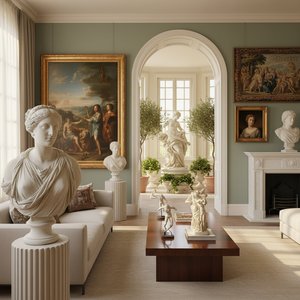
De 10 mästerverk som definierade nyklassicismen – konst för ditt hem | OriginalUniqueArt.com
Utforska de 10 mästerverk som definierade nyklassicismen! Lär känna Jacques-Louis David, Ingres & Canova. Upptäck konsthistoria och hitta inspiration för din inredning med museumkvalitativa reproduktioner på OriginalUniqueArt.com.



