

 Visa i rummet
 Skicka
 Dela
Dela
 Detaljer
 Studentguide för konstverk

 Ladda ner
 Liknande objekt
 Röntgen
 Bildspel
 Besökstatistik
A Thinker, Young Roman Monk
 Oil On Canvas
- WallArt
- Academic Realism
 1848
1848 90.0 x 71.0 cm
 Musée Fabre
 Läs mer
Giclée / Konsttryck
Giclée- eller canvasprint av museumskvalitet med snabb produktion och flexibla ytbehandlingsalternativ. ( Köp handmålat konstverk Byt till digital bildförsäljning)




P118B Skr10

P118H Skr10

P118W Skr10

P438Z Skr10

P508JH Skr12

P508YH Skr12

P805H Skr10

P805Z Skr10

P919BZ Skr10

P919G Skr10

P919XJ Skr10

P959ZH Skr10

P968JZ Skr12

W106C Skr8

W218G Skr10

W218JH Skr8

W218Y Skr10

W307PJ Skr10

W316G Skr10

W316PJ Skr8

W316Y Skr10

W398PJ Skr8

W4111J Skr10

W500HY Skr15

W500JH Skr15

W692G Skr12

W849H Skr8

W940BG Skr15

W953PJ Skr8




Välj bland våra förinställda storlekar som motsvarar konstverkets ursprungliga proportioner.

Ange den bredd och höjd du behöver, för att passa din ram eller din vägg. Ett tryck kan endast beskäras, aldrig göras större än bilden, vilket innebär att ett format med en annan formform leder till att en del av bilden går förlorad. Vi skickar en digital mockup för godkännande innan vi trycker något. Bilden som visas på denna sida visar inte den faktiska beskärningen — det är endast mockuppen som gör det.
Leverans över hela världen () på 2 veckor istället för standard 4/5 veckor. (24 oktober)

Fri expressfrakt över hela världen

Högkvalitativ linnecanvas

Fullständig fraktförsäkring

Garantier för återbetalning av tullavgifter

Garantier för exakt färgåtergivning

100 dagars returrätt vid fabrikationsfel

100% pengarna tillbaka-garanti

Mängdrabatt erbjuds
 Glasalternativet är endast tillgängligt i storlekar under 110 cm.

A Thinker, Young Roman Monk
Giclée / Konsttryck
Reproduktionsstorlek
-


Totalpris
Skr 793
A Moment of Contemplation: Alexandre Cabanel’s “A Thinker, Young Roman Monk”
Alexandre Cabanel's "A Thinker, Young Roman Monk," painted in 1848, is more than just a portrait; it’s a profound meditation on solitude, faith, and the weight of introspection. Housed within the serene walls of the Musée Fabre in Montpellier, France, this oil-on-canvas masterpiece invites viewers to step into the quiet world of a young monk lost in reverie. Cabanel, a master of the academic style—a tradition deeply rooted in classical ideals and meticulous observation—crafted an image that transcends mere representation, achieving instead a palpable sense of inner experience.
The subject himself is strikingly rendered: a youthful Roman monk, his features etched with a thoughtful solemnity. He’s seated upon a simple stone wall, the rough texture providing a grounding contrast to the smooth, almost ethereal quality of his garments. His gaze is directed towards an unseen horizon, suggesting a journey of the mind—a contemplation that seems both deeply personal and universally resonant. The subtle play of light across his face and robes isn’t merely decorative; it's strategically employed to sculpt form and draw attention to the key areas of emotional expression.
The Academic Style: Precision and Idealization
Cabanel’s commitment to the academic style is immediately apparent. This approach, prevalent in 19th-century France, prioritized anatomical accuracy, realistic detail, and a sense of idealized beauty. Notice the meticulous rendering of his hands—folded neatly before him—a testament to Cabanel's dedication to precise observation. The composition itself adheres to classical principles: balanced symmetry, harmonious color palettes, and a carefully orchestrated use of space. Unlike later movements that sought to challenge these conventions, Cabanel embraced them, believing in their ability to capture the essence of human experience with clarity and dignity.
The painting’s palette is restrained yet evocative—a blend of muted browns, ochres, and subtle blues—creating a mood of quiet contemplation. The artist skillfully employs sfumato, a technique borrowed from Leonardo da Vinci, to soften edges and create an atmospheric haze, further enhancing the sense of introspection. This careful attention to detail isn’t simply about technical proficiency; it's about conveying a feeling – a deep sense of stillness and profound thought.
Symbolism and Spiritual Resonance
Beyond its formal qualities, “A Thinker, Young Roman Monk” is rich in symbolic meaning. The monk’s posture—seated, contemplative, and isolated—immediately evokes themes of faith, solitude, and the search for spiritual truth. The stone wall upon which he sits represents both earthly grounding and a barrier between himself and the outside world, emphasizing his inward focus. The act of thinking itself is presented as a sacred practice, a communion with something larger than oneself.
Furthermore, the young age of the monk suggests that this contemplation isn’t simply an adult concern but rather a fundamental aspect of spiritual development—a journey undertaken from youth. The painting subtly invites us to consider our own moments of quiet reflection and the importance of seeking meaning in a world often characterized by distraction and noise.
A Timeless Masterpiece: Reproduction and Legacy
Created over 175 years ago, “A Thinker, Young Roman Monk” remains remarkably relevant today. Its exploration of universal themes—contemplation, faith, and the human condition—continues to resonate with viewers across generations. High-quality reproductions, meticulously crafted by skilled artisans using traditional techniques, offer a way to bring this timeless masterpiece into your home or office.
Whether you’re an art enthusiast, a collector seeking to enrich your collection, or simply someone drawn to the beauty and serenity of this image, a reproduction of Cabanel's "A Thinker, Young Roman Monk" is more than just a decorative piece—it’s a window into the soul of 19th-century France and a reminder of the enduring power of quiet contemplation. For authentic reproductions, please visit https://OriginalUniqueArt.com.
Frågor och svar
Vem har skapat "A Thinker, Young Roman Monk"?
"A Thinker, Young Roman Monk" tillskrivs Alexandre Cabanel.
Kan jag se "A Thinker, Young Roman Monk" av Alexandre Cabanel på min egen vägg innan jag köper den?
"A Thinker, Young Roman Monk" har en förhandsvisning med förstärkt verklighet: konstverkets AR-förhandsvisning-sida visar det i ditt eget utrymme på en kompatibel enhet.
Vilken konststil tillhör "A Thinker, Young Roman Monk" av Alexandre Cabanel?
Konststilen som förknippas med "A Thinker, Young Roman Monk" av Alexandre Cabanel är Academic Realism. Denna klassificering placerar verket bland relaterade konstnärer och konstverk.
Om konstnären
Alexandre Cabanel: A Titan of Academic Painting
Alexandre Cabanel, född 28 september 1823 i Montpellier i Frankrike, död 23 januari 1889 i Paris, var en fransk konstnär. Han är utan tvekan den mest framstående representanaten för den akademiska konstens praktiker under andra halvan av det nionde århundrade och hans verk fortsätter att fascinera publiken än idag. Hans konstnärliga resa började inte inom familjen, utan som son till en simpel snickare – vilket gav honom ett starkt arbetsmoral och kanske också en ödmjukhet inför hantverket. Även i ung ålder var Cabanel obestridligt begåvad; redan vid tio års ålder fick han formell utbildning på den lokala konstskolan i Montpellier där han studerade under Jean-Baptiste Oudry och senare François-Edouard Picot. Detta tidiga geni säkerställde honom en stipendium för att studera i Paris 1839, där han gick direkt till École des Beaux-Arts och blev elev hos Picot – samma Picot som hade utbildat Jacques-Louis David och vidareutbildade Cabanel i klassiska principer. Detta var inte bara om teknik; det omfattade också en bred utbildning i litteratur, historia och filosofi vilket gav honom djup för sina ämnen. Hans första försök till Prix de Rome stipendium avslöjade ambition och vilja att förbättra sina färdigheter – något som slutligen lyckades 1845 när han till sist erhöll denna prestigefyllda prisplats. Detta gav honom en period av studier i Rom, där han absorberade lärdomarna från renässansens mästare och deras konstnärliga teknik.- Early Life and Artistic Formation
- The Roman Years and Rise to Prominence
- A Master of Academic Style
- Notable Paintings
- Legacy and Influence
Early Life and Artistic Formation
Alexandre Cabanel föddes i Montpellier, söner till en snickare och växte upp i en familj som värderade hantverkets praktiker. Detta tidiga miljöskapande gav honom ett starkt arbetsmoral och kanske också en ödmjukhet inför konstens komplexitet. Vid tio års ålder började han studera på den lokala konstskolan där han redan vid denna tidpunkt visade upp ett extraordinärt talent för att skapa bilder och fånga rörelser med precision och känsla. Detta tidiga geni säkerställde honom en stipendium för att studera i Paris 1839, där han gick direkt till École des Beaux-Arts och blev elev hos François-Edouard Picot – samma Picot som hade utbildat Jacques-Louis David och vidareutbildade Cabanel i klassiska principer. Detta var inte bara om teknik; det omfattade också en bred utbildning i litteratur, historia och filosofi vilket gav honom djup för sina ämnen. Han studerade under Picots vägledning och absorberade de klassiska idéerna som styrde konstnärligheten vid denna tidpunkt – vilket skulle forma hans konstnärliga utveckling genom hela livet. Detta tidiga fokus på klassisk utbildning var avgörande för att skapa den grundläggande kunskapen som Cabanel behövde för att skapa bilder av hög kvalitet och komplexitet."
Alexandre Cabanel
1823 - 1889 , Frankrike
Snabbfakta
- Artistic Movement Or Style: Akademisk realism
- Artists Who Influenced This Artist:
- Jacques-Louis David
- François-Edouard Picot
- Date Of Birth: 28 september 1823
- Full Name: Alexandre Cabanel
- Nationality: Fransk
- Notable Artworks:
- Venus födelse
- Othello berättar om sina strider
- Faidra
- Place Of Birth: Montpellier, Frankrike
Relaterade artiklar

Olja på duk: En tidlös teknik – Historik, process och konstnärliga möjligheter
Utforska oljemålningskonsten! Lär dig om flamländsk teknik, materialval och historisk utveckling. Expertguider för både nybörjare och erfarna konstnärer – bevara dina målningar med bästa praxis.

The Enduring Legacy of Oil on Canvas: Technique, History & Aesthetic Impact
Explore the rich history & techniques of oil painting – from Renaissance masters to Impressionism. Discover pigments, layering methods, and why this timeless medium endures. Expert insights for artists & art enthusiasts.
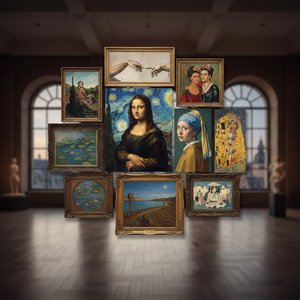
Topp 10 ikoniska oljemålningar som förändrade konsthistorien – OriginalUniqueArt.com
Utforska de 10 mest ikoniska oljemålningarna som revolutionerade konsthistorien! Lär känna Monet, Van Gogh och Da Vinci. Hitta inspiration & köp museumkvalitativa reproduktioner på OriginalUniqueArt.com – för en tidlös inredning.
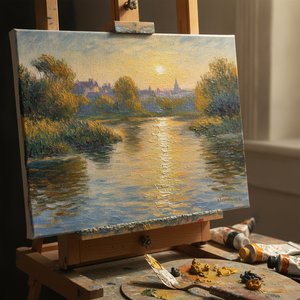
The Soul of Impressionism: Why Oil on Canvas Captures Eternal Light and Timeless Emotion
Discover the enchanting alchemy of Impressionism. Explore how the mastery of oil on canvas, through glazing and impasto, captures eternal light and emotion. Perfect for lovers of Monet and Van Gogh seeking the profound depth of hand-painted fine art.

Olja på dukens bestående arv: Teknik, historia och samtida praktik
Utforska oljemåleriets rika historia och tekniker – från renässansens mästare till dagens konstnärer. Lär dig om material, metoder och konservering för att bevara konsten.

