

 Förhandsvisa
 Skicka
 Dela
Dela
 Visa detaljer
 Guide
Guide

 Ladda ner
 Liknande objekt
 Röntgen
 Bildspel
 Statistik
A Sleeping Girl
 Oil On Canvas
- WallArt
- Pre-Raphaelite
 1875
1875 22.0 x 30.0 cm
 Tate Britain
 Visa mer
Giclée / Konsttryck
Giclée- eller canvasprint av museumskvalitet med snabb produktion och flexibla ytbehandlingsalternativ. ( Beställ handmålad reproduktion Byt till digital bild)




P118B Skr10

P118H Skr10

P118W Skr10

P438Z Skr10

P508JH Skr12

P508YH Skr12

P805H Skr10

P805Z Skr10

P919BZ Skr10

P919G Skr10

P919XJ Skr10

P959ZH Skr10

P968JZ Skr12

W106C Skr8

W218G Skr10

W218JH Skr8

W218Y Skr10

W307PJ Skr10

W316G Skr10

W316PJ Skr8

W316Y Skr10

W398PJ Skr8

W4111J Skr10

W500HY Skr15

W500JH Skr15

W692G Skr12

W849H Skr8

W940BG Skr15

W953PJ Skr8




Välj bland våra förinställda storlekar som motsvarar konstverkets ursprungliga proportioner.

Ange den bredd och höjd du behöver för att passa din ram eller vägg. Ett tryck kan endast beskäras, aldrig göras större än originalbilden, vilket innebär att ett format med en annan proportion leder till att en del av bilden går förlorad. Vi skickar en digital mockup för godkännande innan vi påbörjar tryckningen. Bilden som visas på denna sida visar inte den faktiska beskärningen — det är endast mockuppen som gör det.
Leverans över hela världen () på 2 veckor istället för standard 4/5 veckor. (27 oktober)

Fri expressfrakt över hela världen

Högkvalitativ linnecanvas

Fullständig fraktförsäkring

Garantier för återbetalning av tullavgifter

Garantier för exakt färgåtergivning

100 dagars returrätt (endast vid fel)

100% pengarna tillbaka-garanti

Mängdrabatt erbjuds
 Glasalternativet är endast tillgängligt i storlekar under 110 cm.

A Sleeping Girl
Giclée / Konsttryck
Storlek på reproduktion
-


Slutgiltigt pris
Skr 797
A Portrait of Quietude: Exploring Albert Moore’s “Sleeping Girl”
Albert Joseph Moore's "Sleeping Girl," completed around 1875, stands as a quintessential example of Pre-Raphaelite painting—a movement dedicated to reviving artistic ideals considered superior to those prevalent in the academic tradition. More than just a depiction of repose, this oil on canvas delves into themes of vulnerability, beauty, and contemplation, capturing a moment frozen in time with remarkable sensitivity. Tate Gallery houses the original artwork, offering visitors an opportunity to experience its ethereal luminescence firsthand.- Subject Matter: The painting portrays a young woman reclining gracefully on a chaise lounge, enveloped in soft drapery and surrounded by delicate floral arrangements—a deliberate choice reflecting the Pre-Raphaelite fascination with idealized landscapes and mythological narratives rooted in medieval literature.
- Style & Technique: Moore’s meticulous approach to composition and execution aligns perfectly with the stylistic principles of his era. He employed a layered brushstroke technique, building up color and form gradually—a hallmark of Academic painting—to achieve an unparalleled level of luminosity and textural detail. The artist's careful attention to light and shadow contributes significantly to the artwork’s serene atmosphere.
- Historical Context: Emerging in Britain during the Victorian period, Pre-Raphaelite art reacted against the perceived artificiality of academic conventions, championing instead a return to artistic sincerity and emotional expression inspired by early Renaissance masters—specifically those preceding Raphael. This movement sought to recapture the spirit of medieval art, prioritizing beauty and moral contemplation over mere technical virtuosity.
- Symbolism: The inclusion of roses—a recurring motif in Pre-Raphaelite imagery—amplifies the painting’s symbolic resonance. Roses traditionally represent love, passion, and purity—themes interwoven throughout Moore's composition to convey a profound sense of innocence and tranquility. The woman’s closed eyes symbolize sleep, representing not merely physical rest but also spiritual contemplation and detachment from worldly concerns.
- Emotional Impact: “Sleeping Girl” succeeds in evoking a powerful emotional response in the viewer—a feeling of quiet serenity and melancholic beauty. Moore's masterful use of color palettes—muted earth tones combined with soft whites—creates an immersive experience that invites reflection on themes of vulnerability, grace, and fleeting moments of sublime perfection.
Detailed Examination of Composition & Color Palette
Moore’s compositional choices are deliberate and contribute significantly to the artwork's overall impact. The central figure dominates the canvas, positioned at the heart of a carefully arranged space defined by supporting elements—floral cushions and vases—that serve as visual anchors. Lines are predominantly smooth and flowing, particularly in the drapery and the woman’s hair, creating an impression of softness and movement. Perspective is shallow, fostering a sense of intimacy between the viewer and the subject matter. Depth is achieved through subtle tonal variations and layering techniques—a testament to Moore's technical prowess. The color palette leans towards muted earth tones—primarily ochre and ivory—underscored by delicate shades of pink and white—creating an ethereal luminescence that enhances the painting’s dreamlike quality.Materials & Artistic Process
“Sleeping Girl” is executed in oil paints on canvas—a medium favored by Academic artists for its ability to capture nuanced tonal gradations and achieve exceptional textural richness. Moore undertook extensive preparatory studies, meticulously sketching the figure and drapery separately before embarking on the final painting process. He employed a technique known as glazing—applying thin layers of translucent color over underlying pigments—to build up depth and luminosity gradually—a hallmark of Pre-Raphaelite artistry. This painstaking approach ensured that every detail was rendered with meticulous precision, resulting in an artwork of breathtaking beauty and artistic integrity.Frågor och svar
Finns det ett bildspel för "A Sleeping Girl" av Albert Joseph Moore?
"A Sleeping Girl" av Albert Joseph Moore kan visas som ett bildspel på verkets Bildspel-sida.
Vilket medium är "A Sleeping Girl" av Albert Joseph Moore utförd i?
"A Sleeping Girl" är utförd i Oil On Canvas.
Vilken är den emotionella tonen i "A Sleeping Girl" av Albert Joseph Moore?
"A Sleeping Girl" av Albert Joseph Moore förmedlar en Calm emotionell ton.
Konstnärsbiografi
Albert Joseph Moore (1841–1893) – En Pionjär inom Estetismen
Albert Joseph Moore föddes 4 september 1841 i York, en välbärgad familj med djupa rötter i Yorkshire. Han var trettonde barn och fjortonde barn till porträttkonstnären William Moore (född 1790– död 1851), vilket gav honom ett tidigt konstnärligt arv. Hans far var en framstående målare och hade själv studerat klassisk skulptur och arkitektur, vilket senare skulle påverka Moores egen stil. Eftersom flera av hans bröder också arbetade som konstnärer, inklusive Henry Moore (född 1831– död 1895), en betydande marinmålare, fick Albert från början ett starkt stöd för sina kreativa ambitioner och utbildades vid Archbishop Holgate’s School och St. Peter’s School i York där han även fick instruktion i skissning och målning från sin far. Detta tidiga konstnärliga uppväxtmiljö präglade hans senare verk och utveckling.Första Konstnärliga Inspirationskällor och Stilutveckling
Moore var starkt influerad av Ruskin, en konservativ filosof och konstkritiker som förespråkade estetisk harmoni och klassisk skönhet över tekniska aspekter. Ruskins idéer om naturlighet och moralisk betydelse väckte Moores intresse för klassisk skulptur och arkitektur och inspirerade honom att studera både British Museum och platsen Rom mellan 1862 och 1863 där han mötte andra viktiga konstnärliga rörelser och influenser. Detta första möte med klassisk konst skulle senare komma att återfinnas i hans verk och skapa grunden för hans egen stilutveckling. Han började sin konstnärliga karriär genom att skapa dekorativa bilder och mosaiker, vilket visar på hans tidiga ambitioner att skapa konst som var både estetiskt tilltalande och funktionellt användbart.Estetismen och Dekorativ Konst
Moore utvecklade tillsammans med vännen James McNeill Whistler en stil som kom att kallas estetismen – ett självständigt konstnärligt uttryck som betonade skönhetens egen värde och avfärdade tekniska överväganden. Estetismen föddes ur en reaktion mot realismen och naturalismen och sökte efter inspiration i antik klassicism och japansk konst. Detta koncept präglade Moores verk och gjorde honom till en av de främsta representanterna för denna nya rörelse. Han är mest känd för sina långa seriebilder där kvinnliga figurer placeras i klassiska interiörer och draperier, vilket skapar ett atmosfäriskt och dekorativt konstverk som är både tekniskt imponerande och estetiskt tillfredsställande. Dessa bilder är ofta komplexa och detaljerade och visar på Moores förmåga att skapa konst som är både visuellt övertygande och psykologiskt djupgående.Viktiga Verk och Samlingar
Moore skapade några av sina mest betydelsefulla verk för Morris, Marshall, Faulkner & Co., där han arbetade som dekoratör och målare för att skapa möbler och textilier enligt estetiska principer. Bland hans mest kända målningar finns "The Marble Seat" (1865), en lång serie bilder som är ett exempel på estetisk konstnärlig stil och ”Elijah’s Sacrifice” (1863) där han hämtat inspiration från ford madox brown och edward armitage. Dessa verk är särskilt värda att nämnas för deras komplexa kompositioner och användning av ljus och färg samt för deras förmåga att skapa en känsla av atmosfär och emotionell resonans. Moore’s konst finns idag i flera museer över hela världen, inklusive York Museums Trust där hans verk är särskilt väl representerade och The Royal Academy i London där han ofta visade sina arbeten och där många av hans mest ikoniska målningar förvaras.Eftermäle och Arv
Moore var en självständig konstnär som följde sin egen konstnärliga vision utan att låta sig styras av akademiska krav eller samhällsnormer. Trots sina hälsoproblem fortsatte han att skapa konst till sin död 25 september 1893 i London och lämnade ett betydande arv efter sig inom estetisk konstnärlig stil och dekorativ konstnärlig praktik. Hans verk fortsätter att fascinera konsthistoriker och besökare och är ett viktigt exempel på vikten av konstnärlig självständighet och kreativitet samt på hur konst kan förmedla komplexa idéer och känslor. Han anses vara en pionjär inom estetismen och hans stil har haft ett bestående inflytande på senare konstnärliga rörelser och utvecklingar.
Albert Joseph Moore
1841 - 1893 , Storbritannien
Kortfakta
- Artistic Movement Or Style: Esteticismen
- Artists Who Influenced This Artist:
- Ruskin
- Ford Madox Brown
- Edward Armitage
- Date Of Birth: 4 september 1841
- Date Of Death: 25 september 1893
- Full Name: Albert Joseph Moore
- Nationality: Britannien
- Notable Artworks:
- The Marble Seat
- Elijah's Sacrifice
- The Loves of The Seasons
- Place Of Birth: York, United Kingdom
Relaterade artiklar

The Pre-Raphaelite Brotherhood: Rediscovering Beauty, Romance, and Medieval Magic in Victorian Art
Embark on a journey through the Pre-Raphaelite Brotherhood. Discover the romantic symbolism, medieval magic, and radical beauty of Rossetti and Burne-Jones in this expert exploration of Victorian art history.

Pre-Raphaelite Romanticism: A Guide to Vivid Detail and Medieval Beauty in Victorian Art
Explore the vivid detail and medieval beauty of Pre-Raphaelite Romanticism. Discover the history of masters like Rossetti and Millais through our expert guide to Victorian art, perfect for collectors and professionals seeking authentic, museum-quality reproductions.

Sir John Everett Millais: Pre-Raphaelite Rebellion & Victorian Narrative Detail
Explore the revolutionary art of Sir John Everett Millais & the Pre-Raphaelite Brotherhood. Discover their radical realism, symbolic narratives, and lasting impact on Victorian aesthetics. A deep dive into 19th-century masterpieces.

Dante Gabriel Rossettis 25 Mästerverk: Konst, Symbolik & Heminredning
Utforska Dante Gabriel Rossettis 25 mest ikoniska konstverk! Upptäck prerafaeliternas symbolik, romantisk konst och tidlösa berättelser bakom mästerverken. Köp museumkvalitativa tryck & inred med vacker väggkonst på OriginalUniqueArt.com.
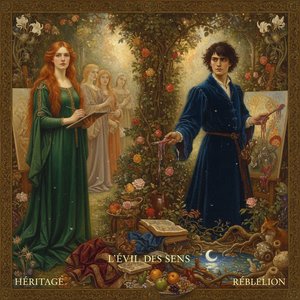
The Pre-Raphaelite Brotherhood: Reclaiming Beauty, Nature, and Truth in Victorian Art History
Explore the revolutionary Pre-Raphaelite Brotherhood. Discover how these visionary artists rejected academic tradition to reclaim beauty, nature, and truth through luminous detail and literary depth in Victorian art history.