

 Visa i rummet
 Skicka
 Dela
Dela
 Detaljer
 Studentguide för konstverk

 Ladda ner
 Liknande objekt
 Röntgen
 Bildspel
 Besökstatistik
Crucifixion
 Oil On Panel
- Gothic Revival
 1390
1390 57.0 x 77.0 cm
 Galleria degli Uffizi
 Läs mer
Giclée / Konsttryck
Giclée- eller canvasprint av museumskvalitet med snabb produktion och flexibla ytbehandlingsalternativ. ( Köp handmålat konstverk Byt till digital bildförsäljning)




P118B Skr10

P118H Skr10

P118W Skr10

P438Z Skr10

P508JH Skr12

P508YH Skr12

P805H Skr10

P805Z Skr10

P919BZ Skr10

P919G Skr10

P919XJ Skr10

P959ZH Skr10

P968JZ Skr12

W106C Skr8

W218G Skr10

W218JH Skr8

W218Y Skr10

W307PJ Skr10

W316G Skr10

W316PJ Skr8

W316Y Skr10

W398PJ Skr8

W4111J Skr10

W500HY Skr15

W500JH Skr15

W692G Skr12

W849H Skr8

W940BG Skr15

W953PJ Skr8




Välj bland våra förinställda storlekar som motsvarar konstverkets ursprungliga proportioner.

Ange den bredd och höjd du behöver, för att passa din ram eller din vägg. Ett tryck kan endast beskäras, aldrig göras större än bilden, vilket innebär att ett format med en annan formform leder till att en del av bilden går förlorad. Vi skickar en digital mockup för godkännande innan vi trycker något. Bilden som visas på denna sida visar inte den faktiska beskärningen — det är endast mockuppen som gör det.
Leverans över hela världen () på 2 veckor istället för standard 4/5 veckor. (24 oktober)

Fri expressfrakt över hela världen

Högkvalitativ linnecanvas

Fullständig fraktförsäkring

Garantier för återbetalning av tullavgifter

Garantier för exakt färgåtergivning

100 dagars returrätt vid fabrikationsfel

100% pengarna tillbaka-garanti

Mängdrabatt erbjuds
 Glasalternativet är endast tillgängligt i storlekar under 110 cm.

Crucifixion
Giclée / Konsttryck
Reproduktionsstorlek
-


Totalpris
Skr 793
The Crucifixion by Agnolo Gaddi: A Window into Florentine Gothic
The painting “Crucifixion” by Agnolo Gaddi, created in 1390, is more than just a depiction of a pivotal moment in Christian history; it’s a vibrant testament to the burgeoning artistic spirit of Florence during the late Medieval period. Housed within the hallowed halls of the Galleria degli Uffizi, this tempera painting offers a profound glimpse into the evolving style of a master craftsman – Gaddi himself – and his deep connection to the legacy of Giotto di Bondone. Measuring just 57 x 77 cm, its intimate scale belies the emotional weight it carries, inviting viewers to contemplate the suffering and sacrifice at its core.
Gaddi’s work immediately distinguishes itself within the Gothic tradition, yet subtly anticipates the stylistic shifts that would define the Early Renaissance. The composition is remarkably balanced, a careful orchestration of figures arranged around the central image of Christ on the cross. Notice the deliberate positioning – soldiers and mourners cluster at the base, creating a sense of earthly sorrow, while angels ascend above, representing divine compassion. A striking detail is the presence of a horse to the right, adding depth and dynamism to the scene, a touch uncommon in purely religious depictions of this era. The artist’s skill lies not just in anatomical accuracy – though it's evident – but in conveying a palpable sense of drama and emotional intensity.
A Glimpse into Technique and Materials
The painting is executed in tempera, a medium favored by artists during the Gothic period due to its luminosity and ability to create rich colors. Observe how Gaddi masterfully layered the pigments, building up textures and creating subtle gradations of light and shadow. The use of gold leaf, particularly around Christ’s figure and the haloed angels, further enhances the painting's spiritual aura and draws the eye towards these focal points. The attention to detail is remarkable; from the folds of Christ’s garments to the expressions on the faces of the onlookers, every element contributes to a sense of realism and immediacy.
Furthermore, Gaddi demonstrates an understanding of perspective – though it's not fully developed as in later Renaissance works. The figures are arranged in a shallow space, creating a sense of depth that is both engaging and emotionally resonant. The overall effect is one of controlled chaos, reflecting the dramatic nature of the event being depicted while maintaining a formal, balanced composition.
Historical Context: Florence at the Dawn of a New Era
To fully appreciate “Crucifixion,” it’s essential to understand the historical context in which it was created. Florence during the 14th century was a crucible of artistic innovation, fueled by wealth, political stability, and a renewed interest in classical antiquity. Giotto di Bondone, who had revolutionized painting with his naturalistic style, exerted a profound influence on subsequent generations of artists, including Gaddi. Gaddi’s work represents a direct continuation of Giotto's legacy, yet he subtly departs from it, introducing elements that foreshadow the stylistic developments of the Renaissance.
Agnolo Gaddi himself was deeply connected to this artistic lineage; he was the son of Taddeo Gaddi, who had been a devoted pupil of Giotto. This familial connection placed him at the heart of Florence’s artistic community and ensured that he remained immersed in the innovative spirit of the time. His work reflects not only his own talent but also the collective artistic consciousness of his era.
Symbolism and Emotional Resonance
The painting is laden with symbolism, inviting viewers to contemplate profound theological themes. The crucifixion itself represents sacrifice, redemption, and the promise of salvation. The figures surrounding Christ – soldiers, mourners, and angels – embody a range of human emotions: grief, despair, compassion, and hope. The horse, often associated with royalty and power, may symbolize the suffering of the Roman Empire under Christ’s rule.
Ultimately, “Crucifixion” is not merely a historical depiction; it's an emotionally charged meditation on faith, suffering, and redemption. It invites viewers to connect with the human drama at its core and to contemplate the enduring significance of this central event in Christian theology. Reproductions of this masterpiece offer a tangible connection to this remarkable artistic achievement, allowing us to experience its beauty and power firsthand.
Frågor och svar
Är Agnolo Gaddi, skaparen av "Crucifixion", känd under andra namn?
Agnolo Gaddi förekommer även under namnen Agnolo di Taddeo Gaddi, Taddeo Gaddi.
Vilken är den färgmässiga identiteten hos "Crucifixion" av Agnolo Gaddi?
"Crucifixion" av Agnolo Gaddi använder en Earthy-palett, där Espresso (#473735) är den dominerande färgen.
Under vilket år skapades "Crucifixion" av Agnolo Gaddi?
"Crucifixion" dateras till 1390. Datumet placerar verket inom Agnolo Gaddis karriär och dess epok.
Om konstnären
Agnolo di Taddeo Gaddi
Agnolo di Taddeo Gaddi, född omkring 1350 i Florens och död 1396 där samma stad, var en italiensk konstnär som förblev inom den mäktiga familjen Gaddi och är son till Taddeo Gaddi (1300-1366), en framstående målare och arkitekt. Han är också barnbarn till Gaddo di Zanobi, vilket placerar honom direkt i hjärtat av konstnärliga innovationer som Florens hade blivit vid slutet av 1300-talet – ett centrum för kreativ energi och ekonomisk blomstring där konstnärlig utveckling var högsta prioritet. Även om han ofta beskrivs som den sista stora florentinska målaren direkt nedstigande från Giottos stil, skulle det vara en enorm förtvivlan att bara hänvisa till honom som en kopiaren. Gaddi var inte bara vidarebefordra ett arv; han förvandlade det subtilt genom att brygga över gapet mellan den senare gotiska känslan och den växande löftet om tidig renässans. Hans liv, även om relativt dokumenterat jämfört med vissa av hans samtida, avslöjade en man djupt rotad i konstnärliga och handelsmässiga strukturer i Florens – en stad där kreativitet och ekonomisk välstånd var högsta prioritet. Han var inte bara målare; dokument visar att han också ägnade sig åt handel, särskilt senare i livet, vilket avslöjade ett pragmatiskt sida ofta osynlig för biografier av berömda konstnärer.From Giotto's Shadow: Artistic Development and Influences
Giotto di Bondone (1267-1337) var en revolutionär målare som förändrade italiensk konst genom att introducera realism och emotionell djuphet – något som Gaddi skulle hämtas inspiration från. Giottos monumentalitet och känslomässiga resonans är tydligt närvarande i Gaddis första verk, vilket visar hur mycket hans utbildning och konstnärliga vision var kopplade till denna pionjär inom italiensk konsthistoria. Där Giotto ofta föredrog robust enkelhet, omfamnade Gaddi en mer raffinerad elegans och införlivade komplexa detaljer och ett ökat fokus på dekorativ prakt – vilket ytterligare förstärkte hans konstnärliga identitet. Gotisk stil dominerade hans verk genom dramatiska ljuseffekter, rikligt textilier och övergripande betoning av praktfull skönhet. Detta var inte att säga att han förkastade Giottos naturalism; snarare utvecklade han en egen stil som byggde vidare på Giottos grundläggande principer samtidigt som han införlivade nya estetiska idéer. Han var särskilt imponerad av Giottos förmåga att skapa berättelser genom konst och försökte återskapa denna effekt i sina egna verk. Detta är särskilt tydligt i hans tidiga fresker för San Domenico del Maglio i Florens, där han använde komplexa kompositioner och detaljerade färger för att skapa visuellt övertygande bilder som fångar essensen av Giottos konstnärliga arv.Masterpieces in Stone and Paint: Key Works and Commissions
Agnolo Gaddi är främst känd för sina omfattande fresker i Santa Croce i Florens, vilket är ett monumentalt exempel på hans förmåga att skapa stora verk och han var en av de mest produktiva konstnärerna under sin tid. Dessa imponerande målningar berättar historien om korsets legend genom åtta scenarier som utförs med stor precision och känslomässig övertygelse – vilket visar hur mycket Gaddi hämtat inspiration från Giotto och andra viktiga konstnärer från samma epok. Bland hans mest berömda verk finns *Korset*, där han använde komplexa kompositioner och detaljerade färger för att skapa visuellt övertygande bilder som fångar essensen av korsets legend och *Uppståndelsen*, där han återigen visade sin förmåga att skapa dramatiska scener och använda ljus och skugga för att skapa en känsla av djup och realism. Dessutom fick Gaddi uppdrag att dekorera flera kyrkor och palats i Florens och andra italienska städer, vilket visar hans mångsidighet som konstnär och hans förmåga att samarbeta med andra kreativa personer – vilket ytterligare förstärkte hans plats inom konsthistorien. Hans arbete är särskilt känt för sina användning av ljus och skugga samt detaljerade färger och kompositioner, vilket gör honom till en viktig figur inom den florentinska renässansens konstnärliga utveckling.A Teacher and a Legacy: Gaddi’s Impact on Italian Art
Gaddi var inte bara en mästare målare utan också en utbildare och mentor som inspirerade många av sina elever att skapa verk av hög kvalitet och kreativitet. Bland hans mest framstående elever finns Lorenzo Monaco och Giovanni Battista Sant'Anna, vilka skulle komma att bli betydande konstnärer och konsthistoriker inom italiensk konsthistoria och vidareföra Gaddis konstnärliga arv till nästa generation av italienska konstnärer. Hans utbildning och konstnärliga utveckling var starkt influerade av Giotto och andra viktiga konstnärer från samma epok, vilket visar hur mycket hans konstnärliga vision var kopplad till den konstnärliga utvecklingen i Florens och Italien under hela renässansen. Agnolo Gaddi är därför en viktig figur inom italiensk konsthistoria och hans verk fortsätter att inspirera konstnärer och forskare än idag – vilket säkerställer att hans namn kommer att leva vidare genom historien som ett exempel på konstnärlig excellens och kreativitet. Hans konstverk är fortfarande studerade och beundras av konsthistoriker och konstälskare världen över och hans betydelse inom italiensk konsthistoria är erkänd och värderad av samtida och efterkommande konsthistoriker och forskare.
Agnolo Gaddi
1350 - 1396 , Italien
Snabbfakta
- Artistic Movement Or Style: Gothic, Early Renaissance
- Artists Or Movements Influenced By This Artist: ['Cennino Cennini']
- Artists Who Influenced This Artist:
- Taddeo Gaddi
- Giotto
- Date Of Birth: Florence, Italy (c. 1350)
- Date Of Death: October 10, 1396
- Full Name: Agnolo di Taddeo Gaddi
- Nationality: Italian
- Notable Artworks:
- The Last Supper
- Crucifixion
- Discovery of True Cross
- Place Of Birth: Florence
Relaterade artiklar
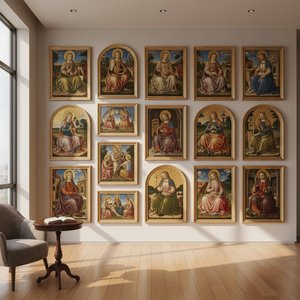
Fra Angelicos 25 Mästerverk: Upptäck Renässansens Andliga Skönhet | OriginalUniqueArt
Utforska Fra Angelicos 25 mest ikoniska mästerverk – en resa genom renässansens andliga skönhet. Upptäck historien bakom varje fresk och panelmålning. Köp museumkvalitativa konsttryck på OriginalUniqueArt.com.

Gothic Vibes: From Dark Shadows to Bold Modern Edge | The Ultimate Trend Forecast
Explore the evolution of Gothic vibes, from historical shadows to bold modern edge. Discover how dark aesthetics, noir interiors, and contemporary subcultures are redefining modern design through a high-impact, trend-focused lens.
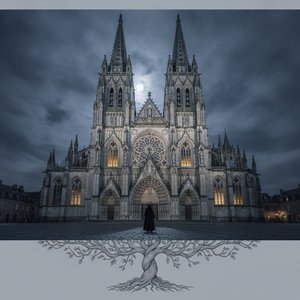
Shadows & Splendor: A Journey Through the Soul of Gothic Art and Architectural Grandeur
Embark on a profound journey through the spiritual intensity of Gothic art. Explore the architectural marvels, luminous stained glass, and sacred sculptures that define this era of grandeur and human devotion.
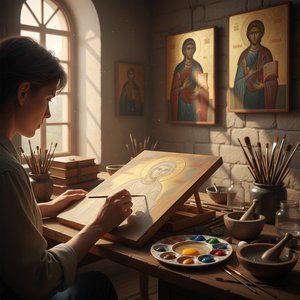
Illuminating Surfaces: A Comprehensive Exploration of Tempera on Panel Painting Techniques & Historical Significance
Explore the rich history & techniques of tempera painting! Discover Renaissance masters like Botticelli & Fra Angelico, conservation insights, and the enduring legacy of this captivating art form. Learn more now!
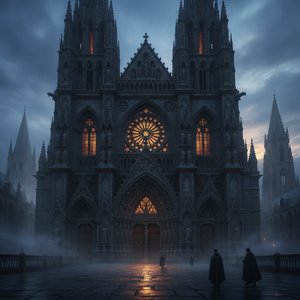
Gothic Art Guide for Hotel Designers: Leveraging Dramatic Shadows and Architectural Grandeur in Luxury Interiors
Elevate hospitality interiors with our expert guide to Gothic art. Discover how to leverage dramatic shadows, architectural grandeur, and high-end reproductions to create sophisticated, atmospheric hotel spaces that captivate guests.
