A Chronicle of Voices: Exploring the People’s History Museum
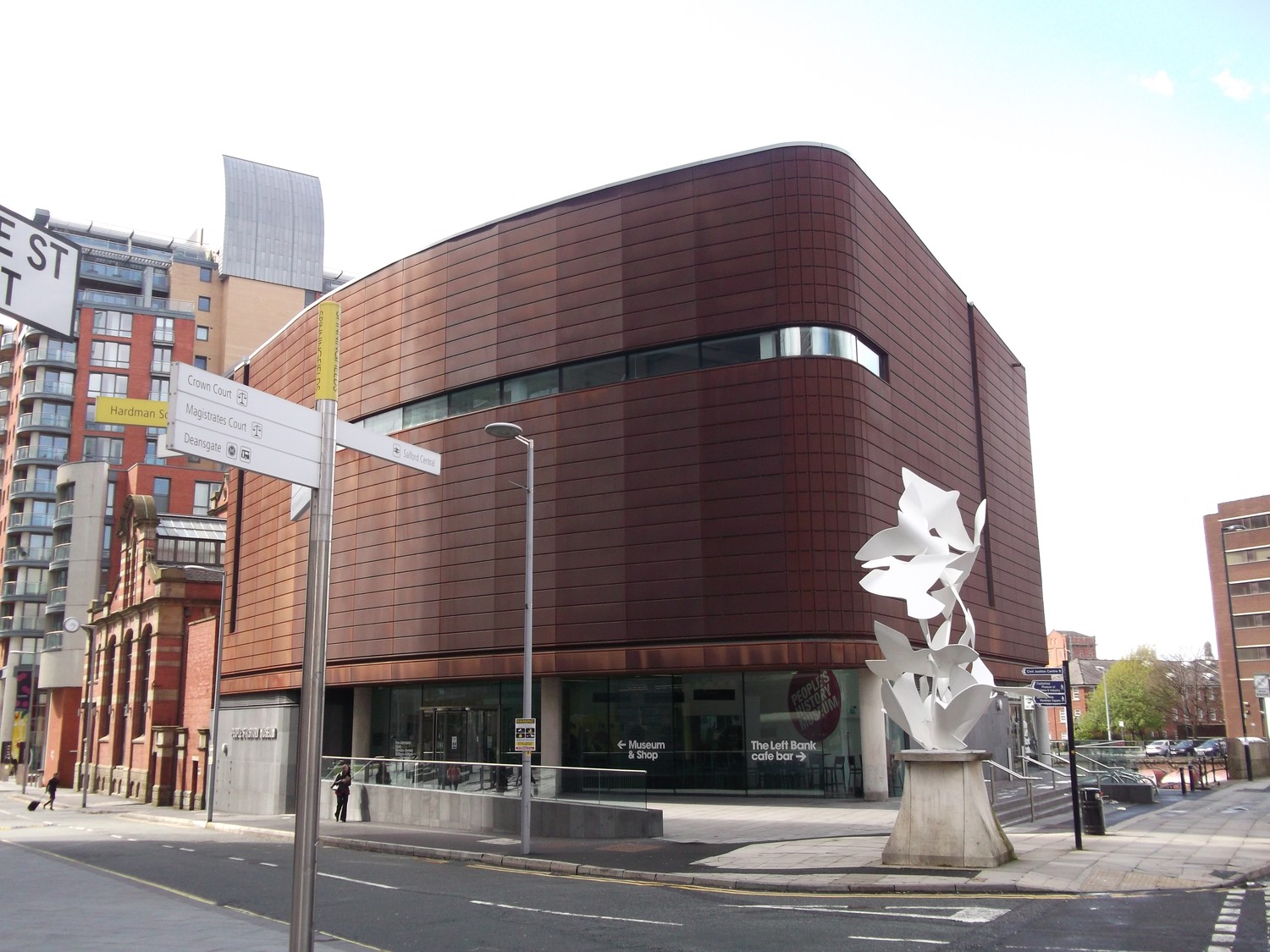
Nestled within a magnificent former hydraulic pumping station on Manchester's canal-side, the People’s History Museum isn’t merely a repository of artifacts; it’s a vibrant testament to the evolving story of British democracy. More than just a chronological display of dates and events, this museum breathes with the lived experiences of ordinary people – laborers, activists, suffragettes, trade unionists – whose collective struggles shaped the nation's social fabric. The building itself, a stunning example of late Victorian industrial architecture designed by Henry Price, immediately establishes a sense of grandeur and historical weight, its imposing scale mirroring the significance of the narratives within.
The museum’s core collection is remarkably diverse, beginning with an astonishing array of over 2,000 political posters spanning decades. These aren't simply advertisements for elections; they are potent visual arguments, capturing the fervor and anxieties of each campaign. Equally captivating is the world’s largest collection of trade union banners – a breathtaking tapestry of colors, symbols, and slogans that powerfully illustrate the solidarity and demands of working-class movements. Beyond these grand displays, the museum offers intimate glimpses into daily life through meticulously curated collections of tools, clothing, photographs, and personal letters, revealing the textures and rhythms of ordinary existence over two centuries. The Peterloo Massacre exhibit is particularly poignant, forcing visitors to confront a pivotal moment in British history – a tragic event that fueled calls for parliamentary reform and remains a haunting reminder of the fight for democratic rights.
Architectural Echoes: A Pump House Transformed
The museum’s location within the Grade II listed former hydraulic pumping station is integral to its identity. Originally established in 1975 as the National Museum of Labour History, it moved to this site in 1990 before settling into its current home. The building's industrial bones – massive iron beams, exposed brickwork, and a palpable sense of mechanical power – are cleverly juxtaposed with modern exhibition spaces. The dramatic 2010 redevelopment, overseen by Simpson Millar Architects, is arguably the museum’s most celebrated achievement. A sweeping glass walkway connects the original Pump House with a four-story extension, creating a visually arresting dialogue between past and present. This expansion not only significantly increased gallery space but also provided state-of-the-art conservation facilities – essential for preserving the delicate materials within the collection.
Voices of Change: Key Exhibitions & Themes
The People’s History Museum isn't confined to a static display; it actively seeks to engage visitors with contemporary issues. Exhibitions are frequently updated to reflect current debates surrounding social justice, inequality, and democratic participation. Notably, the museum has undertaken ambitious projects like “Play Your Part,” encouraging visitors to connect historical struggles with present-day challenges – prompting reflection on how past movements continue to resonate today. The Labour History Archive and Study Centre, housed within the museum, serves as a vital resource for researchers and anyone interested in delving deeper into Britain’s social history. The collection includes documents relating to Chartism, general elections, the First World War, women's suffrage, and the 1984–1985 miners’ strike – offering a comprehensive overview of pivotal moments in British labor history.
A Living Museum: Connecting Past & Present
What truly distinguishes the People’s History Museum is its commitment to remaining relevant. It's not simply a museum of relics; it’s a dynamic space dedicated to fostering dialogue and understanding. The museum actively collects contemporary material, ensuring that its narrative remains grounded in the realities of the 21st century. The ongoing efforts to acquire items like EdStone – the platform used by Labour to outline their manifesto pledges – exemplify this commitment to engaging with current political discourse. Ultimately, a visit to the People’s History Museum is an inspiring experience—a powerful reminder that the fight for equality and social justice remains an enduring legacy of British history.