

A Sanctuary of Healing and Renaissance Splendor: Discovering the Ospedale del Ceppo
Nestled within the sun-drenched hills of Tuscany, in the charming city of Pistoia, lies a place that transcends the typical museum experience – the Ospedale del Ceppo. More than just a repository of art and artifacts, it’s a living testament to centuries of compassion, architectural evolution, and the enduring spirit of human ingenuity. Founded as a hospital for the poor in 1277, this remarkable institution has gracefully transformed over time, weaving together medieval origins with Renaissance grandeur, creating an immersive journey through Italian history and artistic mastery.
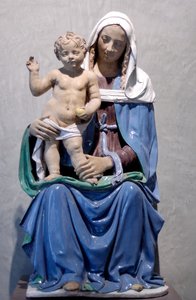
The Ospedale’s most arresting feature, and undoubtedly its crowning glory, is the Della Robbia frieze. Crafted between 1525 and 1528 by Santi Buglioni and his skilled workshop, this monumental terracotta panel dominates the hospital's loggia. It’s a vibrant narrative of the Seven Works of Mercy – feeding the hungry, giving drink to the thirsty, clothing the naked, visiting the sick, visiting the imprisoned, burying the dead, and comforting the afflicted. Each scene is rendered with breathtaking detail; the modeling is delicate, the colors luminous, evoking an almost ethereal quality that elevates the frieze beyond mere decoration. The inclusion of tondoes by Giovanni della Robbia – depicting scenes like the Annunciation and the Glory of the Virgin – adds layers of artistic richness, showcasing the collaborative spirit of Renaissance workshops and highlighting the masterful use of glazed terracotta. These works are not simply beautiful; they’re a profound expression of Christian values, offering a poignant reminder of humanity's capacity for empathy and service.
A History Etched in Stone: From Medieval Roots to Modern Museum
The story of the Ospedale del Ceppo is inextricably linked to the history of Pistoia itself. Initially established as “del Ceppo dei poveri” – “the offering trunk of the poor” – it quickly became a vital center for medical care, particularly following the devastating Black Death in 1348. The hospital’s evolution mirrors the changing architectural and medical landscapes of Italy. Significant renovations were undertaken in the 15th century by Michelozzo di Bartolomeo, incorporating Renaissance elements inspired by Florence's renowned Ospedale degli Innocenti – a deliberate nod to the ideals of humanist care and institutional design. The building’s resilience is palpable; it has weathered centuries of change, retaining its historical integrity through careful preservation and restoration. Exploring the *corsia di Sant’Atto*, a large ward dating back to the 16th century, offers a tangible connection to the hospital's original purpose – a space where healing and compassion were at the heart of daily life.
A Glimpse into the Evolution of Medicine
Beyond its artistic treasures, the Ospedale del Ceppo provides a fascinating insight into the evolution of medical practices. The museum’s collection of antique surgical instruments – ranging from delicate scalpels and forceps to more formidable devices like trephining tools – offers a sobering yet compelling glimpse into the challenges faced by physicians and surgeons throughout history. These objects are not simply relics; they represent milestones in our understanding of the human body, reflecting both the advancements and limitations of medical knowledge across different eras. The preserved Anatomical Theater, once used for medical training, stands as a silent witness to early anatomical studies – a space where dissection and observation laid the foundation for modern medicine. The museum thoughtfully contextualizes these artifacts, illuminating the intellectual debates and practical innovations that shaped the field.
A Unique Cultural Landmark: Art, History, and Humanism Converge
What truly sets the Ospedale del Ceppo apart is its seamless integration of art, history, and medicine. It’s a place where the beauty of Renaissance sculpture coexists with the sobering realities of historical healthcare, creating an immersive and thought-provoking experience. The building itself – a harmonious blend of medieval solidity and Renaissance elegance – speaks volumes about the enduring values of compassion, creativity, and human ingenuity. Whether you are an avid art collector seeking inspiration, an interior designer searching for evocative details to inform your designs, or simply a curious traveler eager to delve into Tuscany’s rich cultural heritage, the Ospedale del Ceppo promises an unforgettable journey – a testament to the power of preserving both the past and its lessons.
Further Exploration: For more information on related artworks, artists, and historical context, please visit our Madonna del Ceppo artwork page, explore the work of Giovanni della Robbia and Perino del Vaga , or delve deeper into the history of Pistoia at our Ospedale del Ceppo Museum Page .