


A Journey Through Time: The Musée des Beaux-Arts of Reims
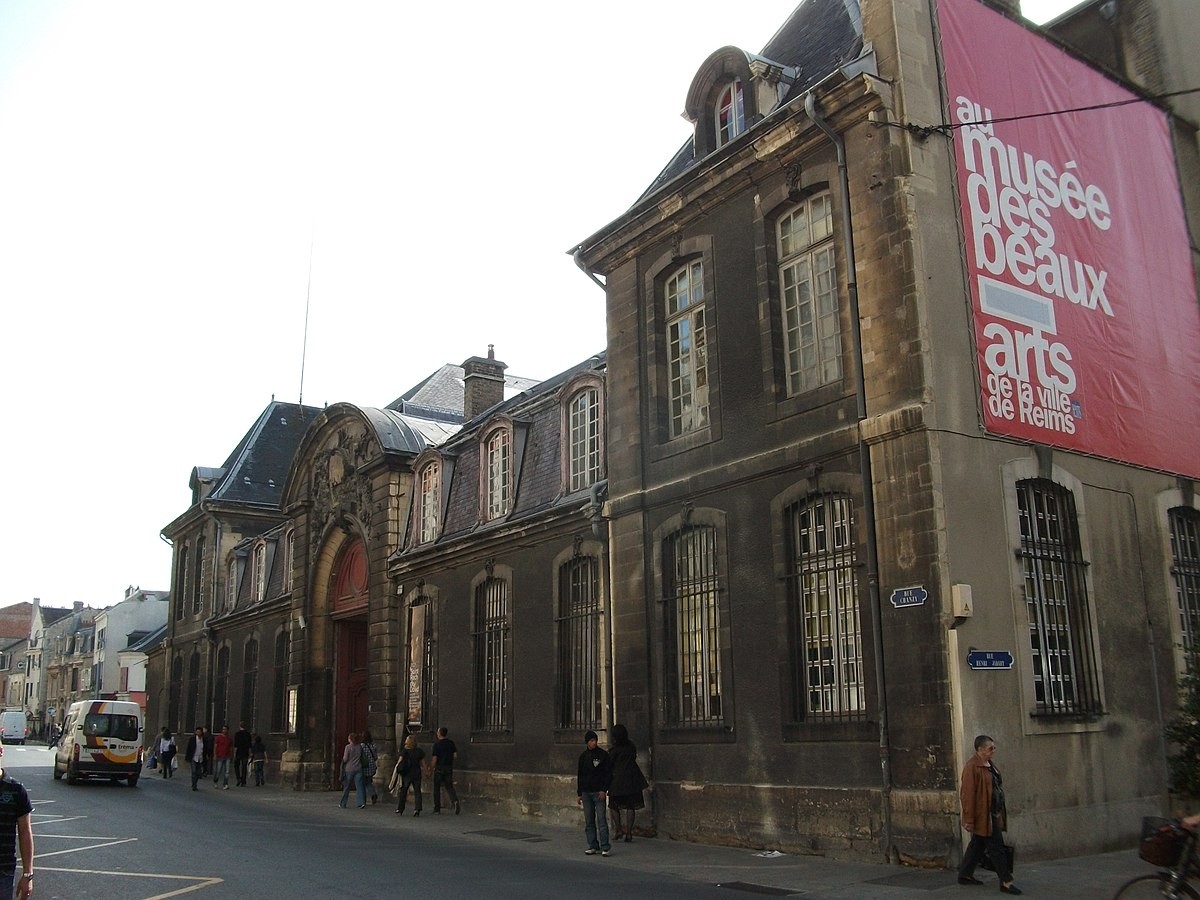
Nestled within the venerable walls of Saint-Denis Abbey, the Musée des Beaux-Arts in Reims offers a profoundly moving experience—a tangible connection to centuries of artistic evolution and French history. More than simply a repository of artworks, it’s a layered narrative, unfolding through Flemish masterpieces, the vibrant brushstrokes of Impressionism, and the rich tapestry of 17th and 19th-century French painting. Currently undergoing a transformative renovation slated for completion in 2026, the museum promises an even more immersive journey for visitors, building upon its already remarkable legacy.
The museum’s story is inextricably linked to the Abbey itself. Originally constructed in the 9th century as a royal residence and later serving as a district headquarters during the French Revolution, barracks for Russian troops, and finally a seminary, Saint-Denis has witnessed countless pivotal moments in French history. Its selection as the home for the Musée des Beaux-Arts in 1908 was a deliberate act—a recognition of the Abbey’s historical significance and its potential to provide an unparalleled setting for artistic contemplation. The very stones whisper tales of coronations, revolutions, and the enduring spirit of France.
A Flemish Renaissance & French Impressionism
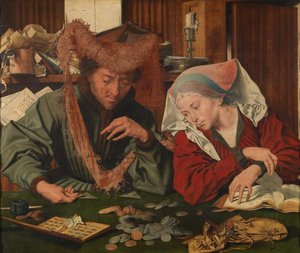
The museum's collection is a testament to both international influence and distinctly French artistic development. A significant portion of the museum’s holdings showcases the meticulous detail and realism characteristic of the Flemish Masters. Visitors can lose themselves in the luminous landscapes of Jan Brueghel the Elder, marveling at his ability to capture light and atmosphere with breathtaking precision. The collection boasts an impressive number of works by this school – a testament to Reims' historical ties to Flanders.
However, it is the museum’s representation of French Impressionism that truly captivates. Housing 27 canvases by Camille Corot—a staggering number second only to the Louvre—the Musée des Beaux-Arts offers an unparalleled opportunity to trace the evolution of this revolutionary movement. Alongside Corot's serene landscapes, visitors can encounter the vibrant palettes and fleeting moments captured by Claude Monet, immersing themselves in the very essence of Impressionist light and color. The collection also includes works by other key figures like Gustave Boulanger, a prominent figure in the development of French painting.
Beyond Painting: A Diverse Collection
While renowned for its paintings, the Musée des Beaux-Arts extends far beyond canvas and brush. The museum’s diverse holdings encompass a remarkable range of media, offering a holistic view of artistic expression throughout the centuries. Sculptures—from classical to modern—stand alongside meticulously crafted drawings, including a unique series of watercolor portraits by Lucas Cranach the Elder, revealing the artist's distinctive style and technical skill.
Engravings, furniture, and decorative arts further enrich the collection, providing valuable insights into the material culture of each era. The museum’s commitment to showcasing a complete artistic experience is evident in this breadth of holdings—a testament to its dedication to preserving and presenting the full spectrum of European art.
A Historical Setting & Ongoing Transformation
The Musée des Beaux-Arts isn't merely housed within a beautiful building; it’s situated within a living monument. The Abbey’s history, from royal residence to revolutionary headquarters, provides an unparalleled context for appreciating the artworks on display. This historical setting elevates the museum experience, inviting visitors to contemplate not only the art itself but also the social and political forces that shaped its creation.
The ongoing renovation project promises a revitalized museum experience, with expanded spaces designed to showcase the collection in new and engaging ways. With anticipated improvements to lighting, climate control, and visitor amenities, the Musée des Beaux-Arts is poised to continue inspiring generations of art lovers for years to come. The reopening in 2026 will undoubtedly mark a significant milestone in the museum’s rich history—a celebration of artistic heritage within a truly extraordinary setting.


