

A Sanctuary of Flemish Splendor and Surrealist Dreams
Nestled within the verdant embrace of Ghent’s Citadelpark, the Museum of Fine Arts (MSK) stands as a profound testament to the enduring power of human creativity. To enter this architectural marvel is to step into a dialogue between centuries, where the heavy, gilded grandeur of the Middle Ages meets the disquieting, dreamlike enigmas of the modern era. Designed by the visionary city architect Charles van Rysselberghe around 1900, the museum’s structure itself serves as a bridge between epochs. Following an extensive and meticulous restoration completed in 2007, the building breathes with a renewed vitality, offering a luminous stage where light and space are choreographed to enhance every brushstroke and sculpted curve.
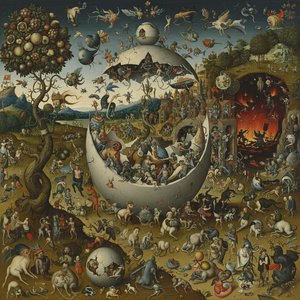
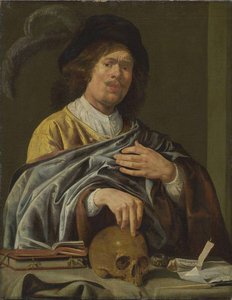
The soul of the MSK resides in its unparalleled collection of Flemish masterpieces, a treasury that traces the very evolution of Northern European art. Visitors find themselves ensnared by the breathtaking realism of Jan van Eyck , whose groundbreaking oil techniques brought a divine luminosity to the sacred. The museum’s halls whisper with the profound psychological depth of Hieronymus Bosch , whose unsettling yet mesmerizing visions of paradise and perdition continue to haunt and fascinate the contemporary imagination. This lineage of mastery is not merely a display of skill but a window into the spiritual and intellectual fervor that defined the Flemish tradition, making the museum an essential pilgrimage for those seeking to understand the roots of Western aesthetic identity.
Yet, the MSK refuses to remain anchored solely in the past. The collection undergoes a startling metamorphosis as one moves toward the 20th century, encountering the surrealist provocations of René Magritte . Here, the familiar is rendered strange; through his iconic canvases, such as the enigmatic The Treachery of Images , Magritte challenges the viewer to question the very nature of perception and truth. This juxtaposition of the meticulously detailed Flemish tradition with the cerebral, often paradoxical world of Belgian Surrealism creates a unique tension that is rare in museum settings. It is this seamless blend of historical reverence and avant-garde exploration that makes MSK a singular destination for collectors and connoisseurs alike.
Beyond its permanent treasures, the museum serves as a vibrant cultural epicenter through its rotating exhibitions and collaborative spirit. As a proud member of The Flemish Art Collection —a prestigious union with the museums of Antwerp and Bruges—the MSK offers a comprehensive narrative of regional heritage that transcends city limits. Whether admiring the soft, Impressionist light of Monet and Renoir or exploring the textured, contemporary fabric arts of Leslie Gabriëlse, every corner of the museum invites contemplation. For the interior designer or the lover of fine beauty, the MSK is more than a gallery; it is an infinite source of inspiration, where the echoes of history and the whispers of the future converge in a timeless dance of color and form.