
Sadržaj
Ključne informacije
- Alternate names: []
- Works on APS: 12
- Movements: art deco
- Location: Cornellà de llobregat, Spain
- Featured artists:
- paulí collado i martínez
- sergi boixader catot
- santiago yaniz aramendia (aviop)
- Ramon Casas Carbó
- gerardo j. cueto alonso
Izloženi umetnici

paulí collado i martínez
Discover Paulí Collado i Martínez (1932-2021), a celebrated Catalan sculptor renowned for his naturalistic iron sculptures inspired by nature. Explore his unique blend of traditional & modern styles and legacy in the Spanish art scene.


sergi boixader catot
Explore the captivating landscapes & nature photography of Sergi Boixader! Catalan artist known for stunning visuals & Pictostock collaborations. Discover his unique style.
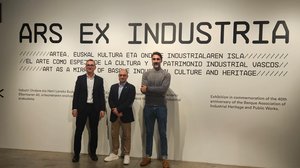
santiago yaniz aramendia (aviop)
Explore the captivating photography of Santiago Yaniz Aramendia (Aviop). Specializing in Basque landscapes, architecture & cultural heritage. Discover stunning imagery from this acclaimed Spanish artist.

Kviz o umetnosti
Svako pitanje ima samo jedan tačan odgovor.
Pitanje 1:
What is the primary focus of the Museu Agbar de les Aigües?
Pitanje 2:
The museum’s building originally served as:
Pitanje 3:
What notable architectural element is featured prominently in Casa Vicens, which is housed within the Museu Agbar de les Aigües?
Pitanje 4:
The Museu Agbar de les Aigües is recognized as part of:
Pitanje 5:
What type of machinery is showcased within the Museu Agbar de les Aigües?
Srodni članci
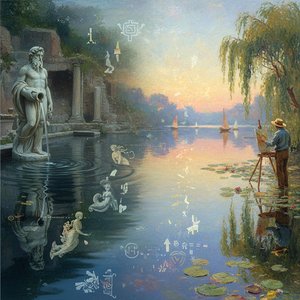
Fluid Reflections: Exploring Water's Symbolism in Art History – From Myth to Impressionism
Explore the rich symbolism of water in art history – from ancient myths to Impressionism's fleeting beauty. Discover masterpieces & find your perfect serene artwork with OriginalUniqueArt.com.

Capturing the Steam & Steel: Impressionist Visions of the Industrial Age
Explore the breathtaking intersection of industry and art. Discover how Impressionist masters captured the ethereal beauty of steam, steel, and light during the Industrial Age through evocative oil paintings and timeless techniques.
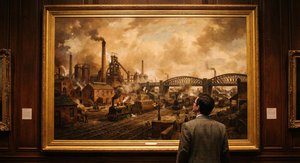
Industrial Revolution on Canvas: 10 Artworks That Define a Modern Aesthetic
Explore 10 iconic artworks capturing the Industrial Revolution’s grit & beauty. From Monet to Manet, discover realism, impressionism & powerful scenes of urban life. Find museum-quality reproductions for your home at OriginalUniqueArt.com.
Kolekcija umetničkih dela u Museu Agbar de les Aigües
Nema pronađenih umetničkih dela.