Fondation Custodia – A Sanctuary for Old Master Drawings
The Fondation Custodia – Frits Lugt Collection isn’t merely a museum; it's an immersion into the world of Northern European art history, housed within the opulent Hôtel Turgot in Paris. Established in 1947 by the visionary Dutch art historian Frits Lugt and his wife Jacoba Klever, this private institution represents more than just a repository of artistic treasures—it embodies Lugt’s lifelong dedication to preserving and sharing his extraordinary collection with discerning audiences.- A Legacy of Passion: Lugt's unwavering fascination for Rembrandt’s drawings fueled his ambition to create a space where scholarly research could flourish alongside genuine appreciation for art. His Institut Néerlandais, though sadly dissolved in 2013, served as an emblem of this ethos—a testament to the pursuit of knowledge and cultural exchange.
- Architectural Elegance: The Hôtel Turgot itself contributes significantly to the visitor experience. Dating back to the eighteenth century, its refined façade and interior spaces provide a backdrop that perfectly complements the delicate beauty of the artworks displayed within.
Collection Highlights – A World Stage for Graphic Art
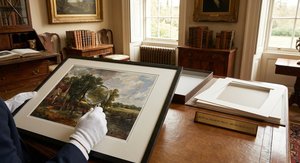
The Fondation Custodia’s collection boasts over 7,000 Old Master drawings and 15,000 prints—a veritable cornerstone for anyone interested in graphic art. Its focus on Dutch and Flemish Masters is particularly noteworthy, featuring extensive works by Rembrandt, Samuel van Hoogstraten, Ferdinand Bol, and countless others who defined the artistic landscape of their era. Beyond these luminaries, the collection encompasses Italian masterpieces from Domenico Beccafumi and Tiepolo, alongside French treasures attributed to Claude Lorrain and Antoine Watteau—artists whose styles captivated European sensibilities throughout the Baroque period. Approximately 450 paintings further enrich this panorama, showcasing diverse genres ranging from portraits conveying psychological depth to landscapes capturing sublime vistas and still lifes celebrating meticulous observation.- Distinctive Atmosphere: Unlike grand national museums, Fondation Custodia offers a quieter, more intimate encounter with art. Visitors can linger amidst the serene surroundings of Hôtel Turgot, fostering a connection with the artworks that transcends mere visual appreciation.
- Ongoing Exploration & Presentation: The Fondation’s commitment to artistic scholarship extends beyond its collection itself. Regular exhibitions and scholarly publications ensure that Lugt's legacy continues to inspire dialogue and deepen understanding of Northern European art history—a dynamic process that guarantees the museum’s relevance for generations to come.
A Singular Focus – Drawing as Artistic Expression
What distinguishes Fondation Custodia from other institutions is its unparalleled concentration on drawings and prints. This specialization reflects Lugt's profound conviction that these mediums possessed a unique capacity for conveying emotion and intellect—a perspective that resonates powerfully with contemporary art historians and collectors alike. The Institut Néerlandais’s closure underscored the importance of maintaining this focused approach, safeguarding Lugt’s pioneering vision.- A Celebration of Detail: Examining Lugt's meticulous cataloguing methods reveals his dedication to capturing every nuance of artistic technique and stylistic innovation. This scholarly rigor serves as an inspiration for curators striving to elevate the standards of art historical research.