

The Alchemy of Ink and Parchment: A Journey Through Time
To step into the Cambridge University Press Museum is to enter a sanctuary where the ephemeral nature of thought is rendered permanent through the tactile magic of print. Nestled within the venerable, scholarly heart of Cambridge, this institution offers far more than a mere retrospective of publishing; it provides an immersive odyssey into the very mechanics of human intellect. Since its inception in 1534—a year marked by the royal letters patent of King Henry VIII—the museum has served as a living testament to the enduring legacy of the written word. Here, the focus shifts away from the finished masterpiece to celebrate the profound beauty of the process itself, inviting visitors to witness the metamorphosis of raw idea into the structured elegance of the printed page.
The collection is a breathtaking tapestry of technological evolution and artistic precision. As one wanders through the galleries, the heavy, rhythmic presence of historic printing presses commands attention, standing as monumental instruments that once fundamentally reshaped global communication. These machines, alongside intricate models of typesetting, reveal the meticulous craftsmanship required to achieve typographic perfection. The museum’s treasures extend into the realm of the sacred and the seminal, featuring exceptional editions of biblical texts and rare volumes from the Press's formative centuries. To gaze upon these artifacts is to feel the weight of history, observing how the precision of Renaissance-era printing laid the groundwork for the modern dissemination of knowledge.
Beyond the mechanical, the museum excels in illuminating the delicate interplay between typography and visual aesthetics. Recent exhibitions have masterfully explored how designers utilize the marriage of font and illustration to enhance textual comprehension, turning a simple page into a work of graphic art. This dedication to the multidisciplinary nature of printmaking fosters a unique dialogue between the technical and the beautiful. For the collector or the lover of fine detail, the museum offers a profound connection to the origins of design, echoing the same meticulous attention to texture and form found in the great landscapes of the Dutch Golden Age or the organic complexities of contemporary botanical art.
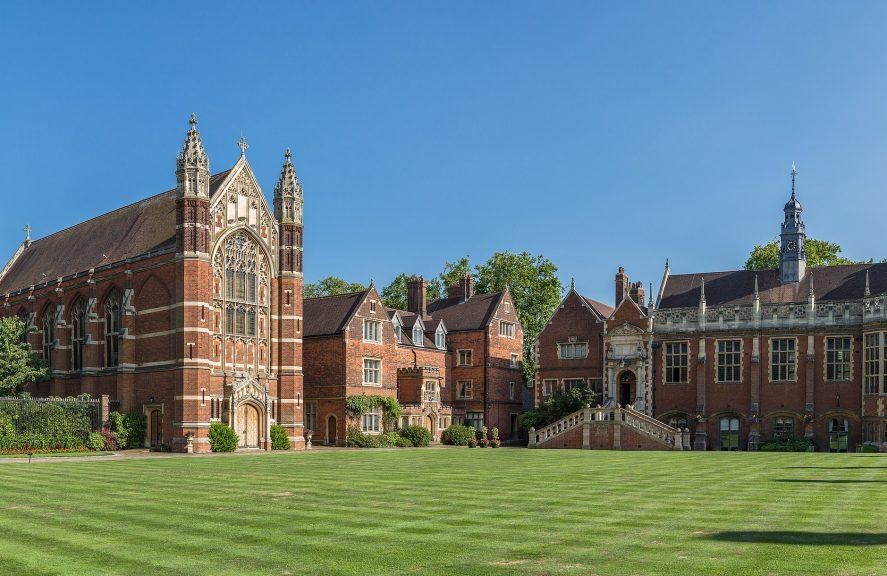
The architectural setting of the museum further enhances this atmosphere of intellectual vibrancy. Situated within a city synonymous with academic tradition, the space acts as a bridge between the storied past and our digital present. It is a place where researchers and enthusiasts alike can engage with the living history of one of the world's oldest university presses. By championing the intricate stages of book production—from initial design considerations to the final press run—the Cambridge University Press Museum ensures that the transformative power of printmaking remains not just a memory, but a vibrant, breathing part of our cultural identity.