Portret William Pars

Slike umetnika William Pars: Najpoznatijih 4 kroz oči galerije

Ažurirano: октобар 2026 · rangirano prema našem koeficijentu popularnosti (pretrage, posete i porudžbine za svako delo) · 4 dela William Pars u našem katalogu

Ukratko

Za ljubitelje galerije, najpoznatije delo umetnika William Pars je Landscape With Figures At An Open Air Meal (1771), čiji se original nalazi u muzeju Birmingham Museum and Art Gallery, Birmingem. The Grotto at Posillipo (1780) i A View From The King's Palace, Island Of Procita (1781) čine triju koju svako oko prepoznaje. Od 4 dela umetnika William Pars u našem katalogu, galerija u nastavku predstavlja 4 najpoznatijih dela, od kojih je svako originalno, sa navedenom godinom nastanka, muzejom i onim što ga čini jedinstvenim.

1742 – 1782, London Najviše dela: Birmingham Museum and Art Gallery

Top 10 slika umetnika William Pars u galeriji

4
Ледник Роне и извор Роне (1770) čiji je William Pars

Ледник Роне и извор Роне

1770 · Akvarel · British Museum, London

William Pars’s Rhône Glacier: A Window Into Alpine Romanticism The watercolor painting “The Rhône Glacier and the Source of the Rhône” by William Pars, completed in 1770, stands as a remarkable testament to the burgeoning Alpine Romantic movement. More than just a topographical depiction—though meticulously detailed—it embodies an emotional response to the grandeur of nature that would define the era’s artistic sensibilities. Held within the British Museum's collection, this artwork…

Muzeji u kojima se čuvaju originalna dela umetnika William Pars

2 muzeja u kojima se nalazi najviše slika sa ove stranice.

Muzej Grad Radovi umetnika William Pars Slike iz ovog spiska
Birmingham Museum and Art Gallery, BirmingemBirmingham Museum and Art Gallery Birmingem 3 Landscape With Figures At An Open Air Meal, The Grotto at Posillipo, A View From The King's Palace, Island Of Procita
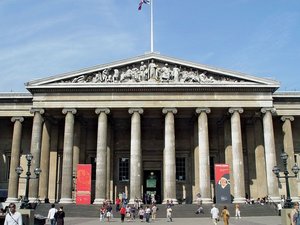
British Museum, LondonBritish Museum London 1 Ледник Роне и извор Роне

William Pars, najprepoznatljivija dela svake godine

Karijera umetnika William Pars na ovoj stranici traje 12 godine, od 1770 do 1781: svaka godina je prikazana sa njegovim najpoznatijim originalima.

Radovi po godinama

Izaberite godinu da biste videli originalna dela.

Slike umetnika William Pars: odgovori galerije

Koja je najpoznatija slika umetnika William Pars?Otkrij odgovor

Landscape With Figures At An Open Air Meal (1771), Birmingham Museum and Art Gallery, Birmingem. Slede The Grotto at Posillipo (1780) i A View From The King's Palace, Island Of Procita (1781).

Koliko je godina imao/la William Pars kada je dovršio/la Landscape With Figures At An Open Air Meal?Otkrij odgovor

29 godina: Landscape With Figures At An Open Air Meal datira iz 1771, a William Pars je rođen/a 1742.

Koliko je dela stvorio/la William Pars?Otkrij odgovor

Naš katalog sadrži 4 dela umetnika William Pars, datiranih od 1770 do 1781.

Gde se nalaze najpoznatiji originali umetnika William Pars?Otkrij odgovor

Većinom u Birmingham Museum and Art Gallery (Birmingem) i British Museum (London). Tabela muzeja iznad sadrži njih sve.

Koja su najranija i najkasnija poznata dela umetnika William Pars?Otkrij odgovor

Na ovoj stranici, najstarije delo je iz Ледник Роне и извор Роне (1770), a najnovije iz A View From The King's Palace, Island Of Procita (1781).

Koje originale umetnika William Pars poseduje Birmingham Museum and Art Gallery?Otkrij odgovor

Landscape With Figures At An Open Air Meal, The Grotto at Posillipo i A View From The King's Palace, Island Of Procita: Birmingham Museum and Art Gallery, Birmingem čuva 3 dela sa ove stranice.

William Pars: umetnik

Early Life and Artistic Training

William Pars (1742 – 1782) emerged from the bustling intellectual landscape of London, born into a family steeped in craftsmanship—his father was a metal engraver—a profession that instilled in him an appreciation for precision and detail. Recognizing his innate talent for drawing, Pars pursued formal artistic education at Shipley’s Drawing School and St Martin's Lane Academy, institutions renowned for fostering the burgeoning neoclassical aesthetic. Crucially, he benefited from instruction under Henry Howard Richmond, Duke of Richmond’s Gallery, gaining invaluable experience in observing and replicating classical forms—a formative influence that would permeate his subsequent oeuvre.

Greek Antiquities: Pioneering Exploration

Pars's artistic journey took a decisive turn with the invitation to accompany Richard Chandler and Nicholas Revett on an expedition to Greece commissioned by the Dilettanti Society in 1764. This ambitious undertaking wasn’t merely a sightseeing trip; it represented a concerted effort to revive classical scholarship and disseminate knowledge of Greek culture amongst British intellectuals. Pars meticulously documented the ruins of Athens and Corinth, producing breathtaking watercolor drawings that captured the grandeur of ancient monuments and temples with remarkable accuracy. These drawings formed the cornerstone of ‘Ionian Antiquities,’ a four-volume publication that became a seminal work in the field of archaeology and cemented Pars’s reputation as a visionary explorer and artist.

Royal Academy Membership and Artistic Development

Pars's dedication to artistic excellence culminated in his election as an Associate Member of the Royal Academy in 1770, marking a significant milestone in his career. From this vantage point, he continued to contribute prolifically to the Academy’s exhibitions until 1776, primarily focusing on portraiture—a genre that allowed him to hone his skills in capturing psychological nuance and conveying emotion through subtle tonal variations. His artistic style evolved throughout these years, reflecting the prevailing trends of the Enlightenment while maintaining a distinctive sensitivity to light and color. Notably, he studied alongside fellow artists like John Warwick Smith and Francis Towne at Rome’s Accademia di Belle Arti, absorbing influences from the Baroque tradition and experimenting with innovative techniques.

Notable Works and Legacy

Pars's artistic output encompassed a diverse range of subjects—landscapes, portraits, and genre scenes—each executed with meticulous detail and imbued with atmospheric subtlety. Among his most celebrated paintings are ‘The Rhône Glacier,’ a dramatic depiction of the Swiss Alps showcasing Pars’s masterful command of watercolor pigments; ‘A Roman Monument at Igel,’ reflecting his fascination with classical ruins; and ‘The Source of the Rhône,’ capturing the serene beauty of the Rhone Valley. His drawings were reproduced extensively for scholarly publications, notably ‘Ionian Antiquities,’ ensuring that his contribution to Greek archaeology would endure for generations. Furthermore, William Woollett engraved several Swiss landscapes from Pars’s collection, preserving these visual records as invaluable artifacts of eighteenth-century art and scientific inquiry. Pars's legacy resides not only in his artistic achievements but also in his role as a catalyst for intellectual curiosity and cultural revival—a testament to the transformative power of art and scholarship intertwined.