Ukiyo-e, one artist at a time
39 Famous Ukiyo-e Umetnici Who Shaped the Movement
Кацушика Хокусај (1760–1849) is the most famous Ukiyo-e umetnik, whose singular vision gave us Fuji, Planine u Jasnom Vremenu (Crveni Fuji) i Велики плавакс Кангаве. Next stand Хирошиге, Kitagawa Utamaro, Tsukioka Yoshitoshi i Torii Kiyonaga. These 39 umetnici, from Hišikava Moronobu (born 1618) to Goyō Hashiguchi (born 1880), came from 2 countries.
Our selection. Artists whose works our catalogue attaches to Ukiyo-e, in the order of our fame ranking. Artists born after 1955 with no Wikidata identifier stay out until verified. The Wikipedia figure counts our 32 languages with an article on the artist.


In brief
Ukiyo-e in brief
- 39Umetnici
- 1618–1880Godine rođenja
- 2Države porekla
- 0Žene
- 1Živi umetnici
- 5.896Radovi u našem katalogu
- Muzeji koji poseduju najznačajnija dela
- Bujalance Collection (11), Metropoliten музеј у Њујорку (10), Keio University Library (10), Minneapolis Institute of Art (4)
One artist at a time
39 Ukiyo-e Umetnici and their signature works


2of 39
Хирошиге 1797–1858
Japanac Born in Edo Ukiyo-e Wikipedia in 30/32 languages

Utagawa Hiroshige, rođen kao Andō Tokutarō 1797. godine u užurbanom gradu Edo (moderni Tokio), predstavlja ključnu figuru u svetu ukiyo-e umetnosti, ili „slika plivajućeg sveta“. Serija „Pedeset i tri stanice Tokaido puta“ (1833–1834), možda njegovo najslavnije dostignuće, oličava ovaj pristup.


3of 39
Kitagawa Utamaro 1753–1806
Japanac Born in Кавагое Ukiyo-e Wikipedia in 27/32 languages

Veruje se da je rođen kao Kitagawa Ichitarō oko 1753. godine, mada njegovo rodno mesto ostaje misterija, uz različite teorije koje ukazuju na Kjoto, Osaku, Yoshiwaru (Edo) ili Kawagoe. Njegov umetnički put počeo je pod mentorstvom Toriyama Sekiena, majstora ukiyo-e koji je bio obučen i u prestižnoj Kano školi slikarstva. Godine 1782, Utamaro je sklopio ključno partnerstvo sa izdavačem Tsutaya Jūzaburōom, što je predstavljalo prekretnicu u njegovoj karijeri.


4of 39
Tsukioka Yoshitoshi 1839–1892
Japanski Born in Edo Ukiyo-e Wikipedia in 15/32 languages
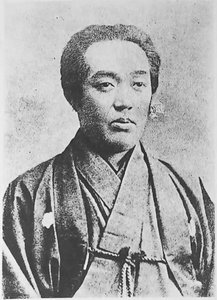
Rođen kao Owariya Yonejiro 30. aprila 1839. godine, čovek koji će kasnije postati poznat kao Tsukioka Yoshitoshi, ušao je u svet koji je bio u stalnom kretanju. Njegov život obeležila je tranzicija identiteta, jer je koristio i ime Taiso Yoshitoshi. Živeo je kroz kraj Edo perioda i početak ere Meiji, u vreme kada se sama struktura japanskog društva ponovo tkala pod uticajem brze modernizacije i zapadnih ideja.


5of 39
Torii Kiyonaga 1752–1815
Japanac Born in Edo Ukiyo-e Wikipedia in 16/32 languages

Rođen kao Sekiguchi Shinsuke 1752. godine, u užurbanom srcu Edo perioda (današnji Tokio), Torii Kiyonaga se istakao kao jedan od najslavnijih majstora ukiyo-e umetnosti, poznate kao „slike floating world-a“ ili „slike plutajućeg sveta“. Kao sin knjižara, Kiyonagin rani život omogućio mu je pristup kulturnim strujama društva Edo, negujući poštovanje prema njegovim živopisnim zabavnim četvrtima i rafiniranom ukusu stanovništva.


6of 39
Утагава Кунијоши 1798–1861
Јапанац Born in Токио Укијо-е Wikipedia in 24/32 languages

Pupil of Utagawa Toyokuni I #13 · Teacher of Utagawa Yoshitora #32, Kawanabe Kyōsai #11


7of 39
Сузуки Харунобу 1724–1770
Japanski Born in Edo Ukiyo-e Wikipedia in 21/32 languages

Rođen oko 1725. godine, njegova porodična istorija bila je obeležena raseljavanjem; i njegov otac, Shigekazu, i njegov deda, Shigemitsu, bili su izgnani iz Edoa u Kijoto. Crpeći inspiraciju iz stilova koje su predstavljali Torii Kiyomitsu i Ishikawa Toyonobu, on je istovremeno upijao elemente škola Kawamata i Kanō.


8of 39
Hišikava Moronobu 1618–1694
Japanski Born in Hota Ukiyo-e Wikipedia in 20/32 languages
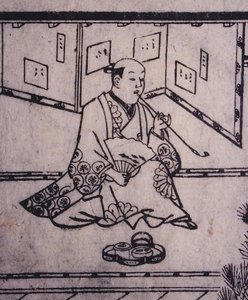
Hišikava Moronobu, rođen u Edo periodu (moderni Tokio) 1618. godine, predstavlja ključnu figuru u istoriji japanske umetnosti. Edo period (1603–1868) svedočila je procvatu urbane kulture, podstaknutog ekonomskim prosperitetom i relativnim mirom. Pojavila se nova klasa bogatih trgovaca, željnih zabave i samoizražavanja, a Hišikava Moronobu je oštrumom prepoznao tu potrebu.


9of 39
Utagawa Kunisada 1786–1865
Japanac Born in Edo Ukiyo-e Wikipedia in 17/32 languages

Utagawa Kunisada, rođen kao Sumida Shōgorō IX u živopisnom distriktu Honjo u Japanu, stoji kao verovatno najslavljeniji ukiyo-e umetnik 19. veka. Njegov plodni rad i neprevaziđeni komercijalni uspeh učvrstili su njegov položaj titana među savremenicima—Hiroshegijem, Hokusaijem i Kuniyoshijem—postavivši ga kao nedisputivog šampiona kolorisane drvorezne štampe tokom perioda Edo.
Pupil of Utagawa Toyokuni I #13


10of 39
Čobunsai Eiši 1756–1829
Japanski Born in Tokio Ukiyo-e, Bijin-ga Wikipedia in 11/32 languages

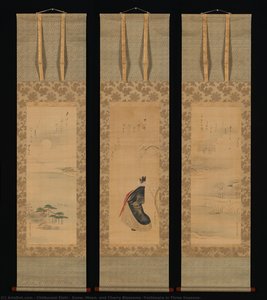
Čobunsai Eiši (1756–1829), poznat i kao Hosoda Tokitomi, predstavlja ključnu figuru u živopisnom svetu Edo period-a japanske umetnosti. Njegove rane godine obeležio je rad na dvoru Tokugave, pozicija koju je napustio 1789. godine kako bi se potpuno posvetio svojoj strasti: hvatanju izuzetne lepote žena i evocativnih narativa klasične književnosti.


11of 39
Kawanabe Kyōsai 1831–1889
Japanese Born in Koga Ukiyo-e, Caricature, Manga pioneer Wikipedia in 10/32 languages

In 1874, he helped create what is considered the first manga magazine, Eshinbun Nipponchi, alongside Kanagaki Robun.


12of 39
Keisai Eisen 1790–1848
Japanese Born in Edo Bunsei Era Ukiyo-e Wikipedia in 15/32 languages

This shift defined the aesthetic of the Bunsei era (1818–1830), a period often characterized by its decadent and psychologically complex atmosphere.


13of 39
Utagawa Toyokuni I 1769–1825
Japanese Born in Shiba Ukiyo-e Wikipedia in 13/32 languages

He didn’t seek to revolutionize ukiyo-e overnight; instead, he embarked on a period of intense study, focusing intently on the works of masters like Utamaro, Chōbunsai Eishi, and Eishōsai Chōki. He wasn't simply copying their styles but rather dissecting them, understanding their strengths, and ultimately synthesizing them into something uniquely his own. While Sharaku is often lauded by modern art historians for his psychological insight, it was Toyokuni who captured the hearts of the Edo public.
Teacher of Utagawa Kunimasa #15, Utagawa Kunisada #9, Utagawa Toyokuni II #35


14of 39
Hiroshige I (Utagawa) 1797–1858
Japanese Born in Tokio Ukiyo-e

Hirošige I, Utagawa & Kiemon, Tsuruya, jedan od najčuvenijih japanskih umetnika ukiyo-e stilom, ostao je upamćen prvenstveno po svojim pejzažima, kao što su Pedeset tri stanice Tokaido i Šezdeset devet stanica Kiso Kaido. Umetnički izraz Hirošigea I, Utagawa & Kiemona, Tsuruye prepoznatljiv je po upotrebi živopisnih boja i detaljnim prikazima prirodnih predela.


15of 39
Utagawa Kunimasa 1773–1810
Japanese Born in Aizuwakamatsu Utagawa School

He served as a vital link in the evolution of Japanese printmaking, helping to refine the stylistic language that would later be perfected by masters like Hiroshige and Kuniyoshi. His prints remain much more than historical artifacts; they are windows into the heart of Edo culture, reflecting a period of unparalleled artistic innovation and social vibrancy. In the bustling, neon-lit atmosphere of Edo-period Japan, few artists captured the electric pulse of urban life as evocatively as Utagawa Kunimasa.


16of 39
Nishikawa Sukenobu 1671–1750
Japanese Born in Kyoto Ukiyo-e Wikipedia in 9/32 languages

These works demonstrate his versatility as an artist and underscore his commitment to exploring diverse artistic mediums—a testament to his intellectual curiosity and artistic ambition. Legacy & Recognition: Nishikawa Sukenobu’s enduring legacy resides in his contribution to Japanese art history, particularly his groundbreaking portrayal of women. Influence on Subsequent Artists: Sukenobu’s influence extended far beyond his own lifetime, inspiring subsequent generations of printmakers like Suzuki Harunobu and Kitao Shigemasa.


17of 39
Sharaku
Japan ukiyo-e Wikipedia in 19/32 languages

Despite the mystery surrounding his true identity, his work has been recognized for its mastery of the medium. His reputation rests largely on his earlier prints, while his later output is often considered to have a declining artistry. Sharaku's technique involved the use of woodblock prints, sometimes employing extravagant methods such as the dusting of mica in the backgrounds to create a glittering effect.


18of 39
Utashige
Japanese Ukiyo-e

He often incorporated poetic verses – haiku – into his compositions, adding layers of meaning and inviting viewers to contemplate the deeper significance of the scenes depicted. Hiroshige’s prints are not simply images; they are windows into the soul of Japan. Hiroshige’s reputation solidified with his Fifty-three Stations of the Tōkaidō (1833–1834), a horizontal-format series depicting the journey along the main road connecting Edo to Kyoto.


19of 39
Miyagawa Chōshun 1683–1753
Japanese Born in Miyagawa Ukiyo-e Wikipedia in 9/32 languages

The works of Chōshun are instantly recognizable for their evocative atmosphere and tender execution. His subjects—often the elegant courtesans of the pleasure districts—were depicted with a fuller, more voluptuous grace than the slender, stylized figures seen in the works of later artists like Harunobu. His pupils, including his son Miyagawa Isshō and the talented Miyagawa Chōki, carried forward his dedication to depicting the tastes and textures of urban life.


20of 39
Goyō Hashiguchi 1880–1921
Dutch Born in Kagoshima Post-Impressionism

Goyō’s initial foray into the art world wasn't through printmaking but rather illustration. He gained recognition for his work on Natsume Sōseki’s celebrated novel, I Am a Cat, and subsequently illustrated works by other prominent authors like Futabatei Shimei, Tanizaki Jun'ichirō, and Nagai Kafū. Despite his frail health, exacerbated by beriberi, Goyō continued to produce prints at a remarkable pace from 1915 until his untimely death in 1921 at the age of forty-one.


21of 39
Isoda Koryūsai 1735–1790
Japanese Born in Tokyo Ukiyo-e Wikipedia in 10/32 languages

Establishing himself near the iconic Ryōgoku Bridge in 1769, he positioned himself at the epicenter of Edo's entertainment and commercial life.


22of 39
Ogata Gekko 1859–1920
Japanese Born in Tokyo Ukiyo-e, Nihonga Wikipedia in 9/32 languages

His most celebrated series, “One Hundred Views of Mount Fuji” (1896-1905), exemplifies his mastery. Beyond Mount Fuji, he produced numerous other series, including “Bijin Meisho Awase” (Beautiful Women in Famous Places), offering intimate glimpses into Japanese society and daily life, and dramatic triptychs depicting historical events like the Iwakura Taiko incident – a pivotal clash between Japanese and Western powers. His exposure to European art through scholars like Ernest Fenellosa and Okakura Kakuzō further broadened his artistic horizons.


23of 39
Kobajashi Kijočika 1847–1915
Japanac Born in Tokio Ukiyo-e, Kōsen-ga Wikipedia in 10/32 languages

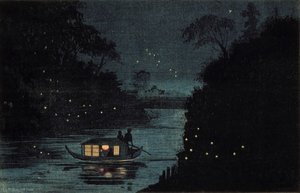
Rođen u Tokiju 1847. godine, u završnim danima Japana ere Edo, Kobayashi Kiyochika se pojavio kao ključna figura u umetničkoj tranziciji svoje nacije. Teret porodične odgovornosti pao je na mladog Kiyochiku nakon smrti oca 1862. godine, primoravajući ga da se prilagodi i izgradi sopstveni put. Umetnički razvoj Kiyochike su duboko oblikovali izloženost zapadnim umetničkim tehnikama, naročito kroz studije kod Charlesa Wirgmana, britanskog karikaturiste koji je živeo u Japanu.
Pupil of Kawanabe Kyōsai #11


24of 39
Adachi Ginko rođen 1853
Japanese Ukiyo-e

In the vibrant, transformative era of the late Meiji period, few artists captured the shifting soul of Japan as vividly as Adachi Ginkō.


25of 39
Toyohara Chikanobu 1838–1912
Japanese Shin-hanga

In the twilight of the Edo period and the dawn of a modernizing Japan, few artists captured the profound tension between tradition and transformation as masterfully as Toyohara Chikanobu. While his real name, Hashimoto Naoyoshi, whispered of a more private existence, his artistic persona commanded the attention of a nation undergoing rapid metamorphosis. Born in 1838, an era of profound cultural shifts, Chikanobu—often recognized by his art name Yōshū Chikanobu —emerged as a monumental figure in the world of Japanese woodblock printing.


26of 39
Utađgawa Tojihiro 1773–1828
Japanese Born in Toyooka Ukiyo-e Wikipedia in 8/32 languages

Born as Okajima Tōjiro in Toyooka, Japan, this distinguished artist emerged as a pivotal figure within the renowned Utagawa school.


27of 39
Mizuno Toshikata 1866–1908
Japanese Born in Tokyo Ukiyo-e, Kuchi-e

He was particularly renowned for his bijin-ga – portraits of beautiful women – which he approached with a keen eye for capturing not just physical beauty but also the inner lives and emotions of his subjects. He skillfully employed subtle gradations of tone to create atmospheric effects and to convey nuanced emotional states. His career gained momentum in 1887 when he secured a position as an illustrator for the Yamato shinbun newspaper.


28of 39
Ishikawa Toyonobu 1711–1785
Japanese Born in Tokyo Ukiyo-e (Lacquer Print Art) Wikipedia in 7/32 languages

A hallmark of these compositions was a deliberate stillness, an impassivity in the faces of the subjects reminiscent of the Kaigetsudō school's aesthetic.


29of 39
Kogyo Sakamaki 1869–1927
Japanese Noh Theatre Prints

He was awarded a prize at the Panama Pacific International Exposition in San Francisco in 1915 for his woodcut “The Horse Market at Kiso,” cementing his reputation as one of Japan's foremost printmakers. Technique & Style: Sakamaki employed a distinctive watercolor -like technique, layering translucent washes to achieve luminous effects that captured the subtle nuances of Noh theatre—a stylistic innovation that distinguished him from his contemporaries.


30of 39
Hokkei 1780–1850
Born in Tokyo Wikipedia in 8/32 languages

While Hokkei produced a variety of ukiyo-e subjects – including landscapes, bird-and-flower paintings, and scenes from daily life – he is perhaps best known for his illustrations of Murasaki Shikibu's monumental novel, The Tale of Genji. He was undoubtedly influenced by earlier masters of ukiyo-e, particularly Kanenobu and the traditions of Edo period painting.


31of 39
Sadatora
Japanese Born in Tokyo Ukiyo-e

Born around 1825 in the bustling metropolis of Tokyo, Sadatora was more than just a practitioner of woodblock printing; he was a poet of the atmospheric and the transient. His formative years were spent under the rigorous and inspiring tutelage of masters such as Utagawa Yoshitora and Kunisada. The career of Utagawa Sadatora, spanning roughly from 1818 to 1844, coincided with a period of profound cultural transition in Japan.


32of 39
Utagawa Yoshitora

Utagawa Yoshitora, a name resonating within the vibrant world of ukiyo-e, stands as a compelling figure whose career bridged traditional Japanese artistry with an increasingly globalized aesthetic. While his work may not be as widely recognized as that of Hokusai or Kuniyoshi, Yoshitora’s contributions are increasingly appreciated by scholars and collectors alike.


33of 39
Tojohara Kuničika 1835–1900
Japanac Born in Edo Ukiyo-e (Yakusha-e, Bijinga) Wikipedia in 10/32 languages

Tojohara Kuničika, čuveni japanski umetnik drvoreza, rođen je 30. juna 1835. godine. Prepoznat po svom izuzetnom talentu još u mladosti, sa samo trinaest godina postao je učenik Utagave Kunisade, vodećeg majstora grafike u Tokiju. Portret glumca (1880) - vrhunski primer Kuničikinog jakusha-e stila.
Signature works · The 100 signature works
 Print commemorating the death of the actors Segawa Michinojo and Bando Mitsugoro
 The kabuki actors (right to left) Ichimura Kakitsu IV as Asahina Tobei, Nakamura Shikan IV as Washi no Chokichi and Sawamura Tosshi II as Yume no Ichirobei, IV/1868
 Artisans, Beauties, and Annual Events
- 11All 11 works by Tojohara Kuničika
34of 39
Utagawa Kunisada Ii 1823–1880
Japanac Born in Tokio Ukiyo-e (yakusha-e) Wikipedia in 6/32 languages

Pogledajte umetnička dela Utawaka Kunisade II na AllPaintingsStore.com. Istražite Hokkaido muzej moderne umetnosti (Japan) na AllPaintingsStore.com.


35of 39
Utagawa Toyokuni II 1777–1835
Japanese Ukiyo-e Wikipedia in 4/32 languages

This ambitious undertaking demanded exceptional artistic skill and logistical organization, cementing Hiroshige’s reputation as a visionary artist who could transform ordinary scenes into sublime expressions of beauty. Technique & Style: Hiroshige’s prints are distinguished by their subtle tonal gradations achieved through layering multiple blocks of color.
Pupil of Utagawa Toyokuni I #13


36of 39
Utagawa Yoshitaki 1841–1899
Japanese Born in Osaka Ukiyo-e Wikipedia in 4/32 languages

He mastered the complex techniques of nishiki-e (錦絵), utilizing multiple woodblocks to achieve a full spectrum of hues – a significant advancement over earlier monochrome or limited-color prints. The influence of Kuniyoshi is evident in Yoshitaki’s bold outlines and dramatic lighting, but he developed a distinctly personal style characterized by a remarkable sensitivity to human expression. Ichiyosai Yoshitaki’s prolific output provides an invaluable window into 19th-century Japanese society.


37of 39
Utagawa Kunitsuna Ii, Ichiransai, Sadashige
Japanese Ukiyo-e

Pinpointing Kunitsuna’s artistic lineage proves challenging due to the limited documentation surrounding his early career. However, scholars believe he was heavily influenced by earlier masters of bijin-ga such as Kitagawa Utamaro and Keisai Eisen.


38of 39
Utagawa Yoshikazu
Japanese Born in Edo Ukiyo-e, Yokohama-e Wikipedia in 3/32 languages

As with most Ukiyo-e artists of his time, Yoshikazu employed the traditional collaborative process of woodblock printing. He demonstrated a particular mastery of capturing textures and materials, from the sheen of Western fabrics to the rough surfaces of Japanese buildings.


39of 39
Shunkōsai Hokushū
Japanese Born in Osaka Kamigata-e Wikipedia in 3/32 languages

Shunkōsai Hokuchō (春曙斎 北頂), born around 1802 in Osaka, Japan, stands as a fascinating figure within the vibrant tapestry of Edo-period art history. Early Life & Training: Hokuchō’s formative years were spent under the tutelage of Shunkōsai Hambei, a respected Osaka artist who instilled in him foundational skills in woodblock printing and design. While Hokuchō may not command the same level of fame as Hokusai or Hiroshige, his quiet mastery of tsukuri-e and his profound understanding of theatrical emotion solidified his place as a pivotal figure in Osaka’s artistic heritage.


Signature works
Signature Ukiyo-e works
A timeline
Ukiyo-e through its signature works
- 1667
- 1776
- 1809
- 1825
- 1825
- 1827
- 1831
- 1850
- 1855
- 1870
- 1873
- 1874
- 1883
- 1887
Figures
The figures
| Japan | 24 |
|---|---|
| Јапан | 12 |
| 17th vek | 3 |
|---|---|
| 18th vek | 17 |
| 19th vek | 12 |
| Bujalance Collection | 11 |
|---|---|
| Metropoliten музеј у Њујорку | 10 |
| Keio University Library | 10 |
| Minneapolis Institute of Art | 4 |
| Los Angeles County Museum of Art | 2 |
| Brooklyn Museum | 2 |
| Art Institute of Chicago | 2 |
| Kimbell Art Museum | 2 |
Every name
List of 39 famous Ukiyo-e umetnici, every name
- 1
 Кацушика ХокусајЈапанец · 1760–1849
- 2ХирошигеJapanac · 1797–1858
- 3Kitagawa UtamaroJapanac · 1753–1806
- 4Tsukioka YoshitoshiJapanski · 1839–1892
- 5Torii KiyonagaJapanac · 1752–1815
- 6Утагава КунијошиЈапанац · 1798–1861
- 7Сузуки ХарунобуJapanski · 1724–1770
- 8Hišikava MoronobuJapanski · 1618–1694
- 9Utagawa KunisadaJapanac · 1786–1865
- 10Čobunsai EišiJapanski · 1756–1829
- 11Kawanabe KyōsaiJapanese · 1831–1889
- 12Keisai EisenJapanese · 1790–1848
- 13Utagawa Toyokuni IJapanese · 1769–1825
- 14Hiroshige I (Utagawa)Japanese · 1797–1858
- 15Utagawa KunimasaJapanese · 1773–1810
- 16Nishikawa SukenobuJapanese · 1671–1750
- 17SharakuJapan ·
- 18UtashigeJapanese ·
- 19Miyagawa ChōshunJapanese · 1683–1753
- 20Goyō HashiguchiDutch · 1880–1921
- 21Isoda KoryūsaiJapanese · 1735–1790
- 22Ogata GekkoJapanese · 1859–1920
- 23Kobajashi KijočikaJapanac · 1847–1915
- 24Adachi GinkoJapanese · rođen 1853
- 25Toyohara ChikanobuJapanese · 1838–1912
- 26Utađgawa TojihiroJapanese · 1773–1828
- 27Mizuno ToshikataJapanese · 1866–1908
- 28Ishikawa ToyonobuJapanese · 1711–1785
- 29Kogyo SakamakiJapanese · 1869–1927
- 30Hokkei1780–1850
- 31SadatoraJapanese ·
- 32Utagawa Yoshitora
- 33Tojohara KuničikaJapanac · 1835–1900
- 34Utagawa Kunisada IiJapanac · 1823–1880
- 35Utagawa Toyokuni IIJapanese · 1777–1835
- 36Utagawa YoshitakiJapanese · 1841–1899
- 37Utagawa Kunitsuna Ii, Ichiransai, SadashigeJapanese ·
- 38Utagawa YoshikazuJapanese ·
- 39Shunkōsai HokushūJapanese ·
Questions
Your questions
Which Ukiyo-e umetnik is the most famous?
First place goes to Кацушика Хокусај (#1); Хирошиге (#2) and Kitagawa Utamaro (#3) complete the podium.
Who are the 5 most famous Ukiyo-e umetnici?
Кацушика Хокусај (#1), Хирошиге (#2), Kitagawa Utamaro (#3), Tsukioka Yoshitoshi (#4) i Torii Kiyonaga (#5).
Who was the first Ukiyo-e umetnik?
The earliest-born umetnik in this list is Hišikava Moronobu (#8), born in 1618.
In which period did Ukiyo-e art flourish?
Most umetnici in this list were born in the 18th vek (17 of 39), between 1618 and 1880 overall.
Who are the most famous Ukiyo-e umetnici from Japan?
The highest-ranked umetnici born in Japan are Hišikava Moronobu (#8), Čobunsai Eiši (#10), Kawanabe Kyōsai (#11), Keisai Eisen (#12) i Utagawa Toyokuni I (#13).
Which techniques define Ukiyo-e art?
“While he mastered the precise brushwork required by tradition, his spirit gravitated toward the more liberated styles of the popular schools.” — from our biography of Kawanabe Kyōsai (#11).
Where are the great works of Ukiyo-e art today?
The museums holding the most key works of this list are Bujalance Collection (11), Metropoliten музеј у Њујорку (10) i Keio University Library (10).
Which city was home to the most Ukiyo-e umetnici?
Edo: 8 of the umetnici in this list were born there.
Who are famous Ukiyo-e umetnici today?
The highest-ranked living umetnici in this list are Adachi Ginko (#24).
Where were most Ukiyo-e umetnici born?
Japan: 24 of the 39 umetnici in this list were born there, then Јапан (12).
Who are the most famous Ukiyo-e umetnici from Јапан?
The highest-ranked umetnici born in Јапан are Кацушика Хокусај (#1), Хирошиге (#2), Kitagawa Utamaro (#3), Tsukioka Yoshitoshi (#4) i Torii Kiyonaga (#5).
Where can I see more works by these umetnici?
Our catalogue holds 5,896 works by these umetnici.
Read
Stories on OriginalUniqueArt.com
Other movements
Famous artists of other movements
 Poznati umetnici pokreta BaroqueNoćna straža · Рембрант
 Poznati umetnici pokreta Contemporary RealistBerserke · Жан-Франсоа Мије
 Poznati umetnici pokreta ImpressionistЗвездана ноћ (Њујорк, Музеј модерне уметности) · Винсент ван Гог
 Poznati umetnici pokreta RomanticistSaturn Devouring His Son · Франсиско Гоја
 Poznati umetnici pokreta NeoclassicistThe Death of Marat · Жак-Луј Давид
 Poznati umetnici pokreta RealistПорекло света · Гистав Курбе
 Poznati umetnici pokreta RenaissanceMona Lisa (La Gioconda) · Леонардо Да Винчи
 Poznati umetnici pokreta Dutch Golden AgeДевојка са бисером на ушици · Јоханес Вермер
 Poznati umetnici pokreta ExpressionistКомпозиција VII · Василиј Кандински
 Poznati umetnici pokreta RococoКрње лекција · Антоан Вато
Other periods
Famous artists across the periods
 Poznati umetnici pokreta Early MedievalSnowy River · Wang Vej
 Poznati umetnici pokreta High MedievalMadonna u veličanstvu (Ognissanti Madonna) · Ђото ди Бондоне
 Poznati umetnici pokreta Late MedievalAnuncijacija i Dva Svetnika · Симоне Мартини
 Poznati umetnici pokreta RenaissanceStvaranje Adama · Микеланђело Буонароти
 Poznati umetnici pokreta Early ModernПозивање Светог Матеја · Каравађо
 Poznati umetnici pokreta 19th CenturyŠašci (ili Nympheas) · Клод Моне
 Poznati umetnici pokreta ModernГерника · Пабло Пикасо
 Poznati umetnici pokreta ContemporaryWind Sculpture III (one in a series of nine) · Yinka Shonibare
Discover more