


1

Ažurirano: октобар 2026 · rangirano prema našem koeficijentu popularnosti (pretrage, posete i porudžbine za svako delo) · 27 dela Norman Bluhm u našem katalogu
Ukratko
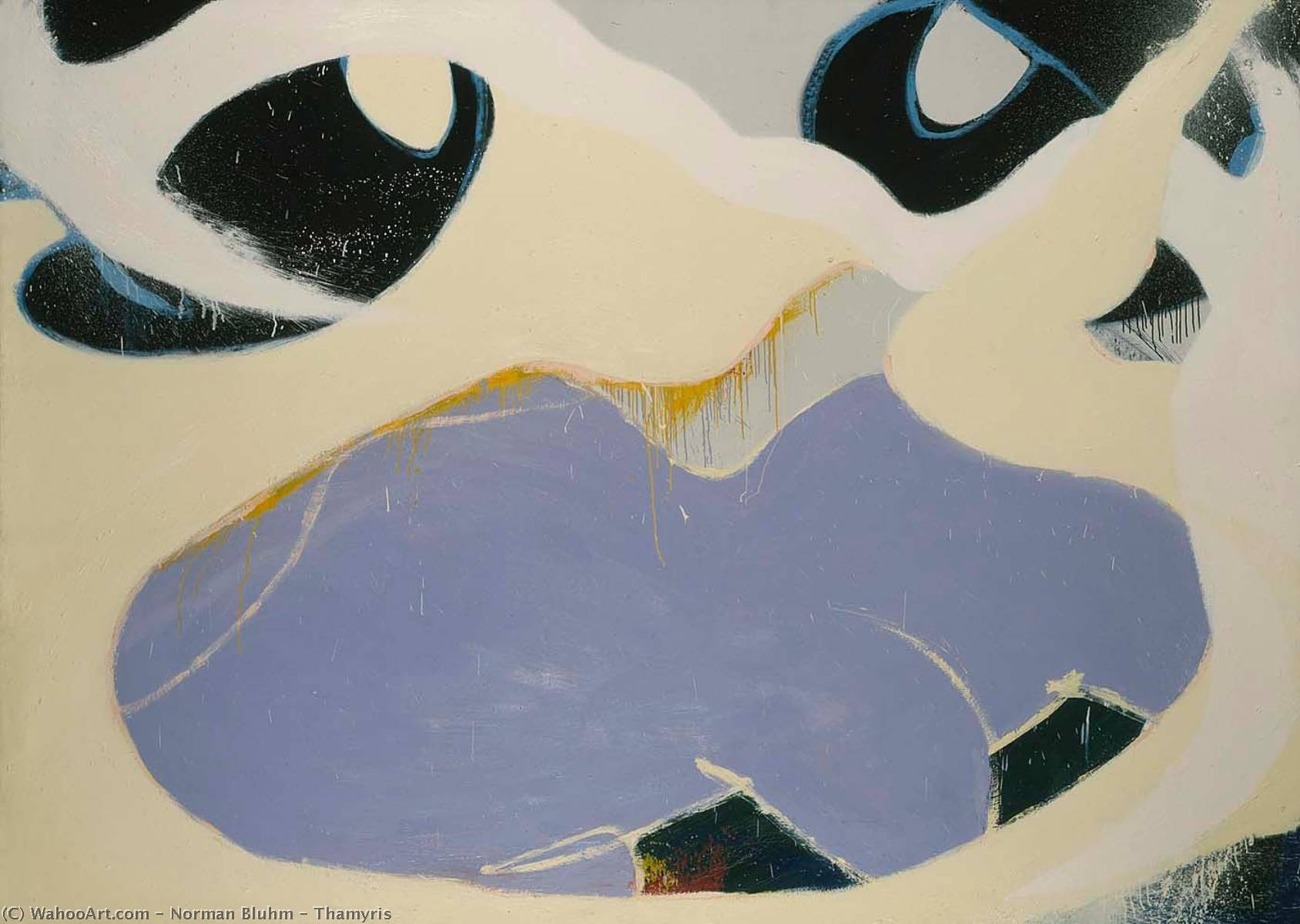
Iz perspektive galerije, najpoznatije delo umetnika Norman Bluhm je Thamyris (1972). Untitled (1959) i Study I, Yellow and Black (1960) čine triju koju svako oko prepoznaje. Od 27 dela umetnika Norman Bluhm u našem katalogu, galerija u nastavku predstavlja 27 najpoznatijih dela, od kojih je svako originalno, sa navedenom godinom nastanka, muzejom i onim što ga čini jedinstvenim.




 Aritic1959
12
 Untitled1960
13
 It's Raining1960
14
 Excalibur1960
15
 Mojabe1966
16
 Mathematics1962
17
 Eudocia1967 · Smithsonian American Art Museum
18
 Unused preparatory drawing from In Memory of My Feelings1967
19
 Preparatory drawing from In Memory of My Feelings1967
20
 Thetis1968
21
 Issac Comnenus1967
22
 Eudocia1967
23
 Erythea1971 · Smithsonian American Art Museum
24
 Dido1973 · Smithsonian American Art Museum
25
 Study 31973
26
 Erythea1971
27
 Dido1973
2 muzeja u kojima se nalazi najviše slika sa ove stranice.
| Muzej | Grad | Radovi umetnika Norman Bluhm | Slike iz ovog spiska |
|---|---|---|---|
 Smithsonian American Art Museum |
Vašington, D.C. | 4 | Untitled, Eudocia, Erythea |
 Metropoliten музеј у Њујорку |
Њујорк | 1 | It's Raining |
Izaberite deceniju da biste videli original koji je definiše.
Thamyris (1972). Slede Untitled (1959) i Study I, Yellow and Black (1960).
51 godina: Thamyris datira iz 1972, a Norman Bluhm je rođen/a 1921.
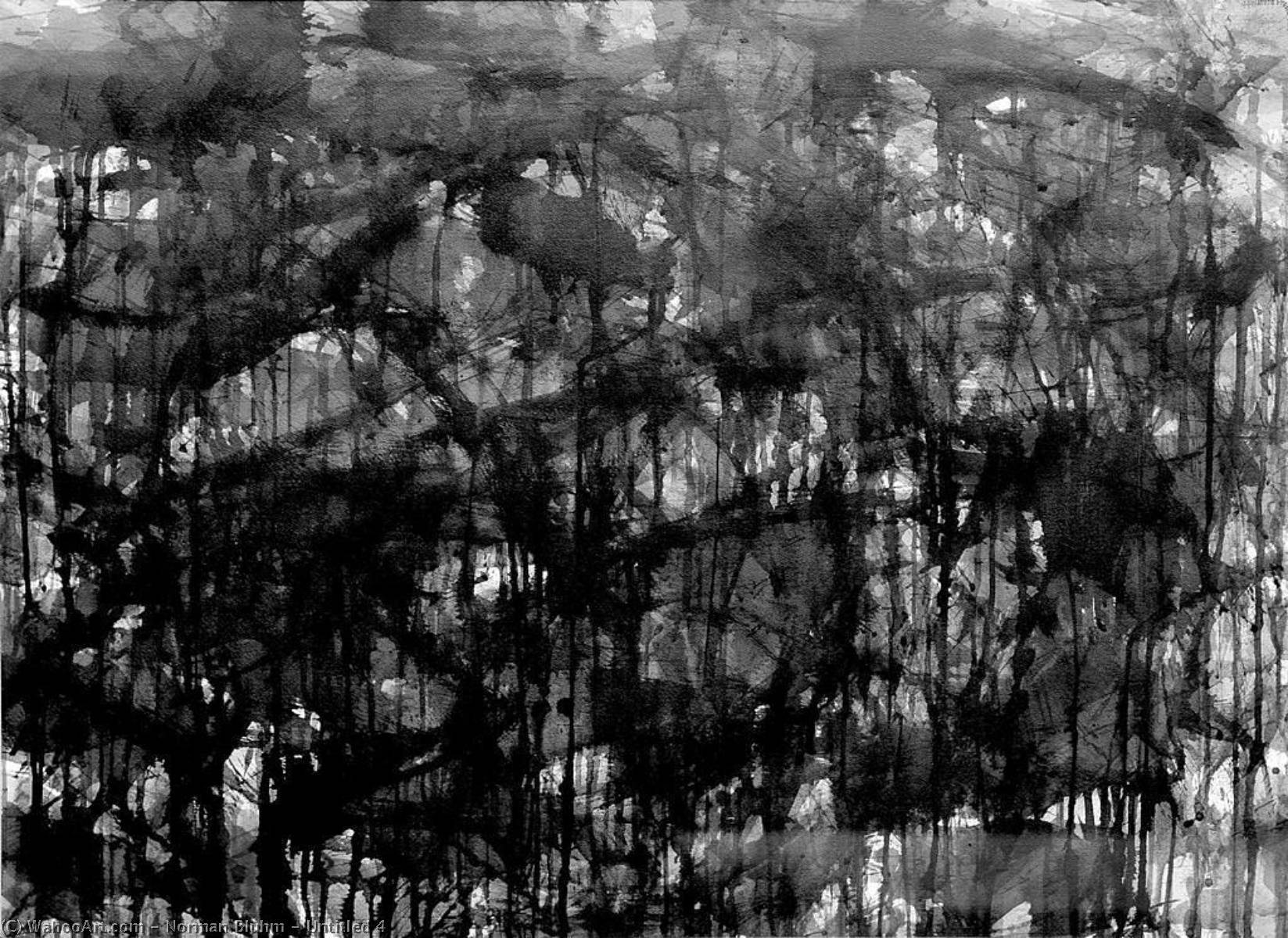
Thamyris, Untitled, Study I, Yellow and Black, Mathematics, Acheron, Untitled 4, Untitled, It's Raining, Study for Oz i Ariel. Gornji rang pokazuje godinu i muzej za svako od njih.
Naš katalog sadrži 27 dela umetnika Norman Bluhm, datiranih od 1957 do 1973.
Većinom u Smithsonian American Art Museum (Vašington, D.C.) i Metropoliten музеј у Њујорку (Њујорк). Tabela muzeja iznad sadrži njih sve.
U 1960s: 16 od 27 dela na ovoj stranici nastalo je tada, od čega je Study I, Yellow and Black.
Na ovoj stranici, najstarije delo je iz Untitled 4 (1957), a najnovije iz Dido (1973).
Abstract expressionism, sudeći po originalima na ovoj stranici.
Untitled, Eudocia i Erythea: Smithsonian American Art Museum, Vašington, D.C. čuva 4 dela sa ove stranice.
To look at the work of Norman Bluhm is to witness the residue of a life shaped by profound disruption. He was an abstract expressionist painter who did not merely paint; he processed the wreckage of the mid-twentieth century through heavy, gestural application. His presence in the canon is cemented by his inclusion in the permanent collections of the Museum of Modern Art and the Metropolitan Museum of Art. These are not mere accolades; they are evidence of a technical command that forced the art world to pay attention.
Bluhm’s trajectory was never linear. He began with the rigid, structural logic of architecture, attending the Illinois Institute of Technology at sixteen. There, he operated in the shadow of giants like Mies van de Rohe and Frank Lloyd Wright. This early exposure to architectural precision provided a skeletal framework that his later, more chaotic abstraction would eventually dismantle.
The trajectory of his life shifted violently during World War II. Drafted into the U.S. Air Force, Bluhm returned from service physically injured and emotionally scarred by the loss of his brother. This period of trauma effectively killed the architect and birthed the painter. He sought a life that was entirely his own, trading blueprints for brushes. This pursuit led him to the heart of European tradition.
His training was rigorous and geographically diverse:
Bluhm’s significance lies in his ability to bridge the gap between formal training and raw, expressive energy. His works, such as "Chandelle" (1966) and "Oz", demonstrate a refusal to settle for easy aesthetics. The Smithsonian American Art Museum holds pieces that reflect this uncompromising stance. He did not rely on decorative flourishes; he relied on the physical reality of paint. His career remains a study in how personal devastation can be converted into a disciplined, visual language.