Portret Џон Сингер Сарџент

100 najpoznatijih slika umetnika Џон Сингер Сарџент, svaka potpuno jedinstvena

Ažurirano: октобар 2026 · rangirano prema našem koeficijentu popularnosti (pretrage, posete i porudžbine za svako delo) · 1.549 dela Џон Сингер Сарџент u našem katalogu

Ukratko

Madame X (1884) je slika autora Џон Сингер Сарџент koja privlači najviše pažnje; original se nalazi u muzeju Metropoliten музеј у Њујорку, Њујорк. Nakon toga, pogled se seli na Карнатион, Лили, Лили, Роза (1885) i Gasom napadnuti (1918). Među 1,549 dela umetnika Џон Сингер Сарџент u našem katalogu, ovih 100 su najpoznatija, od kojih je svako jedinstveni original predstavljen sa godinom nastanka, muzejom i razlogom zbog kojeg je i danas neprocenjivo.

1856 – 1925, Фиренца Impresionizam Najviše dela: Metropoliten музеј у Њујорку

Top 10 slika umetnika Џон Сингер Сарџент, iz ugla galerije

1
Madame X (1884) čiji je Џон Сингер Сарџент

Madame X

1884 · Ulje na platnu · Metropoliten музеј у Њујорку, Њујорк

John Singer Sargent’s “Madame X,” completed in 1884, remains one of the most controversial and enduring images of the Belle Époque. More than a century later, it continues to fascinate art historians, collectors, and anyone captivated by the intersection of beauty, social critique, and artistic innovation.

2
Карнатион, Лили, Лили, Роза (1885) čiji je Џон Сингер Сарџент

Карнатион, Лили, Лили, Роза

1885 · Ulje na platnu · Tate Gallery, London

Delo Džona Singera Serženta, Karanfila, Ljiljan, Ljiljan, Ruža (1885-86), predstavlja prekretnicu u kasnom impresionizmu, suptilno prožetu simbolističkim podtonovima. Ovo nije samo prikaz dve mlade devojčice u bašti; to je atmosferska poema ispisana bojama – prolazni trenutak detinjstva i nevinosti, kao i spokojna lepota sumraka uhvaćena sa izuzetnom osetljivošću.

3
Gasom napadnuti (1918) čiji je Џон Сингер Сарџент

Gasom napadnuti

1918 · Akril na platnu · Imperial War Museum, London

Delo Johna Singera Sargenta pod nazivom „Gasom napadnuti“, nastalo 1918. godine, nije trijumfalni prikaz ratnog heroizma, već duboko dirljivo zapažanje čovečanstva usred razaranja Prvog svetskog rata. Ova evocativna crno-bela kompozicija prikazuje grupu vojnika – njih je četrnaest – kako se okupljaju oko jednostavne drvene klupe, dok njihovi položaji tela sugerišu istovremeno i iscrpljenost i neizrečeno bratstvo. Scena, izvedena sa Sargentovom prepoznatljivom, pedantnom pažnjom posvećenom svetlosti i formi, prevazilazi puku dokumentaciju;…

4
The Daughters of Edward Darley Boit čiji je Џон Сингер Сарџент

The Daughters of Edward Darley Boit

Oil On Canvas · Muzej finih umetnosti u Bostonu, Boston

In the quiet, shadowed corridors of an opulent Parisian apartment, a moment of profound stillness is captured forever within John Singer Sargent’s 1882 masterpiece, The Daughters of Edward Darley Boit. This is not merely a portrait of four young girls; it is an evocative exploration of childhood, space, and the enigmatic threshold between innocence and the unknown. As the viewer enters the scene, they are met with a composition that…

5
Lady Agnew of Lochnaw (1893) čiji je Џон Сингер Сарџент

Lady Agnew of Lochnaw

1893 · Acrylic · Scottish National Gallery, Edinburgh

A Portrait Steeped in Refinement: Lady Agnew of Lochnaw by John Singer Sargent Subject Matter: This captivating portrait depicts Lady Agnew of Lochnaw, a prominent Scottish socialite and philanthropist. Her serene gaze directs the viewer’s attention, conveying an aura of composure and dignity – qualities characteristic of Sargent's favored subjects. Style & Technique: Sargent’s masterful brushwork exemplifies Impressionistic tendencies while retaining a meticulous realism. He skillfully captures the subtle nuances…

6
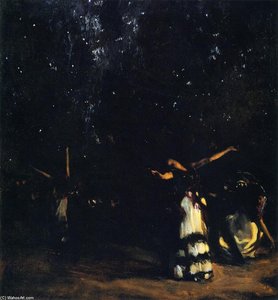
El Jaleo (1882) čiji je Џон Сингер Сарџент

El Jaleo

1882 · Ulje na platnu · Isabella Stewart Gardner Museum, Boston

El Jaleo: Pogled u srce španske kulture John Singer Sargentovo remek-delo "El Jaleo" poziva nas da zaronimo u živopisni svet flamenka, hvatajući samu esenciju strasti i energije ovog tradicionalnog španskog plesa. Centralna figura, romska plemićkinja, prikazana je u pokretu, njena bela haljina lebdi oko nje dok se okreće, a pozadina je ispunjena muzičarima i oduševljenim posmatračima. Ova dinamična scena nije samo oslikavanje događaja; ona je portret španske kulture, prožet emocijama…

7
Veče na večeru (poznato kao Albert i Edith Vickers) (1884) čiji je Џон Сингер Сарџент

Veče na večeru (poznato kao Albert i Edith Vickers)

1884 · Ulje na platnu · Fine Arts Museums of San Francisco, San Francisco

Intimni pogled u viktorijansko društvo Džon Singer Seržentovo delo „Veče na večeri“, poznato i kao „Gospodin i gospođa Albert Vikers“, predstavlja mnogo više od običnog prikaza para za večerom; to je poziv u samo srce viktorijanskog društvenog života, izveden majstorskim spojem realizma i impresionističkog šarma. Naslikano 1884. godine, ovo umetničko delo beleži trenutak tihe intimnosti, pažljivo konstruisanu scenu koja govori mnogo o senzibilitetima tog doba. Pred nama nije bujna zabava,…

8
Лодота у водама Каприја (1878) čiji je Џон Сингер Сарџент

Лодота у водама Каприја

1878 · Akvarel

Delo Džona Singer Sargeta, „Ladito u vodama Kaprija”, nastalo 1878. godine, predstavlja mnogo više od običnog prikaza obalne scene; to je poziv na zastanak i uzdah unutar sveta natopljenog svetlošću i mirom. Ovaj akvarel beleži prolazni trenutak na idiličnim obalama Kaprija, gde dva mala čamca nežno počivaju na tirkiznim vodama pod mekim, difuznim nebom. Ovo delo ne govori o velikim narativima ili dramatičnim radnjama—reč je o tihoj poeziji posmatranja, suptilnom…

9
Pripremlnica kod Kalkota blizu Readinga (1888) čiji je Џон Сингер Сарџент

Pripremlnica kod Kalkota blizu Readinga

1888 · Ulje na platnu · Baltimore Museum of Art, Baltimore

Mirna Oaza u Kalkotu blizu Readinga: Utapajuća Lepota Prirode John Singer Sargentovo delo "A Backwater at Calcot Near Reading" nije samo slika, već poziv da se sklonite od svakodnevice i zaronite u mirnu lepotu prirode. Naslikana 1888. godine, ova panorama rečnog rukavca, okružena bujnom vegetacijom, predstavlja majstorski prikaz svetlosti i atmosfere, pozivajući nas na trenutak smirenog razmišljanja usred živopisne zelenila i spokojnih voda. Sargent je ovde uspeo da uhvati suštinu…

10
Капри (такође познат као Девчица са Каприја) (1878) čiji je Џон Сингер Сарџент

Капри (такође познат као Девчица са Каприја)

1878 · Ulje na platnu · Muzej finih umetnosti u Bostonu, Boston

Očaravajući prizor Kaprijanskog zaliva, prikazan na platnu, poziva nas da zaboravimo na svakodnevnicu i uronimo u spokojnost ovog prelepoj ostrvu. Ova slika, poznata i kao "Čovek sa Kapрија", nije samo portret; to je poetski zapis trenutka, oslikavanje atmosfere i svetlosti koje su prožimale život na Kapriju 1878. godine. U srcu kompozicije nalazi se mlada žena, graciozno stajući pored kamenog zida, okružena bujnom vegetacijom. Njena haljina, živopisna i cvetna, predstavlja jasan…

Čuvena dela umetnika Џон Сингер Сарџент, od 11 do 100

11Улица у Венецији (1882) čiji je Џон Сингер СарџентУлица у Венецији1882 · National Gallery of Art 12Кашмир (1908) čiji je Џон Сингер СарџентКашмир1908 13Las Meninas (posle Velazaqueza) (1879) čiji je Џон Сингер СарџентLas Meninas (posle Velazaqueza)1879 · Музеј Прадо 14Мадам Икс (такђе позната као Мадам Пјер Готро (1884) čiji je Џон Сингер СарџентМадам Икс (такђе позната као Мадам Пјер Готро1884 · Metropoliten музеј у Њујорку 15Kćeri Edvarda Darlija Bojta (1882) čiji je Џон Сингер СарџентKćeri Edvarda Darlija Bojta1882 · Muzej finih umetnosti u Bostonu 16The Wyndham Sisters (1899) čiji je Џон Сингер СарџентThe Wyndham Sisters1899 · Metropoliten музеј у Њујорку 17Capri Girl (Dans les Oliviers, à Capri) (1878) čiji je Џон Сингер СарџентCapri Girl (Dans les Oliviers, à Capri)1878 18Carnation, Lily, Lily, Rose (1885) čiji je Џон Сингер СарџентCarnation, Lily, Lily, Rose1885 · Tate Britain 19Group with Parasols (A Siesta) (1905) čiji je Џон Сингер СарџентGroup with Parasols (A Siesta)1905 20Lady Agnew of Lochnaw čiji je Џон Сингер СарџентLady Agnew of Lochnaw 21Graveyard in the Tyrol (1915) čiji je Џон Сингер СарџентGraveyard in the Tyrol1915 22Carnation, Lily, Lily, Rose (1885) čiji je Џон Сингер СарџентCarnation, Lily, Lily, Rose1885 · Tate Gallery 23John D. Rockefeller (1917) čiji je Џон Сингер СарџентJohn D. Rockefeller1917 24Neopolitan Children Bathing (1878) čiji je Џон Сингер СарџентNeopolitan Children Bathing1878 · Sterling and Francine Clark Art Institute 25Two Girls with Parasols at Fladbury (1889) čiji je Џон Сингер СарџентTwo Girls with Parasols at Fladbury1889 · Metropoliten музеј у Њујорку 26The Spanish Dancer (1879) čiji je Џон Сингер СарџентThe Spanish Dancer1879 · National Gallery of Art 27Sir Edmund Gosse (1886) čiji je Џон Сингер СарџентSir Edmund Gosse1886 · National Portrait Gallery 28Ezi, Rubi i Ferdinand, Aşer Verthajmerova deca (1902) čiji je Џон Сингер СарџентEzi, Rubi i Ferdinand, Aşer Verthajmerova deca1902 · Tate Gallery 29Miss Beatrice Townsend (1882) čiji je Џон Сингер СарџентMiss Beatrice Townsend1882 · National Gallery of Art 30Ada Rehan (1894) čiji je Џон Сингер СарџентAda Rehan1894 · Metropoliten музеј у Њујорку 31La Carmencita (1890) čiji je Џон Сингер СарџентLa Carmencita1890 · Musée d'Orsay 32William Butler Yeats (1908) čiji je Џон Сингер СарџентWilliam Butler Yeats1908 33The Duchess of Sutherland (1904) čiji je Џон Сингер СарџентThe Duchess of Sutherland1904 · Музеј Тисен-Борнемиза 34Hugh Lane (1906) čiji je Џон Сингер СарџентHugh Lane1906 35madame x čiji je Џон Сингер Сарџентmadame x 36Peter A. B. Widener (1902) čiji je Џон Сингер СарџентPeter A. B. Widener1902 37Gospa Eden (1906) čiji je Џон Сингер СарџентGospa Eden1906 · Philadelphia Museum of Art 38Mrs Carl Meyer and her Children (1896) čiji je Џон Сингер СарџентMrs Carl Meyer and her Children1896 · Tate Britain 39Eleanora Duse (1893) čiji je Џон Сингер СарџентEleanora Duse1893 40Group in Simplon (1911) čiji je Џон Сингер СарџентGroup in Simplon1911 41A Jersey Calf (1893) čiji je Џон Сингер СарџентA Jersey Calf1893 · Yale University Art Gallery 42Venetian Women in the Palazzo Rezzonico (1880) čiji je Џон Сингер СарџентVenetian Women in the Palazzo Rezzonico1880 43Mrs. Robert Harrison (1886) čiji je Џон Сингер СарџентMrs. Robert Harrison1886 44Fishing for Oysters at Cancale (1878) čiji je Џон Сингер СарџентFishing for Oysters at Cancale1878 · Muzej finih umetnosti u Bostonu 45Studije mrtve ptice (1874) čiji je Џон Сингер СарџентStudije mrtve ptice1874 · Metropoliten музеј у Њујорку 46Olivia Richardson (1883) čiji je Џон Сингер СарџентOlivia Richardson1883 47Entrance to a Mosque (also known as Courtyard, Tetuan) (1880) čiji je Џон Сингер СарџентEntrance to a Mosque (also known as Courtyard, Tetuan)1880 · Metropoliten музеј у Њујорку 48Dve devojke koje leže na travi (poznato i kao Dve devojke na livadi) (1889) čiji je Џон Сингер СарџентDve devojke koje leže na travi (poznato i kao Dve devojke na livadi)1889 · Metropoliten музеј у Њујорку 49Lady Fauden Phillips (Helen Levy) (1898) čiji je Џон Сингер СарџентLady Fauden Phillips (Helen Levy)1898 50Self-Portrait (1892) čiji je Џон Сингер СарџентSelf-Portrait1892 · Nationalmuseum 51MId-Ocean, Mid-Winter (also known as Mid Ocean in Winter) (1876) čiji je Џон Сингер СарџентMId-Ocean, Mid-Winter (also known as Mid Ocean in Winter)1876 52Mrs. Asher Wertheimer (1904) čiji je Џон Сингер СарџентMrs. Asher Wertheimer1904 · Tate Gallery 53Two Women Asleep in a Punt under the Willows (1887) čiji je Џон Сингер СарџентTwo Women Asleep in a Punt under the Willows1887 54Field Marshal Earl Roberts, K.G., V. C. (1906) čiji je Џон Сингер СарџентField Marshal Earl Roberts, K.G., V. C.1906 · National Portrait Gallery 55President Woodrow Wilson (1917) čiji je Џон Сингер СарџентPresident Woodrow Wilson1917 · National Gallery of Ireland 56The Misses Hunter (1902) čiji je Џон Сингер СарџентThe Misses Hunter1902 · Tate Gallery 57Carnation, Lily, Lily, Rose (study) (1885) čiji je Џон Сингер СарџентCarnation, Lily, Lily, Rose (study)1885 · Nationalmuseum 58Portrait of Two Children (1887) čiji je Џон Сингер СарџентPortrait of Two Children1887 59Falconieri Gardens, Frascati (1907) čiji je Џон Сингер СарџентFalconieri Gardens, Frascati1907 60Madame Gautreau (1883) čiji je Џон Сингер СарџентMadame Gautreau1883 · Harvard Art Museums 61Nude Egyptian Girl (1891) čiji je Џон Сингер СарџентNude Egyptian Girl1891 62Thistles (1884) čiji je Џон Сингер СарџентThistles1884 63John D. Rockefeller (1917) čiji je Џон Сингер СарџентJohn D. Rockefeller1917 64Mrs Edward Goetz (1901) čiji je Џон Сингер СарџентMrs Edward Goetz1901 · Brigham Young University Museum of Art 65Mrs. Waldo Story (1883) čiji je Џон Сингер СарџентMrs. Waldo Story1883 66Group with Parasols (1905) čiji je Џон Сингер СарџентGroup with Parasols1905 67Mrs. Albert Vickers (1884) čiji je Џон Сингер СарџентMrs. Albert Vickers1884 · Virginia Museum of Fine Arts 68A Venetian Woman - Једна Вестбенска Жена (1882) čiji je Џон Сингер СарџентA Venetian Woman - Једна Вестбенска Жена1882 · Cincinnati Art Museum 69Mr. and Mrs. John W. Field (1882) čiji je Џон Сингер СарџентMr. and Mrs. John W. Field1882 · Pennsylvania Academy of Fine Arts 70Olive Trees (1883) čiji je Џон Сингер СарџентOlive Trees1883 71Head of a Young Man (also known as Portrait of a Sailor) (1878) čiji je Џон Сингер СарџентHead of a Young Man (also known as Portrait of a Sailor)1878 72Mrs. William Henry Vanderbilt (1888) čiji je Џон Сингер СарџентMrs. William Henry Vanderbilt1888 73Mrs. John William Crombie (Minna Watson) (1898) čiji je Џон Сингер СарџентMrs. John William Crombie (Minna Watson)1898 74In a Punt (Violet Sargent and Madame Paul Helleu) (also known as Two Woman in a Punt) (1889) čiji je Џон Сингер СарџентIn a Punt (Violet Sargent and Madame Paul Helleu) (also known as Two Woman in a Punt)1889 75Жена из Венеције (1882) čiji je Џон Сингер СарџентЖена из Венеције1882 76Mr. and Mrs. I. N. Phelps Stokes (1897) čiji je Џон Сингер СарџентMr. and Mrs. I. N. Phelps Stokes1897 · Metropoliten музеј у Њујорку 77Charles Deering (1877) čiji je Џон Сингер СарџентCharles Deering1877 78Seascape (1875) čiji je Џон Сингер СарџентSeascape1875 79Robert Louis Stevenson i njegova supruga (1885) čiji je Џон Сингер СарџентRobert Louis Stevenson i njegova supruga1885 · Crystal Bridges Museum of American Art 80Mrs. Asher Wertheimer (Flora Joseph) (1898) čiji je Џон Сингер СарџентMrs. Asher Wertheimer (Flora Joseph)1898 · New Orleans Museum of Art 81Campo San Canciano, Venice (also known as A Piazza at Venice) (1882) čiji je Џон Сингер СарџентCampo San Canciano, Venice (also known as A Piazza at Venice)1882 82Statue of Perseus by Night (1902) čiji je Џон Сингер СарџентStatue of Perseus by Night1902 83Madame Roger Jourdain (1885) čiji je Џон Сингер СарџентMadame Roger Jourdain1885 84Study for Madame X (1883) čiji je Џон Сингер СарџентStudy for Madame X1883 85Study for Madame X (1882) čiji je Џон Сингер СарџентStudy for Madame X1882 86Grand Canal at San Samuele (1902) čiji je Џон Сингер СарџентGrand Canal at San Samuele1902 87isabella stewart gardner čiji je Џон Сингер Сарџентisabella stewart gardner 88Elizabeth Garrett Anderson (1900) čiji je Џон Сингер СарџентElizabeth Garrett Anderson1900 · National Portrait Gallery 89Rose Marie Ormond (1912) čiji je Џон Сингер СарџентRose Marie Ormond1912 90Study for 'Oyster Gatherers at Cancale' (1877) čiji je Џон Сингер СарџентStudy for 'Oyster Gatherers at Cancale'1877 91Head of a Male Model (1878) čiji je Џон Сингер СарџентHead of a Male Model1878 92Alhambra, Patio de la Reja (1879) čiji je Џон Сингер СарџентAlhambra, Patio de la Reja1879 93Judith Gautier (1885) čiji je Џон Сингер СарџентJudith Gautier1885 · Detroit Institute of Arts 94Self Portrait (1906) čiji je Џон Сингер СарџентSelf Portrait1906 95Francisco Bernareggi (1908) čiji je Џон Сингер СарџентFrancisco Bernareggi1908 · Nelson-Atkins Museum of Art 96The Honourable Victoria Stanley (1899) čiji je Џон Сингер СарџентThe Honourable Victoria Stanley1899 97Teresa Gosse (1885) čiji je Џон Сингер СарџентTeresa Gosse1885 98Carnation, Lily, Lily, Rose (study) (1885) čiji je Џон Сингер СарџентCarnation, Lily, Lily, Rose (study)1885 99Morning Walk (1888) čiji je Џон Сингер СарџентMorning Walk1888 100Helen Sears (1895) čiji je Џон Сингер СарџентHelen Sears1895 · Muzej finih umetnosti u Bostonu

Čuvena dela Џон Сингер Сарџент po periodima

Motivi koji su privlačili pažnju Џон Сингер Сарџент

Četiri teme koje se najčešće ponavljaju u ovim originalima, svaka sa svojim vrhunskim primerom.

Muzeji u kojima se čuvaju originalna dela umetnika Џон Сингер Сарџент

8 muzeja u kojima se nalazi najviše slika sa ove stranice.

Muzej Grad Radovi umetnika Џон Сингер Сарџент Slike iz ovog spiska
Metropoliten музеј у Њујорку, ЊујоркMetropoliten музеј у Њујорку Њујорк 65 Madame X, Мадам Икс (такђе позната као Мадам Пјер Готро, The Wyndham Sisters
Muzej finih umetnosti u Bostonu, BostonMuzej finih umetnosti u Bostonu Boston 54 The Daughters of Edward Darley Boit, Капри (такође познат као Девчица са Каприја), Kćeri Edvarda Darlija Bojta
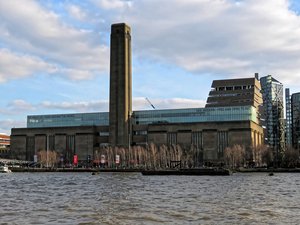
Tate Gallery, LondonTate Gallery London 24 Карнатион, Лили, Лили, Роза, Carnation, Lily, Lily, Rose, Ezi, Rubi i Ferdinand, Aşer Verthajmerova deca
National Portrait Gallery, LondonNational Portrait Gallery London 20 Sir Edmund Gosse, Field Marshal Earl Roberts, K.G., V. C., Elizabeth Garrett Anderson
National Gallery of Art, WashingtonNational Gallery of Art Washington 19 Улица у Венецији, The Spanish Dancer, Miss Beatrice Townsend
Nationalmuseum, СтокхолмNationalmuseum Стокхолм 34 Self-Portrait, Carnation, Lily, Lily, Rose (study)
Tate Britain, LondonTate Britain London 4 Carnation, Lily, Lily, Rose, Mrs Carl Meyer and her Children
Harvard Art Museums, KembriđHarvard Art Museums Kembriđ 28 Madame Gautreau

Џон Сингер Сарџент kroz decenije: jedan jedinstveni original za svaku

Radovi po decenijama

Izaberite deceniju da biste videli original koji je definiše.

Slike umetnika Џон Сингер Сарџент: pitanja za galeriju

Koje je najpoznatije delo umetnika Џон Сингер Сарџент?Otkrij odgovor

Madame X (1884), Metropoliten музеј у Њујорку, Њујорк. Slede Карнатион, Лили, Лили, Роза (1885) i Gasom napadnuti (1918).

U kojoj je godini Џон Сингер Сарџент stvorio/la Madame X?Otkrij odgovor

28 godina: Madame X datira iz 1884, a Џон Сингер Сарџент je rođen/a 1856.

Koji je deset najpoznatijih slika autora Џон Сингер Сарџент?Otkrij odgovor

Madame X, Карнатион, Лили, Лили, Роза, Gasom napadnuti, The Daughters of Edward Darley Boit, Lady Agnew of Lochnaw, El Jaleo, Veče na večeru (poznato kao Albert i Edith Vickers), Лодота у водама Каприја, Pripremlnica kod Kalkota blizu Readinga i Капри (такође познат као Девчица са Каприја). Gornji rang pokazuje godinu i muzej za svako od njih.

Koliko je poznatih dela umetnika Џон Сингер Сарџент?Otkrij odgovor

Naš katalog sadrži 1,549 dela umetnika Џон Сингер Сарџент, datiranih od 1874 do 1918.

Gde se mogu videti najpoznatiji originali umetnika Џон Сингер Сарџент?Otkrij odgovor

Većinom u Metropoliten музеј у Њујорку (Њујорк), Muzej finih umetnosti u Bostonu (Boston) i Tate Gallery (London). Tabela muzeja iznad sadrži njih sve.

U kom periodu je Џон Сингер Сарџент stvorio/la svoje najpoznatije slike?Otkrij odgovor

U 1880s: 40 od 100 dela na ovoj stranici nastalo je tada, od čega je Madame X.

Ko je najraniji, a koje je najkasnije čuveno delo umetnika Џон Сингер Сарџент?Otkrij odgovor

Na ovoj stranici, najstarije delo je iz Studije mrtve ptice (1874), a najnovije iz Gasom napadnuti (1918).

Koje su teme Џон Сингер Сарџент preferirao/la?Otkrij odgovor

Portraiture (27), Elegance (20) i Victorian era (17), kroz svih 100 dela na ovoj stranici.

Sa kojim materijalima je Џон Сингер Сарџент najčešće slikao?Otkrij odgovor

Oil On Canvas, za 51 od 100 dela na ovoj stranici.

Kojem umetničkom pravcu pripada delo umetnika Џон Сингер Сарџент?Otkrij odgovor

Impresionizam, sudeći po originalima na ovoj stranici.

Koja originalna dela Џон Сингер Сарџент mogu videti u Metropoliten музеј у Њујорку?Otkrij odgovor

Madame X, Мадам Икс (такђе позната као Мадам Пјер Готро i The Wyndham Sisters: Metropoliten музеј у Њујорку, Њујорк čuva 9 dela sa ove stranice.

Gde mogu da naručim ručno oslikanu reprodukciju Џон Сингер Сарџент?Otkrij odgovor

Da, kao reprodukcija: original ostaje u svom muzeju, ali svaku sliku sa ove stranice može se ručno naslikati za vas, po vašoj narudžbi, pojedinačno, direktno sa stranice te slike.

Џон Сингер Сарџент: portret umetnika

Early Life, Family and Training

Born in Florence, Italy, on January 12, 1856, John Singer Sargent entered a world shaped by the movement of his American expatriate parents, FitzWilliam and Mary Newbold Sargent. His father had previously served as an eye surgeon at the Wills Eye Hospital in Philadelphia between 1844 and 1854. This medical background provided a stable, if transient, foundation before the family’s life became defined by the cosmopolitan rhythms of Europe. The household was one of artistic inclination; his sister, Mary, was born in 1857, and his sister Emily would later establish herself as an accomplished painter. These early years were less about a fixed home and more about an immersion in the visual traditions of the continent.

His formal education followed a path through the major centers of European art, with training spanning Florence, Paris, and London. In Paris, he entered the studio of Carolus-Duran, a mentorship that would fundamentally shape his technical approach. This period of study was crucial in refining the observational skills that characterized his early development. Rather than following a rigid, academic path, his training was a sequence of direct engagement with the masters and the specific methods of the Parisian ateliers. He emerged from these studies with a technical facility that allowed him to move between the structured demands of portraiture and the more spontaneous requirements of his later studies.

The Paris Years and Artistic Scandal

In 1874, at the age of eighteen, Sargent entered the Paris studio of Carolus-Duran. This mentorship proved transformative, as the emphasis on direct painting helped hone his technical facility and ability to capture likenesses with speed. To further refine his skills, he enrolled at the École des Beaux-Arts, drawing from life models and casts to solidify his foundation. During these formative years, he began to establish himself among the city's elite, navigating the social and artistic hierarchies of the French capital.

His ascent toward becoming a premier society painter was interrupted by a sudden, sharp controversy. The unveiling of Madame X (Portrait of Madame Pierre Gautreau) at the 1884 Salon ignited a scandal that threatened his burgeoning career. The painting's daring depiction of the socialite—noted for her pale complexion and suggestive pose—was deemed provocative by Parisian society. Though he later repainted the strap of her gown, the social fallout was significant. This scandal eventually forced him to leave Paris and return to England, seeking a more receptive audience for his talents.

Success in London and Portraiture

The scandal in Paris prompted a significant shift in his trajectory, leading him to relocate to London in 1886. This move proved to be a turning point, as he transitioned from a controversial figure to the leading portrait painter of his generation. He possessed a rare level of professional agency; he could choose which commissions to accept and set very high prices for his work. This autonomy allowed him to navigate the highest echelons of society with a sense of command that few of his contemporaries could match.

His subjects were the architects of their era, ranging from the social elite to prominent political figures. Among the numerous celebrities who sat for him was former president Theodore Roosevelt. He did not merely record a likeness; he captured the social dynamics and the opulence of the Edwardian era. His ability to document the character of his sitters made him a sought-after figure for those wishing to secure their place in the visual history of the age.

Technique and Artistic Style

Sargent’s approach to the canvas was defined by a remarkable technical facility, particularly his ability to draw with a brush. Under the mentorship of Carolus-Duran, he embraced the principle of direct painting, a method that prioritized the immediate application of pigment over the safety of preliminary sketches. This training encouraged him to capture the essence of a subject through spontaneous, decisive movements. His method often involved blocking in tones in discreet, mosaic-like patches, which he would later blend together to achieve a sense of depth and form. Such a process allowed for a certain fluidity that became a hallmark of his hand.

His output reflected a dual nature in his artistic temperament. In his commissioned portraits, he adhered to the grand manner, meeting the expectations of his high-society sitters with elegance and poise. However, his informal studies and landscape paintings revealed a different inclination. In these works, he displayed a familiarity with Impressionism, utilizing loose brushwork to catch the shifting qualities of light. This versatility allowed him to move between the structured demands of formal portraiture and the more expressive, atmospheric requirements of plein-air painting.

Key Works and Artistic Range

Sargent’s output was vast, comprising roughly 900 oil paintings and more than 2,000 watercolors. His subject matter followed his movements across the globe, documenting landscapes and figures from Venice, the Tyrol, Corfu, and Capri to the Middle East, Spain, Montana, Maine, and Florida. This geographic breadth allowed him to move between the structured demands of high-society portraiture and the spontaneous requirements of plein-air studies. While his reputation was often tied to the elegance of his sitters, his sketches and charcoal drawings reveal a restless, observant eye that sought the essence of a moment rather than a mere likeness.

His ability to navigate different genres is evident in the contrast between his most famous subjects. Madame X remains a central piece of his early career, a work that defined his presence in the Parisian art scene. In contrast, his later interest in the natural world and more informal settings produced works like Carnation, Lily, Lily, Rose, a depiction of two young girls in an English garden. He also captured the energy of movement in El Jaleo, a portrayal of Spanish flamenco dancers. These works demonstrate a technical flexibility that allowed him to transition from the heavy, formal requirements of a commission to the light-filled atmosphere of a garden or a dance.

Legacy and Lasting Influence

By the time of his death on April 15, 1925, the scope of Sargent's output had reached a vast scale, encompassing roughly 900 oil paintings and over 2,000 watercolors. His technical facility, particularly the ability to draw with a brush, left a mark on subsequent generations of artists. While much of his fame rested on the high-society commissions of the Edwardian era, his influence extended into the very mechanics of how light and atmosphere are rendered on canvas.

The understanding of his artistic range underwent a significant shift in the 1980s. The rediscovery of his previously overlooked male nudes provided a more complex view of his creative intentions, moving the conversation beyond the social circles of his portraiture. This expansion of his known oeuvre revealed a more nuanced artist, one whose interests were not confined to the glittering surfaces of the Gilded Age. His works continue to draw audiences across the globe, maintaining a presence in major institutions such as the Metropolitan Museum of Art and the Tate Gallery.

Sva 1549 dela umetnika Џон Сингер Сарџент →