Portret Карл Хајнрих Блох

65 najpoznatijih slika umetnika Карл Хајнрих Блох, svaka potpuno jedinstvena

Ažurirano: октобар 2026 · rangirano prema našem koeficijentu popularnosti (pretrage, posete i porudžbine za svako delo) · 65 dela Карл Хајнрих Блох u našem katalogu

Ukratko

U rimskoj osteriji (1866) je slika autora Карл Хајнрих Блох koja privlači najviše pažnje; original se nalazi u muzeju Statens Museum For Kunst, Kopenhagen. Nakon toga, pogled se seli na The Last Supper (1876) i Jesus Raises Lazarus from the Dead (1871). Među 65 dela umetnika Карл Хајнрих Блох u našem katalogu, ovih 65 su najpoznatija, od kojih je svako jedinstveni original predstavljen sa godinom nastanka, muzejom i razlogom zbog kojeg je i danas neprocenjivo.

1834 – 1890, Копенхаген Realism Najviše dela: Statens Museum For Kunst

Top 10 slika umetnika Карл Хајнрих Блох, iz ugla galerije

1
U rimskoj osteriji (1866) čiji je Карл Хајнрих Блох

U rimskoj osteriji

1866 · Ulje na platnu · Statens Museum For Kunst, Kopenhagen

Sredinom 19. veka, duboka fascinacija toplinom i vitalnošću italijanske kulture preokružila je umetničke krugove Severne Evrope. Remek-delo Karla Heinricha Blocha iz 1866. godine, U rimskoj osteriji, stoji kao veličanstveni testament ove ere, nudeći mnogo više od običnog prikaza društvenog života. To je prozor u svet gostoprimstva, gde se granice između posmatrača i subjekata rastapaju usred treptanja sveća i mirisa deljenih vina. Dok posmatrač gleda u ovo monumentalno platno, on ne…

2
The Last Supper (1876) čiji je Карл Хајнрих Блох

The Last Supper

1876 · Oil On Canvas

In this oil painting on canvas, twelve figures sit around a long, rectangular table within an enclosed room. Jesus occupies the center of the composition at the head of the table. The scene is illuminated by light entering from a window located on the right side of the frame. This light source casts shadows across the faces and clothing of the disciples, defining their physical forms. The background contains architectural…

3
Jesus Raises Lazarus from the Dead (1871) čiji je Карл Хајнрих Блох

Jesus Raises Lazarus from the Dead

1871 · Oil On Canvas

Jesus Raises Lazarus from the Dead is an oil on canvas work by the Danish artist Carl Heinrich Bloch. Created in 1871, the painting captures a central moment from Christian scripture: the resurrection of Lazarus by Jesus Christ. The scene focuses on the miraculous event as it unfolds before a group of onlookers.

4
Let the Little Children Come unto Me čiji je Карл Хајнрих Блох

Let the Little Children Come unto Me

Oil

In this intimate scene, we find Jesus at the center of a gathering that feels both profound and deeply human. He is surrounded by children, some sitting upon the ground and others standing, all drawn toward him by an invisible pull of curiosity and reverence. There is a palpable sense of movement in the air, a gentle energy that arises from the children's attentive faces and the soft, expressive gestures…

5
Christ in Gethsemane (1875) čiji je Карл Хајнрих Блох

Christ in Gethsemane

1875

The Artist: Carl Heinrich Bloch Carl Heinrich Bloch (1834-1890) was a renowned Danish painter, known for his religious and historical works. Born in Copenhagen, he studied at the Royal Danish Academy of Art under Wilhelm Marstrand. Later, he traveled to Italy, where he became acquainted with the work of Rembrandt, which greatly influenced his style. The Painting: 'Christ in Gethsemane' 'Christ in Gethsemane' is one of Bloch's most famous and…

6
Sermon on the Mount (1877) čiji je Карл Хајнрих Блох

Sermon on the Mount

1877 · Oil On Canvas

In this work, titled Sermon on the Mount, we encounter a significant piece by the Danish painter Carl Bloch. Created around 1877, the painting belongs to a substantial body of work known as the Frederiksborg Castle commission. This series was specifically intended for the King's Oratory within Frederiksborg Castle, marking a period of profound creative focus for the artist.

7
The Twelve-Year-Old Jesus in the Temple (1869) čiji je Карл Хајнрих Блох

The Twelve-Year-Old Jesus in the Temple

1869 · Oil On Copper

In The Twelve-Year-Old Jesus in the Temple, Carl Bloch captures a profound moment of discovery within the temple courts. This work, painted by Carl Bloch, illustrates the specific narrative found in the biblical passage Luke 2:41-52. It depicts the moment Mary and Joseph finally locate their son after a three-day search through Jerusalem. The scene focuses on the young Jesus, who is surrounded by a gathering of people within the…

8
The Meeting of Mary and Elizabeth (1866) čiji je Карл Хајнрих Блох

The Meeting of Mary and Elizabeth

1866 · Oil On Canvas

In the quiet, luminous atmosphere of Carl Heinrich Bloch’s 1866 masterpiece, "The Meeting of Mary and Elizabeth," we are invited into a moment of profound spiritual significance. This painting captures the biblical Visitation, the sacred instant when Mary, carrying the unborn Jesus, encounters her cousin Elizabeth, who is pregnant with John the Baptist. The scene is far more than a mere historical reenactment; it is an intimate study of connection,…

9
The Denial of Peter čiji je Карл Хајнрих Блох

The Denial of Peter

Oil On Copper

The Denial of Peter by the Danish artist Carl Heinrich Bloch captures a heavy, fractured moment from the Gospel of Luke. In this scene, Peter denies knowing Jesus three times. The air holds the weight of a prophecy fulfilled: the rooster's cry will soon pierce the silence, marking the moment Peter's words undo his devotion. It is a significant piece in the history of art, freezing the instant where human…

10
The Woman with the Sparrows (1886) čiji je Карл Хајнрих Блох

The Woman with the Sparrows

1886

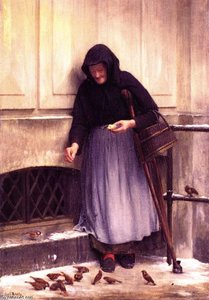
A woman sits by a window, her black dress absorbing the light. She wears a hooded shawl that frames a face turned toward a small, intimate miracle. Her hand rests upon the sill, a steady anchor in a world of movement. From her open palm, small birds descend. They are sparrows, seeking sustenance in the stillness of the room. A handbag rests nearby on the floor, a silent witness to…

Čuvena dela umetnika Карл Хајнрих Блох, od 11 do 65

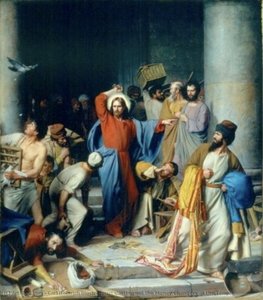
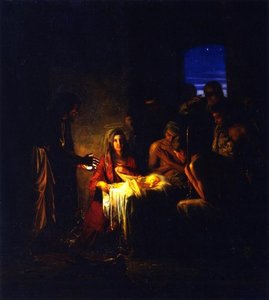
11Healing of the Blind Man (1871) čiji je Карл Хајнрих БлохHealing of the Blind Man1871 12A Fisherman from Sorrento, Italy (1860) čiji je Карл Хајнрих БлохA Fisherman from Sorrento, Italy1860 · Statens Museum For Kunst 13En gammel bondekone, der ser ud af et vindue (1874) čiji je Карл Хајнрих БлохEn gammel bondekone, der ser ud af et vindue1874 · Statens Museum For Kunst 14The Transfiguration (1872) čiji je Карл Хајнрих БлохThe Transfiguration1872 · Frederiksborg Palace 15A Fishwife (1875) čiji je Карл Хајнрих БлохA Fishwife1875 · Statens Museum For Kunst 16The Artist’s Parents, Mr. and Mrs. J. P. Bloch in Their Sitting Room (1855) čiji je Карл Хајнрих БлохThe Artist’s Parents, Mr. and Mrs. J. P. Bloch in Their Sitting Room1855 17The Daughter of Jairius (1863) čiji je Карл Хајнрих БлохThe Daughter of Jairius1863 · Statens Museum For Kunst 18Christ on the Cross (1870) čiji je Карл Хајнрих БлохChrist on the Cross1870 19Fishermen's families avaiting their return in an approsching storm. From the west coast of Jutland. (1858) čiji je Карл Хајнрих БлохFishermen's families avaiting their return in an approsching storm. From the west coast of Jutland.1858 · Hirschsprung Collection 20Two monks (1861) čiji je Карл Хајнрих БлохTwo monks1861 21Prometheus Unbound (1864) čiji je Карл Хајнрих БлохPrometheus Unbound1864 · Ribe Kunstmuseum 22The Artist's Wife, Alma Bloch, née Trepka (1868) čiji je Карл Хајнрих БлохThe Artist's Wife, Alma Bloch, née Trepka1868 · Statens Museum For Kunst 23A boy on a bench. (1871) čiji je Карл Хајнрих БлохA boy on a bench.1871 24The Temptation of Jesus (1868) čiji je Карл Хајнрих БлохThe Temptation of Jesus1868 25Two women talking (1874) čiji je Карл Хајнрих БлохTwo women talking1874 · Nivaagaards Malerisamling 26Still Life with Fish (1878) čiji je Карл Хајнрих БлохStill Life with Fish1878 · Statens Museum For Kunst 27A girl in white dress (1873) čiji je Карл Хајнрих БлохA girl in white dress1873 28Jesus Casting out the Money Changers at the Temple (1874) čiji je Карл Хајнрих БлохJesus Casting out the Money Changers at the Temple1874 29A Fransciscan monk (1873) čiji je Карл Хајнрих БлохA Fransciscan monk1873 30Reading lady (1882) čiji je Карл Хајнрих БлохReading lady1882 31Windy weather (1885) čiji je Карл Хајнрих БлохWindy weather1885 32Christ and the Sinner (1890) čiji je Карл Хајнрих БлохChrist and the Sinner1890 33Portrait of Clara Emilie Rose Bloch (1886) čiji je Карл Хајнрих БлохPortrait of Clara Emilie Rose Bloch1886 34A baker cooling off (1888) čiji je Карл Хајнрих БлохA baker cooling off1888 35A girl washing herself for carnival (1887) čiji je Карл Хајнрих БлохA girl washing herself for carnival1887 36Landscape from Hellebæk (1886) čiji je Карл Хајнрих БлохLandscape from Hellebæk1886 37Adoration of the Shepherds (1882) čiji je Карл Хајнрих БлохAdoration of the Shepherds1882 · Nationalmuseum 38En ung pige, der lugter til en rose (1889) čiji je Карл Хајнрих БлохEn ung pige, der lugter til en rose1889 · Statens Museum For Kunst 39Old People (1874) čiji je Карл Хајнрих БлохOld People1874 · Hirschsprung Collection 40Self Portrait (1886) čiji je Карл Хајнрих БлохSelf Portrait1886 41En forstyrret middagssøvn (1870) čiji je Карл Хајнрих БлохEn forstyrret middagssøvn1870 · Statens Museum For Kunst 42Evening at a moonlit lake. (1871) čiji je Карл Хајнрих БлохEvening at a moonlit lake.1871 43Massacre of the Innocents (1868) čiji je Карл Хајнрих БлохMassacre of the Innocents1868 44The Wedding at Cana (1870) čiji je Карл Хајнрих БлохThe Wedding at Cana1870 45Rear view of a writing man with a hat (1866) čiji je Карл Хајнрих БлохRear view of a writing man with a hat1866 46The Holy Night (1867) čiji je Карл Хајнрих БлохThe Holy Night1867 47The Resurrection (1873) čiji je Карл Хајнрих БлохThe Resurrection1873 48Christus Colsulator (1875) čiji je Карл Хајнрих БлохChristus Colsulator1875 49Jesus and the Samaritan Woman (1872) čiji je Карл Хајнрих БлохJesus and the Samaritan Woman1872 50Cleansing of the Temple (1874) čiji je Карл Хајнрих БлохCleansing of the Temple1874 51A Slaughterhouse in Hellebæk (1884) čiji je Карл Хајнрих БлохA Slaughterhouse in Hellebæk1884 · Statens Museum For Kunst 52A conversation between two fishermen, Hornbæk (1880) čiji je Карл Хајнрих БлохA conversation between two fishermen, Hornbæk1880 53The Shepherds and the Angel (1879) čiji je Карл Хајнрих БлохThe Shepherds and the Angel1879 54Landscape at Ellekilde in North Zealand. Sunset. (1889) čiji je Карл Хајнрих БлохLandscape at Ellekilde in North Zealand. Sunset.1889 · Statens Museum For Kunst 55Descent from the Cross (1886) čiji je Карл Хајнрих БлохDescent from the Cross1886 · Statens Museum For Kunst 56Stone beach shore (1889) čiji je Карл Хајнрих БлохStone beach shore1889 57View of the sea (1887) čiji je Карл Хајнрих БлохView of the sea1887 58Man in profile čiji je Карл Хајнрих БлохMan in profile 59Let's go for a Swim! čiji je Карл Хајнрих БлохLet's go for a Swim!Statens Museum For Kunst 60Surprise! čiji je Карл Хајнрих БлохSurprise! 61View of the Roman Campagna (preparatory study for To Munke, Aften) čiji je Карл Хајнрих БлохView of the Roman Campagna (preparatory study for To Munke, Aften) 62Temple ruins (from Paestum?) čiji je Карл Хајнрих БлохTemple ruins (from Paestum?) 63Samson and the Philistines (1863) čiji je Карл Хајнрих БлохSamson and the Philistines1863 · Statens Museum For Kunst 64Prometheus' Liberation (1864) čiji je Карл Хајнрих БлохPrometheus' Liberation1864 65Christian II in Prison at Sonderborg Castle (1871) čiji je Карл Хајнрих БлохChristian II in Prison at Sonderborg Castle1871 · Statens Museum For Kunst

Motivi koji su privlačili pažnju Карл Хајнрих Блох

Četiri teme koje se najčešće ponavljaju u ovim originalima, svaka sa svojim vrhunskim primerom.

Muzeji u kojima se čuvaju originalna dela umetnika Карл Хајнрих Блох

6 muzeja u kojima se nalazi najviše slika sa ove stranice.

Muzej Grad Radovi umetnika Карл Хајнрих Блох Slike iz ovog spiska
Statens Museum For Kunst, KopenhagenStatens Museum For Kunst Kopenhagen 15 U rimskoj osteriji, A Fisherman from Sorrento, Italy, En gammel bondekone, der ser ud af et vindue
Hirschsprung Collection, KopenhagenHirschsprung Collection Kopenhagen 2 Fishermen's families avaiting their return in an approsching storm. From the west coast of Jutland., Old People
Frederiksborg Palace, HillerødFrederiksborg Palace Hillerød 1 The Transfiguration
Ribe Kunstmuseum, EsbjergRibe Kunstmuseum Esbjerg 1 Prometheus Unbound
Nivaagaards Malerisamling, NibeNivaagaards Malerisamling Nibe 1 Two women talking
Nationalmuseum, СтокхолмNationalmuseum Стокхолм 1 Adoration of the Shepherds

Карл Хајнрих Блох kroz decenije: jedan jedinstveni original za svaku

Radovi po decenijama

Izaberite deceniju da biste videli original koji je definiše.

Slike umetnika Карл Хајнрих Блох: pitanja za galeriju

Koje je najpoznatije delo umetnika Карл Хајнрих Блох?Otkrij odgovor

U rimskoj osteriji (1866), Statens Museum For Kunst, Kopenhagen. Slede The Last Supper (1876) i Jesus Raises Lazarus from the Dead (1871).

U kojoj je godini Карл Хајнрих Блох stvorio/la U rimskoj osteriji?Otkrij odgovor

32 godina: U rimskoj osteriji datira iz 1866, a Карл Хајнрих Блох je rođen/a 1834.

Koji je deset najpoznatijih slika autora Карл Хајнрих Блох?Otkrij odgovor

U rimskoj osteriji, The Last Supper, Jesus Raises Lazarus from the Dead, Let the Little Children Come unto Me, Christ in Gethsemane, Sermon on the Mount, The Twelve-Year-Old Jesus in the Temple, The Meeting of Mary and Elizabeth, The Denial of Peter i The Woman with the Sparrows. Gornji rang pokazuje godinu i muzej za svako od njih.

Koliko je poznatih dela umetnika Карл Хајнрих Блох?Otkrij odgovor

Naš katalog sadrži 65 dela umetnika Карл Хајнрих Блох, datiranih od 1855 do 1890.

Gde se mogu videti najpoznatiji originali umetnika Карл Хајнрих Блох?Otkrij odgovor

Većinom u Statens Museum For Kunst (Kopenhagen), Hirschsprung Collection (Kopenhagen) i Frederiksborg Palace (Hillerød). Tabela muzeja iznad sadrži njih sve.

U kom periodu je Карл Хајнрих Блох stvorio/la svoje najpoznatije slike?Otkrij odgovor

U 1870s: 25 od 65 dela na ovoj stranici nastalo je tada, od čega je The Last Supper.

Ko je najraniji, a koje je najkasnije čuveno delo umetnika Карл Хајнрих Блох?Otkrij odgovor

Na ovoj stranici, najstarije delo je iz The Artist’s Parents, Mr. and Mrs. J. P. Bloch in Their Sitting Room (1855), a najnovije iz Christ and the Sinner (1890).

Koje su teme Карл Хајнрих Блох preferirao/la?Otkrij odgovor

People (8), Woman (7) i Jesus (5), kroz svih 65 dela na ovoj stranici.

Sa kojim materijalima je Карл Хајнрих Блох najčešće slikao?Otkrij odgovor

Oil On Canvas, za 13 od 65 dela na ovoj stranici.

Kojem umetničkom pravcu pripada delo umetnika Карл Хајнрих Блох?Otkrij odgovor

Realism, sudeći po originalima na ovoj stranici.

Koja originalna dela Карл Хајнрих Блох mogu videti u Statens Museum For Kunst?Otkrij odgovor

U rimskoj osteriji, A Fisherman from Sorrento, Italy i En gammel bondekone, der ser ud af et vindue: Statens Museum For Kunst, Kopenhagen čuva 15 dela sa ove stranice.

Карл Хајнрих Блох: portret umetnika

Život posvećen umetnosti i veri

Karl Heinrich Bloch, rođen u Kopenhagenu 23. maja 1834. godine, bio je danski slikar čije ime je postalo sinonim za duboko emotivne prikaze biblijskih priča i tišinu dostojanstva svakodnevnog života. Njegov put kao umetnika prvobitno nije bio podržan od strane roditelja, koji su svom sinu vizionirali konvencionalniji put – karijeru na moru. Međutim, Blochova nepokolebljiva strast prema umetnosti se pokazala neodoljivom, što ga je dovelo da se upiše na Kraljevsku dansku akademiju lepih umetnosti 1855. godine pod mentorstvom Wilhelma Marstranda. Ova formalna obuka postavila je ključnu osnovu za njegov umetnički razvoj, usavršavajući njegove veštine i oblikujući njegov estetski senzibilitet. Rane radove otkrivaju oštar dar posmatranja, fokusirajući se na ruralne scene i hvatajući suštinu običnog postojanja sa izuzetnom osetljivošću.

Italijansko buđenje i umetnički sazrevanje

Ključan trenutak u Blochovom umetničkom razvoju stigao je sa njegovim produženim boravkom u Italiji od 1859. do 1866. godine. Ovaj period se pokazao transformativnim, izlažući ga bogatstvu umetničkog nasleđa i duboko utičući na njegov stil. Upravo tokom ovih godina naišao je na dela Rembranta van Rijna, susret koji bi neprikosloveno obeležio njegov pristup slikanju. Holandskog majstora – njegova vešta upotreba svetla i senke, dramatična igra između osvetljenja i tame – duboko je rezonirala sa Blochom, postajući definisujuća karakteristika njegovog sopstvenog rada. Usvojio je ne samo tehničke aspekte, već i emocionalnu dubinu i psihološki uvid koji je Rembrandt uneo na svoje platna. U Rimu je pronašao ličnu sreću, venčavši se sa Almom Trepkom 1868. godine; njihov brak je bio izvor radosti sve do njene prerane smrti 1886. godine, događaja koji je bacio dugu senku na njegove kasnije godine.

Trijumf u Frederiksborgu i trajno nasleđe

Blochov uspon na vrhunac započeo je izložbom *Prometeja oslobođenog* u Kopenhagenu 1865. godine, što je označilo prekretnicu u njegovoj karijeri. Brzo se etablirao kao vodeći umetnik, nasleđujući Marstranda u dovršavanju dekoracije svečane sale na Univerzitetu u Kopenhagenu. Međutim, upravo njegova narudžbina za stvaranje dvadeset i tri slika za Kraljevsku kapelu u Frederiksborg Palati (koja je trajala od 1865. do 1879. godine) učvrstila njegovu ostavštinu. Ove scene iz života Hrista – renderovane sa zadivljujućim detaljima i emotivnim intenzitetom – postale su izuzetno popularne i smatraju se jednim od njegovih najvećih dostignuća. Snaga ovih slika protezala se van granica Danske; Bloch je potom kreirao oltarske slike zasnovane na Frederiksborgovim slikama, koje su pronašle domove u crkvama širom Danske i Švedske.

Stil, uticaji i trajan uticaj

Blochov umetnički stil bio je zadivljujuća mešavina realizma i romantizma. Imao je izuzetan dar da prikaže biblijske priče sa istorijskom tačnošću i dubokom emotivnom rezonancijom. Uticaj Rembranta je neosporan u njegovoj veštoj manipulaciji svetlom i senkom, stvarajući dramatične efekte koji pojačavaju osećaj duhovnosti i ljudske drame. Takođe je pripadao “Eckersbergovoj tradiciji” unutar danske umetnosti, školi poznatoj po svojoj posvećenosti realizmu i nacionalnim temama. Pored svoje tehničke veštine, Blochov rad je rezonirao sa publikom zbog svoje iskrene empatije i duhovne dubine. Njegove slike nisu bile samo ilustracije; bile su pozivi na kontemplaciju vere, patnje i otkupljenja. Njegov uticaj seže daleko izvan oblasti likovne umetnosti. Crkva Isusa Hrista Svetaca poslednjih dana je opsežno koristila Blochove slike sa Frederiksborg Palate u svojim crkvenim zgradama i štampanim materijalima, prepoznajući njihovu moć da prenesu biblijske priče jasno i emotivno. Čak su služile kao vizuelne reference za filmove koji prikazuju bibličke priče. H.C. Andersen, slavni danski pisac, prepoznao je Blochov izuzetan talenat, predviđajući da će on “postati plemenit na zemlji” i uzdići se ka “velikom nebu umetnosti”. Karl Madsen ga je takođe proglasio jednim od “najplemenitijih među svima!” Karl Heinrich Bloch je preminuo u Kopenhagenu 22. februara 1890. godine, ostavljajući za sobom opus dela koji nastavlja da inspiriše divljenje i poštovanje. Njegove slike ostaju svedočanstva njegovog umetničkog genija i trajne vere – nasleđe koje osigurava njegovo mesto kao jednog od najvoljenijih verskih umetnika 19. veka.