


1


Ažurirano: октобар 2026 · rangirano prema našem koeficijentu popularnosti (pretrage, posete i porudžbine za svako delo) · 52 dela Robert Herdman u našem katalogu
Ukratko
Iz perspektive galerije, najpoznatije delo umetnika Robert Herdman je John Campbell Shairp (1819–1885), LLD (1886). The young seamstress (1860) i The Arrochar Gleaner (1862) čine triju koju svako oko prepoznaje. Od 52 dela umetnika Robert Herdman u našem katalogu, galerija u nastavku predstavlja 52 najpoznatijih dela, od kojih je svako originalno, sa navedenom godinom nastanka, muzejom i onim što ga čini jedinstvenim.


The painting "Morning" by Robert Inerarity Herdman is a beautiful and captivating piece of art that showcases the artist's skill and attention to detail. Created in 1861, this oil on panel painting measures 31 x 23 cm and is currently displayed at the Glasgow Museums Resource Centre in the United Kingdom. Painting Description The painting features a young child wearing a blue hat with a bow on it, holding a…


 Evening1862
12
 'Who still in dreams can hear the heavenly harps'1862
13
 Fern Gatherer1866
14
 After the Battle1870 · Scottish National Gallery
15
 Sir Joseph Noel Paton (1821–1901)1870
16
 Aeneas Ranald McDonell (1820–1897)1868
17
 David Octavius Hill (1802–1870), RSA1870 · Royal Scottish Academy of Art - Architecture
18
 A Fountain Group, South Italy1868
19
 Mary, Queen of Scots The Farewell to France1867
20
 Emily Merelina Meymott (1830–1911), Baroness Shand1867 · Scottish National Gallery
21
 Execution of Mary, Queen of Scots1867
22
 Evening Thoughts1864 · Scottish National Gallery
23
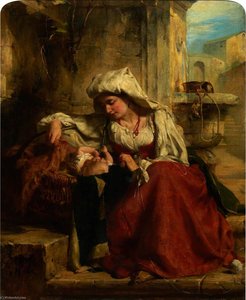 La culla – Study in Italy1864 · Royal Scottish Academy of Art - Architecture
24
 Charles Shaw Lefevre (1794–1888), 1st Viscount Eversley, in the Uniform of the Hampshire Carabiniers1875
25
 Sir James Falshaw (1810–1889), Bt, Lord Provost of Edinburgh (1874–1877)1877
26
 C. G. Shaw1878 · County Buildings
27
 Sir George Harvey (1806–1876), Artist1874 · Scottish National Portrait Gallery
28
 Sir James David Marwick (1826–1908), Town Clerk of Glasgow (1873–1903)1873
29
 Sir George Harvey (1806–1876), PRSA1874 · Royal Scottish Academy of Art - Architecture
30
 Thomas Carlyle1876 · The National Trust For Scotland
31
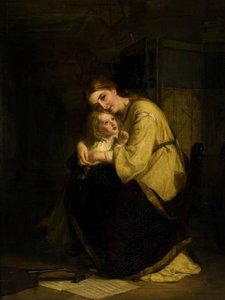 Pleasures of Hope1877
32
 Lochiel's Warning1878
33
 David Laing (1793–1878), Antiquary1874 · Scottish National Portrait Gallery
34
 A Conventicle Preacher before the Justices1876 · Royal Scottish Academy of Art - Architecture
35
 Sir Theodore Martin1876 · National Portrait Gallery
36
 Thomas Carlyle (1795–1881)1875 · Dumfries Museum And Camera Obscura
37
 The Conference between Mary, Queen of Scots and John Knox at Holyrood Palace, 15611875
38
 George Rough (1801–1888), Provost of Dundee (1853–1856)1882
39
 Wae's Me1879
40
 Alexander Laing, LLD, Newburgh1885
41
 Self Portrait1883
42
 Peter Clouston, Lord Provost of Glasgow (1860–1863)1883
43
 Reverend George S. Burns, Minister of Glasgow Cathedral1881
44
 Sir William Collins (1817–1895), Lord Provost of Glasgow (1877–1880)1881
45
 Sir James Watson (1801–1889), Lord Provost of Glasgow (1871–1874)1882
46
 Bouverie Francis Primrose (1813–1898), Secretary to the Board of Trustees for Manufactures and Fisheries1883 · Scottish National Portrait Gallery
47
 A Sprig of Arran Heather
48
 A Pilot
49
 Saint Columba Rescuing a Captive1883
50
 Corrie, a Crofter's Harvest
51
 SleepLeeds Art Gallery
52
 Sir Joseph Noel Paton (1821–1901), RSARoyal Scottish Academy of Art - Architecture
Četiri teme koje se najčešće ponavljaju u ovim originalima, svaka sa svojim vrhunskim primerom.
8 muzeja u kojima se nalazi najviše slika sa ove stranice.
| Muzej | Grad | Radovi umetnika Robert Herdman | Slike iz ovog spiska |
|---|---|---|---|
 Scottish National Portrait Gallery |
Edinburg | 5 | Thomas Carlyle (1795–1881), Historian and Essayist, Reverend John Tulloch (1823–1886), Theologian and Principal of St Andrews University, Sir George Harvey (1806–1876), Artist |
 Royal Scottish Academy of Art - Architecture |
Edinburgh | 5 | David Octavius Hill (1802–1870), RSA, La culla – Study in Italy, Sir George Harvey (1806–1876), PRSA |
 Scottish National Gallery |
Edinburgh | 3 | After the Battle, Emily Merelina Meymott (1830–1911), Baroness Shand, Evening Thoughts |
 County Buildings |
Ayr | 1 | C. G. Shaw |
 The National Trust For Scotland |
Ecclesburn | 1 | Thomas Carlyle |
 National Portrait Gallery |
London | 1 | Sir Theodore Martin |
 Dumfries Museum And Camera Obscura |
Dumfries | 1 | Thomas Carlyle (1795–1881) |
 Leeds Art Gallery |
Lids | 1 | Sleep |
Izaberite deceniju da biste videli original koji je definiše.
John Campbell Shairp (1819–1885), LLD (1886). Slede The young seamstress (1860) i The Arrochar Gleaner (1862).
57 godina: John Campbell Shairp (1819–1885), LLD datira iz 1886, a Robert Herdman je rođen/a 1829.
John Campbell Shairp (1819–1885), LLD, The young seamstress, The Arrochar Gleaner, Thomas Carlyle (1795–1881), Historian and Essayist, John Tulloch (1823–1886), Reverend John Tulloch (1823–1886), Theologian and Principal of St Andrews University, Morning, The Time of Primroses, Bonny Bell i The Gleaner. Gornji rang pokazuje godinu i muzej za svako od njih.
Naš katalog sadrži 52 dela umetnika Robert Herdman, datiranih od 1854 do 1886.
Većinom u Scottish National Portrait Gallery (Edinburg), Royal Scottish Academy of Art - Architecture (Edinburgh) i Scottish National Gallery (Edinburgh). Tabela muzeja iznad sadrži njih sve.
U 1870s: 19 od 52 dela na ovoj stranici nastalo je tada, od čega je Thomas Carlyle (1795–1881), Historian and Essayist.
Na ovoj stranici, najstarije delo je iz The Time of Primroses (1854), a najnovije iz John Campbell Shairp (1819–1885), LLD (1886).
Victorian era (3), Portraiture (2) i Elderly man (2), kroz svih 52 dela na ovoj stranici.
Romanticism, sudeći po originalima na ovoj stranici.
Thomas Carlyle (1795–1881), Historian and Essayist, Reverend John Tulloch (1823–1886), Theologian and Principal of St Andrews University i Sir George Harvey (1806–1876), Artist: Scottish National Portrait Gallery, Edinburg čuva 5 dela sa ove stranice.

