


1


Ažurirano: новембар 2026 · rangirano prema našem koeficijentu popularnosti (pretrage, posete i porudžbine za svako delo) · 59 dela Robert Gwathmey u našem katalogu
Ukratko
The Farmer Wanted a Boy (1942) je slika autora Robert Gwathmey koja privlači najviše pažnje; original se nalazi u muzeju Art Institute of Chicago, Čikago. Nakon toga, pogled se seli na Portrait of a Farmer's Wife (1951) i Parade (1951). Među 59 dela umetnika Robert Gwathmey u našem katalogu, ovih 56 su najpoznatija, od kojih je svako jedinstveni original predstavljen sa godinom nastanka, muzejom i razlogom zbog kojeg je i danas neprocenjivo.


The Parade painting by Robert Gwathmey is a remarkable piece of art that showcases the artist's unique style and technique. Created in 1951, this watercolour painting measures 53 x 36 cm and is currently housed at the Smithsonian American Art Museum in the United States. Artist Background Robert Gwathmey was an American artist known for his bold and expressive works of art. Born in 1903, he was a prominent figure…


 Untitled (853)
12
 Untitled (574)
13
 Untitled (791)
14
 Untitled (219)
15
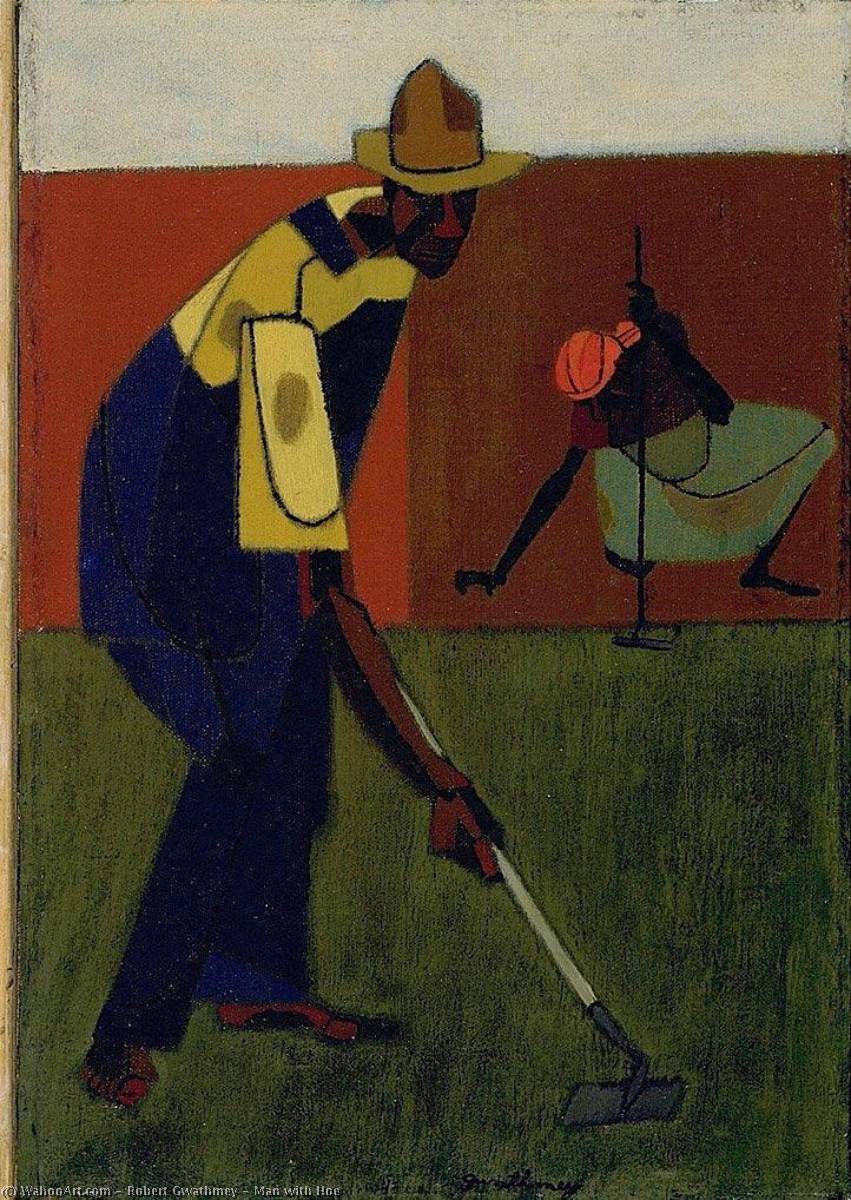
 Man with Hoe1944
16
 Singing and Mending1944
17
 Front Porch1947
18
 Poll Tax Country1945
19
 Sharecroppers and Blackberry Pickers1950
20
 Carrying the Sack1950
21
 Asleep at the Table1945 · Ogden Museum of Southern Art
22
 Untitled (813)
23
 Untitled (585)
24
 Untitled (196)
25
 Untitled (106)
26
 Untitled (721)
27
 Untitled (226)
28
 Untitled (193)
29
 Untitled (805)
30
 Untitled (561)
31
 Untitled (348)
32
 Untitled (491)
33
 Untitled (360)
34
 Untitled (416)
35
 Untitled (558)
36
 Untitled (285)
37
 Untitled (857)
38
 Untitled (207)
39
 Untitled (788)
40
 Untitled (724)
41
 Untitled (668)
42
 Untitled (655)
43
 Untitled (626)
44
 Untitled (735)
45
 Untitled (909)
46
 Untitled (968)
47
 Untitled (878)
48
 Untitled (106)
49
 Untitled (958)
50
 Untitled (857)
51
 Untitled (430)
52
 Untitled (750)
53
 Untitled (183)
54
 Untitled (229)
55
 Untitled (565)
56
 Going Home
2 muzeja u kojima se nalazi najviše slika sa ove stranice.
| Muzej | Grad | Radovi umetnika Robert Gwathmey | Slike iz ovog spiska |
|---|---|---|---|
 Art Institute of Chicago |
Čikago | 1 | The Farmer Wanted a Boy |
 Ogden Museum of Southern Art |
New Orleans | 1 | Asleep at the Table |
Originalna dela Robert Gwathmey prikazana ovde obuhvataju period od otprilike deset godina, od 1942 do 1951: oko prati ih godinu po godinu.
Izaberite godinu da biste videli originalna dela.


The Farmer Wanted a Boy (1942), Art Institute of Chicago, Čikago. Slede Portrait of a Farmer's Wife (1951) i Parade (1951).
39 godina: The Farmer Wanted a Boy datira iz 1942, a Robert Gwathmey je rođen/a 1903.
The Farmer Wanted a Boy, Portrait of a Farmer's Wife, Parade, Untitled (504), Untitled (978), Untitled (811), Untitled (540), Untitled (830), Untitled (598) i Untitled (389). Gornji rang pokazuje godinu i muzej za svako od njih.
Naš katalog sadrži 59 dela umetnika Robert Gwathmey, datiranih od 1942 do 1951.
Većinom u Art Institute of Chicago (Čikago) i Ogden Museum of Southern Art (New Orleans). Tabela muzeja iznad sadrži njih sve.
U 1944: 2 od 56 dela na ovoj stranici nastalo je tada, od čega je Man with Hoe.
Na ovoj stranici, najstarije delo je iz The Farmer Wanted a Boy (1942), a najnovije iz Portrait of a Farmer's Wife (1951).
Social realism, sudeći po originalima na ovoj stranici.