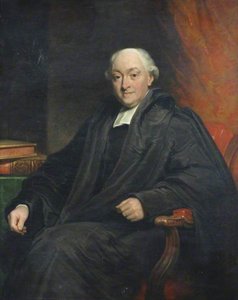
Portret Richard Evans

Slike umetnika Richard Evans: Najpoznatijih 23 kroz oči galerije

Ažurirano: новембар 2026 · rangirano prema našem koeficijentu popularnosti (pretrage, posete i porudžbine za svako delo) · 28 dela Richard Evans u našem katalogu

Ukratko

Za ljubitelje galerije, najpoznatije delo umetnika Richard Evans je Portrait of Semion R. Vorontsov (1744-1832) (1828), čiji se original nalazi u muzeju Ermitaž, Sankt Peterburg. Sir Thomas Lawrence (1820) i Thomas Taylor (copy after Thomas Lawrence) (1812) čine triju koju svako oko prepoznaje. Od 28 dela umetnika Richard Evans u našem katalogu, galerija u nastavku predstavlja 23 najpoznatijih dela, od kojih je svako originalno, sa navedenom godinom nastanka, muzejom i onim što ga čini jedinstvenim.

1784 – 1871, Shrewsbury Neoclassicism Najviše dela: Durham University

Top 10 slika umetnika Richard Evans u galeriji

1
Portrait of Semion R. Vorontsov (1744-1832) (1828) čiji je autor Richard Evans

Portrait of Semion R. Vorontsov (1744-1832)

1828 · Oil On Canvas · Ermitaž, Sankt Peterburg

The sitter is positioned in a composed, authoritative pose, seated slightly to the left within a structured composition. He is framed by heavy, dark drapery on the upper left, while a dark landscape recedes into the background on the right. The palette relies on somber, deep tones—blacks, dark blues, and earthy browns—which provide a stark contrast to the warm reddish-orange of the armchair and the pale skin tones of the…

2
Sir Thomas Lawrence (1820) čiji je autor Richard Evans

Sir Thomas Lawrence

1820 · Oil On Canvas · National Portrait Gallery, London

This oil on canvas portrait presents a bust-length view of a middle-aged man, positioned centrally against a dark, undifferentiated background. The subject is a balding man with dark hair at the sides and prominent sideburns. He gazes directly at the viewer with a steady expression. His attire consists of dark formal clothing, contrasted by the bright white of a cravat. In the lower foreground, his hand holds a wooden palette…

3
Thomas Taylor (copy after Thomas Lawrence) (1812) čiji je autor Richard Evans

Thomas Taylor (copy after Thomas Lawrence)

1812 · Oil

This work, titled Thomas Taylor (copy after Thomas Lawrence), was executed by the English painter Richard Evans. It represents a significant moment in Evans’s early career, created around 1812. During this period, Evans was refining his technical skill through his close association with Sir Thomas Lawrence, whose influence is deeply embedded in the composition and style of this piece.

5
Ganymede Feeding the Eagle (1822) čiji je autor Richard Evans

Ganymede Feeding the Eagle

1822 · Fresco

The scene unfolds in Ganymede Feeding the Eagle, a work that captures a mythic encounter through the hand of Richard Evans. This piece dates to about 1822, a time when the artist was deeply immersed in the classical traditions of Europe. The painting presents a moment of quiet interaction between a figure and a bird, frozen in a landscape that feels both immediate and ancient.

6
George Canning (1825) čiji je autor Richard Evans

George Canning

1825 · Oil

This oil painting, titled George Canning by Richard Evans, depicts the British statesman George Canning. The portrait was created about 1825. The subject is shown in his later years, presented in a manner that reflects his status during his tenure as Prime Minister, a position he held from 1823 to 1827.

7
Alderman Thomas Carden (1738–1836) (1828) čiji je autor Richard Evans

Alderman Thomas Carden (1738–1836)

1828 · Oil On Canvas · Worcester Guildhall, Worcester

In this oil on canvas painting from 1828, an elderly man sits in a chair, his body angled slightly toward the viewer while his gaze is directed off-camera. He wears a heavy red robe that covers his shoulders and torso. His hands are positioned near his face, with his fingers resting against his chin in a contemplative gesture. A book lies on a surface in the foreground, positioned directly in…

8
William Carr, Viscount Beresford (1768–1854), General (completed by Richard Evans, Lawrence's assistant, after Lawrence's death) (1831) čiji je autor Richard Evans

William Carr, Viscount Beresford (1768–1854), General (completed by Richard Evans, Lawrence's assistant, after Lawrence's death)

1831 · Oil On Canvas · Government Art Collection, London

The portrait depicts William Carr, Viscount Beresford, positioned on the left side of the canvas. He is shown in military attire, wearing a cape and standing with one hand resting on his hip. His posture is upright, directed toward the viewer. In the middle ground, a horse is visible, suggesting a military or field setting. The background contains a landscape of mountains under a sky that meets the horizon line.…

9
Harriet Martineau (1834) čiji je autor Richard Evans

Harriet Martineau

1834 · Oil · National Portrait Gallery, London

A woman sits anchored in a chair, her hands resting in a quiet fold upon her lap. She wears a black dress that absorbs the light, a dark void interrupted only by the soft texture of fur around her neck. Her gaze is fixed, heavy with a serious, contemplative stillness. In the periphery, two figures move through their own tasks, their presence a mere hum against her silence. She is…

10
George Bradshaw (1841) čiji je autor Richard Evans

George Bradshaw

1841 · Oil On Canvas

The portrait depicts George Bradshaw, a man appearing to be in his 50s or 60s, seated in a chair positioned toward the left side of the frame. He wears a dark grey suit paired with a white collar and a tie, presenting an appearance of intellectual focus. His gaze is directed toward a large map that spans the entire width of the background. This map, a detailed representation of railway…

Slike umetnika Richard Evans, rangirane od 11 do 23

Motivi koji su privlačili pažnju Richard Evans

Četiri teme koje se najčešće ponavljaju u ovim originalima, svaka sa svojim vrhunskim primerom.

Muzeji u kojima se čuvaju originalna dela umetnika Richard Evans

6 muzeja u kojima se nalazi najviše slika sa ove stranice.

Muzeji Grad Radovi umetnika Richard Evans Slike iz ovog spiska
Durham University, DarmDurham University Darm 9 Dr Richard Prosser, Dr Richard Prosser (1747–1839), Dr William Stephen Gilly
National Portrait Gallery, LondonNational Portrait Gallery London 3 Sir Thomas Lawrence, Harriet Martineau, George Bradshaw
Ermitaž, Sankt PeterburgErmitaž Sankt Peterburg 1 Portrait of Semion R. Vorontsov (1744-1832)
Worcester Guildhall, WorcesterWorcester Guildhall Worcester 1 Alderman Thomas Carden (1738–1836)
Government Art Collection, LondonGovernment Art Collection London 1 William Carr, Viscount Beresford (1768–1854), General (completed by Richard Evans, Lawrence's assistant, after Lawrence's death)
National Maritime Museum, LondonNational Maritime Museum London 1 Sir Thomas Masterman Hardy (1769–1839), Bt, Vice Admiral of the Blue

Richard Evans, jedno autentično delo po deceniji

Radovi po decenijama

Izaberite deceniju da biste videli original koji je definiše.

Slike umetnika Richard Evans: odgovori galerije

Koja je najpoznatija slika umetnika Richard Evans?Otkrij odgovor

Portrait of Semion R. Vorontsov (1744-1832) (1828), Ermitaž, Sankt Peterburg. Slede Sir Thomas Lawrence (1820) i Thomas Taylor (copy after Thomas Lawrence) (1812).

Koliko je godina imao/la Richard Evans kada je dovršio/la Portrait of Semion R. Vorontsov (1744-1832)?Otkrij odgovor

44 godina: Portrait of Semion R. Vorontsov (1744-1832) datira iz 1828, a Richard Evans je rođen/a 1784.

Koja su najbolja 10 dela umetnika Richard Evans?Otkrij odgovor

Portrait of Semion R. Vorontsov (1744-1832), Sir Thomas Lawrence, Thomas Taylor (copy after Thomas Lawrence), Ganymede Feeding the Eagle, Ganymede Feeding the Eagle, George Canning, Alderman Thomas Carden (1738–1836), William Carr, Viscount Beresford (1768–1854), General (completed by Richard Evans, Lawrence's assistant, after Lawrence's death), Harriet Martineau i George Bradshaw. Gornji rang pokazuje godinu i muzej za svako od njih.

Koliko je dela stvorio/la Richard Evans?Otkrij odgovor

Naš katalog sadrži 28 dela umetnika Richard Evans, datiranih od 1812 do 1841.

Gde se nalaze najpoznatiji originali umetnika Richard Evans?Otkrij odgovor

Većinom u Durham University (Darm), National Portrait Gallery (London) i Ermitaž (Sankt Peterburg). Tabela muzeja iznad sadrži njih sve.

Kada je Richard Evans stvorio svoje najpoznatije slike?Otkrij odgovor

U 1820s: 6 od 23 dela na ovoj stranici nastalo je tada, od čega je Portrait of Semion R. Vorontsov (1744-1832).

Koja su najranija i najkasnija poznata dela umetnika Richard Evans?Otkrij odgovor

Na ovoj stranici, najstarije delo je iz Thomas Taylor (copy after Thomas Lawrence) (1812), a najnovije iz George Bradshaw (1841).

Kojim se motivima Richard Evans najčešće bavio?Otkrij odgovor

Man (7), People (4) i Suit (3), kroz svih 23 dela na ovoj stranici.

U kojoj je tehnici najviše radio/la Richard Evans?Otkrij odgovor

Oil On Canvas, za 6 od 23 dela na ovoj stranici.

Sa kojim umetničkim pravcem je Richard Evans povezan/a?Otkrij odgovor

Neoclassicism, sudeći po originalima na ovoj stranici.

Koje originale umetnika Richard Evans poseduje Durham University?Otkrij odgovor

Dr Richard Prosser, Dr Richard Prosser (1747–1839) i Dr William Stephen Gilly: Durham University, Darm čuva 9 dela sa ove stranice.

Richard Evans: umetnik

A Life Dedicated to Likeness: The World of Richard Evans

Richard Evans (1784-1871) occupies a fascinating, if often overlooked, position in the landscape of 19th-century British portraiture. Born into an era captivated by image and social standing, he carved out a career not as a revolutionary innovator, but as a supremely skilled and adaptable painter – a portraitist and copyist whose work reflected the tastes and demands of his time. While never achieving the household name recognition of contemporaries like Lawrence or Raeburn, Evans’s life story is one of consistent professional success, international travel, and a dedication to mastering the art of capturing human likeness. His journey took him from the studios of London to the vibrant society of Haiti, and ultimately to Italy, where he spent his later years honing his craft.

Early Training and Apprenticeship in London

Evans’s artistic education began in London, a bustling center for art and commerce. He initially trained under Henry Thomson, a respected portrait painter known for his meticulous technique and ability to capture the character of his sitters. This foundational training instilled in Evans a commitment to realism and accuracy that would define his entire career. However, it was his subsequent association with Sir Thomas Lawrence that proved particularly formative. Lawrence, the leading portraitist of the day, recognized Evans’s talent and took him into his studio as an assistant. This apprenticeship provided invaluable experience, exposing Evans to the techniques, clientele, and social dynamics of a highly successful artistic practice. He learned not only how to paint but also how to navigate the complex world of commissions, patronage, and public perception. Evans' early works demonstrate Lawrence’s influence – elegant poses, refined brushwork, and a focus on flattering representation.

A Caribbean Interlude: Portraiture in Haiti

In 1809, Evans embarked on an unusual chapter of his career, accepting a commission to paint portraits in Haiti. This was a period of significant political upheaval following the Haitian Revolution, and the island nation presented a unique cultural landscape. The details surrounding this commission remain somewhat obscure, but it is believed that he was employed by prominent members of the newly established Haitian elite – individuals eager to establish their status through portraiture. Painting in Haiti offered Evans an opportunity to depict subjects from diverse backgrounds, challenging him to adapt his style and approach beyond the conventions of British society. The portraits produced during this time are notable for their sensitivity and dignity, capturing the individuality of his sitters against a backdrop of post-revolutionary change. This experience broadened his artistic horizons and instilled in him an appreciation for different cultural aesthetics.

Italian Sojourn and Refinement of Style

Following his return from Haiti, Evans spent extended periods in Italy, primarily Rome, beginning around 1814. This move was driven by a desire to study the Old Masters – Michelangelo, Raphael, and Titian – and to further refine his technique. The Italian sojourn marked a turning point in his artistic development. He immersed himself in classical art, absorbing its principles of composition, anatomy, and color. His style became increasingly influenced by Renaissance portraiture, characterized by a greater emphasis on form, depth, and psychological insight. He was elected to the British Academy in Rome in 1820, solidifying his reputation as a serious artist dedicated to academic standards. During this period, he also undertook numerous commissions from British travelers visiting Italy, creating portraits that blended classical influences with contemporary sensibilities.

Legacy and Historical Significance

Richard Evans’s career spanned over six decades, during which he produced a substantial body of work – portraits, copies after Old Masters, and historical compositions. While he may not be celebrated as an innovator, his skill as a portraitist was widely recognized by his contemporaries. He possessed a remarkable ability to capture the likeness and character of his sitters, creating images that were both aesthetically pleasing and psychologically insightful. His work provides valuable insights into the social history of 19th-century Britain and Haiti, documenting the lives and aspirations of individuals from diverse backgrounds. Evans’s copies after Old Masters demonstrate a deep understanding of artistic technique and serve as important records of works that may no longer exist in their original form. His time in Haiti is particularly significant, offering a rare glimpse into the art and society of this post-revolutionary nation. Though often overshadowed by more famous artists, Richard Evans’s dedication to his craft and his ability to adapt to different cultural contexts make him a compelling figure in the history of British portraiture – a testament to the enduring power of likeness and representation.