Portret Joane Cardinal-Schubert

4 najpoznatijih slika umetnika Joane Cardinal-Schubert, svaka potpuno jedinstvena

Ažurirano: октобар 2026 · rangirano prema našem koeficijentu popularnosti (pretrage, posete i porudžbine za svako delo) · 5 dela Joane Cardinal-Schubert u našem katalogu

Ukratko

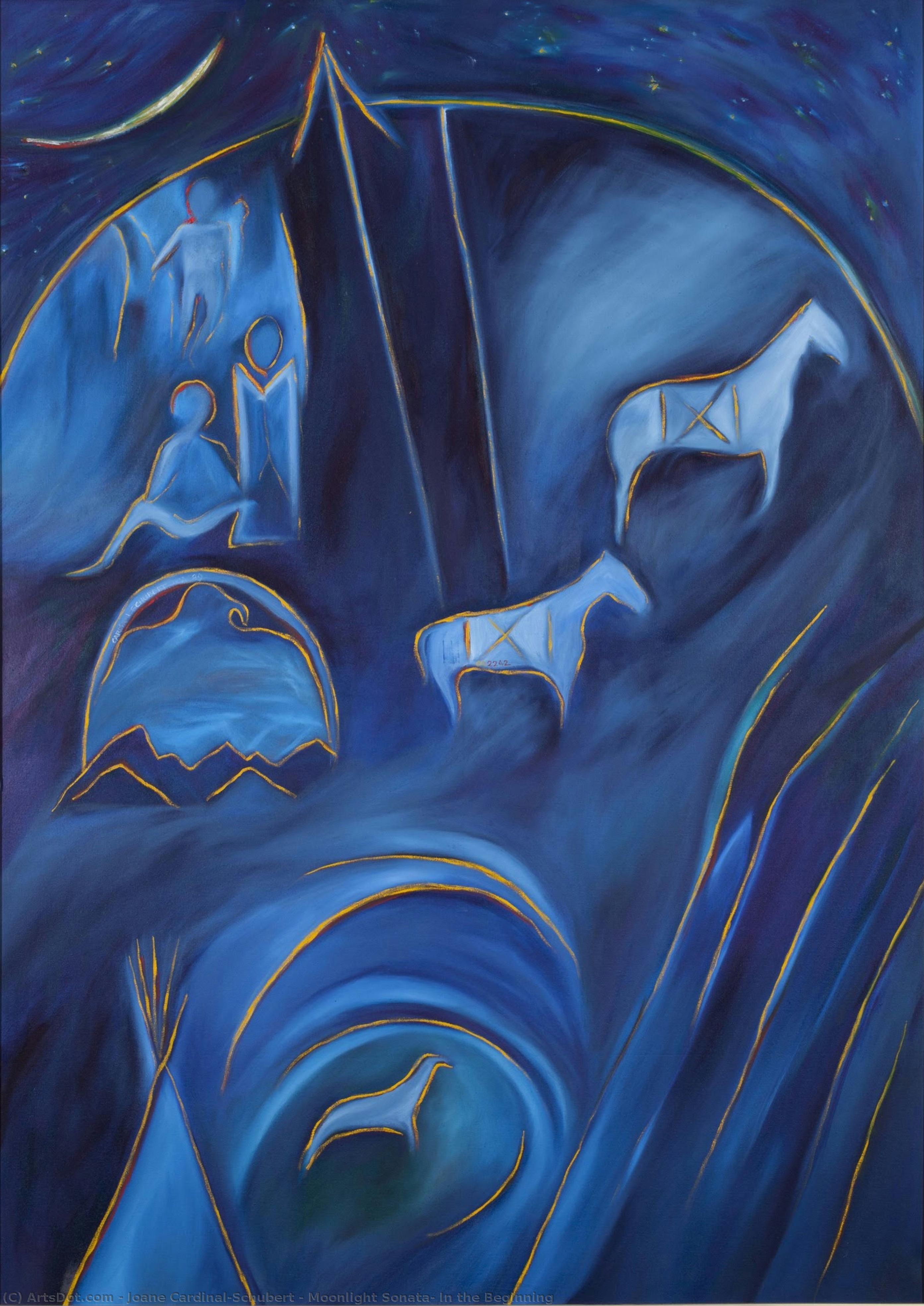
Moonlight Sonata: In the Beginning (1989) je slika autora Joane Cardinal-Schubert koja privlači najviše pažnje; original se nalazi u muzeju Alberta Foundation for the Arts, Edmonton. Nakon toga, pogled se seli na I Dream of Horse / Counterpane (2002) i Looking For the Silver Bullet (1995). Među 5 dela umetnika Joane Cardinal-Schubert u našem katalogu, ovih 4 su najpoznatija, od kojih je svako jedinstveni original predstavljen sa godinom nastanka, muzejom i razlogom zbog kojeg je i danas neprocenjivo.

1942 – 2009, Red Deer Contemporary art Najviše dela: Alberta Foundation for the Arts

Top 10 slika umetnika Joane Cardinal-Schubert, iz ugla galerije

2
I Dream of Horse / Counterpane (2002) čiji je Joane Cardinal-Schubert

I Dream of Horse / Counterpane

In the breathtaking canvas of I Dream of Horse / Counterpane, the viewer is transported into a world where movement and memory intertwine. Created in 2002 by the esteemed Kainai Nation artist Joane Cardinal-Schubert, this masterpiece serves as a vibrant window into a landscape teeming with life and ancestral echoes. The composition is a rhythmic dance of equine forms; a central, large horse bows its head in a moment of…

3
Looking For the Silver Bullet (1995) čiji je Joane Cardinal-Schubert

Looking For the Silver Bullet

1995 · Painting · Alberta Foundation for the Arts, Edmonton

In the profound and evocative masterpiece Looking For the Silver Bullet, created in 1995, the viewer is transported into a realm where the boundaries between humanity and the natural world dissolve. This vibrant work by the esteemed Kainai Nation artist Joane Cardinal-Shrubert serves as more than just a painting; it is a powerful testament to Indigenous identity and cultural endurance. The composition centers on a striking female figure, adorned with…

Motivi koji su privlačili pažnju Joane Cardinal-Schubert

Četiri teme koje se najčešće ponavljaju u ovim originalima, svaka sa svojim vrhunskim primerom.

Muzeji u kojima se čuvaju originalna dela umetnika Joane Cardinal-Schubert

1 muzeja u kojima se nalazi najviše slika sa ove stranice.

Muzej Grad Radovi umetnika Joane Cardinal-Schubert Slike iz ovog spiska
Alberta Foundation for the Arts, EdmontonAlberta Foundation for the Arts Edmonton 4 Moonlight Sonata: In the Beginning, I Dream of Horse / Counterpane, Looking For the Silver Bullet

Joane Cardinal-Schubert kroz decenije: jedan jedinstveni original za svaku

Radovi po decenijama

Izaberite deceniju da biste videli original koji je definiše.

Slike umetnika Joane Cardinal-Schubert: pitanja za galeriju

Koje je najpoznatije delo umetnika Joane Cardinal-Schubert?Otkrij odgovor

Moonlight Sonata: In the Beginning (1989), Alberta Foundation for the Arts, Edmonton. Slede I Dream of Horse / Counterpane (2002) i Looking For the Silver Bullet (1995).

U kojoj je godini Joane Cardinal-Schubert stvorio/la Moonlight Sonata: In the Beginning?Otkrij odgovor

47 godina: Moonlight Sonata: In the Beginning datira iz 1989, a Joane Cardinal-Schubert je rođen/a 1942.

Koliko je poznatih dela umetnika Joane Cardinal-Schubert?Otkrij odgovor

Naš katalog sadrži 5 dela umetnika Joane Cardinal-Schubert, datiranih od 1989 do 2002.

Gde se mogu videti najpoznatiji originali umetnika Joane Cardinal-Schubert?Otkrij odgovor

Većinom u Alberta Foundation for the Arts (Edmonton). Tabela muzeja iznad sadrži njih sve.

U kom periodu je Joane Cardinal-Schubert stvorio/la svoje najpoznatije slike?Otkrij odgovor

U 1990s: 2 od 4 dela na ovoj stranici nastalo je tada, od čega je Looking For the Silver Bullet.

Ko je najraniji, a koje je najkasnije čuveno delo umetnika Joane Cardinal-Schubert?Otkrij odgovor

Na ovoj stranici, najstarije delo je iz Moonlight Sonata: In the Beginning (1989), a najnovije iz I Dream of Horse / Counterpane (2002).

Kojem umetničkom pravcu pripada delo umetnika Joane Cardinal-Schubert?Otkrij odgovor

Contemporary art, sudeći po originalima na ovoj stranici.

Koja originalna dela Joane Cardinal-Schubert mogu videti u Alberta Foundation for the Arts?Otkrij odgovor

Moonlight Sonata: In the Beginning, I Dream of Horse / Counterpane i Looking For the Silver Bullet: Alberta Foundation for the Arts, Edmonton čuva 4 dela sa ove stranice.

Joane Cardinal-Schubert: portret umetnika

A Legacy of Resilience: The Art of Joane Cardinal-Schubert

Joane Cardinal-Schubert (1942–2009) was far more than a painter; she was a profound visual storyteller and a fierce advocate for the Kainai Nation. Born in Canoe Lake, Alberta, her life’s work emerged as a powerful response to the systemic erasures of Indigenous history within the Canadian landscape. Growing up amidst the quiet strength of her heritage, she recognized early on how colonial education systems sought to omit the vibrant traditions, languages, and histories of her people. This void became the catalyst for her artistic mission. Rather than accepting the silence imposed by mainstream narratives, Cardinal-Schubert utilized her canvas as a site of reclamation, transforming personal and collective memory into a monumental act of cultural preservation. Her formal training at the Alberta College of Art + Design provided her with a sophisticated technical foundation in painting, printmaking, and multimedia, yet her true education was rooted in the oral histories and spiritual landscapes of the Kainaiwa people. As her career progressed, her work evolved from traditional representations into complex, multi-layered installations that challenged the viewer to confront the uncomfortable realities of colonialism. She mastered the ability to weave together disparate elements—textiles, sculptural components, and photographic prints—to create immersive environments that breathed life into ancestral spirits and historical truths.

Symbolism, Narrative, and the Spirit of the Land

The aesthetic language of Cardinal-Schultbert is deeply evocative, characterized by a rich tapestry of symbolism that bridges the gap between the physical and spiritual realms. Her compositions often feature figures that serve as vessels for resilience, embodying the enduring spirit of her ancestors. These figures do not exist in isolation; they are inextricably linked to landscapes that are imbued with profound spiritual significance. In her work, the land is never merely a backdrop but a living participant in the narrative, reflecting the deep-seated connection between Indigenous identity and the natural world. Through her use of mixed media, she achieved a tactile depth that invited viewers into a sensory experience of history. Her paintings often possess a rhythmic quality, where color and form dance to the cadence of mythic storytelling. By integrating sculptural elements and textiles, she broke the boundaries of the two-dimensional plane, mirroring the way Indigenous culture is lived through movement, craft, and ceremony. This approach allowed her to address themes of sovereignty and identity with a complexity that transcended simple protest, offering instead a nuanced celebration of survival and continuity.

Historical Significance and Artistic Achievement

The impact of Joane Cardinal-Schubert extends well beyond the borders of the gallery space. As an artist-activist, she utilized her platform to spark essential dialogues regarding Indigenous sovereignty and the lasting scars of colonial policy. Her work served as a vital bridge, bringing the struggles and triumphs of the Kainai Nation to a global audience and demanding recognition for the truths often suppressed by history books. Her contributions were formally recognized through her induction into the Royal Canadian Academy of Arts, a testament to her standing within the highest echelons of the Canadian art community. Her enduring legacy can be summarized through several key pillars of her contribution to contemporary art:
  • Cultural Reclamation: She successfully re-centered Kainaiwa history and mythology within the contemporary art discourse, countering colonial erasure.
  • Interdisciplinary Innovation: Her mastery of mixed media and installation art expanded the boundaries of Indigenous expression in Canada.
  • Artistic Activism: She pioneered a way for fine art to function as a tool for political and social change, addressing themes of sovereignty and justice.
  • Spiritual Connection: Her ability to translate the sacred relationship between people and the environment into visual form remains a cornerstone of her oeuvre.
Today, Cardinal-Schubert is remembered not only as a master of her craft but as a visionary who transformed the act of painting into an act of resistance and a profound celebration of Indigenous endurance.