Portret Ђорђо Вазари

100 najpoznatijih slika umetnika Ђорђо Вазари, svaka potpuno jedinstvena

Ažurirano: новембар 2026 · rangirano prema našem koeficijentu popularnosti (pretrage, posete i porudžbine za svako delo) · 122 dela Ђорђо Вазари u našem katalogu

Ukratko

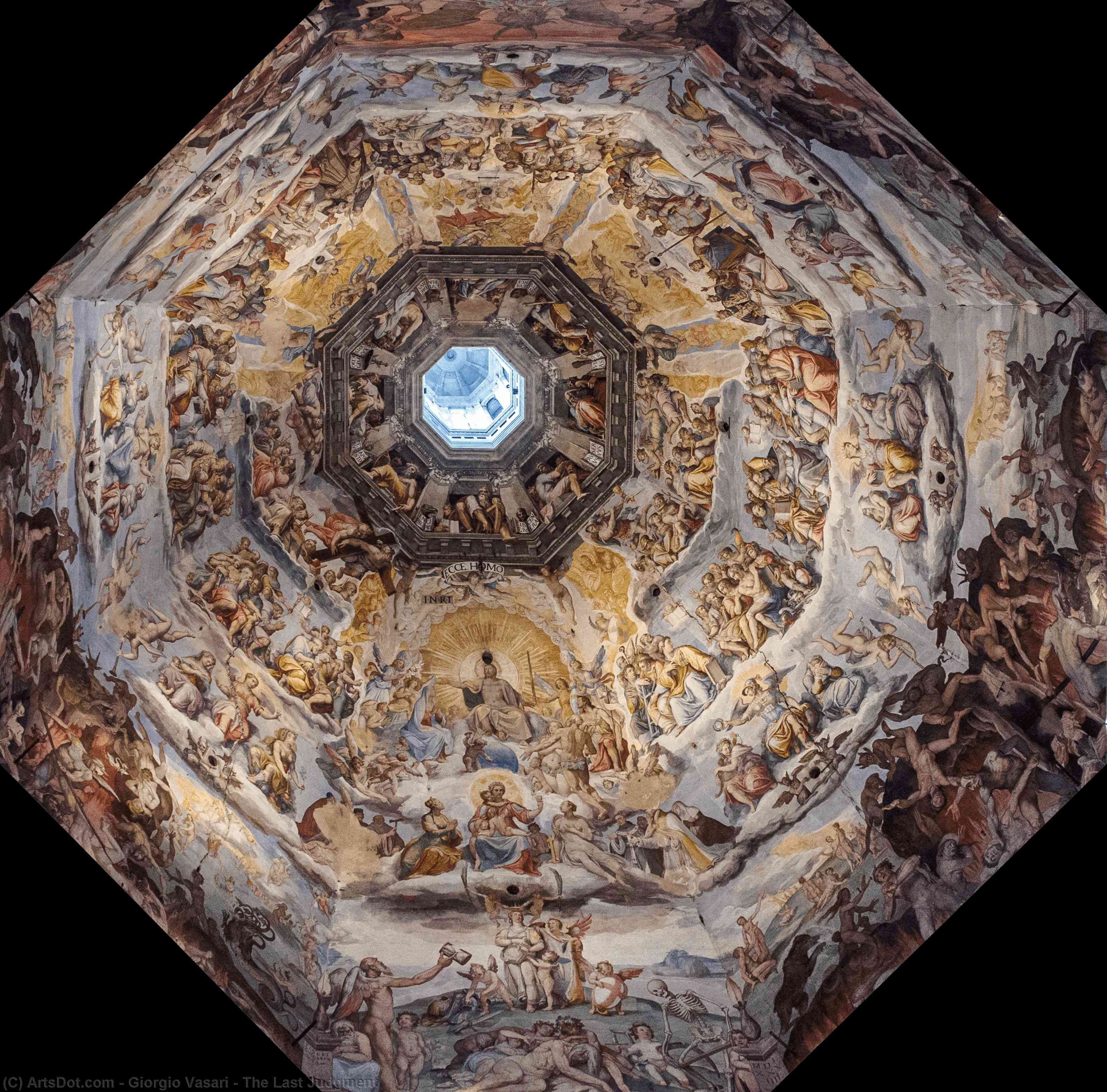
Poslednje sudstvo (detalj) (1572) je slika autora Ђорђо Вазари koja privlači najviše pažnje; original se nalazi u muzeju Duomo, Firenca. Nakon toga, pogled se seli na Allegory of Justice (1543) i The Last Judgment (detail) (1572). Među 122 dela umetnika Ђорђо Вазари u našem katalogu, ovih 100 su najpoznatija, od kojih je svako jedinstveni original predstavljen sa godinom nastanka, muzejom i razlogom zbog kojeg je i danas neprocenjivo.

1511 – 1574, Арецо Manirizam Najviše dela: Palazzo Vecchio

Top 10 slika umetnika Ђорђо Вазари, iz ugla galerije

1
Poslednje sudstvo (detalj) (1572) čiji je Ђорђо Вазари

Poslednje sudstvo (detalj)

1572 · Freska · Duomo, Firenca

je umetničko delo koje je stvorio Đorđo Vasari. Ovaj specifični segment nudi fokusiran pogled na mnogo veće, monumentalno fresku, koja se prostire kroz prostor. Delo beleži trenutak od dubokog duhovnog značaja, fokusirajući se na temu Poslednjeg suda, a datiranje ovog remek-dela vodi nas u period oko 1572. godine.

2
Allegory of Justice (1543) čiji je Ђорђо Вазари

Allegory of Justice

1543 · Acrylic On Canvas · Museo di Capodimonte, Napulj

Giorgio Vasari's 1543 fresco, “Allegory of Justice and Truth,” residing within the Palazzo Cancelleria in Rome, is far more than a mere decorative panel; it’s a meticulously constructed visual sermon on virtue, governance, and the very foundations of Renaissance ideals. Commissioned by Cardinal Alessandro Farnese, this monumental work transcends its initial purpose as a room decoration to become a profound meditation on the principles that underpinned the burgeoning power of…

3
The Last Judgment (detail) (1572) čiji je Ђорђо Вазари

The Last Judgment (detail)

1572 · Acrylic On Canvas · Duomo, Firenca

Within the soaring dome of Florence’s Duomo, a monumental fresco unfolds – Giorgio Vasari and Federico Zuccari's “The Last Judgment,” completed between 1572 and 1579. More than just a depiction of biblical narrative, it is an immersive experience, a theatrical tableau of judgment, salvation, and the eternal consequences of earthly choices. The sheer scale—over 3,600 square meters—immediately overwhelms the viewer, drawing them into a world of swirling figures, dramatic light,…

4
Marriage at Cana (1566) čiji je Ђорђо Вазари

Marriage at Cana

1566 · Oil On Canvas · Szépművészeti Múzeum, Budimpešta

The air in the room feels heavy with the scent of spilled wine and the heat of a crowded celebration. At the center of the commotion, a quiet miracle unfolds. Jesus Christ sits amidst the revelry, a calm presence in a sea of moving bodies and draped fabrics. Around him, the disciples and guests are caught in a moment of transition, their faces turned toward the sudden abundance of the…

5
Triumphant entrance of Leone X in Florence (1563) čiji je Ђорђо Вазари

Triumphant entrance of Leone X in Florence

1563 · Oil On Canvas · Palazzo Vecchio, Firenca

A Florentine Spectacle: Witnessing Power and Faith Giorgio Vasari’s *Triumphant Entrance of Leone X in Florence* (1563) is a monumental oil painting that bursts with the energy of a civic celebration. This isn't merely a depiction of a procession; it’s a carefully constructed narrative of papal authority reasserting itself within the heart of Renaissance Florence. The scene unfolds with a deliberate chaos, teeming with figures – from the Pope himself…

6
Annunciation (1570) čiji je Ђорђо Вазари

Annunciation

1570 · Acrylic On Canvas · Móra Ferenc Múzeum, Szeged

Giorgio Vasari’s 1570 Annunciation, housed within the serene confines of the Morgan Library and Museum in New York City, isn't merely a depiction of a biblical narrative; it’s a profound meditation on divine grace, humility, and the transformative power of faith. Painted during the height of the Italian Renaissance, this fresco embodies the era’s fascination with classical ideals blended seamlessly with deeply rooted Christian symbolism. Vasari, a pivotal figure in…

7
Cosimo il Vecchio as San Cosma (1559) čiji je Ђорђо Вазари

Cosimo il Vecchio as San Cosma

1559 · Oil On Canvas · Palazzo Vecchio, Firenca

The year is 1559, and Florence pulses with the ambition of the Renaissance under the shrewd guidance of Cosimo I de’ Medici. Within the walls of the Palazzo Vecchio, a masterpiece emerges – Giorgio Vasari’s “Cosimo il Vecchio as San Cosma,” a portrait that transcends mere likeness to become a potent symbol of power, piety, and the enduring legacy of the Medici dynasty. This isn't simply a depiction of a…

8
The Last Judgment (1572) čiji je Ђорђо Вазари

The Last Judgment

1572 · Acrylic On Canvas · Duomo, Firenca

Within the soaring dome of Florence Cathedral, a monumental fresco—known as *The Last Judgment*—commands attention, not merely for its sheer scale (spanning over 3,600 square meters), but for the profound drama it embodies. Commissioned by Grand Duke Cosimo I de’ Medici in 1572 and completed a decade later through the collaboration of Giorgio Vasari and Federico Zuccari, this work represents a pivotal moment in Renaissance art, a visual articulation of…

9
The Resurrection (1545) čiji je Ђорђо Вазари

The Resurrection

1545 · Oil On Canvas · Museo di Capodimonte, Napulj

Giorgio Vasari's "The Resurrection," painted in 1545, isn’t merely a depiction of a biblical event; it’s a visceral embodiment of faith and the promise of rebirth. Created during the height of the Italian Renaissance, this oil-on-canvas work transcends simple religious illustration, plunging the viewer into a world of intense drama and profound spiritual significance. Vasari, already establishing himself as a pivotal figure in art history through his “Lives of Artists,”…

10
Cosimo surrounded by artists and scholars (1558) čiji je Ђорђо Вазари

Cosimo surrounded by artists and scholars

1558 · Fresco · Palazzo Vecchio, Firenca

The scene unfolds within a grand, red-toned chamber where Cosimo surrounded by artists and scholars gathers. This fresco, painted by Giorgio Vasari, captures a moment of intense intellectual exchange. The air seems thick with the quiet energy of collaboration. Figures move through the space, some standing in the foreground while others recede into the background. It is a world of shared purpose and deep thought.

Čuvena dela umetnika Ђорђо Вазари, od 11 do 100

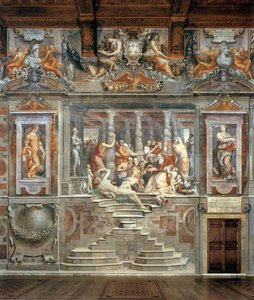
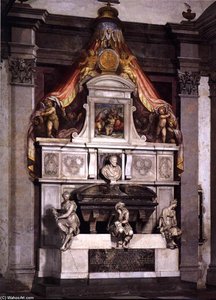
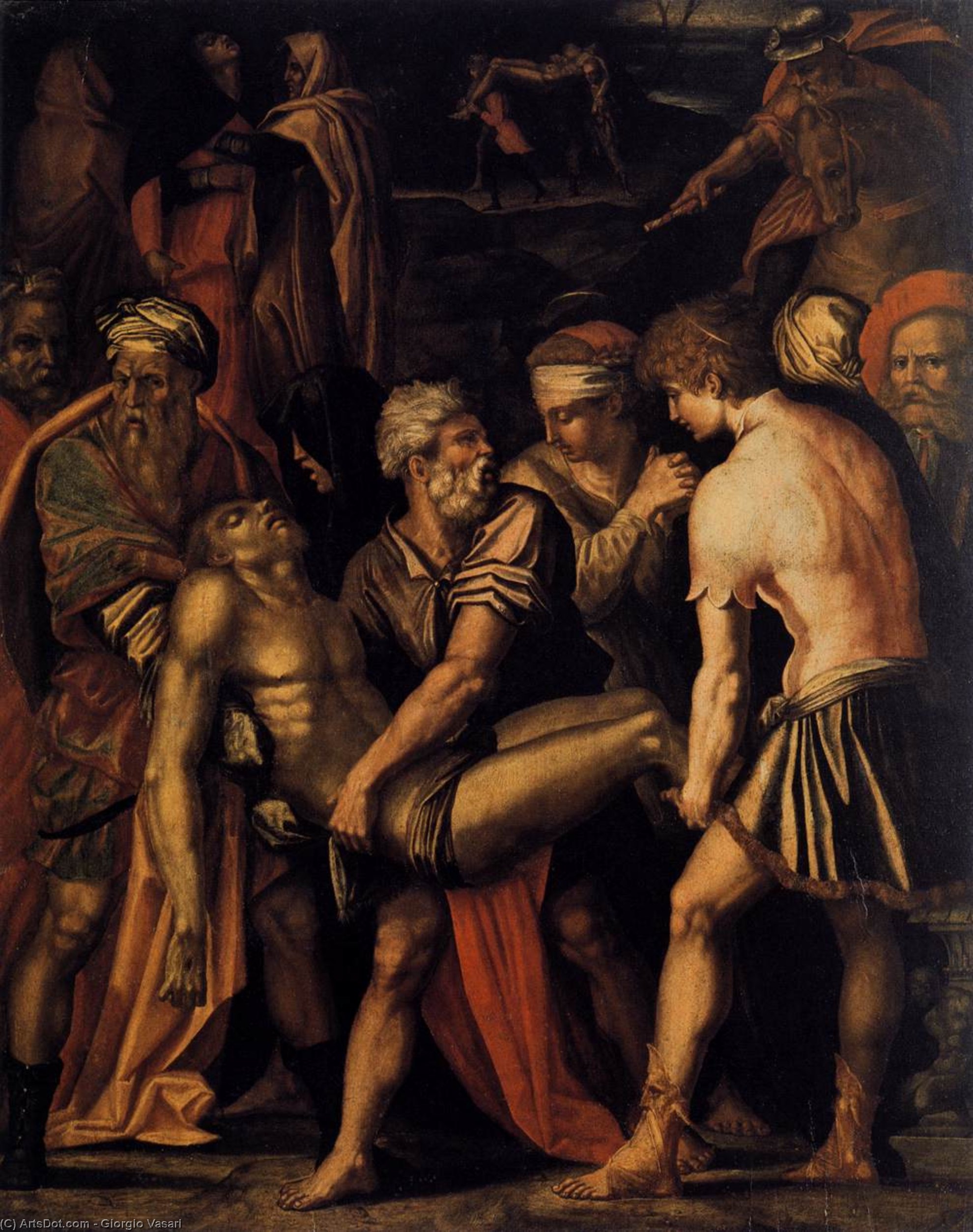
11Perseus and Andromeda (1570) čiji je Ђорђо ВазариPerseus and Andromeda1570 · Palazzo Vecchio 12Allegory of the Immaculate Conception (1541) čiji je Ђорђо ВазариAllegory of the Immaculate Conception1541 · Galerija Ufizi 13Cosimo I de Medici surrounded by his Architects, Engineers and Sculptors (1555) čiji je Ђорђо ВазариCosimo I de Medici surrounded by his Architects, Engineers and Sculptors1555 · Palazzo Vecchio 14Façade on the Lungarno (1560) čiji je Ђорђо ВазариFaçade on the Lungarno1560 · Galerija Ufizi 15Ercole fanciullo strozza i serpenti (1557) čiji je Ђорђо ВазариErcole fanciullo strozza i serpenti1557 · Palazzo Vecchio 16Lorenzo il Magnifico among philosophers and scholars (1558) čiji je Ђорђо ВазариLorenzo il Magnifico among philosophers and scholars1558 · Palazzo Vecchio 17Tribute of the Nations to Paul III (1546) čiji je Ђорђо ВазариTribute of the Nations to Paul III1546 · Palazzo della Cancellaria 18Interor view (1542) čiji je Ђорђо ВазариInteror view1542 · Casa Vasari 19Martyrdom of St Stephen (1560) čiji je Ђорђо ВазариMartyrdom of St Stephen1560 · Vatikan Pinacoteca 20Interor view (1555) čiji je Ђорђо ВазариInteror view1555 · Palazzo Vecchio 21Filippo Brunelleschi and Lorenzo Ghiberti present to Cosimo the model for the San Lorenzo church (1558) čiji je Ђорђо ВазариFilippo Brunelleschi and Lorenzo Ghiberti present to Cosimo the model for the San Lorenzo church1558 · Palazzo Vecchio 22First fruits offered to Saturn (1557) čiji je Ђорђо ВазариFirst fruits offered to Saturn1557 · Palazzo Vecchio 23Sala del Cinquecento čiji je Ђорђо ВазариSala del CinquecentoPalazzo Vecchio 24Ceiling of the Sala del Cinquecento (detail) čiji je Ђорђо ВазариCeiling of the Sala del Cinquecento (detail)Palazzo Vecchio 25View of the Studiolo (1570) čiji je Ђорђо ВазариView of the Studiolo1570 · Palazzo Vecchio 26Ceiling decoration (1556) čiji je Ђорђо ВазариCeiling decoration1556 · Palazzo Vecchio 27Holy Family with Saint Francis in a Landscape (1542) čiji je Ђорђо ВазариHoly Family with Saint Francis in a Landscape1542 · Los Angeles County Museum of Art 28Judith and Holofernes (1554) čiji je Ђорђо ВазариJudith and Holofernes1554 · Saint Louis Art Museum 29Self-Portrait (1550) čiji je Ђорђо ВазариSelf-Portrait1550 · Galerija Ufizi 30Saint Jerome in Meditation (1550) čiji je Ђорђо ВазариSaint Jerome in Meditation1550 · Musée Fesch 31Portrait of Bernardetto de' Medici (1549) čiji je Ђорђо ВазариPortrait of Bernardetto de' Medici1549 · Bodeov muzej 32Ceiling decoration (1556) čiji je Ђорђо ВазариCeiling decoration1556 · Palazzo Vecchio 33Piero de' Medici called the Gouty (1556) čiji je Ђорђо ВазариPiero de' Medici called the Gouty1556 · Palazzo Vecchio 34Allegory of Romagna (1660) čiji je Ђорђо ВазариAllegory of Romagna1660 · Palazzo Vecchio 35Portrait of an old lady. (1540) čiji je Ђорђо ВазариPortrait of an old lady.1540 · Nacionalni muzej u Varšavi 36Clement VII crowns Charles V in San Petronio in Bologna (1559) čiji je Ђорђо ВазариClement VII crowns Charles V in San Petronio in Bologna1559 · Palazzo Vecchio 37The Temptation of Saint Jerome (1544) čiji je Ђорђо ВазариThe Temptation of Saint Jerome1544 · Art Institute of Chicago 38Apotheosis of Cosimo I (1565) čiji je Ђорђо ВазариApotheosis of Cosimo I1565 39The Adoration of the Magi (1567) čiji je Ђорђо ВазариThe Adoration of the Magi1567 · Scottish National Gallery 40Holy Family with John the Baptist as child (1547) čiji je Ђорђо ВазариHoly Family with John the Baptist as child1547 · Bavarske državne slikopisne kolekcije 41Holy family with little John the Baptist (1545) čiji je Ђорђо ВазариHoly family with little John the Baptist1545 · Bavarske državne slikopisne kolekcije 42Musicians (1545) čiji je Ђорђо ВазариMusicians1545 · Isabella Stewart Gardner Museum 43Holy Family (1546) čiji je Ђорђо ВазариHoly Family1546 · Kunsthistorisches Museum 44Battle of Barbagianni, nearby Pisa (1564) čiji je Ђорђо ВазариBattle of Barbagianni, nearby Pisa1564 · Palazzo Vecchio 45Volcano's forge (1555) čiji je Ђорђо ВазариVolcano's forge1555 46The rout of the Pisans at Torre San Vincenzo (1550) čiji je Ђорђо ВазариThe rout of the Pisans at Torre San Vincenzo1550 47The birth of Venus (1555) čiji je Ђорђо ВазариThe birth of Venus1555 48Don Giovanni and Don Garzia de' Medici (1556) čiji je Ђорђо ВазариDon Giovanni and Don Garzia de' Medici1556 49Allegory of Volterra; to the bottom, view of Lucignano (1556) čiji je Ђорђо ВазариAllegory of Volterra; to the bottom, view of Lucignano1556 50Allegory of Prato; to the bottom, view of Livorno (1557) čiji je Ђорђо ВазариAllegory of Prato; to the bottom, view of Livorno1557 51Allegory of Pistoia; to the bottom, view of Piombino (1557) čiji je Ђорђо ВазариAllegory of Pistoia; to the bottom, view of Piombino1557 52Allegory of Pisa; to the bottom, view of Siena (1557) čiji je Ђорђо ВазариAllegory of Pisa; to the bottom, view of Siena1557 53Allegory of Cortona; to the bottom, view of Montecarlo (1557) čiji je Ђорђо ВазариAllegory of Cortona; to the bottom, view of Montecarlo1557 54Allegory of Borgo San Sepolcro; to the bottom, view of Scarperia (1557) čiji je Ђорђо ВазариAllegory of Borgo San Sepolcro; to the bottom, view of Scarperia1557 55Allegory of Arezzo; to the bottom, view of Florence (1557) čiji je Ђорђо ВазариAllegory of Arezzo; to the bottom, view of Florence1557 56Portrait of Cosimo I de' Medici (1558) čiji je Ђорђо ВазариPortrait of Cosimo I de' Medici1558 · Palazzo Vecchio 57Lorenzo the Magnificent receives the tribute of the ambassadors (1556) čiji je Ђорђо ВазариLorenzo the Magnificent receives the tribute of the ambassadors1556 58Jacob's Dream (1557) čiji je Ђорђо ВазариJacob's Dream1557 · Walters Art Museum 59The Calling of Saints Peter and Andrew (1551) čiji je Ђорђо ВазариThe Calling of Saints Peter and Andrew1551 60Apostles Peter and John Blessing the People of Samaria (1557) čiji je Ђорђо ВазариApostles Peter and John Blessing the People of Samaria1557 · Gemäldegalerie 61The Head of a Bishop (possibly St Ambrose or St Donato) (1569) čiji je Ђорђо ВазариThe Head of a Bishop (possibly St Ambrose or St Donato)1569 62Marriage at Cana (1566) čiji je Ђорђо ВазариMarriage at Cana1566 · Szépművészeti Múzeum 63The storming of the fortress near Porta Camollia in Siena (1570) čiji je Ђорђо ВазариThe storming of the fortress near Porta Camollia in Siena1570 64The storming of the fortress of Stampace in Pisa (1569) čiji je Ђорђо ВазариThe storming of the fortress of Stampace in Pisa1569 · Palazzo Vecchio 65The emperor Massimiliano lifts the siege from Livorno (1569) čiji je Ђорђо ВазариThe emperor Massimiliano lifts the siege from Livorno1569 66The battle of Marciano in Val di Chiana (1570) čiji je Ђорђо ВазариThe battle of Marciano in Val di Chiana1570 67Capture of Porto Ercole (1569) čiji je Ђорђо ВазариCapture of Porto Ercole1569 68Cerere loooks for Proserpina (1558) čiji je Ђорђо ВазариCerere loooks for Proserpina1558 · Palazzo Vecchio 69Entombment (1532) čiji je Ђорђо ВазариEntombment1532 · Casa Vasari 70Paul III Farnese Names Cardinals and Distributes Benefices (1546) čiji je Ђорђо ВазариPaul III Farnese Names Cardinals and Distributes Benefices1546 · Palazzo della Cancellaria 71Three river gods čiji je Ђорђо ВазариThree river godsKupferstichkabinett 72The Annunciation (1850) čiji je Ђорђо ВазариThe Annunciation1850 73Calliope (1558) čiji je Ђорђо ВазариCalliope1558 · Palazzo Vecchio 74Perseus and Andromeda (detail) (1570) čiji je Ђорђо ВазариPerseus and Andromeda (detail)1570 · Palazzo Vecchio 75Death of Saint Peter martyr čiji je Ђорђо ВазариDeath of Saint Peter martyrKunsthistorisches Museum 76Portrait of Duke Alessandro de' Medici (detail) (1534) čiji je Ђорђо ВазариPortrait of Duke Alessandro de' Medici (detail)1534 77Temptations of St Jerome (1541) čiji je Ђорђо ВазариTemptations of St Jerome1541 78Deposition from the Cross (1540) čiji je Ђорђо ВазариDeposition from the Cross1540 · Santi Donato e Ilariano 79Façade of the Palazzo dei Cavalieri (1562) čiji je Ђорђо ВазариFaçade of the Palazzo dei Cavalieri1562 · Piazza dei Cavalieri 80Saint Mark (1571) čiji je Ђорђо ВазариSaint Mark1571 · National Gallery of Art 81Saint Luke (1571) čiji je Ђорђо ВазариSaint Luke1571 · National Gallery of Art 82Palazzo delle Logge (1573) čiji je Ђорђо ВазариPalazzo delle Logge1573 83Façade (1560) čiji je Ђорђо ВазариFaçade1560 · Galerija Ufizi 84Summer (1557) čiji je Ђорђо ВазариSummer1557 · Palazzo Vecchio 85Incredulity of St Thomas (1572) čiji je Ђорђо ВазариIncredulity of St Thomas1572 · Santa Croce 86Pope Leo X Appointing Cardinals (1556) čiji je Ђорђо ВазариPope Leo X Appointing Cardinals1556 · Szépművészeti Múzeum 87The Nativity (1546) čiji je Ђорђо ВазариThe Nativity1546 · Galleria Borghese 88Monument to Michelangelo (1570) čiji je Ђорђо ВазариMonument to Michelangelo1570 · Santa Croce 89Justice (1542) čiji je Ђорђо ВазариJustice1542 · Gallerie dell'Accademia di Venezia 90Childhood of Jupiter (1556) čiji je Ђорђо ВазариChildhood of Jupiter1556 · Palazzo Vecchio 91The Studio of the Painter (detail) (1563) čiji je Ђорђо ВазариThe Studio of the Painter (detail)1563 · Casa Vasari 92Paul III Farnese Directing the Continuance of St Peter's (1546) čiji je Ђорђо ВазариPaul III Farnese Directing the Continuance of St Peter's1546 · Palazzo della Cancellaria 93Winter (1557) čiji je Ђорђо ВазариWinter1557 · Palazzo Vecchio 94The Virgin and Child with Saints Elizabeth and John the Baptist čiji je Ђорђо ВазариThe Virgin and Child with Saints Elizabeth and John the BaptistNational Gallery of Ireland 95Martyrdom of St Sigismund čiji je Ђорђо ВазариMartyrdom of St Sigismund 96The 1530 Siege of Florence (1558) čiji je Ђорђо ВазариThe 1530 Siege of Florence1558 · Palazzo Vecchio 97Patience (1542) čiji je Ђорђо ВазариPatience1542 · Gallerie dell'Accademia di Venezia 98Annunciation (1570) čiji je Ђорђо ВазариAnnunciation1570 · Pierpont Morgan Library 99Foundation of Florentia, a Roman settlement čiji je Ђорђо ВазариFoundation of Florentia, a Roman settlementPalazzo Vecchio 100Студио сличара (1563) čiji je Ђорђо ВазариСтудио сличара1563 · Casa Vasari

Čuvena dela Ђорђо Вазари po periodima

Motivi koji su privlačili pažnju Ђорђо Вазари

Četiri teme koje se najčešće ponavljaju u ovim originalima, svaka sa svojim vrhunskim primerom.

Muzeji u kojima se čuvaju originalna dela umetnika Ђорђо Вазари

8 muzeja u kojima se nalazi najviše slika sa ove stranice.

Muzej Grad Radovi umetnika Ђорђо Вазари Slike iz ovog spiska
Palazzo Vecchio, FirencaPalazzo Vecchio Firenca 30 Triumphant entrance of Leone X in Florence, Cosimo il Vecchio as San Cosma, Cosimo surrounded by artists and scholars
Galerija Ufizi, FirencaGalerija Ufizi Firenca 7 Allegory of the Immaculate Conception, Façade on the Lungarno, Self-Portrait
Duomo, FirencaDuomo Firenca 3 Poslednje sudstvo (detalj), The Last Judgment (detail), The Last Judgment
Szépművészeti Múzeum, BudimpeštaSzépművészeti Múzeum Budimpešta 3 Marriage at Cana, Marriage at Cana, Pope Leo X Appointing Cardinals
Palazzo della Cancellaria, RimPalazzo della Cancellaria Rim 3 Tribute of the Nations to Paul III, Paul III Farnese Names Cardinals and Distributes Benefices, Paul III Farnese Directing the Continuance of St Peter's
Museo di Capodimonte, NapuljMuseo di Capodimonte Napulj 2 Allegory of Justice, The Resurrection
Casa Vasari, ArezzoCasa Vasari Arezzo 2 Interor view, Entombment
Bavarske državne slikopisne kolekcije, MinhenBavarske državne slikopisne kolekcije Minhen 2 Holy Family with John the Baptist as child, Holy family with little John the Baptist

Ђорђо Вазари kroz decenije: jedan jedinstveni original za svaku

Radovi po decenijama

Izaberite deceniju da biste videli original koji je definiše.

Slike umetnika Ђорђо Вазари: pitanja za galeriju

Koje je najpoznatije delo umetnika Ђорђо Вазари?Otkrij odgovor

Poslednje sudstvo (detalj) (1572), Duomo, Firenca. Slede Allegory of Justice (1543) i The Last Judgment (detail) (1572).

U kojoj je godini Ђорђо Вазари stvorio/la Poslednje sudstvo (detalj)?Otkrij odgovor

61 godina: Poslednje sudstvo (detalj) datira iz 1572, a Ђорђо Вазари je rođen/a 1511.

Koji je deset najpoznatijih slika autora Ђорђо Вазари?Otkrij odgovor

Poslednje sudstvo (detalj), Allegory of Justice, The Last Judgment (detail), Marriage at Cana, Triumphant entrance of Leone X in Florence, Annunciation, Cosimo il Vecchio as San Cosma, The Last Judgment, The Resurrection i Cosimo surrounded by artists and scholars. Gornji rang pokazuje godinu i muzej za svako od njih.

Koliko je poznatih dela umetnika Ђорђо Вазари?Otkrij odgovor

Naš katalog sadrži 122 dela umetnika Ђорђо Вазари, datiranih od 1532 do 1573.

Gde se mogu videti najpoznatiji originali umetnika Ђорђо Вазари?Otkrij odgovor

Većinom u Palazzo Vecchio (Firenca), Galerija Ufizi (Firenca) i Duomo (Firenca). Tabela muzeja iznad sadrži njih sve.

U kom periodu je Ђорђо Вазари stvorio/la svoje najpoznatije slike?Otkrij odgovor

U 1550s: 38 od 100 dela na ovoj stranici nastalo je tada, od čega je Cosimo il Vecchio as San Cosma.

Ko je najraniji, a koje je najkasnije čuveno delo umetnika Ђорђо Вазари?Otkrij odgovor

Na ovoj stranici, najstarije delo je iz Entombment (1532), a najnovije iz Palazzo delle Logge (1573).

Koje su teme Ђорђо Вазари preferirao/la?Otkrij odgovor

Renaissance (25), Man (24) i Woman (15), kroz svih 100 dela na ovoj stranici.

Sa kojim materijalima je Ђорђо Вазари najčešće slikao?Otkrij odgovor

Fresco, za 24 od 100 dela na ovoj stranici.

Kojem umetničkom pravcu pripada delo umetnika Ђорђо Вазари?Otkrij odgovor

Manirizam, sudeći po originalima na ovoj stranici.

Koja originalna dela Ђорђо Вазари mogu videti u Palazzo Vecchio?Otkrij odgovor

Triumphant entrance of Leone X in Florence, Cosimo il Vecchio as San Cosma i Cosimo surrounded by artists and scholars: Palazzo Vecchio, Firenca čuva 29 dela sa ove stranice.

Ђорђо Вазари: portret umetnika

Живот испреплетен нитима ренесансе

Ђорђо Вазари, рођен у Арецу, Тоскани, 30. јула 1511. године, био је више од обичног сликара; он је био квинтeсенцијални представник духа италијанске ренесансе. Његов живот се одувијек одвијао као живописна таписерија исплетенa нитима умјетничке креативности, архитектонских иновација, проницљивог историјског писања и непоколебљиве посвећености слављењу мајстора који су били прије њега. Од раног школовања под Гуглијелмом да Марсиљом, вјештим занатлијом у витражним прозорима, младог Ђорђа је пут водио ка визуелној умјетности. Међутим, пресељење у Фиренцу са шеснаест година заиста је распалило његов потенцијал. Уроњен у динамичну кружницу Андрее дел Сарта и апсорбујући утицаје Роса Фиорентина и Ђакопа Понторма, Вазари је кренуо на пут који ће га учинити једном од најинфлуентнијих фигура свог доба. Формативне године су такође биле дубоко обиљежене покровитељством и пријатељством моћне породице Медичи, односом који је обликовао његову каријеру и његов став према улози умјетности у друштву.

Умјетничка рука и око

Вазариов умјетнички стил се често категорише као манеризам, што одражава преовладајуће естетске трендове средине 16. вијека. Његове слике карактеришу издужене фигуре, динамичне композиције и софистицирана употреба боја – квалитети који су били високо цијењени током његовог живота. Иако можда није постигао исти ниво трајне славе као неки од умјетника које је хрониковао, Вазаријев таленат био је неоспоран. Позната дјела као што је *Радна соба сликара*, фреска смјештена у Casa Vasari у Арецу, нуде фасцинантан увид у умјетничку праксу тога времена. Сама скала и амбиција његових фресака за Палацо Веккио у Фиренци, започетих између 1555. и 1572. године, демонстрирају његово мајсторство великих декоративних шема. Његов коначни монументални подухват, *Страшни суд*, који краси куполу Катедрале у Фиренци – завршен након његове смрти од стране Федерика Цукарија – стоји као свједочанство његове непоколебљиве посвећености грандиозним умјетничким визијама. Осим сликања, Вазаријеви архитектонски доприноси су били једнако значајни. Дизајнирао је елегантну лођу Палацо дељи Уфици, трансформишући је у јавни трг и стварајући виталну везу у фирентинском градском пејзажу. Можда најпознатије, замислио је и надгледао изградњу Вазаријевог коридора, тајног пролаза који повезује Галерију Уфици са Палацом Пити – подвиг инжењеринга и архитектонске генијалности који и данас очарава посјетиоце.

Историчар ковајући наслеђе

Ипак, вјероватно је као историчар умјетности да је Ђорђо Вазари обезбиједио своје најтрајније насљеђе. Његово монументално дјело, *Животи најистакнутијих сликара, вајара и архитекта*, објављено 1550. године (са ревидираним издањем 1568. године), револуционисало је начин на који се умјетност разумијевала и цијенила. Овај значајан текст није био само збирка биографија; успоставио је наративни оквир за развој италијанске ренесансне умјетности, пратећи њену еволуцију од раних мајстора као што су Чимабуе и Ђото до његових савременика Микеланђела и Рафаела. Вазаријев рад увео је сам концепт "Ренесансе" – обнове класичних идеала – и поставио основу за модерну историју умјетности као дисциплину. Иако признајући да Вазаријеви записи нису без пристрасности и нетачности, посебно у вези са умјетницима који су претходили његовом времену, утицај *Живота* остаје дубок. Пружио је кључни историјски контекст за умјетничку креацију, уздижући статус умјетника из вјештих занатлија до интелектуалних фигура достојних научне пажње.

Утицаји и трајна значајност

Вазаријев умјетнички развој био је дубоко обликован његовом изложеношћу дјелима ренесансних мајстора. Његова посјета Риму 1529. године, гдје је проучавао умјетност Рафаела и других умјетника Високе ренесансе, показала се као преломна тачка. Упијао је њихове принципе композиције, анатомичне прецизности и идеализоване љепоте, уграђујући их у свој стил. Микеланђело, кога је Вазари веома цијенио, извршио је посебно снажан утицај и на његово сликање и архитектуру. Величественост и динамика карактеристична за Микеланђелов рад су видљиве у многим од Вазаријевих пројеката. Осим специфичних умјетника, шире интелектуалне струјања ренесансе – хуманизам, класично учење и обновљено интересовање за емпиријску опсервацију – такође су обликовале Вазаријев приступ умјетности и историји. Ђорђо Вазари је преминуо 27. јуна 1574. године у Фиренци, оставивши иза себе вишеструко насљеђе које и данас одјекује. Он није био само талентован умјетник и архитекта, већ и пионирски историчар чији су списи обликовали наше разумијевање једног од трансформативнијих периода у западној историји умјетности. Његов рад остаје неопходан за свакога ко жели да истражи богато културно наслеђе италијанске ренесансе.