

1

Aeneas Carrying His Father Anchises and the Penates, Followed by the Young Ascanius
This group is inspired by Virgil’s epic

Ažurirano: новембар 2026 · rangirano prema našem koeficijentu popularnosti (pretrage, posete i porudžbine za svako delo) · 11 dela Filippo Parodi u našem katalogu
Ukratko
Za ljubitelje galerije, najpoznatije delo umetnika Filippo Parodi je Aeneas Carrying His Father Anchises and the Penates, Followed by the Young Ascanius (1661), čiji se original nalazi u muzeju Calouste Gulbenkian Foundation, Lisabon. Adonis (1680) i Immaculate Conception (1700) čine triju koju svako oko prepoznaje. Od 11 dela umetnika Filippo Parodi u našem katalogu, galerija u nastavku predstavlja 11 najpoznatijih dela, od kojih je svako originalno, sa navedenom godinom nastanka, muzejom i onim što ga čini jedinstvenim.
This group is inspired by Virgil’s epic



6 muzeja u kojima se nalazi najviše slika sa ove stranice.
| Muzej | Grad | Radovi umetnika Filippo Parodi | Slike iz ovog spiska |
|---|---|---|---|
 Galleria di Palazzo Reale |
Genova | 5 | Adonis, Venus, Hyacinth |
 Liechtenstein Museum |
Beč | 2 | Allegory of Vice, Allegory of Virtue |
 Calouste Gulbenkian Foundation |
Lisabon | 1 | Aeneas Carrying His Father Anchises and the Penates, Followed by the Young Ascanius |
 San Luca |
Genova | 1 | Immaculate Conception |
 Santa Maria della Cella |
Genova | 1 | Immaculate Conception |
 Biennale Internazionale dell'Antiquariato di Firenze |
Firenca | 1 | Virgin and Child |
Izaberite deceniju da biste videli original koji je definiše.
This group is inspired by Virgil’s epic
Aeneas Carrying His Father Anchises and the Penates, Followed by the Young Ascanius (1661), Calouste Gulbenkian Foundation, Lisabon. Slede Adonis (1680) i Immaculate Conception (1700).
31 godina: Aeneas Carrying His Father Anchises and the Penates, Followed by the Young Ascanius datira iz 1661, a Filippo Parodi je rođen/a 1630.
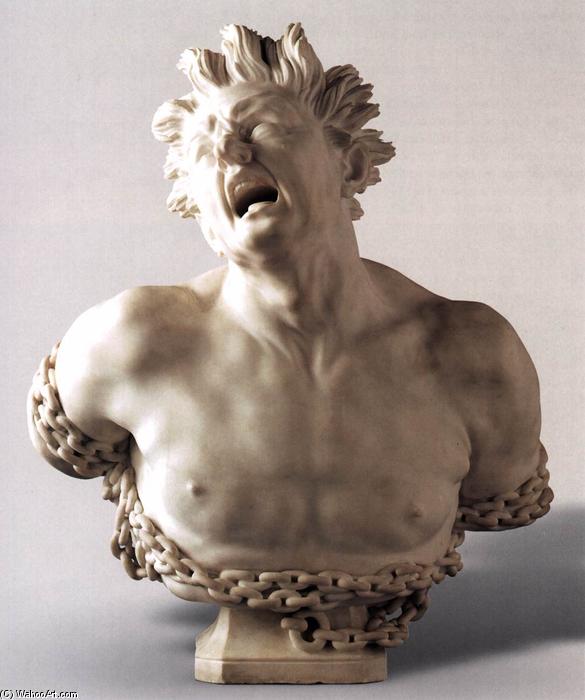
Aeneas Carrying His Father Anchises and the Penates, Followed by the Young Ascanius, Adonis, Immaculate Conception, Immaculate Conception, Venus, Hyacinth, Clytie, Christ at the Column, Allegory of Vice i Allegory of Virtue. Gornji rang pokazuje godinu i muzej za svako od njih.
Naš katalog sadrži 11 dela umetnika Filippo Parodi, datiranih od 1660 do 1700.
Većinom u Galleria di Palazzo Reale (Genova), Liechtenstein Museum (Beč) i Calouste Gulbenkian Foundation (Lisabon). Tabela muzeja iznad sadrži njih sve.
U 1680s: 6 od 11 dela na ovoj stranici nastalo je tada, od čega je Adonis.
Na ovoj stranici, najstarije delo je iz Immaculate Conception (1660), a najnovije iz Immaculate Conception (1700).
Adonis, Venus i Hyacinth: Galleria di Palazzo Reale, Genova čuva 5 dela sa ove stranice.
Filippo Parodi stands as a monumental figure in the history of Genoese Baroque sculpture, a master who earned the enduring title of Gemma’s first and greatest native sculptor. Born in 1630 into a lineage deeply rooted in artistic craftsmanship, Parodi was destined for the chisel. His father, Giovanni Battista, was a respected woodcarver, and it was within the intimate, sawdust-filled atmosphere of the family workshop that Filippo first learned to breathe life into raw material. This early immersion in the delicate intricacies of wood carving gifted him with an extraordinary sensitivity to form and texture—a foundational skill that would later allow him to transition seamlessly from the warmth of timber to the cold, commanding elegance of marble and the fluid grace of stucco.
The trajectory of Parodi’s career was irrevocably altered by his transformative journey to Rome. Between 1655 and 1661, he secured an apprenticeship within the studio of Gian Lorenzo Bernini, the undisputed titan of the Baroque era. To work under Bernini was to witness the very pinnacle of dramatic composition and technical virtuosity. Through this immersive experience, Parodi absorbed the secrets of movement, light, and theatricality that defined the Roman High Baroque. Yet, his artistic vision was not merely a mirror of his master; he also drew profound stylistic cues from the works of Algardi and Ercole Ferrata, synthesizing these diverse influences into a unique aesthetic language that blended Roman grandeur with a distinct Genoese sensibility.
Upon his return to Genoa in the mid-1670s, Parodi did not merely return as a student, but as a master capable of reshaping the city's visual landscape. His arrival coincided with a period of intense artistic ferment, and he quickly became a central figure in the local creative community. The sculptor’s ability to manipulate different media allowed him to dominate both large-scale architectural decorations and intimate, emotive busts. His work often captured the tension between the physical weight of stone and the ethereal lightness of divine grace, a hallmark of the Baroque spirit.
The significance of Parodi's contribution extends far beyond his individual masterpieces; he established a standard of excellence that influenced generations of Ligurian artists. His career was marked by several key achievements:
As we look upon the enduring works of Filippo Parodi, we see more than just stone and pigment; we see the triumph of a native talent who took the lessons of Rome and used them to crown his home city with splendor. His life, spanning from 1630 until his death in 1702, remains a testament to the power of tradition meeting innovation, leaving behind a sculptural heritage that continues to captivate the soul of Genoa.
