Portret Чимабуе

49 najpoznatijih slika umetnika Чимабуе, svaka potpuno jedinstvena

Ažurirano: октобар 2026 · rangirano prema našem koeficijentu popularnosti (pretrage, posete i porudžbine za svako delo) · 52 dela Чимабуе u našem katalogu

Ukratko

Ismevanje Hristosa (1280) je slika autora Чимабуе koja privlači najviše pažnje; original se nalazi u muzeju Luvr, Pariz. Nakon toga, pogled se seli na Križ Cimabuea u Santa Croce (1287) i Sveti Franja iz Asizije (detalj). Među 52 dela umetnika Чимабуе u našem katalogu, ovih 49 su najpoznatija, od kojih je svako jedinstveni original predstavljen sa godinom nastanka, muzejom i razlogom zbog kojeg je i danas neprocenjivo.

1240 – 1302, Фиренца Protorenesansa Najviše dela: Galerija Ufizi

Top 10 slika umetnika Чимабуе, iz ugla galerije

1
Ismevanje Hristosa (1280) čiji je Чимабуе

Ismevanje Hristosa

1280 · Tempera na drvenoj podlozi · Luvr, Pariz

Vazduh unutar okvira deluje teško, gust od napetosti gomile koja pritiska ka unutra. U centru ovog malog, drvenog sveta stoji Isus, čije je telo prekriveno dubokim plavim ogrtačem preko crvene tunike. On se ne opire. Njegove ruke vise beznažno, a izraz lica ostaje nepomičan, čak i dok figure oko njega izbijaju u agresiji. Jedan čovek se uzdire, prstima hvatajući ivicu Hristovog nimbusa, pokušavajući da mu oguli sam simbol božanstva. Oko…

2
Križ Cimabuea u Santa Croce (1287) čiji je Чимабуе

Križ Cimabuea u Santa Croce

1287 · Tempera na drvenoj podlozi · Museo dell'Opera di Santa Croce, Firenca

Remek-delo bizantijanskog uticaja Cimabuejev „Razapani” stoji kao monumentalno delo kasnog 13. veka, oličavajući tranziciju od vizantijske ikonografije ka ranoj renesansnoj realizmu. Stvoren oko 1287. godine, ovaj krst koji je impozantnih dimenzija svedoči o Cimabuejevom inovativnom pristupu, spajajući tradicionalni religijski simbolizam sa novonastalim umetničkim tehnikama koje će otvoriti put budućim majstorima poput Đota. Tema i kompozicija Ovo umetničko delo prikazuje razapanje Isusa Hrista, centralnu temu hrišćanske umetnosti. Kompozicija prati tradicionalni krstasti…

3
Sveti Franja iz Asizije (detalj) čiji je Чимабуе

Sveti Franja iz Asizije (detalj)

Akril na platnu

Cimabueovo delo „Sveti Franja iz Asizije (detalj)” nije samo prikaz religijske figure; to je dirljiva enkapsulacija naglog humanizma koji će ubrzo definisati italijanski renesans. Naslikana oko 1285–1290. godine, ova intimna scena hvata nežan trenutak – zagrljaj između Svetog Franje i mladog deteta, koji zrači gotovo opipljivim mirom. Ovo delo stoji kao ključni dokaz Cimabueove uloge u prebacivanju zapadne umetnosti iz rigidne formalnosti bizantijskog ikonografije ka prirodističijem i emocionalno rezonantnijem stilu.…

4
Bogorodična veličina (detalj) (1285) čiji je Чимабуе

Bogorodična veličina (detalj)

1285 · Akril na platnu · Galerija Ufizi, Firenca

Pogled u božanstveno veličanstvo: Cimabueovo *Madonna u veličanstvu (detalj)* Ovaj prefinjeni detalj iz Cimabueovog dela *Madonna u veličanstvu*, nastalog 1285. godine, nudi očaravajući prozor u period tranzicije između vizantijske tradicije i rađajućeg renesansnog duha u italijanskoj umetnosti. Meren dimenzija 91 x 75 cm, ovaj fragment utelovljuje duhovnu žudnju i umetničku inovaciju svog vremena. Vizantijski koreni i rađajući realizam Cimabue (oko 1240–1302), rođen kao Cenni di Pepo u Firenci, predstavlja ključnu…

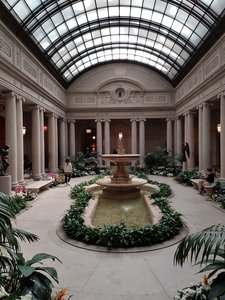
5
Bogorica u veličanstvenosti (detalj) (1285) čiji je Чимабуе

Bogorica u veličanstvenosti (detalj)

1285 · Tempera na drvenoj podlozi · Galerija Ufizi, Firenca

Pogled u božanstvenu veličinu: Cimabuejeva *Madonna u veličanstvenosti* (detalj) Ovaj prefinjeni detalj Cimabuejevog dela *Madonna u veličanstvenosti*, nastalog 1285. godine, nudi očaravajući prozor u period tranzicije između vizantijske tradicije i rađajućeg renesansnog duha. Meren na svega 48 x 39 cm, ovaj panel – koji se trenutno čuva u prestižnoj galeriji Uffizi u Firenci – svoju malu veličinu nadmašuje ogromnom umetničkom snagom i istorijskim značajem. Tema i kompozicija Ovaj fragment fokusira…

6
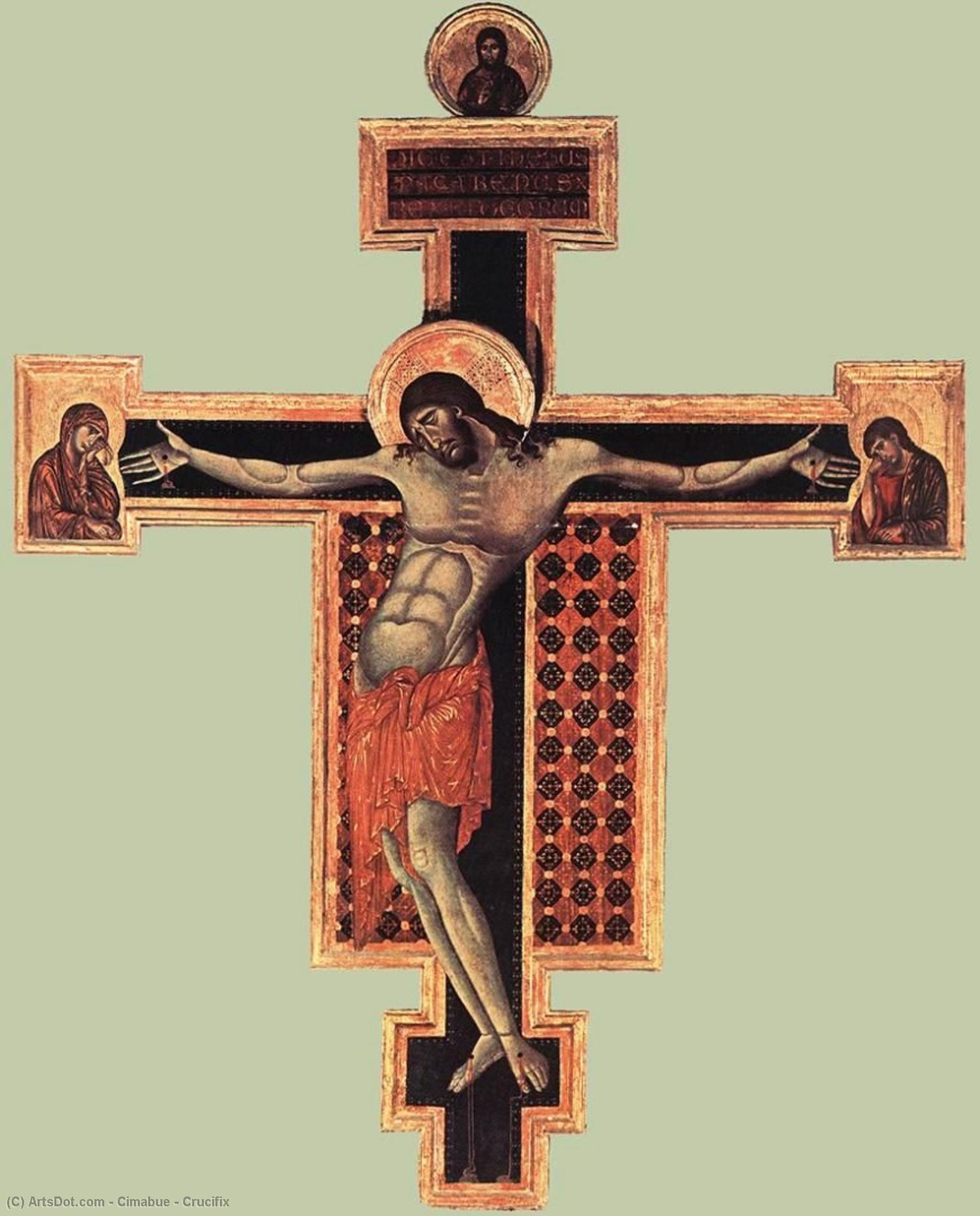
Crucifix (1272) čiji je Чимабуе

Crucifix

1272 · Tempera On Panel

The Crucifix by Cimabue emerges from the shadows of the late thirteenth century, a profound religious work that captures the central moment of the crucifixion of Jesus Christ. Painted about 1272, this piece exists as a powerful meditation on divine suffering. The figure of Christ hangs upon the cross, his body caught in a moment of profound agony. It is a scene that demands an immediate, visceral response from anyone…

7
Crucifix (1268) čiji je Чимабуе

Crucifix

1268 · Tempera On Panel · San Domenico, Arezzo

In the heart of Italian art history, Giovanni Cimabue stands as a monumental figure, a master who skillfully navigated the artistic currents flowing from the rigid grandeur of the Byzantine Empire toward the burgeoning innovations of the early Renaissance. His Crucifix is not merely a religious icon; it is a profound testament to a period of transformative change. Painted with an unwavering determination that earned him the nickname “bull-ed,” Cimabue…

8
Apocalyptical Christ (detail) (1280) čiji je Чимабуе

Apocalyptical Christ (detail)

1280 · Fresco

Three angels surge upward in a vertical composition, their forms appearing to burst from the wall. This detail, part of a larger fresco cycle, captures a moment of urgent divine announcement. The figures possess elongated limbs and stylized silhouettes, a hallmark of the transition from the rigid Byzantine tradition toward a more naturalistic approach. Their movement is directed heavenward, mirroring the spiritual aspiration of the viewer. Each angel carries a…

9
Madonna Enthroned with the Child, St Francis and four Angels (detail) (1278) čiji je Чимабуе

Madonna Enthroned with the Child, St Francis and four Angels (detail)

1278 · Acrylic On Canvas

Giovanni Cimabue's “Madonna Enthroned with the Child, St Francis and four Angels (detail)” – a captivating work from 1278 – isn’t merely a depiction of biblical figures; it’s a pivotal moment in the evolution of Western art. Born Cenni di Pepo in Florence, Cimabue was a courageous innovator who dared to subtly challenge the rigid conventions inherited from Byzantine iconography, laying the groundwork for the vibrant artistic revolution that would…

10
Crucifix (detail) (1268) čiji je Чимабуе

Crucifix (detail)

1268 · Acrylic On Canvas · San Domenico, Arezzo

A Glimpse into Divine Sorrow: Cimabue’s *Crucifix (detail)* This exquisite detail from Cimabue's larger *Crucifix* (circa 1268) offers a profoundly moving encounter with the Virgin Mary and infant Jesus. Painted during a pivotal moment in art history, this work transcends mere religious iconography to become a powerful expression of maternal grief and spiritual contemplation. It’s a piece that resonates across centuries, offering both artistic beauty and emotional depth. Historical Context…

Čuvena dela umetnika Чимабуе, od 11 do 49

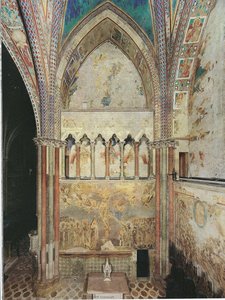
11Christ Enthroned between the Virgin and St John the Evangelist (detail) (1301) čiji je ЧимабуеChrist Enthroned between the Virgin and St John the Evangelist (detail)1301 · Museo dell'Opera del Duomo 12Madonna Enthroned with the Child with Angels čiji je ЧимабуеMadonna Enthroned with the Child with Angels 13The Madonna in Majesty (Maestà) (1285) čiji je ЧимабуеThe Madonna in Majesty (Maestà)1285 · Galerija Ufizi 14The Madonna in Majesty (detail) (1285) čiji je ЧимабуеThe Madonna in Majesty (detail)1285 · Galerija Ufizi 15St Luke (detail) (1280) čiji je ЧимабуеSt Luke (detail)1280 16View of the frescoes in the left transept (1280) čiji je ЧимабуеView of the frescoes in the left transept1280 17St Luke (detail) (1280) čiji je ЧимабуеSt Luke (detail)1280 18Apocalyptical Christ (detail) (1280) čiji je ЧимабуеApocalyptical Christ (detail)1280 19Bogorodica na tronu sa Hristom, Sveti Franjo, Sveti Dominiko i dva anđela čiji je ЧимабуеBogorodica na tronu sa Hristom, Sveti Franjo, Sveti Dominiko i dva anđelaGalerija Ufizi 20Crucifix (1280) čiji je ЧимабуеCrucifix1280 21Crucifix (detail) (1268) čiji je ЧимабуеCrucifix (detail)1268 · San Domenico 22St Matthew (detail) (1280) čiji je ЧимабуеSt Matthew (detail)1280 23St John (detail) (1280) čiji je ЧимабуеSt John (detail)1280 24St Matthew (detail) (1280) čiji je ЧимабуеSt Matthew (detail)1280 25Crucifix (detail) (1268) čiji je ЧимабуеCrucifix (detail)1268 · San Domenico 26Kristi gripande (detail) čiji je ЧимабуеKristi gripande (detail) 27The Flagellation of Christ (1280) čiji je ЧимабуеThe Flagellation of Christ1280 · The Frick Collection 28Madonna Enthroned with the Child and Two Angels čiji je ЧимабуеMadonna Enthroned with the Child and Two AngelsSanta Maria dei Servi 29Virgin and Child čiji je ЧимабуеVirgin and Child 30Madonna Enthroned with the Child, St Francis and Four Angels (1278) čiji je ЧимабуеMadonna Enthroned with the Child, St Francis and Four Angels1278 31Virgin and Child čiji je ЧимабуеVirgin and Child 32Virgin Enthroned with Angels (1290) čiji je ЧимабуеVirgin Enthroned with Angels1290 · Luvr 33Maestà di Santa Maria dei Servi (1280) čiji je ЧимабуеMaestà di Santa Maria dei Servi1280 34Saint Francis (1290) čiji je ЧимабуеSaint Francis1290 35Madonna with Child (1284) čiji je ЧимабуеMadonna with Child1284 36Vision of the Throne (1277) čiji je ЧимабуеVision of the Throne1277 37The Virgin and Child Enthroned with Two Angels čiji je ЧимабуеThe Virgin and Child Enthroned with Two AngelsNational Gallery 38Miracle of Saint Peter (1277) čiji je ЧимабуеMiracle of Saint Peter1277 39Vault of the Evangelists (1277) čiji je ЧимабуеVault of the Evangelists1277 40Dormition (1277) čiji je ЧимабуеDormition1277 41Peter heals a lame man (1277) čiji je ЧимабуеPeter heals a lame man1277 42St Michael and the Dragon by Cimabue (1277) čiji je ЧимабуеSt Michael and the Dragon by Cimabue1277 43Fall of Simon Magus (1277) čiji je ЧимабуеFall of Simon Magus1277 44Vision of Saint John at Patmos (1277) čiji je ЧимабуеVision of Saint John at Patmos1277 45Christ at the Apocalypse (1277) čiji je ЧимабуеChrist at the Apocalypse1277 46Crucifixion of Peter (1283) čiji je ЧимабуеCrucifixion of Peter1283 47Vision of Angels at the Four Corners of the Earth (1277) čiji je ЧимабуеVision of Angels at the Four Corners of the Earth1277 48Martyrdom of Saint Paul (1283) čiji je ЧимабуеMartyrdom of Saint Paul1283 49Fragment of angels (1277) čiji je ЧимабуеFragment of angels1277

Čuvena dela Чимабуе po periodima

Florentine Dawn

1280 – 1284 · 3 dela na ovoj listi

Motivi koji su privlačili pažnju Чимабуе

Četiri teme koje se najčešće ponavljaju u ovim originalima, svaka sa svojim vrhunskim primerom.

Muzeji u kojima se čuvaju originalna dela umetnika Чимабуе

8 muzeja u kojima se nalazi najviše slika sa ove stranice.

Muzej Grad Radovi umetnika Чимабуе Slike iz ovog spiska
Galerija Ufizi, FirencaGalerija Ufizi Firenca 5 Bogorodična veličina (detalj), Bogorica u veličanstvenosti (detalj), The Madonna in Majesty (Maestà)
San Domenico, ArezzoSan Domenico Arezzo 4 Crucifix, Crucifix (detail), Crucifix (detail)
Luvr, ParizLuvr Pariz 2 Ismevanje Hristosa, Virgin Enthroned with Angels
Museo dell'Opera di Santa Croce, FirencaMuseo dell'Opera di Santa Croce Firenca 1 Križ Cimabuea u Santa Croce
Museo dell'Opera del Duomo, PizaMuseo dell'Opera del Duomo Piza 1 Christ Enthroned between the Virgin and St John the Evangelist (detail)
The Frick Collection, Њу ЈоркThe Frick Collection Њу Јорк 1 The Flagellation of Christ
Santa Maria dei Servi, BolonjaSanta Maria dei Servi Bolonja 1 Madonna Enthroned with the Child and Two Angels
National Gallery, LondonNational Gallery London 1 The Virgin and Child Enthroned with Two Angels

Чимабуе kroz decenije: jedan jedinstveni original za svaku

Radovi po decenijama

Izaberite deceniju da biste videli original koji je definiše.

Slike umetnika Чимабуе: pitanja za galeriju

Koje je najpoznatije delo umetnika Чимабуе?Otkrij odgovor

Ismevanje Hristosa (1280), Luvr, Pariz. Slede Križ Cimabuea u Santa Croce (1287) i Sveti Franja iz Asizije (detalj).

U kojoj je godini Чимабуе stvorio/la Ismevanje Hristosa?Otkrij odgovor

40 godina: Ismevanje Hristosa datira iz 1280, a Чимабуе je rođen/a 1240.

Koji je deset najpoznatijih slika autora Чимабуе?Otkrij odgovor

Ismevanje Hristosa, Križ Cimabuea u Santa Croce, Sveti Franja iz Asizije (detalj), Bogorodična veličina (detalj), Bogorica u veličanstvenosti (detalj), Crucifix, Crucifix, Apocalyptical Christ (detail), Madonna Enthroned with the Child, St Francis and four Angels (detail) i Crucifix (detail). Gornji rang pokazuje godinu i muzej za svako od njih.

Koliko je poznatih dela umetnika Чимабуе?Otkrij odgovor

Naš katalog sadrži 52 dela umetnika Чимабуе, datiranih od 1268 do 1301.

Gde se mogu videti najpoznatiji originali umetnika Чимабуе?Otkrij odgovor

Većinom u Galerija Ufizi (Firenca), San Domenico (Arezzo) i Luvr (Pariz). Tabela muzeja iznad sadrži njih sve.

U kom periodu je Чимабуе stvorio/la svoje najpoznatije slike?Otkrij odgovor

U 1280s: 20 od 49 dela na ovoj stranici nastalo je tada, od čega je Ismevanje Hristosa.

Ko je najraniji, a koje je najkasnije čuveno delo umetnika Чимабуе?Otkrij odgovor

Na ovoj stranici, najstarije delo je iz Crucifix (1268), a najnovije iz Christ Enthroned between the Virgin and St John the Evangelist (detail) (1301).

Koje su teme Чимабуе preferirao/la?Otkrij odgovor

Medieval art (14), Angels (13) i Religious iconography (11), kroz svih 49 dela na ovoj stranici.

Sa kojim materijalima je Чимабуе najčešće slikao?Otkrij odgovor

Acrylic On Canvas, za 11 od 49 dela na ovoj stranici.

Kojem umetničkom pravcu pripada delo umetnika Чимабуе?Otkrij odgovor

Protorenesansa, sudeći po originalima na ovoj stranici.

Koja originalna dela Чимабуе mogu videti u Galerija Ufizi?Otkrij odgovor

Bogorodična veličina (detalj), Bogorica u veličanstvenosti (detalj) i The Madonna in Majesty (Maestà): Galerija Ufizi, Firenca čuva 5 dela sa ove stranice.

Чимабуе: portret umetnika

Cimabue: Grandfather of the Italian Renaissance

Giovanni Cimabue, born Cenni di Pepo around 1240 in Florence, stands as a monumental figure—a bridge between the established artistic traditions of the Byzantine world and the burgeoning innovations that would define the Italian Renaissance. His life, though partially obscured by time and romanticized accounts – most notably those penned by Giorgio Vasari centuries later – marks an undeniable turning point in Western art history. Cimabue wasn’t simply a painter; he was a courageous innovator who dared to subtly challenge artistic conventions, laying the groundwork for the revolutionary changes that would soon sweep across Italy. Even his nickname, believed to mean “bull-headed,” hints at a strong will and perhaps a rebellious spirit—qualities demonstrably present in his willingness to experiment with form and expression. He represents a crucial moment where art began to shift from being solely devotional imagery towards something more humanistic and emotionally resonant.

Early Influences and Artistic Development

Initially immersed in the Italo-Byzantine style prevalent throughout Florence, Cimabue’s early work adhered closely to established aesthetic principles: flattened figures adorned with shimmering gold leaf, symbolic rather than realistic depictions of space, and a profound focus on religious iconography. However, even within these constraints, a nascent desire for naturalism began to emerge. He wasn't content merely replicating existing forms; he sought to imbue his paintings with a greater sense of life and emotional depth. While the precise nature of his early training remains debated, it’s likely he honed his skills within Florentine workshops, absorbing the techniques and influences of the time while simultaneously developing his own unique artistic voice. The Byzantine style, characterized by its formality and spiritual focus, provided him with a solid foundation, but Cimabue began to subtly introduce elements that would foreshadow the coming Renaissance—a greater attention to volume, more expressive facial features, and a nascent understanding of spatial relationships. This wasn’t a sudden break from tradition, but rather a gradual evolution, a delicate balancing act between honoring the past and embracing new possibilities.

The Maestro's Vision: Giotto and Beyond

Despite Cimabue’s untimely demise in 1302—leaving behind scant biographical details—his influence on subsequent generations of artists is undeniable. Most notably, he mentored Giotto di Bondone, arguably the first true Renaissance Master. Vasari recounts a legendary tale – one that captures the spirit of their relationship – wherein Cimabue playfully painted a fly onto Giotto’s face, symbolizing his surpassing brilliance. This anecdote underscores not only Cimabue's generosity as a teacher but also the dynamic tension between mentor and pupil—a rivalry fueled by mutual respect and culminating in Giotto’s triumph over his predecessor. Cimabue’s artistic innovations extended beyond Giotto’s training; he challenged the conventions of his time, demonstrating that art could transcend mere symbolism and express profound human emotion. His willingness to experiment with form, proportion, and color paved the way for the groundbreaking achievements of the Renaissance—establishing him as a pivotal transitional figure in Western art history.
Notable Works: A Legacy of Innovation

Cimabue’s artistic output is characterized by remarkable stylistic diversity, reflecting his evolving understanding of artistic principles throughout his career. The *Maestà*, commissioned for the Church of San Francesco in Pisa around 1280, stands as a testament to Cimabue's mastery of composition and color—a bold departure from the rigid Byzantine aesthetic that dominated earlier medieval painting. Unlike its predecessors, the *Maestà* achieves a palpable sense of depth and volume, conveying an emotional resonance previously absent from devotional art. The figures are rendered with meticulous detail, capturing subtle nuances of expression and embodying a newfound appreciation for human anatomy. This monumental altarpiece signaled Cimabue’s embrace of Renaissance ideals—a shift toward naturalism and psychological realism that would profoundly reshape the artistic landscape of Italy. Similarly impressive is *The Crucifixion*, executed circa 1270 for the Basilica of San Domenico in Arezzo. Cimabue's depiction of Christ on the cross represents a decisive step away from Byzantine conventions—characterized by stylized figures and distant perspectives. The artist skillfully employs shading to imbue the crucified figure with flesh-like plasticity, conveying the agony of suffering with remarkable sensitivity. Furthermore, Cimabue’s masterful use of color enhances the dramatic impact of the scene—creating a visual experience that transcends mere representation and engages the viewer emotionally. Finally, Cimabue's contribution to Florentine art is cemented through his involvement in the decoration of the Baptistery of Florence – specifically the mosaic depicting Saint John the Evangelist completed between 1301 and 1302. This monumental artwork exemplifies Cimabue’s artistic prowess as a mosaicist—demonstrating his ability to integrate intricate geometric patterns with vibrant colors—creating a visually stunning masterpiece that continues to inspire awe and admiration centuries later. Cimabue's legacy endures not merely as an artist but as a catalyst for change—a visionary who ushered in the dawn of the Renaissance, forever altering the course of Western art history.