Portret Беноцо Гоцоли

100 najpoznatijih slika umetnika Беноцо Гоцоли, izbor iz galerije

Ažurirano: новембар 2026 · rangirano prema našem koeficijentu popularnosti (pretrage, posete i porudžbine za svako delo) · 229 dela Беноцо Гоцоли u našem katalogu

Ukratko

Od svih originala koje je Беноцо Гоцоли ostavio, najpoznatiji je Процесија мага Мелхора. Odmah za njima slede Triumph of St Thomas Aquinas (1471) i Madonna della Cintola (detail) (1450). Naš katalog sadrži 229 dela umetnika Беноцо Гоцоли; galerija je čuvala 100 dela koja svet najviše admira, od kojih je svako prikazano sa svojim datumom, muzejom i pričom.

1420 – 1497, Фиренца Rana renesansa Najviše dela: Biblioteca Comunale

Top 10 slika umetnika Беноцо Гоцоли: izbor galerije

1
Процесија мага Мелхора čiji je Беноцо Гоцоли

Процесија мага Мелхора

Freska

Captivating Subject and Rich Narrative This exquisite artwork vividly captures a grand procession, likely depicting the biblical Magi or a noble ceremonial event from the medieval or early Renaissance period. The scene is densely populated with figures, animals, and natural elements, creating a lively tapestry that invites viewers to explore its intricate storytelling. The figures are dressed in regal attire, mounted on horses and camels, emphasizing the importance and solemnity…

2
Triumph of St Thomas Aquinas (1471) čiji je Беноцо Гоцоли

Triumph of St Thomas Aquinas

1471 · Tempera On Panel · Luvr, Pariz

In the heart of the Florentine Renaissance, where the shadows of medieval mysticism began to dance with the emerging light of humanism, Benozzo Gozzoli captured a moment of profound spiritual and intellectual convergence. His 1471 masterpiece, Triumph of St Thomas Aquinas, is not merely a painting but a luminous window into a world where faith and reason exist in perfect, radiant harmony. As one gazes upon this tempera on wood…

3
Madonna della Cintola (detail) (1450) čiji je Беноцо Гоцоли

Madonna della Cintola (detail)

1450 · Fresco · Vatikan Pinacoteca, Vatikan

A Celebration of Faith and Festive Splendor: Exploring Benozzo Gozzoli’s Madonna della Cintola Benozzo Gozzoli's *Madonna della Cintola*, painted around 1450, stands as a testament to the flourishing international gothic style that dominated Florentine art during the High Renaissance. More than just a depiction of Mary cradling Jesus—a motif deeply rooted in Christian iconography—the fresco embodies a vibrant celebration of pilgrimage and divine grace, capturing the spirit of its commission…

4
Madonna and Child with Sts Francis and Bernardine, and Fra Jacopo (1452) čiji je Беноцо Гоцоли

Madonna and Child with Sts Francis and Bernardine, and Fra Jacopo

1452 · Tempera On Panel · Kunsthistorisches Museum, Beč

To stand before "Madonna and Child with Sts Francis and Bernardine, and Fra Jacopo" is to step directly into the vibrant heart of the Italian Renaissance. Created by the masterful hand of Benozzo Gozzoli in 1452, this tempera on panel artwork radiates a profound sense of serenity interwoven with rich theological narrative. The composition immediately draws the eye to the central grouping: Mary cradling the divine infant Jesus, flanked by…

5
Stigmatization of St. Francis (1452) čiji je Беноцо Гоцоли

Stigmatization of St. Francis

1452 · Fresco

To gaze upon this fresco is to step directly into the luminous heart of the Italian Renaissance, witnessing a moment suspended between earthly devotion and divine grace. Benozzo Gozzoli’s depiction of the Stigmatization of St. Francis is not merely a religious narrative; it is an overwhelming testament to profound faith, human humility, and the sublime connection between man and the sacred. The composition immediately draws the eye into the central…

6
Expulsion of Joachim from the Temple (1491) čiji je Беноцо Гоцоли

Expulsion of Joachim from the Temple

1491 · Fresco · Biblioteca Comunale, Castelfiorentino

To stand before Benozzo Gozzoli's depiction of The Expulsion of Joachim from the Temple is to step directly into the vibrant, charged atmosphere of the Italian Renaissance. This fresco painting, executed in 1491, is far more than a mere illustration of scripture; it is a masterful study in human drama, rendered with an almost palpable sense of tension. Gozzoli, known for his ability to infuse grand historical narratives with intimate,…

7
The Virgin and Child with Saints (1476) čiji je Беноцо Гоцоли

The Virgin and Child with Saints

1476 · Tempera On Panel · Nacionalna galerija Kanade, Otava

The Virgin and Child with Saints is a sacra conversazione painted by Benozzo Gozzoli. Created between 1476 and 1477, the work functions as a formal assembly of holy figures. The tempera on wood captures a moment of spiritual stillness, where the divine presence is anchored by the central figures of the Madonna and her child.

8
Journey of the Magi čiji je Беноцо Гоцоли

Journey of the Magi

Fresco

The work known as Journey of the Magi is a significant creation by the Florentine painter Benozzo Gozzoli. Created during the height of the Renaissance, this piece reflects the hand of an artist who lived from 1420 to 1497. The subject matter focuses on the Adoration of the Magi, or the Three Kings, depicting their arrival and the recognition of the newborn Christ.

9
Tabernacle of the Madonna delle Tosse: Maria lactans (1484) čiji je Беноцо Гоцоли

Tabernacle of the Madonna delle Tosse: Maria lactans

1484 · Fresco

The Tabernacle of the Madonna delle Tosse: Maria Lactans is a stunning fresco painted by Benozzo Gozzoli in 1484. This beautiful work of art is a testament to the skill and craftsmanship of Benozzo Gozzoli, a renowned artist of the Early Renaissance period. The painting is set against a backdrop of an ornate gold frame, which adds to its grandeur. Composition and Style The composition of the painting is well-balanced,…

10
Preaching to the Birds and Blessing Montefalco (1452) čiji je Беноцо Гоцоли

Preaching to the Birds and Blessing Montefalco

1452 · Fresco

The fresco titled Preaching to the Birds and Blessing Montefalco is an artwork by Benozzo Gozzoli. Created in 1452, this work belongs to the Early Renaissance and International Gothic styles. The composition focuses on themes of spirituality and the presence of a religious community. It depicts a group of monks or religious figures engaged in a specific sacred gathering.

Izbor umetnika Беноцо Гоцоли se nastavlja, od 11 do 100

11Madonna and Child with Angels (1450) čiji je Беноцо ГоцолиMadonna and Child with Angels1450 · Barnes Foundation 12Madonna with Child (1460) čiji je Беноцо ГоцолиMadonna with Child1460 · Nacionalni muzej u Krakovu 13St. Augustine Departing for Milan (1465) čiji je Беноцо ГоцолиSt. Augustine Departing for Milan1465 14The Blessed Fina de' Ciardi and Saint Madeleine (1450) čiji je Беноцо ГоцолиThe Blessed Fina de' Ciardi and Saint Madeleine1450 · Musée du Petit Palais 15Mary with the child and saints (1450) čiji je Беноцо ГоцолиMary with the child and saints1450 · Gemäldegalerie 16Saint Ursula with Two Angels and Donor (1460) čiji je Беноцо ГоцолиSaint Ursula with Two Angels and Donor1460 · National Gallery of Art 17Adoration of the Magi (1445) čiji je Беноцо ГоцолиAdoration of the Magi1445 18Procession of the Middle King (1459) čiji je Беноцо ГоцолиProcession of the Middle King1459 19Saint Jerome and the blessed Bartolo Buompedoni of San Giminiano (1464) čiji je Беноцо ГоцолиSaint Jerome and the blessed Bartolo Buompedoni of San Giminiano1464 · Музеј Тисен-Борнемиза 20Totila before Saint Benedict (1468) čiji je Беноцо ГоцолиTotila before Saint Benedict1468 · Metropoliten музеј у Њујорку 21The Conversion of Saint Paul (1468) čiji je Беноцо ГоцолиThe Conversion of Saint Paul1468 · Metropoliten музеј у Њујорку 22The hl. Zenobius raises a dead boy (1461) čiji je Беноцо ГоцолиThe hl. Zenobius raises a dead boy1461 · Gemäldegalerie 23Tobias with Archangel Raphael (1460) čiji je Беноцо ГоцолиTobias with Archangel Raphael1460 · Nacionalni muzej u Krakovu 24Dream of Innocent III and the Confirmation of the Rule (detail) (1452) čiji je Беноцо ГоцолиDream of Innocent III and the Confirmation of the Rule (detail)1452 25Scenes from the Life of St. Francis (north wall) (1452) čiji je Беноцо ГоцолиScenes from the Life of St. Francis (north wall)1452 26St. Augustine Reading Rhetoric and Philosophy at the School of Rome (detail) (1465) čiji je Беноцо ГоцолиSt. Augustine Reading Rhetoric and Philosophy at the School of Rome (detail)1465 27Procession of the Middle King (detail) (1459) čiji je Беноцо ГоцолиProcession of the Middle King (detail)1459 28Procession of the Magi (1461) čiji je Беноцо ГоцолиProcession of the Magi1461 29St. Francis in Glory and Saints (1452) čiji je Беноцо ГоцолиSt. Francis in Glory and Saints1452 30Upper portions of the east (window) wall (1464) čiji je Беноцо ГоцолиUpper portions of the east (window) wall1464 31Dream of Innocent III and the Confirmation of the Rule (1452) čiji je Беноцо ГоцолиDream of Innocent III and the Confirmation of the Rule1452 32Scenes from the Life of St Francis (Scene 1, north wall) (1452) čiji je Беноцо ГоцолиScenes from the Life of St Francis (Scene 1, north wall)1452 33Painting (1500) čiji je Беноцо ГоцолиPainting1500 · National Museum of Art, Architecture and Design 34Shrine of the Visitation (1491) čiji je Беноцо ГоцолиShrine of the Visitation1491 · Biblioteca Comunale 35Virgin and Child Enthroned between Saint Dominic and a Papal Saint (formerly attributed to Domenico di Michelino) (1430) čiji je Беноцо ГоцолиVirgin and Child Enthroned between Saint Dominic and a Papal Saint (formerly attributed to Domenico di Michelino)1430 · Courtauld Gallery 36Scenes from the Life of St Francis (Scene 8, south wall) (1452) čiji je Беноцо ГоцолиScenes from the Life of St Francis (Scene 8, south wall)1452 37St Sebastian Intercessor (1464) čiji je Беноцо ГоцолиSt Sebastian Intercessor1464 · Nave of Sant'Agostino 38Scenes from the Life of St Francis (Scene 9, north wall) (1452) čiji je Беноцо ГоцолиScenes from the Life of St Francis (Scene 9, north wall)1452 39Scenes from the Life of St Francis (Scene 2, north wall) (1452) čiji je Беноцо ГоцолиScenes from the Life of St Francis (Scene 2, north wall)1452 40View of the Church of Sant'Agostino (1280) čiji je Беноцо ГоцолиView of the Church of Sant'Agostino1280 41St Fortunatus Enthroned (1450) čiji je Беноцо ГоцолиSt Fortunatus Enthroned1450 · San Fortunato 42Adoration of the Magi (1440) čiji je Беноцо ГоцолиAdoration of the Magi1440 · Samostan San Marko 43Madonna and Child between St Francis and St Bernardine of Siena (1450) čiji je Беноцо ГоцолиMadonna and Child between St Francis and St Bernardine of Siena1450 · San Fortunato 44Procession of the Magus Caspar (Portrait Of Giuliano De Medici, detail) (1461) čiji je Беноцо ГоцолиProcession of the Magus Caspar (Portrait Of Giuliano De Medici, detail)1461 45St. Francis Giving Away His Clothes, Vision of the Church Militant and Triumphant (detail) (1452) čiji je Беноцо ГоцолиSt. Francis Giving Away His Clothes, Vision of the Church Militant and Triumphant (detail)1452 46St. Augustine Reading Rhetoric and Philosophy at the School of Rome (1465) čiji je Беноцо ГоцолиSt. Augustine Reading Rhetoric and Philosophy at the School of Rome1465 47The Parable of the Holy Trinity and the Visit to the Monks of Mount Pisano (1465) čiji je Беноцо ГоцолиThe Parable of the Holy Trinity and the Visit to the Monks of Mount Pisano1465 48Death of St Monica (detail) (1464) čiji je Беноцо ГоцолиDeath of St Monica (detail)1464 49Raphael and Tobias (on the pillar) (1464) čiji je Беноцо ГоцолиRaphael and Tobias (on the pillar)1464 50St Bartolus (on the pillar) (1464) čiji je Беноцо ГоцолиSt Bartolus (on the pillar)1464 51St Gimignano (on the pillar) (1464) čiji je Беноцо ГоцолиSt Gimignano (on the pillar)1464 52St Fina (on the pillar) (1464) čiji je Беноцо ГоцолиSt Fina (on the pillar)1464 53Angels Worshipping (detail) (1461) čiji je Беноцо ГоцолиAngels Worshipping (detail)1461 54St Monica (on the pillar) (1464) čiji je Беноцо ГоцолиSt Monica (on the pillar)1464 55Procession of the Middle King (detail) (1459) čiji je Беноцо ГоцолиProcession of the Middle King (detail)1459 56St Sebastian (on the pillar) (1464) čiji je Беноцо ГоцолиSt Sebastian (on the pillar)1464 57Procession of the Magus Caspar (detail) (1461) čiji je Беноцо ГоцолиProcession of the Magus Caspar (detail)1461 58The Vigil of the Shepherds (right wall of the apse) (1459) čiji je Беноцо ГоцолиThe Vigil of the Shepherds (right wall of the apse)1459 59Tobias and the Fish (1464) čiji je Беноцо ГоцолиTobias and the Fish1464 60St Nicholas of Tolentino (on the pillar) (1464) čiji je Беноцо ГоцолиSt Nicholas of Tolentino (on the pillar)1464 61Procession of the Magi (moved section, backfill wall) (1459) čiji je Беноцо ГоцолиProcession of the Magi (moved section, backfill wall)1459 62Procession of the Middle King (detail) (10) (1459) čiji je Беноцо ГоцолиProcession of the Middle King (detail) (10)1459 63The Vigil of the Shepherds (left wall of the apse) (1459) čiji je Беноцо ГоцолиThe Vigil of the Shepherds (left wall of the apse)1459 64Procession of the Middle King (detail) (1459) čiji je Беноцо ГоцолиProcession of the Middle King (detail)1459 65The Four Evangelists (1465) čiji je Беноцо ГоцолиThe Four Evangelists1465 66St Nicholas of Bari (on the pillar) (1464) čiji je Беноцо ГоцолиSt Nicholas of Bari (on the pillar)1464 67Tabernacle of the Condemned (1466) čiji je Беноцо ГоцолиTabernacle of the Condemned1466 68Procession of the Youngest King (detail) (1459) čiji je Беноцо ГоцолиProcession of the Youngest King (detail)1459 69St. Mark (detail of The Four Evangelists) (1465) čiji je Беноцо ГоцолиSt. Mark (detail of The Four Evangelists)1465 70Procession of the Magus Caspar (detail) (8) (1461) čiji je Беноцо ГоцолиProcession of the Magus Caspar (detail) (8)1461 71Angels Worshipping (detail) (1461) čiji je Беноцо ГоцолиAngels Worshipping (detail)1461 72Procession of the Middle King (detail) (1459) čiji je Беноцо ГоцолиProcession of the Middle King (detail)1459 73St Augustine Departing for Milan (detail) (1464) čiji je Беноцо ГоцолиSt Augustine Departing for Milan (detail)1464 74View of the apsidal chapel (1464) čiji je Беноцо ГоцолиView of the apsidal chapel1464 · Sant'Agostino 75Procession of the Youngest King (detail) (1459) čiji je Беноцо ГоцолиProcession of the Youngest King (detail)1459 76Madonna and Child Surrounded by Saints (detail) (1452) čiji je Беноцо ГоцолиMadonna and Child Surrounded by Saints (detail)1452 77St. John (detail of The Four Evangelists) (1465) čiji je Беноцо ГоцолиSt. John (detail of The Four Evangelists)1465 78View of the vaults (1464) čiji je Беноцо ГоцолиView of the vaults1464 79Procession of the Oldest King (detail) (1459) čiji je Беноцо ГоцолиProcession of the Oldest King (detail)1459 80Blessing of the Faithful at Hippo (scene 14, north wall) (1464) čiji je Беноцо ГоцолиBlessing of the Faithful at Hippo (scene 14, north wall)1464 81Procession of the Youngest King (detail) (1459) čiji je Беноцо ГоцолиProcession of the Youngest King (detail)1459 82Procession of the Magus Balthazar (detail) (9) (1461) čiji je Беноцо ГоцолиProcession of the Magus Balthazar (detail) (9)1461 83The Departure of St Jerome from Antioch (1452) čiji je Беноцо ГоцолиThe Departure of St Jerome from Antioch1452 84Funeral of St Augustine (scene 17, south wall) (1464) čiji je Беноцо ГоцолиFuneral of St Augustine (scene 17, south wall)1464 85Procession of the Magus Caspar (detail) (1461) čiji je Беноцо ГоцолиProcession of the Magus Caspar (detail)1461 86The Parable of the Holy Trinity (detail) (1464) čiji je Беноцо ГоцолиThe Parable of the Holy Trinity (detail)1464 87St. Luke (detail of The Four Evangelists) (1465) čiji je Беноцо ГоцолиSt. Luke (detail of The Four Evangelists)1465 88Saint Ursula with Angels and Donor (detail) (1455) čiji je Беноцо ГоцолиSaint Ursula with Angels and Donor (detail)1455 89Saint Ursula with Angels and Donor (detail) (1455) čiji je Беноцо ГоцолиSaint Ursula with Angels and Donor (detail)1455 90St Francis in Glory and Saints (1452) čiji je Беноцо ГоцолиSt Francis in Glory and Saints1452 91Procession of the Oldest King (detail) (8) (1459) čiji je Беноцо ГоцолиProcession of the Oldest King (detail) (8)1459 92Procession of the Youngest King (detail) (1459) čiji je Беноцо ГоцолиProcession of the Youngest King (detail)1459 93Saint Ursula with Angels and Donor (detail) (1455) čiji je Беноцо ГоцолиSaint Ursula with Angels and Donor (detail)1455 94The Dance of Salome (detail) (1462) čiji je Беноцо ГоцолиThe Dance of Salome (detail)1462 95Procession of the Magus Balthazar (detail) (1461) čiji je Беноцо ГоцолиProcession of the Magus Balthazar (detail)1461 96Saint Ursula with Angels and Donor (detail) (1455) čiji je Беноцо ГоцолиSaint Ursula with Angels and Donor (detail)1455 97Procession of the Youngest King (east wall) (1459) čiji je Беноцо ГоцолиProcession of the Youngest King (east wall)1459 98St.Matthew (detail of The Four Evangelists) (1465) čiji je Беноцо ГоцолиSt.Matthew (detail of The Four Evangelists)1465 99Procession of the Magus Balthazar (detail) (8) (1461) čiji je Беноцо ГоцолиProcession of the Magus Balthazar (detail) (8)1461 100Procession of the Magus Balthazar (detail) (1461) čiji je Беноцо ГоцолиProcession of the Magus Balthazar (detail)1461

Čuvena dela Беноцо Гоцоли po periodima

Motivi koji su privlačili pažnju Беноцо Гоцоли

Četiri teme koje se najčešće ponavljaju u ovim originalima, svaka sa svojim vrhunskim primerom.

Muzeji u kojima se čuvaju originalna dela umetnika Беноцо Гоцоли

8 muzeja u kojima se nalazi najviše slika sa ove stranice.

Muzej Grad Radovi umetnika Беноцо Гоцоли Slike iz ovog spiska
Biblioteca Comunale, CastelfiorentinoBiblioteca Comunale Castelfiorentino 6 Expulsion of Joachim from the Temple, Shrine of the Visitation
Metropoliten музеј у Њујорку, ЊујоркMetropoliten музеј у Њујорку Њујорк 4 Totila before Saint Benedict, The Conversion of Saint Paul
San Fortunato, MontefalcoSan Fortunato Montefalco 3 St Fortunatus Enthroned, Madonna and Child between St Francis and St Bernardine of Siena
Nacionalni muzej u Krakovu, KrakovNacionalni muzej u Krakovu Krakov 2 Madonna with Child, Tobias with Archangel Raphael
Gemäldegalerie, BerlinGemäldegalerie Berlin 2 Mary with the child and saints, The hl. Zenobius raises a dead boy
National Gallery of Art, WashingtonNational Gallery of Art Washington 4 Saint Ursula with Two Angels and Donor
Samostan San Marko, FirencaSamostan San Marko Firenca 3 Adoration of the Magi
Sant'Agostino, San GimignanoSant'Agostino San Gimignano 3 View of the apsidal chapel

Беноцо Гоцоли deceniju po deceniju: original koji definiše svaku od njih

Radovi po decenijama

Izaberite deceniju da biste videli original koji je definiše.

Pitanja kolekcionara o slikama umetnika Беноцо Гоцоли

Po kojem delu je Беноцо Гоцоли najpoznatiji/a?Otkrij odgovor

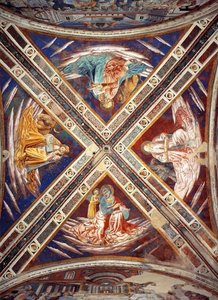
Процесија мага Мелхора. Slede Triumph of St Thomas Aquinas (1471) i Madonna della Cintola (detail) (1450).

Koja su deset najpoznatijih slika umetnika Беноцо Гоцоли?Otkrij odgovor

Процесија мага Мелхора, Triumph of St Thomas Aquinas, Madonna della Cintola (detail), Madonna and Child with Sts Francis and Bernardine, and Fra Jacopo, Stigmatization of St. Francis, Expulsion of Joachim from the Temple, The Virgin and Child with Saints, Journey of the Magi, Tabernacle of the Madonna delle Tosse: Maria lactans i Preaching to the Birds and Blessing Montefalco. Gornji rang pokazuje godinu i muzej za svako od njih.

Koliko je slika ostavio Беноцо Гоцоли?Otkrij odgovor

Naš katalog sadrži 229 dela umetnika Беноцо Гоцоли, datiranih od 1430 do 1491.

U kojim muzejima se nalaze remek-dela umetnika Беноцо Гоцоли?Otkrij odgovor

Većinom u Biblioteca Comunale (Castelfiorentino), Metropoliten музеј у Њујорку (Њујорк) i San Fortunato (Montefalco). Tabela muzeja iznad sadrži njih sve.

U kojim godinama je Беноцо Гоцоли naslikao svoja najpoznatija dela?Otkrij odgovor

U 1460s: 47 od 100 dela na ovoj stranici nastalo je tada, od čega je Madonna with Child.

Koja su prva i poslednja čuvena originalna dela umetnika Беноцо Гоцоли?Otkrij odgovor

Na ovoj stranici, najstarije delo je iz Virgin and Child Enthroned between Saint Dominic and a Papal Saint (formerly attributed to Domenico di Michelino) (1430), a najnovije iz Expulsion of Joachim from the Temple (1491).

Koje je motive Беноцо Гоцоли najčešće birao/la?Otkrij odgovor

People (25), Man (20) i Woman (16), kroz svih 100 dela na ovoj stranici.

Koju je tehniku najčešće koristio/la Беноцо Гоцоли?Otkrij odgovor

Fresco, za 74 od 100 dela na ovoj stranici.

Kojem umetničkom pravcu pripada Беноцо Гоцоли?Otkrij odgovor

Rana renesansa, sudeći po originalima na ovoj stranici.

Čija se dela umetnika Беноцо Гоцоли nalaze u Biblioteca Comunale?Otkrij odgovor

Expulsion of Joachim from the Temple i Shrine of the Visitation: Biblioteca Comunale, Castelfiorentino čuva 2 dela sa ove stranice.

Беноцо Гоцоли: život i delo

The Life and Training of Benozzo Gozzoli

Born Benozzo di Lese, the man who would become known as Benozzo Gozzoli entered the world around 1421. His early years were shaped by the movement of his family, who left their village of Sant'Ilario a Colombano to settle in Florence in 1427. This relocation placed him at the very heart of a changing era, where the traditions of the past were beginning to meet new ways of seeing the world. Before he ever took up the brush to command a large fresco, he learned the meticulous discipline of a goldsmith. This early training in metalwork instilled in him a precision that would later define his approach to every surface he touched.

His path as a painter was cleared when he entered the workshop of Fra Angelico. As a pupil and assistant to the master, Benozzo Gozzoli did more than simply observe; he labored alongside him, helping to execute the sacred decorations that adorned the dormitory cells of the Convent of San Marco in Florence. Through this apprenticeship, he absorbed a refined sense of grace and a devotion to detail that would remain with him throughout his long career. He was a man of great industry, moving between the workshops of Florence and the grander commissions of the papacy, always carrying the lessons of his early masters into the service of his patrons.

Artistic Activity in Florence and Rome

The path of Benozzo Gozzoli led him through the most significant centers of the Italian Renaissance, where his hands were shaped by the hands of masters. In Florence, his early years were spent in the shadow of Fra Angelico. As a pupil and assistant, he labored within the Convent of San Marco, helping to execute the fresco decorations that adorn the dormitory cells. This period of apprenticeship was not merely about learning technique, but about absorbing a specific way of seeing the divine through meticulous detail. His presence in the city was constant, as he moved between the workshops of Florence and the sacred spaces of the surrounding hills.

By 1447, his reputation and his association with Fra Angelico drew him toward the heart of papal power. He traveled to Rome, entering a world of high patronage and grand ambitions. There, under the watchful eye of Pope Eugene IV, he worked within the Vatican Palace. These years in Rome allowed him to expand his reach beyond the Tuscan borders, establishing himself as a painter capable of meeting the demands of the highest ecclesiastical authorities. His movement between the spiritual quietude of the Florentine convents and the political splendor of the Roman court defined his professional life for decades.

Artistic Style and Technical Mastery

The hand of Gozzoli carried the lingering grace of the International Gothic style into the changing light of the early Renaissance. He possessed a particular talent for weaving together a sense of elegance with a sophisticated understanding of perspective, allowing his figures to inhabit spaces that felt both decorative and structured. His brushwork often favored an elaborate ornamentation, dressing his subjects in a manner that spoke of worldly splendor. This was most evident in his preference for a palette of deep, commanding colors, where reds and golds were used to catch the light and draw the eye through his compositions.

In his most ambitious works, he relied heavily on the fresco technique, applying his pigments directly onto wet plaster to achieve a lasting luminosity. This method required a steady hand and a quick mind, as the artist had to work while the surface was still damp to ensure the colors became a permanent part of the wall. Through this process, he achieved a textural depth that brought his religious narratives to life, blending the meticulous detail he learned from his training with a new, more naturalistic approach to the world around him. His ability to layer glazes and pigments allowed for subtle gradations of color, creating a shimmering effect that made the celestial and the earthly feel closely intertwined.

Major Commissions and Notable Works

The artist’s hands were often occupied by the grandest tasks of his age. Between 1444 and 1447, he found himself working alongside Lorenzo Ghiberti on the Paradise Doors of the Florence Baptistery, a collaboration that placed his skill among the most significant bronze works of the era. This period of intense activity saw him moving through the sacred spaces of Italy, bringing his particular vision to various altars and chapels. In 1450, he traveled to Narni to paint an Annunciation, a work that captured the attention of those seeking the refined grace he had learned from his master.

His most celebrated narrative work emerged in the Magi Chapel of the Palazzo Medici-Riccardi. From 1459 to 1461, he filled the walls with the procession of the Magi to Bethlehem, creating a scene of movement and life that reflected the splendor of the Medici court. These frescoes were not merely religious scenes but were filled with the details of contemporary life, populating the sacred story with a sense of worldly presence. He brought this same devotion to the monastery of San Fortunato near Montefalco, where he painted the Madonna and Child positioned between St. Francis and St. Bernardine of Siena.

  • The Paradise Doors of the Florence Baptistery (1444–1447)
  • Annunciation in Narni (1450)
  • The Magi Chapel frescoes (1459–1461)
  • Madonna and Child with St. Francis and St. Bernardine of Siena

Where to See His Masterpieces Today

To witness the splendor of his most celebrated frescoes, one must travel to Florence. There, within the Palazzo Medici-Riccardi, the walls of the Magi Chapel hold the details of the procession of the Magi. These murals capture a sense of movement and life that once filled the private spaces of the Medici family. The colors and the intricate details of the figures remain as they were when the artists first applied pigment to the plaster.

Beyond the borders of Italy, his hand can be found in many great halls and galleries. In Paris, the Louvre holds the Triumph of St. Thomas Aquinas, a work that displays his ability to handle tempera on panel. Across the Atlantic, the National Gallery of Art in Washington presents The Feast of Herod and the Beheading of Saint John the Baptist, a piece that reveals the dramatic weight of his storytelling. In the Detroit Institute of Arts, one may find the Madonna and Child, which offers a glimpse into the devotional works that defined his career.