Portret Alfonz Legro

Slike umetnika Alfonz Legro: Najpoznatijih 66 kroz oči galerije

Ažurirano: новембар 2026 · rangirano prema našem koeficijentu popularnosti (pretrage, posete i porudžbine za svako delo) · 73 dela Alfonz Legro u našem katalogu

Ukratko

Za ljubitelje galerije, najpoznatije delo umetnika Alfonz Legro je Women in Prayer (1888), čiji se original nalazi u muzeju Tate Gallery, London. Portrait of Edouard Manet (1863) i L'Angelus (1859) čine triju koju svako oko prepoznaje. Od 73 dela umetnika Alfonz Legro u našem katalogu, galerija u nastavku predstavlja 66 najpoznatijih dela, od kojih je svako originalno, sa navedenom godinom nastanka, muzejom i onim što ga čini jedinstvenim.

1837 – 1911, Дижон Contemporary realism Najviše dela: National Gallery of Art

Top 10 slika umetnika Alfonz Legro u galeriji

1
Women in Prayer (1888) čiji je Alfonz Legro

Women in Prayer

1888 · Oil On Canvas · Tate Gallery, London

Alphonse Legros's “Women in Prayer” isn’t merely a depiction of a religious scene; it’s an invitation to contemplate the quiet power of devotion. Painted in 1888, this oil on canvas transports us to a dimly lit interior space – likely a church or chapel – where nine women are immersed in prayer. The work immediately establishes a mood of solemnity and introspection, achieved through Legros's masterful manipulation of light, tone,…

2
Portrait of Edouard Manet (1863) čiji je Alfonz Legro

Portrait of Edouard Manet

1863 · Oil On Canvas · Petit Palais, Pariz

In this 1863 portrait, we find ourselves in a quiet, intimate space with Edouard Manet. He sits in a wooden armchair, his body relaxed yet his posture suggesting a deep, internal contemplation. There is a certain gravity to his presence, a weight that comes from the way he rests his head against his hand, lost in thought. The composition is deliberate, placing him slightly off-center to create a sense of…

3
L'Angelus (1859) čiji je Alfonz Legro

L'Angelus

1859 · Oil

In 1859, Alphonse Legros painted L'Angelus, a work that captures a quiet pause in the rhythm of labor. The scene focuses on a group of peasants caught in a moment of prayer. They exist within the heavy, still air of their daily lives, their bodies bowed in a shared act of devotion. This depiction of the working class avoids the grand or the theatrical, choosing instead to find weight in…

4
The Lectern (1865) čiji je Alfonz Legro

The Lectern

1865 · Oil · Petit Palais, Pariz

The Lectern is an oil painting by Alphonse Legros, created about 1865. The work depicts four male figures dressed in religious attire during a moment of liturgical solemnity. The scene captures a religious ceremony, likely a Mass or a formal reading, within a quiet and focused setting. The composition centers on the interaction between the clerics as they participate in the ritual.

5
The Baptism (1869) čiji je Alfonz Legro

The Baptism

1869 · Oil On Canvas

The Baptism is an oil painting on canvas by Alphonse Legros. Created about 1869, the work depicts a scene within a dimly lit, gothic-style church. Three women are positioned around an infant, with the central figure holding the baby. To the left, a statue of a saint is visible against the architectural backdrop. The setting is defined by arches and columns that frame the figures.

6
Le Repas des Pauvres (1877) čiji je Alfonz Legro

Le Repas des Pauvres

1877 · Oil

In the quiet, shadowed corners of a dimly lit interior, three men gather for a meal. This is Le Repas des Pauvres, a work by Alphonse Legros. The scene unfolds around a rectangular table, where the simple presence of bowls and single glasses speaks to a life of profound modesty. There is a heavy, somber weight to the air as the figures occupy their shallow space, their worn clothing and…

7
The Geography Lesson (1874) čiji je Alfonz Legro

The Geography Lesson

1874 · Oil On Canvas · Wallraf-Richartz-Museum, Keln

In The Geography Lesson, Alphonse Legros captures a quiet moment of instruction. The scene is set within a classroom where a female teacher gestures toward a large terrestrial globe. Around her, six young girls gather in a tight semi-circle. They lean inward, their gazes fixed upon the sphere. This shared focus creates a sense of stillness. The air in the room feels heavy with the weight of learning.

8
Portrait of a Woman (1880) čiji je Alfonz Legro

Portrait of a Woman

1880 · Oil On Canvas · Petit Palais, Pariz

The Portrait of a Woman by Alphonse Legros captures a single female figure in a moment of quietude. This profile portrait, rendered in oil, presents the subject looking toward the left edge of the frame. The artist, Alphonse Legros, focuses on the contours of the face and the texture of the hair, creating a sense of stillness. It is a study of a person caught in a private, contemplative gaze.

9
The Reverend Robert Burn (1880) čiji je Alfonz Legro

The Reverend Robert Burn

1880 · Oil On Canvas · Fitzwilliam College, Cambridge

Alphonse Legros' "The Reverend Robert Burn," painted in 1880, is more than just a portrait; it’s a carefully constructed tableau of Victorian sensibilities and the quiet contemplation of a man steeped in faith. This oil-on-canvas work, currently residing within The Fitzwilliam Museum’s collection, offers a glimpse into a bygone era – an era defined by meticulous detail, restrained emotion, and a profound respect for tradition. Legros, a French-British artist who…

10
Cupid and Psyche (1867) čiji je Alfonz Legro

Cupid and Psyche

1867 · Oil On Canvas · Tate Gallery, London

The world of art is replete with masterpieces that have stood the test of time, and one such work is the captivating oil on canvas painting, Cupid and Psyche, by the renowned artist Alphonse Legros. Created in 1867, this piece is a testament to the enduring power of love and beauty, themes that have been central to art throughout history. Today, it resides at the prestigious Tate Gallery in London,…

Slike umetnika Alfonz Legro, rangirane od 11 do 66

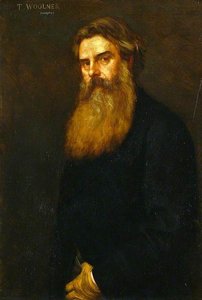
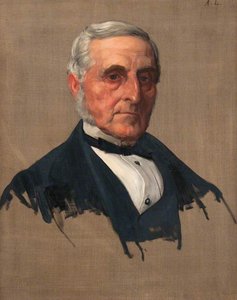
11Interior with an Organist and a Procession (1865) čiji je Alfonz LegroInterior with an Organist and a Procession1865 · Ashmolean Museum of Art and Archaeology 12William Cosens Way (1833–1905) (1862) čiji je Alfonz LegroWilliam Cosens Way (1833–1905)1862 13Rehearsing the Service (1870) čiji je Alfonz LegroRehearsing the Service1870 · Tate Gallery 14The Pilgrimage (1871) čiji je Alfonz LegroThe Pilgrimage1871 15Sir Edward Burne Jones (1833–1898), ARA (1869) čiji je Alfonz LegroSir Edward Burne Jones (1833–1898), ARA1869 16The Communion (1865) čiji je Alfonz LegroThe Communion1865 17The Sermon (1871) čiji je Alfonz LegroThe Sermon1871 · Scottish National Gallery 18Centaur Woman (1911) čiji je Alfonz LegroCentaur Woman1911 19Death and the Woodcutter (1877) čiji je Alfonz LegroDeath and the Woodcutter1877 · Nacionalna galerija Kanade 20Portrait of a Woman (1875) čiji je Alfonz LegroPortrait of a Woman1875 · National Gallery of Art 21The Tinker (1874) čiji je Alfonz LegroThe Tinker1874 22Tired Wanderer (1878) čiji je Alfonz LegroTired Wanderer1878 23Blessing the Sea (1872) čiji je Alfonz LegroBlessing the Sea1872 24Portrait of Léon Gambetta (1875) čiji je Alfonz LegroPortrait of Léon Gambetta1875 25Head of a Man Looking Upwards and Sideways (1877) čiji je Alfonz LegroHead of a Man Looking Upwards and Sideways1877 26Thomas Carlyle (1795–1881), Historian and Essayist (1877) čiji je Alfonz LegroThomas Carlyle (1795–1881), Historian and Essayist1877 · Scottish National Portrait Gallery 27Study of a Head (1878) čiji je Alfonz LegroStudy of a Head1878 · Walker Art Gallery 28Saint Jerome (1881) čiji je Alfonz LegroSaint Jerome1881 · Manchester Art Gallery 29John Gray (1883) čiji je Alfonz LegroJohn Gray1883 30Alexander Walker, LLD (1880) čiji je Alfonz LegroAlexander Walker, LLD1880 31Head of an Old Man (1881) čiji je Alfonz LegroHead of an Old Man1881 · Manchester Art Gallery 32J. Dove Wilson (1833–1908), LLD (1882) čiji je Alfonz LegroJ. Dove Wilson (1833–1908), LLD1882 33Sir Edward Coley Burne Jones (1833–1898) (1879) čiji je Alfonz LegroSir Edward Coley Burne Jones (1833–1898)1879 34Portrait of a Lady (1879) čiji je Alfonz LegroPortrait of a Lady1879 · Sunderland Museum - Winter Gardens 35Robert Browning (1812–1889) (1879) čiji je Alfonz LegroRobert Browning (1812–1889)1879 36Thomas Dixon (1831–1880) (1879) čiji je Alfonz LegroThomas Dixon (1831–1880)1879 · Sunderland Museum - Winter Gardens 37Professor John Marshall (1818–1891), FRS, Surgeon (1879) čiji je Alfonz LegroProfessor John Marshall (1818–1891), FRS, Surgeon1879 38Thomas Huxley (1825–1895), FRS (1880) čiji je Alfonz LegroThomas Huxley (1825–1895), FRS1880 39George Wallis (1811–1891), FSA, Keeper of the Art Collections in the South Kensington Museum (1863–1891) (1891) čiji je Alfonz LegroGeorge Wallis (1811–1891), FSA, Keeper of the Art Collections in the South Kensington Museum (1863–1891)1891 40An Approaching Storm (1897) čiji je Alfonz LegroAn Approaching Storm1897 41Head of a Man with Upturned Eyes čiji je Alfonz LegroHead of a Man with Upturned EyesNational Gallery of Art 42The Confession čiji je Alfonz LegroThe Confession 43Thomas Woolner čiji je Alfonz LegroThomas Woolner 44Le Calvaire čiji je Alfonz LegroLe CalvaireMusée d'Orsay 45Le Christ mort čiji je Alfonz LegroLe Christ mort 46Study of a Head čiji je Alfonz LegroStudy of a Head 47Léon Gambetta čiji je Alfonz LegroLéon GambettaMusée d'Orsay 48UNE AMENDE HONORABLE čiji je Alfonz LegroUNE AMENDE HONORABLEMusée d'Orsay 49Charles G. Milnes Gaskell, Chairman of the County Council of the West Riding of Yorkshire (1893–1910) čiji je Alfonz LegroCharles G. Milnes Gaskell, Chairman of the County Council of the West Riding of Yorkshire (1893–1910)Wakefield County Hall 50Landscape with a Stream and Hills (1882) čiji je Alfonz LegroLandscape with a Stream and Hills1882 · Victoria and Albert Museum 51Landscape with a Road over a Hill (1885) čiji je Alfonz LegroLandscape with a Road over a Hill1885 · Victoria and Albert Museum 52Interior of a Church with kneeling Figures (1865) čiji je Alfonz LegroInterior of a Church with kneeling Figures1865 · Ashmolean Museum 53Interior with an Organist and a Procession (1865) čiji je Alfonz LegroInterior with an Organist and a Procession1865 · Ashmolean Museum 54A May Service for Young Women (1868) čiji je Alfonz LegroA May Service for Young Women1868 · Victoria and Albert Museum 55Hilly Landscape (1876) čiji je Alfonz LegroHilly Landscape1876 · Victoria and Albert Museum 56Portrait of an Old Man čiji je Alfonz LegroPortrait of an Old ManNational Gallery of Art 57Memory Copy of Holbein's Erasmus čiji je Alfonz LegroMemory Copy of Holbein's ErasmusNational Gallery of Art 58Landscape čiji je Alfonz LegroLandscape 59John Bolton, Kendal Town Clerk čiji je Alfonz LegroJohn Bolton, Kendal Town Clerk 60Thomas Woolner čiji je Alfonz LegroThomas Woolner 61Portrait of a Gentleman čiji je Alfonz LegroPortrait of a Gentleman 62John Polson, Esq čiji je Alfonz LegroJohn Polson, EsqPaisley Art Institute Collection 63Portrait of a Gentleman čiji je Alfonz LegroPortrait of a Gentleman 64John Bolton, Kendal Town Clerk (1832–1874) čiji je Alfonz LegroJohn Bolton, Kendal Town Clerk (1832–1874)Kendal Town Hall 65Interior with an Organist and three Figures čiji je Alfonz LegroInterior with an Organist and three FiguresAshmolean Museum of Art and Archaeology 66The Tinker čiji je Alfonz LegroThe Tinker

Čuvena dela Alfonz Legro po periodima

Motivi koji su privlačili pažnju Alfonz Legro

Četiri teme koje se najčešće ponavljaju u ovim originalima, svaka sa svojim vrhunskim primerom.

Muzeji u kojima se čuvaju originalna dela umetnika Alfonz Legro

8 muzeja u kojima se nalazi najviše slika sa ove stranice.

Muzej Grad Radovi umetnika Alfonz Legro Slike iz ovog spiska
National Gallery of Art, WashingtonNational Gallery of Art Washington 4 Portrait of a Woman, Head of a Man with Upturned Eyes, Portrait of an Old Man
Victoria and Albert Museum, LondonVictoria and Albert Museum London 4 Landscape with a Stream and Hills, Landscape with a Road over a Hill, A May Service for Young Women
Tate Gallery, LondonTate Gallery London 3 Women in Prayer, Cupid and Psyche, Rehearsing the Service
Petit Palais, ParizPetit Palais Pariz 3 Portrait of Edouard Manet, The Lectern, Portrait of a Woman
Musée d'Orsay, ParizMusée d'Orsay Pariz 3 Le Calvaire, Léon Gambetta, UNE AMENDE HONORABLE
Ashmolean Museum of Art and Archaeology, OksfordAshmolean Museum of Art and Archaeology Oksford 2 Interior with an Organist and a Procession, Interior with an Organist and three Figures
Manchester Art Gallery, MančesterManchester Art Gallery Mančester 2 Saint Jerome, Head of an Old Man
Sunderland Museum - Winter Gardens, SunderlandSunderland Museum - Winter Gardens Sunderland 2 Portrait of a Lady, Thomas Dixon (1831–1880)

Alfonz Legro, jedno autentično delo po deceniji

Radovi po decenijama

Izaberite deceniju da biste videli original koji je definiše.

Slike umetnika Alfonz Legro: odgovori galerije

Koja je najpoznatija slika umetnika Alfonz Legro?Otkrij odgovor

Women in Prayer (1888), Tate Gallery, London. Slede Portrait of Edouard Manet (1863) i L'Angelus (1859).

Koliko je godina imao/la Alfonz Legro kada je dovršio/la Women in Prayer?Otkrij odgovor

51 godina: Women in Prayer datira iz 1888, a Alfonz Legro je rođen/a 1837.

Koja su najbolja 10 dela umetnika Alfonz Legro?Otkrij odgovor

Women in Prayer, Portrait of Edouard Manet, L'Angelus, The Lectern, The Baptism, Le Repas des Pauvres, The Geography Lesson, Portrait of a Woman, The Reverend Robert Burn i Cupid and Psyche. Gornji rang pokazuje godinu i muzej za svako od njih.

Koliko je dela stvorio/la Alfonz Legro?Otkrij odgovor

Naš katalog sadrži 73 dela umetnika Alfonz Legro, datiranih od 1859 do 1911.

Gde se nalaze najpoznatiji originali umetnika Alfonz Legro?Otkrij odgovor

Većinom u National Gallery of Art (Washington), Victoria and Albert Museum (London) i Tate Gallery (London). Tabela muzeja iznad sadrži njih sve.

Kada je Alfonz Legro stvorio svoje najpoznatije slike?Otkrij odgovor

U 1870s: 20 od 66 dela na ovoj stranici nastalo je tada, od čega je Le Repas des Pauvres.

Koja su najranija i najkasnija poznata dela umetnika Alfonz Legro?Otkrij odgovor

Na ovoj stranici, najstarije delo je iz L'Angelus (1859), a najnovije iz Centaur Woman (1911).

Kojim se motivima Alfonz Legro najčešće bavio?Otkrij odgovor

Landscape (5), Portrait (4) i Church interior (4), kroz svih 66 dela na ovoj stranici.

U kojoj je tehnici najviše radio/la Alfonz Legro?Otkrij odgovor

Oil On Canvas, za 12 od 66 dela na ovoj stranici.

Sa kojim umetničkim pravcem je Alfonz Legro povezan/a?Otkrij odgovor

Contemporary realism, sudeći po originalima na ovoj stranici.

Koje originale umetnika Alfonz Legro poseduje National Gallery of Art?Otkrij odgovor

Portrait of a Woman, Head of a Man with Upturned Eyes i Portrait of an Old Man: National Gallery of Art, Washington čuva 4 dela sa ove stranice.

Alfonz Legro: umetnik

Život koji spaja nacije: Umetnička putovanja Alfonza Legrosa

Alfonz Legro, rođen u Dilžu u Francuskoj 1837. godine, bio je umetnik čiji su život i delo predstavljali fascinantan presek umetničkih pokreta i nacionalnih identiteta. Njegov put nije bio obeležen trenutnim priznanjem, već postepenim otkrivanjem talenta koji je negovan posvećenim studijem i spremnošću da prihvati evoluirajuće estetske ideale. Od skromnog početka kao sin računovođe u Veronu, mladi Alfonz je rano pronašao inspiraciju u ruralnim pejzažima koji su okruživali njegovu porodicu – scenama koje će kasnije prožimati veliki deo njegovog umetničkog stvaralaštva. Njegov početni trening započeo je u umetničkoj školi u Dilžu, gde je kao šegrt radio za kućnog dekoratera, što je bilo iskustvo koje mu je pružilo temeljno razumevanje materijala i forme. Nakon toga usledio je period rada kao putujući zidomalar u Lionu, gde je usavršavao svoje veštine doprinoseći većim dekorativnim projektima. Te formativne godine nisu bile samo pitanje tehničke stručnosti; one su služile za upijanje sveta koji ga je okruživao – tekstura ruralnog života, igra svetlosti na kamenu i dostojanstvo svakodnevnog rada – elemenata koji će postati zaštitni znaci njegovog zrelog stila.

Od realizma do preporode akvatinte: Umetnički razvoj i uticaji

Legrov dolazak u Pariz 1851. godine označio je prekretnicu. Uronio je u vibrantno umetničko okruženje, studirajući kod Šarla-Antoana Kambona, scenografa, i pohađajući prestižnu školu crtanja Leko de Bua-drana, gde je upoznao kolege umetnike poput Ogusta Rodena i Žula Dalua. Ovaj period doneo je njegove prve korake u sistem Salona, donoseći priznanje za portrete koji su privukli pažnju uticajnih figura poput Šamflerija, koji je zastupao pokret realizma predvođen Gustavom Koreom. Legrovo rano delo, kao što je L'Angelus (1s59), pokazalo je posvećenost prikazivanju scena iz svakodnevnog života sa iskrenošću i emocionalnom dubinom. Ipak, upravo je istraživanje akvatinte i tehnike bakropisa ono što ga je zaista izdvojilo. On je suštinski sam učio ovu tehniku, očaran njenim potencijalom da zabeleži suptilne nijanse tona i teksture. Ova posvećenost će ga na kraju dovesti do toga da postane ključna figura u britanskoj renesansi bakropisa. Godine 1863, pod ohrabrenjem Džejmsa Maknil Vajzera, Legro se preselio u Englesku, što je bila odluka koja je duboko oblikovala njegovu karijeru. Brzo se etablirao kao uticajni profesor, prvo u Školi umetnosti u Saut Kenziingtonu, a kasnije kao profesor na Slade Institutu u Univerzitetskom koledžu u Londonu, negujući generacije umetnika u veštini bakropisa.

Majstor više medija: Slikarstvo, vajarstvo i medaljistika

Iako je Legro često slavljen zbog svojih bakropisa, definisan isključivo tim medijumom bilo bi nepravda prema njegovom višestranom talentu. Bio je podjednako vešt kao slikar i vajar, a stvarao je i značajne medalje. Njegove slike su često prikazivale scene religiozne pobožnosti – unutrašnjosti crkava sa klečećim figurama koje beleže tihu intenzivnost vere – kao i portrete koji su otkrili oštru psihološku uvidljivost u svoje subjekte. Ova dela karakterišu suzdržana paleta, pedantni detalji i osećaj svečanosti. Nije ga zanimala velika naracija niti upadljivi prikazi; umesto toga, fokusirao se na intimne trenutke ljudskog iskustva. Njegov vajarstvo rad, iako manje produktivan od slikarstva i bakropisa, pokazao je sličnu posvećenost realizmu i emocionalnoj dubini. Štaviše, Legrova veština protezala se i na umetnost izrade medalja, stvarajući dela koja su cenjena zbog svog umeća i umetničke vrednosti. Svakom medijumu pristupao je sa posvećenošću tehničkom majstorstvu i željom da prenese duboko značenje.

Nasleđe i istorijski značaj

Alfonz Legro je preminuo u Vatfordu 1911. godine, ostavivši za sobom bogato nasleđe kako umetnika, tako i edukatora. Njegov uticaj na britansku umetničku scenu bio je značajan, posebno kroz njegovo podučavanje u Slade školi umetnosti, gde je nebrojenim studentima usadio rigorozan pristup crtanju i bakropisu. Zastupao je tradicionalne umetničke vrednosti – važnost crteža, pažljivo posmatranje i tehničku veštinu – dok je istovremeno prihvatao nove ideje i tehnike. Legrovo delo stoji kao svedočanstvo o moći tihe kontemplacije i trajnoj privlačnosti estetike realizma. Njegova slika i bakropisi mogu se naći u istaknutim muzejima kao što su Muzej Ašmolean u Oksfordu i Tate galerija u Londonu, osiguravajući da njegova umetnička vizija nastavi da inspiriše i očarava publiku i danas. On predstavlja most između francuskih i britanskih umetničkih tradicija, otelotvorujući posvećenost i tehničkoj izvrsnosti i emocionalnoj iskrenosti – kvalitetima koji nastavljaju da rezonuju kod gledalaca i umetnika podjednako. Njegova posvećenost negovanju umetničkog talenta učvrstila je njegovo mesto kao ključne figure u razvoju moderne britanske umetnosti.