Portret Alexander Jamieson

Slike umetnika Alexander Jamieson: Najpoznatijih 21 kroz oči galerije

Ažurirano: новембар 2026 · rangirano prema našem koeficijentu popularnosti (pretrage, posete i porudžbine za svako delo) · 21 dela Alexander Jamieson u našem katalogu

Ukratko

Iz perspektive galerije, najpoznatije delo umetnika Alexander Jamieson je Dieppe Cliffs, France (1904). Skating on the Reservoir (1929) i The Tuileries Gardens and the Rue de Rivoli (1901) čine triju koju svako oko prepoznaje. Od 21 dela umetnika Alexander Jamieson u našem katalogu, galerija u nastavku predstavlja 21 najpoznatijih dela, od kojih je svako originalno, sa navedenom godinom nastanka, muzejom i onim što ga čini jedinstvenim.

1873 – 1937, Glasgow Impressionism Najviše dela: Ashmolean Museum

Top 10 slika umetnika Alexander Jamieson u galeriji

1
Dieppe Cliffs, France (1904) čiji je Alexander Jamieson

Dieppe Cliffs, France

1904 · Oil On Canvas

Dieppe Cliffs, France is an oil painting by Alexander Jamieson created about 1904. The work presents a coastal scene located in France, focusing on the intersection of maritime activity and the natural topography of the shoreline. A sailboat occupies the harbor, positioned as a central element within the composition. Smaller boats and various figures are situated along the coast, establishing a sense of human presence near the water's edge.

2
Skating on the Reservoir (1929) čiji je Alexander Jamieson

Skating on the Reservoir

1929 · Oil

The air carries a quiet chill across the expanse of the reservoir. Beneath a heavy, overcast sky, the water has surrendered to the frost, turning into a wide, pale stage for human movement. Figures glide across the ice, their forms rendered with loose, rhythmic brushstrokes that suggest the swift, sweeping motions of a skate cutting through the surface. The landscape is a study in muted tones, where the deep blues…

3
The Tuileries Gardens and the Rue de Rivoli (1901) čiji je Alexander Jamieson

The Tuileries Gardens and the Rue de Rivoli

1901 · Oil On Canvas · Tate Gallery, London

To gaze upon Alexander Jamieson's depiction of The Tuileries Gardens and the Rue de Rivoli is to be instantly transported across the Channel to the heart of turn-of-the-century Paris. This oil on canvas, painted in 1901, is far more than a mere topographical record; it is an immersion into a moment of cultivated Parisian serenity. Jamieson possesses a remarkable gift for capturing not just the visual splendor of monumental architecture…

Slike umetnika Alexander Jamieson, rangirane od 11 do 21

Motivi koji su privlačili pažnju Alexander Jamieson

Četiri teme koje se najčešće ponavljaju u ovim originalima, svaka sa svojim vrhunskim primerom.

Muzeji u kojima se čuvaju originalna dela umetnika Alexander Jamieson

4 muzeja u kojima se nalazi najviše slika sa ove stranice.

Muzej Grad Radovi umetnika Alexander Jamieson Slike iz ovog spiska
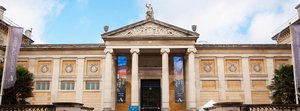
Ashmolean Museum, OksfordAshmolean Museum Oksford 2 Place des Pyramides, Paris, Cloister of the Dominican Monastery, Dubrovnik
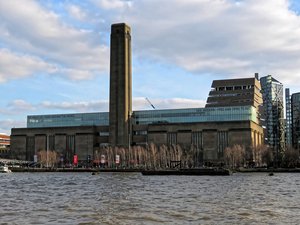
Tate Gallery, LondonTate Gallery London 1 The Tuileries Gardens and the Rue de Rivoli
Oldham Art Gallery, OldhamOldham Art Gallery Oldham 1 The Frozen Meadow, Winter
Glasgow Art Gallery and Museum, GlazgovGlasgow Art Gallery and Museum Glazgov 1 Our Pond

Alexander Jamieson, jedno autentično delo po deceniji

Radovi po decenijama

Izaberite deceniju da biste videli original koji je definiše.

Slike umetnika Alexander Jamieson: odgovori galerije

Koja je najpoznatija slika umetnika Alexander Jamieson?Otkrij odgovor

Dieppe Cliffs, France (1904). Slede Skating on the Reservoir (1929) i The Tuileries Gardens and the Rue de Rivoli (1901).

Koliko je godina imao/la Alexander Jamieson kada je dovršio/la Dieppe Cliffs, France?Otkrij odgovor

31 godina: Dieppe Cliffs, France datira iz 1904, a Alexander Jamieson je rođen/a 1873.

Koja su najbolja 10 dela umetnika Alexander Jamieson?Otkrij odgovor

Dieppe Cliffs, France, Skating on the Reservoir, The Tuileries Gardens and the Rue de Rivoli, Place des Pyramides, Paris, Le Pavillon Français, Trianon, The Seine, Paris, Flora, Versailles, Sketch at Versailles, The Gardens, Versailles i Fontainebleau, France. Gornji rang pokazuje godinu i muzej za svako od njih.

Koliko je dela stvorio/la Alexander Jamieson?Otkrij odgovor

Naš katalog sadrži 21 dela umetnika Alexander Jamieson, datiranih od 1901 do 1937.

Gde se nalaze najpoznatiji originali umetnika Alexander Jamieson?Otkrij odgovor

Većinom u Ashmolean Museum (Oksford), Tate Gallery (London) i Oldham Art Gallery (Oldham). Tabela muzeja iznad sadrži njih sve.

Kada je Alexander Jamieson stvorio svoje najpoznatije slike?Otkrij odgovor

U 1930s: 5 od 21 dela na ovoj stranici nastalo je tada, od čega je The Old Thatched Cottage.

Koja su najranija i najkasnija poznata dela umetnika Alexander Jamieson?Otkrij odgovor

Na ovoj stranici, najstarije delo je iz The Tuileries Gardens and the Rue de Rivoli (1901), a najnovije iz Our Pond (1937).

Kojim se motivima Alexander Jamieson najčešće bavio?Otkrij odgovor

France (2) i Winter (2), kroz svih 21 dela na ovoj stranici.

U kojoj je tehnici najviše radio/la Alexander Jamieson?Otkrij odgovor

Oil On Canvas, za 2 od 21 dela na ovoj stranici.

Sa kojim umetničkim pravcem je Alexander Jamieson povezan/a?Otkrij odgovor

Impressionism, sudeći po originalima na ovoj stranici.

Koje originale umetnika Alexander Jamieson poseduje Ashmolean Museum?Otkrij odgovor

Place des Pyramides, Paris i Cloister of the Dominican Monastery, Dubrovnik: Ashmolean Museum, Oksford čuva 2 dela sa ove stranice.

Alexander Jamieson: umetnik

A Legacy of Light and Atmosphere

Alexander Jamieson, born in the vibrant industrial heart of Glasgow in 1873, stands as a luminous figure within the Scottish watercolor movement of the late Victorian and early Edwardian eras. His artistic journey began amidst the rigorous academic environment of the Glasgow School of Art, where he first learned to translate the tangible world into the ethereal language of pigment and water. This formative period instilled in him a profound reverence for meticulous observation, a trait that would later allow him to capture the most fleeting of natural phenomena. Jamieson did not merely paint landscapes; he sought to capture the very breath of the atmosphere, turning the damp, shifting light of his native Scotland into enduring works of art.

The Impressionist Pulse and Eastern Echoes

While his roots were firmly planted in Scottish soil, Jamieson’s artistic vision was profoundly international. He looked toward the continent, drawing deep inspiration from the Impressionist masters such as Claude Monet and Frédéric Bazille. From them, he adopted a fascination with the ephemeral—the way sunlight dances upon a frozen stream or how a sudden mist can soften the edges of a distant hill. This European sensibility was uniquely enriched by his appreciation for Japanese Ukiyo-e prints. The influence of these Eastern works is evident in his sophisticated use of asymmetrical compositions and bold, harmonious color palettes, which allowed him to break away from rigid traditionalism and embrace a more modern, fluid approach to the canvas.

Mastering the Seasonal Shift

There is a particular magic found within Jamieson’s rendering of the winter season. He possessed a rare ability to depict the quiet, heavy stillness of snow-covered fields and the crystalline clarity of frozen waterways. Through delicate brushwork and luminous washes of color, he achieved a masterful rendering of tonal variations that made the cold seem almost palpable to the viewer. His technique in watercolor allowed for a transparency and light that mimicked the diffused glow of a winter sun, creating scenes that felt both intimately familiar and dreamlike. Whether capturing the stark beauty of a frost-bitten landscape or the soft textures of a snowdrift, his work remains a testament to his ability to find warmth and life within the coldest of settings.

Urban Serenity and Coastal Drama

Beyond the quietude of the countryside, Jamieson’s repertoire extended into the grand, bustling stages of European urban life and the dramatic edges of the coastline. His oil paintings, such as the breathtaking Dieppe Cliffs, France, showcase a different facet of his talent, utilizing layered textures and vibrant hues to capture the raw power of the maritime landscape. Conversely, his depictions of Paris, most notably The Tuileries Gardens and the Rue de Rivoli, reveal a more refined, tranquil side of his artistry. In these works, he invites the viewer to wander through meticulously rendered gardens and sun-dappled pathways, imbuing the urban sprawl with a sense of cultivated peace. Through this diverse range of subject matter—from the serene A Lane in Marsworth to the lively streets of Paris—Jamieson secured his place as a true visionary of the landscape.