The Glitch in Reality: Understanding the Surrealist Expressionist Vibe
--- title: Surrealism - Wikipedia author: Authority control databases url: https://en.wikipedia.org/wiki/Surrealism hostname: wikipedia.org sitename: Wikimedia Foundation, Inc. date: 2001-11-04 --- # Surrealism | Surrealism | | |---|---| | Additional...
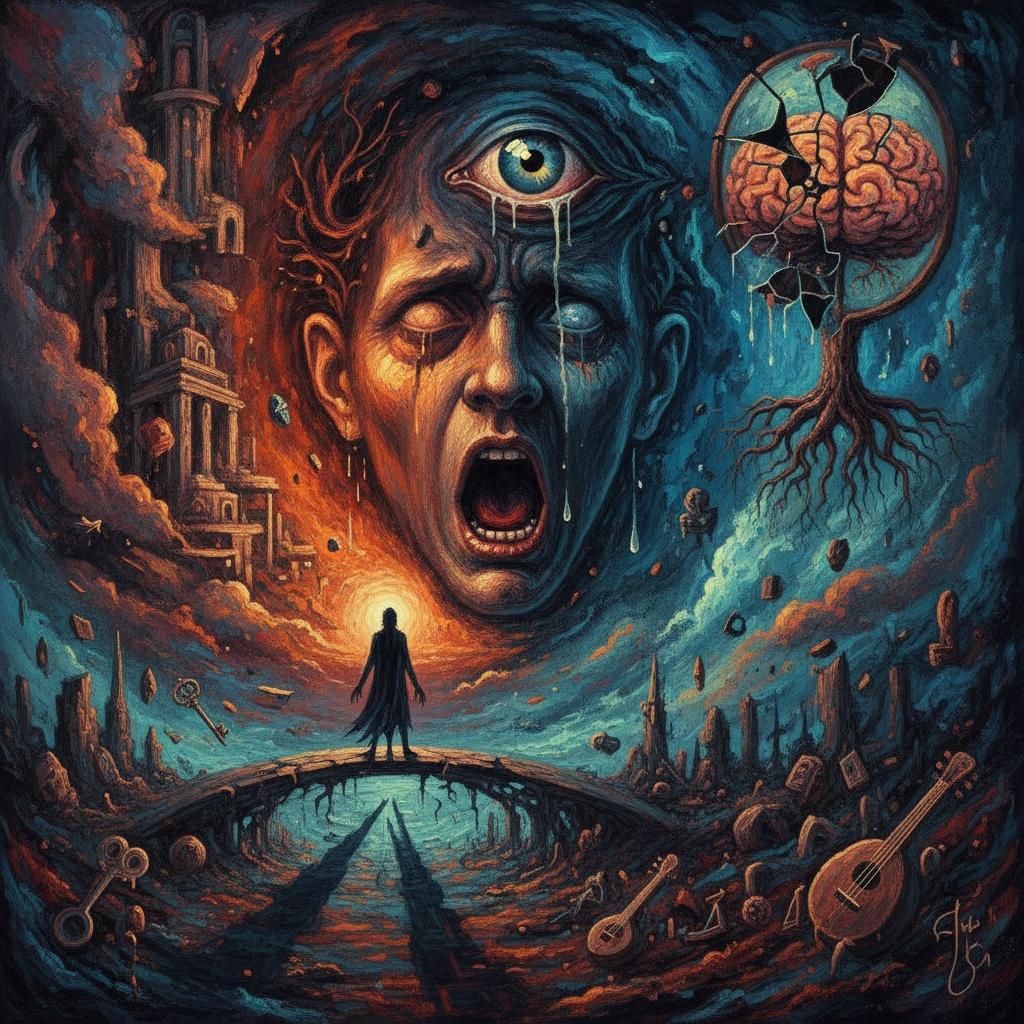
Imagine walking into a room where the walls don't just hold up the ceiling, but seem to breathe with the rhythm of a fever dream. This is the core energy of Surrealist Expressionism—a high-voltage collision between the illogical imagery of dreams and the raw, unbridered intensity of human feeling. It isn't just art you look at; it is an atmosphere you inhabit. For those who crave visual impact over traditional decor, this movement offers a way to break the monotony of the everyday. It functions like a glitch in the matrix, a deliberate disruption of the rational world that forces the viewer to confront something deeper and more visceral than mere representation.
At its heart, this aesthetic rejects the boring, predictable lines of realism. Instead, it embraces the uncanny—that strange, unsettling feeling when something familiar suddenly looks completely alien. It is the visual equivalent of a bass drop in a dark club or the sudden shift in tone during a psychological thriller. By blending the cerebral puzzles of Surrealism with the heavy, textured emotional weight of Expressionism, artists create a space where logic dissolves, leaving only the pure, striking essence of an idea. It is bold, it is unapologetic, and it is designed to command attention.
Dreamscapes & Nightmares: The Visual Language of the Subconscious
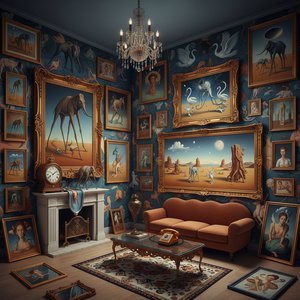 Salvador Dalí's Masterpieces: 25 Surrealist Visions for Your Home | OriginalUniqueArt
Introduction To embark on a journey through the top 25 artworks of Salvador Dalí is to enter a realm where dreams and reality intertwine, logic dissolves into absurdity, and the subconscious takes breathtaking form. These paintings are not merely ima...
To navigate a Surrealist Expressionist canvas is to wander through the corridors of the mind itself. There are no maps here, only symbols that pulse with hidden meaning. One might encounter the melting clocks of Salvador Dalí or the unsettling, distorted figures that seem to emerge from a fog of anxiety. These aren't just random shapes; they are the vocabulary of the subconscious. The movement draws heavily from Freudian theory, using dreamlike symbolism to tap into our deepest desires and most persistent fears. It is a landscape where gravity is optional and time is fluid.
The visual language relies on juxtaposition—placing two completely unrelated objects together to create a third, shocking meaning. Think of a telephone that is also a lobster, or a landscape that bleeds into a human face. This technique triggers a cognitive spark in the viewer, demanding engagement. When you gaze upon these works, you aren't just observing a scene; you are participating in a psychological event. The imagery acts as a portal, inviting you to explore the layers of your own psyche, finding beauty in the bizarre and truth in the irrational.
Beyond the Canvas: How Post-War Trauma Fuelevled Artistic Rebellion
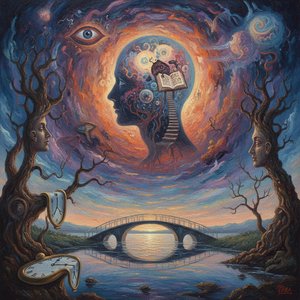 Beyond Reality: The Dreamlike Power of Surrealist Expressionism and the Subconscious Mind
The Shattered Mirror: Post-War Trauma and the Birth of Surrealist Expressionism Surrealist Expressionism's 10 Defining Masterpieces | OriginalUniqueArt Introduction Imagine a world unbound by logic, where dreams spill onto canvas and the subconscious takes vi...
While the aesthetic may feel like a wild trip through a psychedelic landscape, its origins are rooted in profound, heavy reality. Surrealist Expressionism was born from the wreckage of global conflict, specifically emerging as a response to the fractured landscapes left by World War I and later intensified by the shadows of World War II. The established norms of reason, progress, and civilization had been violently dismantled by the realities of modern warfare. For the artists of this era, traditional painting felt dishonest; how could one paint a "pretty" landscape when the world itself had become unrecognizable?
This was an era of seismic rupture. The trauma of war created a collective need to find a new way to articulate the complexities of human existence in an uncertain world. Artists turned inward, seeking refuge and truth within the private world of the mind. They embraced the irrational because the rational had failed them. This rebellion wasn't just about style; it was a survival mechanism—a way to process unprecedented trauma by creating a new reality, a surreality, where the shattered pieces of the human spirit could be reassembled into something powerful and transformative.
Mastering the Chaos: Iconic Techniques from Automatism to Raw Emotion
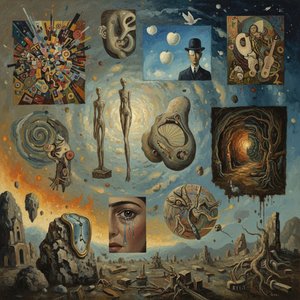 Surrealist Expressionism's 10 Defining Masterpieces | OriginalUniqueArt
Introduction Imagine a world unbound by logic, where dreams spill onto canvas and the subconscious takes vibrant form. This is the realm of Surrealist Expressionism – an artistic revolution born from the ashes of war and fueled by a desire to explore...
The technical execution of these works is just as rebellious as their subject matter. One of the most influential methods was automatism—a process of spontaneous, uninhibited creation where the artist allows the hand to move without the control of the conscious mind. This technique, championed by figures like André Breton and Max Ernst, sought to release the unbridled imagination, allowing thoughts to flow directly onto the canvas as if through a psychic conduit. It is art stripped of its filters, capturing the actual functioning of thought in its purest state.
Complementing this spontaneity is the heavy, tactile influence of Expressionism. Unlike the smooth, polished finishes of classical academic art, Surrealist Expressionist works often feature thick, visible brushstrokes and a deep, dramatic tonal range. This impasto technique adds a physical dimension to the emotion; you can see the struggle, the energy, and the movement of the artist's hand. The texture itself becomes part of the narrative, providing a sense of weight and urgency that makes the dreamlike imagery feel undeniably real and physically present.
Curating the Uncanny: Bringing Bold, Dreamlike Energy to Modern Interiors
Surrealists were fascinated by dreams, desire, magic, sexuality, and the revolutionary power of artworks to transform how we understand the world.
Integrating Surrealist Expressionism into a modern space is about more than just hanging a picture; it is about defining a vibe. For the design-conscious individual, these pieces serve as high-impact focal points that anchor a room with character and mystery. Whether it is a large-scale multi-panel set spanning a wide living room wall or a single, striking canvas in a minimalist office, the goal is to create a conversation piece that defies the ordinary. These works pair exceptionally well with contemporary, urban aesthetics—think industrial lofts, sleek digital art setups, and bold, graphic interiors.
When curating your collection, consider the visual impact of color and scale. A piece with high-contrast, saturated tones can energize a neutral space, while more muted, atmospheric works can add a layer of sophisticated mystery to a study or bedroom. The beauty of this movement lies in its ability to transform a static environment into a dynamic experience. By bringing the unexpected into your home, you are not just decorating; you are curating an atmosphere of endless curiosity and profound, emotional depth.