Cubism · 1966
Study for Kites (William Roberts, 1966)
William Roberts (1895–1980) je napravio Study for Kites. Datirano je iz 1966. Pripada pokretu Cubism. Izrađeno je u Watercolor. Čuva se u muzeju Royal Albert Memorial Museum - Art Gallery u mestu Exeter, United Kingdom.
- 1966
- Watercolor
- Royal Albert Memorial Museum - Art Gallery, Exeter

 Pregledaj u prostoru

 Ručno oslikano uljanim bojama
 Pošalji
 Podeli
 Informativni list


 Preuzmi
 Slični predmeti
 Rendgenski snimak
 Automatska prezentacija
 Pitanja i odgovori

 Statistika
Study for Kites, ukratko
- Naslov
- Study for Kites
- Umetnik
- William Roberts (1895–1980)
- Rođen/a u
- London, United Kingdom
- Datum
- 1966
- Tehnika
- Watercolor
- Gde se može videti
- Royal Albert Memorial Museum - Art Gallery, Exeter, United Kingdom
- Pokret
- Cubism
- Period
- Modern
- Tema
- people, kites, sand, group of people, outdoor scene
Šta prikazuje Study for Kites?
U kom muzeju se nalazi Study for Kites?
Royal Albert Memorial Museum - Art Gallery
Exeter, United Kingdom
A Sanctuary of Stories: Unveiling the Royal Albert Memorial Museum Nestled within the historic heart of Exeter, Devon, the Royal Albert Memorial Museum (RAMM) isn’t merely a repository for artifacts; it's an immersive journey through time and culture. Stepping through its imposing Gothic Revival doors is akin to entering a meticulously curated world where centuries collide, diverse traditions converge, and the echoes of the past resonate with vibrant contemporary life. The building itself—a magnificent testament to local New Red Sandstone – immediately captivates, its warm hues radiating an inviting atmosphere that belies the extraordinary breadth of treasures within.


Slike visoke rezolucije za Study for Kites

Protected by copyright: these files are for personal reference, not a licence to republish.
William Roberts, Study for Kites (1966), Royal Albert Memorial Museum - Art Gallery.
Odgovori na pitanja o Study for Kites
U kom muzeju se čuva originalni "Study for Kites"?
Delo „Study for Kites”, autor William Roberts je izloženo u muzeju Royal Albert Memorial Museum - Art Gallery, Exeter, United Kingdom. Navod o muzeju odnosi se na originalno delo, a ne na reprodukcije.
Kada je nastalo delo „Study for Kites”, autor William Roberts?
„Study for Kites“ potiče iz 1966. Ovaj datum smešta delo u okviru karijere umetnika William Roberts i same ere.
U kojoj je tehnici izvedeno delo „Study for Kites”, autor William Roberts?
William Roberts je koristio/la tehniku Watercolor za delo "Study for Kites". Ova tehnika definiše materijalnu prirodu originalnog dela.
Koje su teme prikazane u delu „Study for Kites”, autor William Roberts?
Motivi dela "Study for Kites" su people, kites, sand, group of people, outdoor scene.
Da li je delo „Study for Kites”, autor William Roberts u javnom vlasništvu?
„Study for Kites”, autor William Roberts pripada i dalje je zaštićeno autorskim pravima. Ovaj status određuje način na koji se slika dela može reprodukovati.
Kome se pripisuje delo "Study for Kites"?
Delo "Study for Kites" je kreirao/la William Roberts. Informacije na ovoj stranici opisuju originalno delo umetnika William Roberts.
Koji umetnički pravac obuhvata „Study for Kites”, autor William Roberts?
„Study for Kites”, autor William Roberts pripada pravcu Cubism. Ovaj pravac pruža stilski kontekst dela.
U kom periodu karijere William Roberts pripada delo "Study for Kites"?
U okviru karijere umetnika William Roberts, delo "Study for Kites" pripada periodu Late Period, što omogućava poređenje sa drugim radovima ovog autora.
Koliko je godina imao/la William Roberts u vreme nastanka dela "Study for Kites"?
William Roberts je imao/la 71 godina kada je kreirao/la "Study for Kites" u 1966. Godina je izračunata na osnovu godine rođenja umetnika, 1895.
O umetniku, William Roberts

1895–1980, United Kingdom
William Roberts
The Architect of Fragmented Reality: The Life of William Patrick Roberts In the turbulent landscape of early twentieth-century British art, few figures navigated the tension between tradition and the avant-garde as uniquely as William Patrick Roberts. Born in London in 1895, Roberts emerged during a period of profound aesthetic upheaval, where the stability of Victorian realism was being dismantled by the rapid pulse of modernity. As an artist often categorized as an English Cubist, he did not merely adopt a style; he forged a visual language that captured the fractured, energetic essence of a world in transition. His journey was one of constant movement, reflecting the very dynamism he sought to portray on canvas.
Takođe i William Roberts
 The Boxing Match1890
 The First German Gas Attack at Ypres1918
 The Cinema1920
 The Garden of Eden1926
Eseji o delu Study for Kites
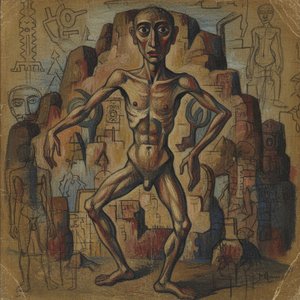 Henry Lamb: Reassessing Modern British Primitivism & the Poetics of DiscomfortExplore the compelling work of Henry Lamb, a key figure in British Primitivism. Discover his unsettling portraits, poignant war art & uniqu…
 Cubism and Futurism: A Comparison of Form and MotionMaster the differences between Cubism and Futurism through expert analysis. Explore the evolution of modern art today.
 Geometry with Purpose: Distinguishing Suprematism from ConstructivismMaster the differences between Suprematism and Constructivism with our expert guide. Discover the soul of the Russian avant-garde now.