Pregledaj u prostoru
 Podeli
 Podeli
 Detalji
 Vodič
Vodič

 Preuzmi sliku
 Slični predmeti
 Rendgenski snimak
 Automatska prezentacija
 Statistika
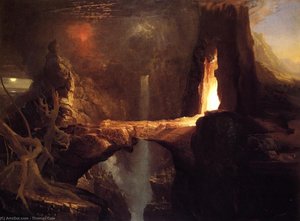
Prometheus Bound
 Oil
Oil- WallArt
- Hudson River School
 1847
1847 243.0 x 162.0 cm
 Fine Arts Museums of San Francisco
 Pročitaj više
Ručno rađena uljana reprodukcija
Ručno oslikano uljanim bojama na platnu u dimenzijama i okviru po vašem izboru, izrađeno po porudžbini od strane naših umetnika. ( Pređi na prodaju štampanih primeraka Pređi na prodaju digitalnih slika)




P118B дин10

P118H дин10

P118W дин10

P438Z дин10

P508JH дин12

P508YH дин12

P805H дин10

P805Z дин10

P919BZ дин10

P919G дин10

P919XJ дин10

P959ZH дин10

P968JZ дин12

W106C дин8

W218G дин10

W218JH дин8

W218Y дин10

W307PJ дин10

W316G дин10

W316PJ дин8

W316Y дин10

W398PJ дин8

W4111J дин10

W500HY дин15

W500JH дин15

W692G дин12

W849H дин8

W940BG дин15

W953PJ дин8




Izaberite jednu od naših unapred definisanih veličina koje odgovaraju originalnim proporcijama umetničkog dela.

Unesite širinu i visinu koja vam je potrebna, kako bi se uklopili u vaš ram ili zid. Pošto je ovo ručno oslikano delo, umetnik može naslikati malo više prostora oko slike ili malo skratiti ivice za dimenzije drugačijeg oblika — izbor je na vama. Pre početka rada, poslaćemo vam digitalni prikaz radi potvrde. Slika prikazana na ovoj stranici ne predstavlja konačan rezultat — samo digitalni prikaz pokazuje stvarnu sliku.
Nakon narudžbine, tim OriginalUniqueArt.com će klijentu putem e-pošte poslati uputstva i dostaviti prikaz predloženog rešenja
Svetska isporuka () za 3/4 nedelje umesto uobičajenih 5 nedelja. (21 октобар). Bez kompromisa po pitanju kvaliteta.

Besplatna ekspresna dostava širom sveta

Visokokvalitetno laneno platno

Sveobuhvatno osiguranje transporta

Garancija povraćaja carine i uvoznih dažbina

Garancija vernosti boja i autentičnosti pri reprodukciji

Politika povraćaja u roku od 100 dana (samo u slučaju nedostataka)

Garancija povrata 100% novca

Popust pri većoj količini
 Opcija sa staklom dostupna je samo za dimenzije manje od 110 cm

Prometheus Bound
Tehnika izrade reprodukcije
Veličina reprodukcije
-


Ukupna cena
дин 30749
The Weight of Myth: Thomas Cole’s “Prometheus Bound”
Thomas Cole's "Prometheus Bound," painted in 1847, isn’t merely a landscape; it’s a profound meditation on defiance, punishment, and the enduring human spirit. This monumental canvas, now residing within the Fine Arts Museums of San Francisco, transcends its subject matter to become a powerful allegory for the struggles inherent in challenging authority and forging one's own destiny. Cole, a pivotal figure in the Hudson River School movement, masterfully blends Romanticism with an underlying moral urgency, creating an image that continues to resonate deeply with viewers today.
The scene depicts Prometheus, chained to a towering rock formation amidst a desolate, snow-laden mountainscape. The composition is strikingly dramatic – a vast expanse of jagged peaks dominates the background, dwarfing the solitary figure of the Titan and emphasizing his isolation and vulnerability. A vulture circles overhead, a constant reminder of Zeus’s relentless retribution, while a subtle hint of Jupiter, the Roman equivalent of Zeus, watches from above, embodying the cold indifference of divine power. Cole's use of light is particularly masterful; a diffused, almost ethereal glow illuminates the scene, casting long shadows and creating an atmosphere of both grandeur and despair. The color palette—primarily cool blues, grays, and whites—reinforces this sense of bleakness, punctuated by the fiery red underpaint used to render the snow-covered mountains – a deliberate choice that subtly hints at Prometheus’s stolen fire.
A Myth Made Manifest: Exploring the Narrative
The painting draws directly from Aeschylus's Greek tragedy, “Prometheus Bound,” a story of rebellion against the gods. Prometheus, in this narrative, is not simply a titan but a symbol of humanity’s relentless pursuit of knowledge and progress. He steals fire from Mount Olympus, gifting it to mankind – an act of defiance that ultimately earns him eternal torment at the hands of Zeus. Cole doesn't shy away from the brutality of the punishment; the stark depiction of Prometheus’s chains and the looming threat of the vulture vividly convey the weight of his transgression. However, within this scene of suffering, there is also a palpable sense of resilience. Prometheus’s gaze, fixed upon the viewer, exudes an almost defiant serenity—a refusal to succumb to despair.
The inclusion of the chorus, comprised of figures emerging from the depths of the mountains, adds another layer of complexity to the narrative. They represent the forces of nature, witnesses to Prometheus's plight, and perhaps even a subtle acknowledgment of his heroic struggle. Their hesitant approach, marked by curiosity and apprehension, suggests that even those seemingly untouched by divine wrath recognize the significance of Prometheus’s actions.
The Hudson River School: A New American Vision
“Prometheus Bound” is a quintessential example of the Hudson River School's artistic philosophy. Unlike earlier European landscape paintings that often focused on idyllic pastoral scenes, Cole sought to capture the raw power and sublime beauty of the American wilderness. He employed a technique known as “atmospheric perspective,” subtly blurring distant elements to create a sense of depth and vastness. This approach wasn’t simply about replicating reality; it was about conveying an emotional response—a feeling of awe and reverence for nature's grandeur.
Cole’s work also reflects the burgeoning American identity of the mid-19th century, grappling with themes of independence, self-reliance, and the relationship between humanity and the natural world. The painting can be interpreted as a metaphor for America’s own struggle to assert its sovereignty against established powers – a sentiment particularly relevant in the context of westward expansion and the nation's growing tensions with European empires.
A Timeless Masterpiece: Reproduction & Beyond
Reproductions of “Prometheus Bound” offer an exceptional opportunity to bring this powerful image into any setting. The meticulous detail, evocative atmosphere, and profound symbolism ensure that a high-quality reproduction will serve as both a beautiful work of art and a compelling conversation piece. Consider framing the artwork in a manner that complements its dramatic scale and reinforces its thematic resonance – perhaps within a contemporary interior space to juxtapose the ancient myth with modern life.
For those seeking an authentic experience, exploring the original painting at the Fine Arts Museums of San Francisco is highly recommended. It’s a truly immersive encounter with one of America's most significant artistic achievements—a testament to Thomas Cole’s genius and a timeless exploration of human courage in the face of overwhelming adversity.
Pitanja i odgovori
Kakvu bi atmosferu "Prometheus Bound" unela u prostor?
Romantic atmosfera dela „Prometheus Bound”, Томас Коле savršeno odgovara preporučenom prostoru: Living Room.
Kakva su prava na reprodukciju dela "Prometheus Bound" u muzeju Fine Arts Museums of San Francisco?
Originalno delo "Prometheus Bound" nalazi se u muzeju Fine Arts Museums of San Francisco, a rad je u javnom vlasništvu – autorska prava su istekla.
Koja veličina reprodukcije se preporučuje za „Prometheus Bound”, Томас Коле?
Preporučena veličina štampe za „Prometheus Bound”, Томас Коле je Large.
Biografija umetnika
A Pioneer of American Landscape Painting
Thomas Cole, a name synonymous with the birth of distinctly American art, stands as a pivotal figure in 19th-century painting. Born in Bolton le Moors, Lancashire, England, in 1801, his early life offered little indication of the profound impact he would have on the artistic landscape. Emigrating to the United States with his family in 1818 and settling in Ohio, Cole’s journey was one of self-discovery and artistic awakening. Initially working as an itinerant portrait painter—a common trade at the time—he soon found himself captivated by the untamed beauty of the American wilderness. This shift wasn't merely a change in subject matter; it represented a fundamental divergence from European artistic traditions, which often prioritized historical or mythological narratives. Cole’s landscapes weren’t simply depictions of scenery; they were imbued with a spiritual and allegorical depth that resonated deeply with a nation forging its own identity. His move to Catskill, New York, in 1825 proved transformative, providing him with both inspiration and a permanent base from which to explore the surrounding Hudson River Valley—a region destined to become inextricably linked with his artistic legacy.The Hudson River School and Romantic Ideals
Cole is rightfully regarded as the founder of the Hudson River School, an art movement characterized by its romantic portrayal of the American landscape. However, labeling him solely a “landscape painter” feels inadequate. His work transcended mere representation; it was profoundly philosophical, frequently delving into themes of humanity’s relationship with nature, the passage of time, and the rise and fall of civilizations. Influenced by European Romanticism—particularly the canvases of Claude Lorrain and J.M.W. Turner—Cole adapted these sensibilities to an American context. Where European Romantics often depicted dramatic, sublime landscapes as reflections of inner turmoil, Cole’s paintings frequently conveyed a sense of optimism and divine presence within the natural world. He perceived in the vastness of the American wilderness a symbol of national potential and spiritual renewal. The Oxbow (1836), arguably his most iconic work, exemplifies this perfectly—a sweeping vista that juxtaposes the wild, untamed river valley with cultivated farmlands, representing both promise and challenge during westward expansion. This masterful composition demonstrates Cole’s meticulous attention to detail and his ability to capture the essence of a particular moment in time.Allegory and The Course of Empire
Beyond realistic landscape painting, Cole possessed an ambitious artistic vision extending into allegory—a technique designed to convey complex moral and philosophical ideas through symbolic imagery. This is powerfully articulated in his monumental series The Course of Empire, initiated between 1833 and 1836. Comprising five canvases—"Savage State," "Pastoral State," "Arcadian State," "Consummation," and “Destruction”—the series chronicles the cyclical history of civilization from its primal origins to inevitable decline. The paintings aren’t merely historical narratives; they serve as cautionary tales about unchecked ambition and the fragility of human achievement. Cole's masterful use of color, light, and composition—particularly in "Consummation"—creates a breathtaking spectacle that embodies grandeur and divine judgment. This series cemented Cole’s reputation as a visionary artist capable of addressing profound societal concerns through his art.Major Achievements and Artistic Development
Cole’s artistic development progressed steadily throughout his life, marked by experimentation with various techniques and styles. Initially focused on portraiture—a skill honed during his itinerant years—he gradually transitioned to landscape painting, establishing Catskill as his creative home and cultivating a distinctive visual language rooted in Romantic ideals. His early works demonstrate an acute sensitivity to tonal variation and atmospheric perspective—elements he skillfully employed to convey the grandeur and sublimity of nature. As Cole matured, he embraced bolder brushstrokes and more expressive color palettes, reflecting his deepening engagement with philosophical concepts. He meticulously studied geological formations and botanical specimens, incorporating scientific observation into his artistic practice—a testament to his intellectual curiosity and commitment to accuracy.Legacy and Enduring Influence
Thomas Cole’s untimely death in 1848 at the age of 47 curtailed his prolific creative output but solidified his place as a cornerstone of American art history. He directly mentored Frederic Edwin Church, who would become one of the foremost figures of the second generation of Hudson River School painters—carrying forward Cole's legacy of Romantic idealism and artistic innovation. Cole’s unwavering belief in observation from nature combined with profound philosophical reflection continues to inspire artists, scholars, and naturalists alike, ensuring that his contribution to American culture will endure for generations to come. His paintings remain treasured masterpieces, prompting viewers to contemplate their own connection to the natural world and grappling with enduring questions about humanity's role within it. Cole’s influence extends beyond painting; he championed a broader aesthetic sensibility—one prioritizing beauty, truth, and spiritual contemplation—a vision that resonates powerfully even today.- Cole’s works are prominently displayed in museums across the United States, including the New-York Historical Society, the National Gallery of Art in Washington D.C., and the Smithsonian American Art Museum
- His paintings continue to captivate audiences with their evocative depictions of American wilderness and their profound exploration of philosophical themes
- The Thomas Cole National Historic Site in Catskill, NY, preserves his home and studio—providing visitors a unique opportunity to experience the life and artistic process of this influential artist

Томас Коле
1801 - 1848 , Ujedinjeno Kraljevstvo
Brzi pregled
- Artistic Movement Or Style: Hudisonjska škola
- Artists Or Movements Influenced By This Artist: ['Frederic Edwin Church']
- Date Of Birth: Feb 1, 1801
- Date Of Death: Feb 11, 1848
- Full Name: Thomas Cole
- Nationality: Američki
- Notable Artworks:
- Putovanje života
- Oksbow
- Kraj Velike države
- Place Of Birth: Bolton, UK
Srodni članci

Evocations of Place: A Historical Journey Through Landscape Art
Explore the rich history of landscape art with OriginalUniqueArt. Discover renowned artists, movements like Impressionism & Romanticism, and expert guidance for collecting timeless pieces. Find your perfect serene escape today!

Glavna dela koja su definisala Romantični pejzaž: 10 remek-dela za vaš dom
Otkrijte 10 remek-dela romantičnog pejzažnog slikarstva! Uronite u svet Claude Lorraina, Caspara David Friedricha i Turnera. Ispričane priče umetnosti, inspiracija za dekoraciju doma. Kvalitetne reprodukcije na OriginalUniqueArt.com – istražite celu kolekciju online!

The Sublime and the Picturesque: Exploring Emotion & Nature in Romantic Landscape Painting
Explore the emotional power of Romantic landscape painting! Discover the sublime & picturesque traditions, key artists like Friedrich & Cole, and find your perfect artwork at OriginalUniqueArt.

25 Remek-dela Džona Konstebla: Lepota Engleske na Platnu | OriginalUniqueArt
Uronite u svet Džona Konstebla! Otkrijte 25 remek-dela engleskog pejzaža, romantizma i seoske idile. Kupite reprodukcije slika vrhunskog kvaliteta za dekoraciju enterijera na OriginalUniqueArt.com.
Thomas Barker of Bath: Landscape Painting & Societal Reflection in Early 19th-Century England
Explore the life & work of Thomas Barker of Bath, a key figure in 19th-century English Romanticism. Discover his Parisian success, iconic paintings like 'The Bride of Death', and lasting artistic legacy. Learn more at OriginalUniqueArt.