Romantic Landscape · 1944
Dust in Normandy (Stiven Bon, 1944)
Stiven Bon (1904–1958) je napravio Dust in Normandy. Datirano je iz 1944. Pripada pokretu Romantic Landscape. Izrađeno je u Ulje na platnu. Čuva se u muzeju Government Art Collection u mestu London, Ujedinjeno Kraljevstvo. Dimenzije su 27 × 34 cm.
- 1944
- Ulje na platnu
- 27 × 34 cm
- Government Art Collection, London

 Pregledaj u prostoru

 Ručno oslikano uljanim bojama
 Pošalji
 Podeli
 Informativni list


 Preuzmi
 Slični predmeti
 Rendgenski snimak
 Automatska prezentacija
 Pitanja i odgovori

 Statistika
Dust in Normandy, ukratko
- Naslov
- Dust in Normandy
- Umetnik
- Stiven Bon (1904–1958)
- Rođen/a u
- Čizvik, Уједињено Краљевство
- Datum
- 1944
- Tehnika
- Ulje na platnu
- Dimenzije
- 27 × 34 cm
- Gde se može videti
- Government Art Collection, London, Ujedinjeno Kraljevstvo
- Pokret
- Romantic Landscape
- Tema
- normandy landscape, horse painting, wwii art, british painter, rural scene, dusty field
Šta prikazuje Dust in Normandy?
Dust in Normandy – A Reflection of Resilience
Stephen Bone’s “Dust in Normandy” isn't merely a depiction of a battlefield; it’s an embodiment of the spirit of Britain during World War II—a testament to perseverance amidst devastation. Painted in 1944, this oil on canvas captures a poignant moment frozen in time: a field choked with dust, populated by horses and figures engaged in quiet contemplation. The artist's masterful use of color – predominantly earthy tones punctuated by flashes of brighter hues – immediately establishes an atmosphere of subdued drama, mirroring the anxieties and uncertainties gripping the nation as Allied forces pushed eastward toward Berlin.- Subject Matter: Bone’s focus isn’t on heroic action but rather on the everyday experience of ordinary people grappling with extraordinary circumstances. The horses symbolize strength and endurance—a visual metaphor for Britain's unwavering resolve during the war years.
- Style & Technique: Bone adhered to the tenets of British Neo-Romanticism, prioritizing emotional resonance over strict realism. His brushstrokes are loose and expressive, conveying a sense of immediacy and capturing the textures of the landscape with remarkable sensitivity. The artist skillfully employs impasto—thickly applied paint—to build up surface relief, enhancing the visual impact and imbuing the scene with palpable energy.
- Historical Context: Created during the height of the war effort, “Dust in Normandy” reflects the pervasive mood of anxiety and hope that characterized Britain at the time. It serves as a powerful reminder of the sacrifices made by ordinary citizens—farmers, laborers, and families alike—to defend their country’s freedom.
- Symbolism: The dust itself carries symbolic weight, representing both hardship and renewal. Despite the bleakness of the setting, Bone imbues the painting with an underlying sense of optimism—a belief in the eventual triumph of good over evil.
Detailed Examination of Composition & Color Palette
Bone’s compositional choices contribute significantly to the artwork's emotional impact. The placement of the horses—grouped strategically throughout the canvas—creates a dynamic visual rhythm, drawing the viewer’s eye across the scene and emphasizing the importance of nature amidst conflict. Furthermore, Bone’s color palette is deliberately restrained, favoring muted browns, ochres, and greys to convey the desolate conditions of Normandy. However, subtle accents of crimson and yellow—perhaps representing poppies blooming amidst the rubble—inject a glimmer of vibrancy into the composition, symbolizing resilience and remembrance.The Government Art Collection & Its Significance
“Dust in Normandy” holds a prominent place within the Government Art Collection, reflecting its importance as one of Bone’s key wartime commissions. Presented via the Imperial War Museum in April 1946, this artwork exemplifies the collective effort to document and commemorate the experiences of British citizens during World War II—a mission undertaken by the War Artists' Advisory Committee. Its inclusion underscores the enduring legacy of Bone’s artistic contribution to capturing the spirit of a nation facing immense challenges.Exploring Stephen Bone’s Artistic Legacy
Stephen Bone’s oeuvre extends beyond “Dust in Normandy,” encompassing landscapes imbued with Romantic fervor and portraits that reveal profound psychological insight. His distinctive style—characterized by bold color palettes, expressive brushstrokes, and an unwavering commitment to conveying emotion—continues to inspire artists today. To delve deeper into Bone's artistic journey, consider exploring his biography and examining reproductions of other notable works – a captivating exploration of British art history.U kom muzeju se nalazi Dust in Normandy?
Government Art Collection
London, Ujedinjeno Kraljevstvo
Globalna galerija bez zidova Državna umetnička kolekcija (GAC) predstavlja jedan od najambicioznijih i najpoetičnijih eksperimenata u kulturnoj diplomatiji ikada osmišljenih. Za razliku od statičnih, tih hodnika tradicionalnih muzeja, GAC funkcioniše po principu prelepe rasprostranjenosti, delujući kao živo, dišuće biće koje prevazilazi fizičke granice. Osnovana 1899.


Slike visoke rezolucije za Dust in Normandy

Protected by copyright: these files are for personal reference, not a licence to republish.
Stiven Bon, Dust in Normandy (1944), Government Art Collection.
Odgovori na pitanja o Dust in Normandy
Gde mogu videti originalno delo „Dust in Normandy”, autor Stiven Bon?
Originalno delo "Dust in Normandy" možete videti u muzeju Government Art Collection, London, Ujedinjeno Kraljevstvo.
U kojoj godini je nastalo "Dust in Normandy"?
Delo „Dust in Normandy”, autor Stiven Bon nastalo je 1944.
Kojom tehnikom je urađeno „Dust in Normandy”, autor Stiven Bon?
Tehnika dela „Dust in Normandy”, autor Stiven Bon je Ulje na platnu. Reprodukcije imaju za cilj da dočaraju izgled ove tehnike.
Koje su stvarne dimenzije dela „Dust in Normandy”, autor Stiven Bon?
Dimenzije dela „Dust in Normandy”, autor Stiven Bon su 27 x 34 cm. Reprodukcije se mogu naručiti u drugim dimenzijama uz zadržavanje istih proporcija.
Šta prikazuje „Dust in Normandy”, autor Stiven Bon?
„Dust in Normandy”, autor Stiven Bon prikazuje: normandy landscape, horse painting, wwii art, british painter, rural scene, dusty field, stephen bone.
Da li je "Dust in Normandy" slobodan od autorskih prava?
Što se tiče autorskih prava, delo "Dust in Normandy" je i dalje je zaštićeno autorskim pravima.
Ko je autor dela "Dust in Normandy"?
Delo "Dust in Normandy" pripisuje se umetniku Stiven Bon.
Koji umetnički pravac pripada delu "Dust in Normandy"?
„Dust in Normandy“ je delo Romantic Landscape pokreta. Ovaj pokret označava umetničku tradiciju kojoj je delo pripada.
U kojoj periodi karijere umetnika Stiven Bon pripada delo "Dust in Normandy"?
U okviru karijere umetnika Stiven Bon, delo "Dust in Normandy" pripada periodu Mature Period, što omogućava poređenje sa drugim radovima ovog autora.
O umetniku, Stiven Bon

1904–1958, Уједињено Краљевство
Stiven Bon
Stiven Bon: Život i umetnost Rani život i obrazovanje Rođen: Čizvik, Ujedinjeno Kraljevstvo (1904) Preminuo: 1958. Stiven Bon je bio sin čuvenog umetnika ser Muirhed Bone i spisateljice Gertrud Helene Dod. Ovakva porodična umetnička pozadina duboko je uticala na njegov rani razvoj. Obrazovanje je stekao u školi Bedales pre nego što se 1922.
Takođe i Stiven Bon
 Bow Gun, HMS 'Southern Star'1943
 Stormy Evening1926
 Arisaig1940
 Royal Air Force Air Sea Rescue Launches, Stornoway The Fish Quay Beyond1943
Eseji o delu Dust in Normandy
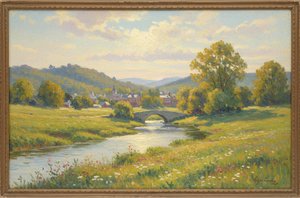 Henry Marvell Carr: A Study in American Impressionism's Evolving Landscape of Light and FormExplore the captivating work of Henry Marvell Carr, a pivotal figure in American Impressionism. Discover his evocative realism, war art, an…
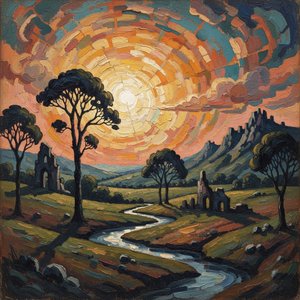 Stephen Bone: A Reassessment of Colour, Form & the British Neo-Romantic Landscape TraditionExplore the vibrant world of Stephen Bone (1904-1958), a key figure in British Neo-Romanticism. Discover his captivating landscapes, impact…
 Art for the Bold: The Connoisseur's Definitive Guide to Commissioning a One-of-a-Kind MasterpieceDiscover the art of bespoke mastery. Learn how to commission one-of-a-kind oil paintings, from transforming digital memories into timeless …