Pop Art/Conceptual art · 1962
Objectivity (Sol Lewitt, 1962)
Sol Lewitt (1928–2007) je napravio Objectivity. Datirano je iz 1962. Pripada pokretu Pop Art/Conceptual art. Izrađeno je u Mixed Media. Dimenzije su 128 × 128 cm.
- 1962
- Mixed Media
- 128 × 128 cm

 Pregledaj u prostoru

 Ručno oslikano uljanim bojama
 Pošalji
 Podeli
 Informativni list


 Preuzmi
 Slični predmeti
 Rendgenski snimak
 Automatska prezentacija
 Pitanja i odgovori

 Statistika
Objectivity, ukratko
- Naslov
- Objectivity
- Umetnik
- Sol Lewitt (1928–2007)
- Rođen/a u
- Хартфорд, Сједињене Америчке Државе
- Datum
- 1962
- Tehnika
- Mixed Media
- Dimenzije
- 128 × 128 cm
- Pokret
- Pop Art/Conceptual art
- Period
- Modern
- Tema
- grid, text, minimalism, conceptual, repetition, objectivity
Šta prikazuje Objectivity?
Objectivity by Sol LeWitt: A Grid of Conceptual Precision
Sol LeWitt's "Objectivity," created in 1962, is a seminal work within the realms of Minimalism and Conceptual Art. This striking piece challenges traditional notions of artistic representation, prioritizing idea and system over subjective expression or illusionistic depiction. Measuring an impressive 128 x 128 cm, it commands attention with its rigorous structure and deliberate repetition.
Composition and Technique: A Three-Dimensional Grid
"Objectivity" presents as a square canvas meticulously divided into a three-dimensional grid of twenty-five squares. Each row contains five squares across and five down. The word "OBJECTIVITY," rendered in bold blue capital letters, is repeated five times across the rows. However, it's not simply a straightforward repetition. Each square displays two letters – “OB,” “JE,” “CT,” and “IV” – with the rightmost squares completing the word “ITY.” A key element of the work lies in its layering: the top row projects outward from the canvas surface, while subsequent rows recede further back, creating a subtle illusion of depth. The background color shifts progressively from orange in the upper row to increasingly darker shades of red as one descends, contributing to a sense of diminishing visibility and an overall darkening effect.
Style and Historical Context: Minimalism and Conceptualism
“Objectivity” emerged during a pivotal period in art history. The late 1950s and early 1960s witnessed the rise of Minimal Art, which rejected Abstract Expressionism’s emphasis on gesture and emotion, favoring instead geometric forms, industrial materials, and a reduction to essential elements. Simultaneously, Conceptual Art began to gain momentum, prioritizing the idea behind the artwork over its physical manifestation. LeWitt's work brilliantly embodies both movements. "Objectivity" exemplifies Minimalism through its grid structure, precise geometry, and serial repetition. It aligns with Conceptualism by foregrounding the underlying concept – in this case, a meditation on objectivity itself – and minimizing the artist’s hand in the final product. The systematic nature of the piece reflects LeWitt's interest in mathematical principles and logical systems.
Symbolism and Emotional Impact: Questioning Perception
The title "Objectivity" is inherently provocative, given the work's visual complexity and layered construction. By repeatedly presenting the word within a receding grid, LeWitt seems to question the very notion of objective truth or perception. The darkening effect as one descends suggests that objectivity becomes increasingly elusive, obscured by layers of interpretation and perspective. The rigid structure can evoke feelings of detachment, artificiality, and even a subtle unease. While seemingly impersonal, "Objectivity" invites viewers to contemplate the complexities of seeing and understanding, prompting reflection on how our perceptions are shaped by context and distance.
Materials and Legacy
LeWitt utilized mixed media in “Objectivity,” primarily employing cardboard or similar rigid material painted with acrylics. The choice of materials reinforces the work's industrial aesthetic and its rejection of traditional artistic techniques. "Objectivity" remains a significant piece within LeWitt’s oeuvre, demonstrating his pioneering approach to artmaking and solidifying his place as a key figure in 20th-century art. Its influence can be seen in subsequent generations of artists exploring conceptual frameworks and systematic processes.
Slike visoke rezolucije za Objectivity
Protected by copyright: these files are for personal reference, not a licence to republish.
Sol Lewitt, Objectivity (1962).
Odgovori na pitanja o Objectivity
U kojoj godini je nastalo delo „Objectivity”, autor Sol Lewitt?
„Objectivity“ potiče iz 1962. Ovaj datum smešta delo u okviru karijere umetnika Sol Lewitt i same ere.
Kojom tehnikom je urađeno „Objectivity”, autor Sol Lewitt?
"Objectivity" je urađeno u tehnici Mixed Media.
Koje su dimenzije originalnog dela „Objectivity”, autor Sol Lewitt?
„Objectivity“ u svom izvornom obliku ima dimenzije 128 x 128 cm. Originalne dimenzije su koristan pokazatelj pri odabiru veličine reprodukcije.
Šta prikazuje „Objectivity”, autor Sol Lewitt?
„Objectivity”, autor Sol Lewitt prikazuje: grid, text, minimalism, conceptual, repetition, objectivity, geometric.
Da li se prikaz „Objectivity”, autor Sol Lewitt može slobodno reprodukovati?
„Objectivity”, autor Sol Lewitt pripada i dalje je zaštićeno autorskim pravima. Ovaj status određuje način na koji se slika dela može reprodukovati.
Kome se pripisuje delo "Objectivity"?
Autor dela "Objectivity" je Sol Lewitt. Delo je katalogizovano pod imenom Sol Lewitt.
Koji umetnički pravac obuhvata „Objectivity”, autor Sol Lewitt?
Umetnički pravac koji se povezuje sa delom „Objectivity”, autor Sol Lewitt je Pop Art/Conceptual art. Ova klasifikacija smešta rad među srodne umetnike i umetnička dela.
U kojoj periodi karijere umetnika Sol Lewitt pripada delo "Objectivity"?
„Objectivity“ pripada Mature Period u karijeri umetnika Sol Lewitt. Ova klasifikacija povezuje delo sa razvojem samog umetnika.
Koliko je godina imao/la Sol Lewitt u vreme nastanka dela "Objectivity"?
Sol Lewitt je kreirao/la "Objectivity" u uzrastu od 34 godina. Umetnik je rođen/a 1928, a delo je datirano na 1962. godinu.
O umetniku, Sol Lewitt

1928–2007, Сједињене Америчке Државе
Sol Lewitt
Arhitekta ideja: Život i nasleđe Sol LeWitta U prostratom pejzažu modernizma dvadesetog veka, malo je figura ostavilo tako dugu ili intelektualno duboku senku kao Solomon LeWitt. Rođen 9. septembra 1928. godine u Hartfordu, u Konektikatu, u porodici jevrejskih imigranata iz Rusije, LeWittovo putovanje bilo je definisano težnjom ka čistoj misli prenadvišavajući samu fizičku izvedbu.
Takođe i Sol Lewitt
 Serial Project #1 ABCD1966
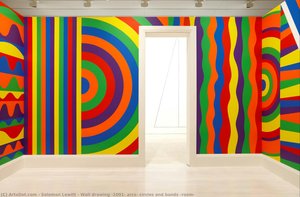 Wall drawing #1091: arcs, circles and bands (room)2003
 Distorted Cubes Bozuk Küpler
 Wall Drawing #3911983
Eseji o delu Objectivity
 Geometry with Purpose: Distinguishing Suprematism from ConstructivismMaster the differences between Suprematism and Constructivism with our expert guide. Discover the soul of the Russian avant-garde now.
 Beyond the Object: Top 10 Masterpieces of Conceptual ArtExplore 10 iconic works of Conceptual Art by Duchamp and Ono. Discover the power of ideas on OriginalUniqueArt.com.
 Expressionism vs. New Objectivity: Emotion vs. Precision in German ArtMaster the tension between Expressionist emotion and New Objectivity precision. Explore the soul of German modern art now.