
 Pregledaj u prostoru
 Pošalji
 Podeli
 Detalji o delu

 Преузми
 Slični predmeti
 Rendgenski snimak
 Slajdovi
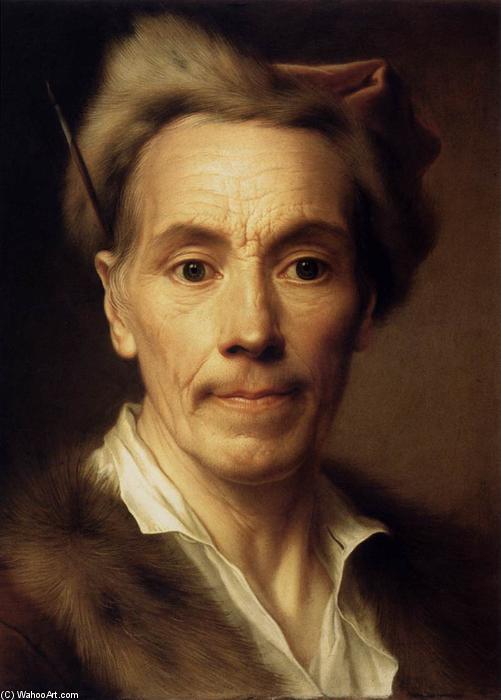
Портрет стареца
 Akril na platnu
- Zidna umetnost
- Baroque Realism
 41.0 x 30.0 cm
 Szépművészeti Múzeum
 Pročitaj više
Ručno rađena uljana reprodukcija
Ručno oslikano uljanim bojama na platnu u dimenzijama i okviru po vašem izboru, izrađeno po porudžbini od strane naših umetnika. ( Pređi na štampu Prebacite na sliku)




P118B $10

P118H $10

P118W $10

P438Z $10

P508JH $12

P508YH $12

P805H $10

P805Z $10

P919BZ $10

P919G $10

P919XJ $10

P959ZH $10

P968JZ $12

W106C $8

W218G $10

W218JH $8

W218Y $10

W307PJ $10

W316G $10

W316PJ $8

W316Y $10

W398PJ $8

W4111J $10

W500HY $15

W500JH $15

W692G $12

W849H $8

W940BG $15

W953PJ $8




Izaberite jednu od naših unapred definisanih veličina koje odgovaraju originalnim proporcijama umetničkog dela.

Можете унети сопствене димензије како бисте прилагодили дело одређеном оквиру или простору. Ако одабрана величина не одговара пропорцијама оригинала, слика ће бити исечена или проширена додатним елементима који се ручно насликавају. Дигитални prikaz ће вам бити послат на одобрење пре почетка производње.
Имајте на уму да преглед на екрану не одражава стварно исецање или проширење. Само приказ (mockup) ће тачно приказати коначну композицију.
Иако су доступне прилагођене величине, препоручујемо да одаберете димензију из дефинисане листе како бисте сачували оригиналне пропорције.
Nakon narudžbine, tim OriginalUniqueArt.com će klijentu putem e-pošte poslati uputstva i dostaviti prikaz predloženog rešenja
Isporuka širom sveta () za 3/4 nedelje umesto uobičajenih 5 nedelja. (7 август). Bez kompromisa po pitanju kvaliteta.

Besplatna ekspresna dostava širom sveta

Visokokvalitetno laneno platno

Kompletno osiguranje transporta

Garancija povraćaja carine i uvoznih dažbina

Garancija vernosti boja

Politika povrata u roku od 60 dana (samo u slučaju nedostataka)

Garancija povrata novca od 100%

Popust pri grupnoj kupovini
 Opcija sa staklom dostupna je samo za dimenzije manje od 110 cm

Портрет стареца
Tehnika reprodukcije
Dimenzije reprodukcije
-


Konačna cena
$ 300
Opis umetničkog dela
Christian Seybold: A Pioneer of Psychological Portraiture
Christian Seybold (19 March 1695, Neuenhain bei Berlin – 29 September 1768, Vienna) stands as a singular figure in Baroque art—a painter who defied the prevailing trend toward idealized beauty and instead championed an unprecedented level of realism, particularly evident in his prolific self-portraits. He represents a fascinating intersection between artistic innovation and humanist introspection, marking him as one of the most distinctive voices of his era. Unlike many artists preoccupied with glorifying monarchs or celebrating mythological narratives, Seybold focused intently on capturing the inner life of the individual—a daring choice that foreshadowed developments in portraiture centuries later.- Early Life & Education: Little is known about Seybold’s formative years beyond his familial origins. He appears to have been largely self-taught, a remarkable feat considering the artistic conventions of his time. This independence fostered a unique approach to observation and representation, prioritizing accuracy over conventional embellishment.
- Vienna Years (1715-1728): Seybold established himself in Vienna shortly after marrying and fathering a child—a union that provided him with stability amidst the turbulent political landscape of Central Europe. During this period, he honed his skills under the tutelage of Balthasar Denner, absorbing influences from the burgeoning Rococo style while simultaneously developing his distinctive artistic vision.
- The Style of Pore Painting: Seybold’s technique—often termed “pore painting”—was revolutionary for its time. He meticulously rendered skin texture with astonishing detail, capturing subtle nuances of light and shadow to create an illusion of palpable reality. This dedication to realism wasn't merely stylistic; it reflected a profound engagement with human psychology, attempting to convey not just physical appearance but also the character and emotions of his subjects.
- Influence & Legacy: Seybold’s work profoundly impacted subsequent generations of artists. His uncompromising commitment to naturalism challenged established artistic dogma and paved the way for Impressionist painters like Édouard Manet who sought to depict the world as perceived by the senses. Though Denner initially dismissed Seybold's style as “vulgar,” acknowledging his skill would come later, cementing Seybold’s place as a pivotal figure in art history.
A Masterpiece Revisited: ‘Self-Portrait as an Old Man’
The painting "Self-Portrait as An Old Man," created around 1730s, exemplifies Seybold's unparalleled mastery of psychological portraiture. It is housed in the Museum of Fine Arts, Budapest, and offers a captivating glimpse into the artist’s self-awareness at the height of his creative powers. The artwork’s composition—dark background emphasizing the sitter’s face—immediately draws attention to the subject’s gaze, conveying a quiet contemplation that speaks volumes about inner experience.- Detailed Observation: Seybold's meticulous rendering of wrinkles and skin texture is breathtaking. He captures every subtle crease and shadow, demonstrating an astonishing understanding of human anatomy and physiology. This level of detail transcends mere representation; it aims to convey the passage of time and the indelible marks left upon the human body—a poignant meditation on mortality.
- Symbolism & Emotion: The fur-like texture around Seybold’s neck serves as a powerful visual metaphor for aging, referencing traditional symbolism associated with winter and decline. Yet, despite this melancholic undertone, the artist maintains an expression of serene dignity, suggesting that inner peace can endure even amidst physical deterioration.
- Historical Context: Seybold's work emerged during a period of artistic experimentation—a reaction against the idealized conventions of Mannerism and Renaissance portraiture. His insistence on realism positioned him at the forefront of Baroque innovation, anticipating developments in later art movements that prioritized subjective experience over formal perfection.
Beyond Budapest: Seybold’s Artistic Circle & Recognition
The painting's journey through history—from its initial appearance in Windsor Castle to its subsequent acquisition by Gustav Waagen—highlights the enduring fascination with Seybold’s oeuvre. Critics like Joshua Reynolds initially scorned his style, labeling it “vulgar,” yet scholarly reassessment has affirmed his significance as a pioneer of psychological portraiture and a master craftsman. His influence can be seen in the works of artists who followed him, demonstrating the lasting impact of his artistic vision on European art culture.Further Exploration
To delve deeper into Christian Seybold’s artistic legacy, we encourage you to explore related artworks at WikiArt: Self Portrait as An Old Man and discover other masterpieces by Seybold on OriginalUniqueArt.com.Biografija umetnika
Christian Seybold: The Master of Psychological Portraiture
Christian Seybold (19 March 1695, Neuenhain bei Berlin – 29 September 1768, Vienna) stands as a singular figure in Baroque art—a painter who eschewed the prevailing trend toward idealized beauty and instead championed an unprecedented level of realism, particularly evident in his prolific self-portraits. Born into a family originating from Oberursel, Seybold’s early life remains shrouded in obscurity, leaving biographical details scarce. Despite this lack of comprehensive documentation, his artistic legacy speaks volumes about his talent and contribution to the visual culture of 17th-century Germany.- Early Life & Education: Little is known about Seybold’s formative years beyond his familial origins. He appears to have been largely self-taught, a remarkable feat considering the artistic conventions of his time.
- Vienna Years (1715-1728): Seybold established himself in Vienna shortly after marrying and fathering a child—a union tragically marred by premature loss. These formative experiences undoubtedly shaped his worldview and fueled his dedication to capturing human emotion with unflinching accuracy.
- Dresden & Court Paintership (1742-1768): Seybold’s fortunes shifted decisively when he accepted the role of court painter to King Augustus III of Saxony in 1742. This appointment brought him to Dresden, where he continued to produce exceptional portraits and solidified his reputation as a master craftsman.
- Influence & Style: Seybold's artistic sensibilities were subtly influenced by artists like Balthasar Denner and Jan Kupczyký, whose expressive brushwork and nuanced tonal palettes resonated within Seybold’s oeuvre. He skillfully blended these influences with his own distinctive approach—one characterized by an uncompromising commitment to realism.

Christian Seybold
1695 - 1768 , Germany
Osnovne informacije
- Artistic Movement Or Style: Baroque
- Artists Or Movements Influenced By This Artist: ['']
- Artists Who Influenced This Artist:
- Balthasar Denner
- Jan Kupecký
- Date Of Birth: 1695
- Full Name: Christian Seybold
- Nationality: German
- Notable Artworks:
- A Boy in a Lace Collar
- Old woman with green scarf
- Old man with spotted fur hat
- Place Of Birth: Neuenhagen bei Berlin, Germany
Povezani članci
Masterful Portraits: 10 Artworks That Define a Genre | OriginalUniqueArt
Explore 10 iconic portrait paintings – from Mona Lisa to Van Gogh’s self-portraits. Discover the stories behind these masterpieces, artistic techniques & find museum-quality art reproductions for your home at OriginalUniqueArt.com.

Ferdinand Bol (1616-1680): A Dutch Master of Portraiture & Dramatic Light
Explore the captivating world of Ferdinand Bol (1616-1680), a master Dutch portraitist deeply influenced by Rembrandt. Discover his life, style, and enduring legacy with OriginalUniqueArt.

Frans Hals I: Innovation, Intimacy & the Dutch Golden Age Portrait
Explore the revolutionary portraiture of Frans Hals I, a master of the Dutch Golden Age. Discover his innovative techniques, captivating character studies & lasting impact on art history. Learn more at OriginalUniqueArt.
The Enduring Gaze: A Historical & Artistic Exploration of Portrait Painting Across Cultures
Explore the rich history of portrait painting with expert insights into Renaissance masterpieces & modern innovations. Discover artists, movements & commission a custom oil painting at OriginalUniqueArt.
Od Snimka do Spektakla: Preтворите успомене у вечну уметност
Претворите драге успомене у вечна дела уметности! OriginalUniqueArt нуди ручно сликане портрете по фотографији, инспирисане бароком и романтизмом. Квалитет, персонализација и гаранција задовољства.

