Baroque · 1652
Faust (Рембрант, 1652)
Рембрант (1606–1669) je napravio Faust. Datirano je iz 1652. Pripada pokretu Baroque. Izrađeno je u Etching. Čuva se u muzeju Rijksmuseum u mestu Amsterdam, Holandija. Dimenzije su 21 × 16 cm.
- 1652
- Etching
- 21 × 16 cm
- Rijksmuseum, Amsterdam

 Pregledaj u prostoru

 Ručno oslikano uljanim bojama
 Pošalji
 Podeli
 Informativni list


 Preuzmi
 Slični predmeti
 Rendgenski snimak
 Automatska prezentacija
 Pitanja i odgovori

 Statistika
Faust, ukratko
- Naslov
- Faust
- Umetnik
- Рембрант (1606–1669)
- Rođen/a u
- Лајден, Холандија
- Datum
- 1652
- Tehnika
- Etching
- Dimenzije
- 21 × 16 cm
- Gde se može videti
- Rijksmuseum, Amsterdam, Holandija
- Pokret
- Baroque
- Tema
- faust legend, religious subject, classical portrait, 18th century art, moral allegory, human psychology
Šta prikazuje Faust?
The Enigmatic Figure of Faust
Rembrandt Peale's 1652 etching, “Faust,” presents a profoundly arresting vision of intellectual pursuit intertwined with the looming specter of mortality. More than simply a depiction of a man absorbed in scholarly endeavors, it’s a carefully constructed tableau brimming with symbolic weight and dramatic tension. The artwork immediately commands attention through its stark monochrome palette – a deliberate choice that amplifies the chiaroscuro effect, creating pools of impenetrable shadow and highlighting areas of intense light. This masterful manipulation of tonal values draws the viewer into a world of mystery and uncertainty, mirroring the protagonist’s own internal struggles.
At the heart of the composition lies Faust himself, positioned slightly off-center yet undeniably dominant. He leans intently over a cluttered table laden with papers, astrological instruments, and scientific tools – objects that speak to his relentless quest for knowledge and power. The arrangement isn’t haphazard; it's meticulously planned to suggest both intellectual fervor and a certain precariousness. The figure’s posture, the furrowed brow, and the focused gaze all convey a man consumed by his studies, yet also hinting at a deep-seated dissatisfaction or perhaps even a dangerous obsession.
A Rembrandtian Technique: Line as Light and Shadow
Peale's skill lies not just in his subject matter but in his masterful execution of the etching technique. This was a process demanding immense control, relying on the artist’s ability to precisely scratch lines into a copper plate before meticulously inking it and pressing it onto paper. The resulting image is characterized by an extraordinary density of hatching – fine, closely spaced lines that build up areas of shadow with remarkable subtlety. This technique, deeply rooted in Rembrandt's own practice, allows Peale to create a sense of texture and volume, imbuing the seemingly flat surface of the print with a palpable three-dimensionality.
The use of line is paramount; it defines form, suggests movement, and ultimately dictates the overall mood. Sharp, decisive lines delineate the edges of objects and the contours of Faust’s face, while softer, more broken lines create areas of ambiguity and uncertainty. The geometric shapes – the rectangular window panes, the rounded head, the angular instruments – are rendered with a precision that reflects Peale's commitment to Neoclassical ideals, yet they are infused with an underlying sense of drama and psychological depth.
Symbolism and Mortality
Beyond its technical brilliance, “Faust” is rich in symbolic meaning. The large window, flooding the scene with light, represents both divine intervention and the pursuit of enlightenment – a potential source of knowledge but also a reminder of the limitations of human understanding. Crucially, the skull positioned partially obscured in shadow to Faust’s left serves as a potent memento mori, a stark reminder of mortality and the consequences of his relentless ambition. This visual juxtaposition immediately establishes a thematic tension between intellectual curiosity and the inevitable end.
The astrological instruments further reinforce this theme, hinting at alchemical practices and a fascination with the occult – realms where knowledge is often pursued without regard for ethical boundaries. Faust’s engagement with these subjects suggests a willingness to delve into dangerous territories, ultimately foreshadowing his potential downfall. The entire composition, therefore, becomes a meditation on the seductive allure of power and the perilous consequences of unchecked ambition.
A Legacy of Likeness and Dramatic Portraiture
Rembrandt Peale’s legacy extends far beyond this single etching. Born in Bucks County, Pennsylvania, in 1778, he was part of a prominent artistic family – his father, Charles Willson Peale, was himself a painter, museum founder, and cultural icon. This environment profoundly shaped Peale's artistic development, instilling in him a deep appreciation for both art and science. His portraits, particularly those of George Washington and Thomas Jefferson, are celebrated for their realism and dignified portrayal of historical figures. “Faust,” however, stands apart as a more introspective and psychologically complex work, showcasing Peale’s ability to capture not just likeness but also the inner turmoil of his subject.
U kom muzeju se nalazi Faust?
Rijksmuseum
Amsterdam, Holandija
Istorija i poreklo Rijksmuseum Rijksmuseum predstavlja nacionalni muzej Holandije, čije su se koreni duboko upleli u prevrtljive godine nakon Francuske revolucije. Ova institucija osnovana je u Hagu 19. novembra 1798.


Slike visoke rezolucije za Faust

Рембрант, Faust (1652), Rijksmuseum. Javno dobro.
Odgovori na pitanja o Faust
U kom muzeju se čuva originalni "Faust"?
Originalno delo "Faust" možete videti u muzeju Rijksmuseum, Amsterdam, Holandija.
Kada je nastalo delo „Faust”, autor Рембрант?
Kojom tehnikom je izrađeno "Faust"?
"Faust" je urađeno u tehnici Etching.
Koje su dimenzije originalnog dela „Faust”, autor Рембрант?
Šta predstavlja delo "Faust"?
Motivi dela "Faust" su faust legend, religious subject, classical portrait, 18th century art, moral allegory, human psychology, neoclassical style.
Da li je delo „Faust”, autor Рембрант u javnom vlasništvu?
Što se tiče autorskih prava, delo "Faust" je u javnom vlasništvu – autorska prava su istekla.
Koji umetnički pravac obuhvata „Faust”, autor Рембрант?
O umetniku, Рембрант
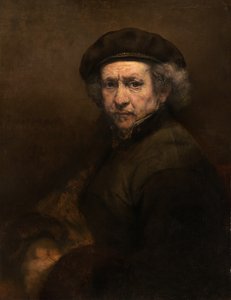
1606–1669, Холандија
Рембрант
Život obasjan svetlošću: Svet Rembrandta van RijnaRembrant Harmenszoon van Rijn, ime koje je sinonim za holandsku Zlatnu epohu i majstoriju svetlosti i senke, rođen je u Lajdenu, u Holandiji, 15. jula 1606. godine. Njegov dolazak se poklopio sa periodom neviđenog prosperiteta i umetničkog procvata mlade republike, klimom koja će duboko oblikovati njegov život i delo.
Takođe i Рембрант
 Noćna straža1642
 Hristos u oluji na Moru Galilejskom1633
 Anatomski čas dr Nikolasa Tulpa1632
 Povratak izgubljene sinovlje1662

Eseji o delu Faust
 Masterpieces of Light: The Top 25 Essential Artworks by RembrandtExplore 25 iconic Rembrandt masterpieces from the Dutch Golden Age. Discover the stories behind his light and shadow. Explore the full coll…
 18th century American paintersMasterpieces by Copley and Stuart define 18th century American art. Explore the full collection online at OriginalUniqueArt.com.
 The Weight of Mortality: Examining Memento Mori and VanitasExplore the profound symbolism of Memento Mori and Vanitas art. Discover the history of mortality in art now.