Baroque
Philosopher (Pierre Puget)
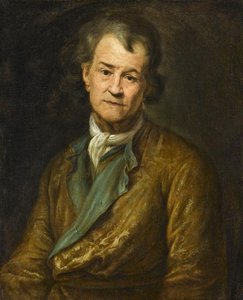
Pierre Puget (1620–1694) je napravio Philosopher. Pripada pokretu Baroque. Izrađeno je u Marble. Čuva se u muzeju Bavarske državne slikopisne kolekcije u mestu Minhen, Nemačka.

 Ručno oslikano uljanim bojama
 Pošalji
 Podeli
 Informativni list za štampu


 Preuzmi
 Slični predmeti
 Automatska prezentacija
 Pitanja i odgovori

 Statistika
Philosopher, ukratko
- Naslov
- Philosopher
- Umetnik
- Pierre Puget (1620–1694)
- Mesto rođenja umetnika
- Марсељ, Француска
- Tehnika
- Marble
- Gde se može videti
- Bavarske državne slikopisne kolekcije, Minhen, Nemačka
- Pokret
- Baroque
- Period
- Early Modern
- Tema
- man, bust, marble, beard, face, sculpture
Šta prikazuje Philosopher?
The Portrait Bust of a Philosopher
Pierre Puget’s Philosopher presents a marble bust focused on the psychological depth of its subject. The sculpture captures a figure from the chest up, emphasizing a countenance designed to convey wisdom and intense contemplation. Through the careful rendering of facial features, the work moves beyond mere likeness to suggest a state of profound intellectualism.
The subject's expression is defined by a furrowed brow and a slightly downturned mouth. These specific details imbue the figure with a sense of thoughtfulness, bordering on melancholy. This emotional weight provides a human dimension to the classical form, suggesting a mind preoccupied with complex truths.
Composition and Visual Elements
The composition is centered and direct, presenting the bust from the chest up against a dark, near-black background. This high-contrast setting isolates the subject, ensuring the viewer's attention remains fixed upon the form. The face acts as the primary focal point, drawing the eye through a deliberate arrangement of light and shadow.
Lighting is directed from above and slightly to the left, producing a chiaroscuro effect. This technique defines the three-dimensional volume of the marble, casting deep shadows that emphasize the contours of the neck, shoulders, and the folds of the beard. The interplay of light and dark creates a sense of recession and physical depth within the frame.
The subject's expression is characterized by a furrowed brow and a slightly downturned mouth. These features, combined with the organic, curved lines of the facial structure, suggest a state of intense contemplation or melancholy. The tension in the brow provides a psychological weight to the physical presence of the sculpture.
Technique and Material Properties
The sculpture is executed in marble, utilizing subtractive methods to reveal the form from the stone. The process involves the deliberate carving away of material from a solid block to define the anatomical features and the character's contemplative expression.
The artist employs varied surface treatments to create tactile contrast. The smoothness of the marble is used to represent the skin of the face, while more deliberate, rougher textures are applied to the hair and beard. This manipulation of the stone's surface creates a sense of volume and depth through the interplay of light and shadow across the different finishes.
Artistic Style and Influences
The sculpture adheres to a classical tradition, emphasizing realism and idealized representation. It captures the subject through a lens of profound introspection, utilizing a furrowed brow and a slightly downturned mouth to suggest a state of contemplation or melancholy. This focus on the internal life of the subject aligns with a broader sculptural movement that seeks to balance physical accuracy with the expression of human thought.
Puget’s approach to form is characterized by an emphasis on emotion, pathos, and drama. The work reflects the influence of Michelangelo’s powerful, muscular figures, particularly in the way the anatomy and facial features convey a sense of weight and gravity. This intensity is further shaped by the dynamic compositions associated with Bernini, which prioritize movement and theatricality even within the stillness of stone.
The interplay of light and shadow, or chiaroscuro, defines the contours of the face and the deep folds of the beard. This technique heightens the three-dimensional presence of the marble, transforming the static bust into a study of volume and depth. The result is a work that prioritizes the expressive power of the human form over mere decorative imitation.
Related Works by Pierre Puget
Puget’s sculptural output includes several significant commissions for the French court and major collections. His work on the figure of Hercules, currently known as the Hercule gaulois in the Louvre, demonstrates his ability to handle large-scale marble forms. This interest in mythological subjects is further seen in the group Perseus and Andromeda, which was completed in 1684. These works reflect the dramatic intensity and expressive realism characteristic of his approach to the human form.
The artist also engaged with relief sculpture and high-stakes mythological narratives. He produced the bas-relief Alexander and Diogenes, created between about 1671 and 1693. Additionally, his repertoire includes the sculpture Milo of Croton, a work produced between about 1671 and 1684. These pieces illustrate the breadth of his technical skill in both free-standing and relief formats.
U kom muzeju se nalazi Philosopher?
Bavarske državne slikopisne kolekcije
Minhen, Nemačka
Nasleđe Bavarskih državnih slikopisnih kolekcija Bavarske državne slikopisne kolekcije, smeštene u Minhenu u Nemačkoj, započinju svoju institucionalnu istoriju 1799. godine kao Centralgemäldegaleriedirektion. Ovaj temelj je postavio okvir za očuvanje evropske umetnosti koji i danas definiše kulturni pejzaž ovog grada.



Slike visoke rezolucije za Philosopher
Pierre Puget, Philosopher, Bavarske državne slikopisne kolekcije. Javno dobro.
Odgovori na pitanja o Philosopher
U kom muzeju se čuva originalni "Philosopher"?
Originalno delo "Philosopher" možete videti u muzeju Bavarske državne slikopisne kolekcije, Minhen, Nemačka.
Kojom tehnikom je urađeno „Philosopher”, autor Pierre Puget?
Tehnika dela „Philosopher”, autor Pierre Puget je Marble. Reprodukcije imaju za cilj da dočaraju izgled ove tehnike.
Šta predstavlja delo "Philosopher"?
Motivi dela "Philosopher" su man, bust, marble, beard, face, sculpture, gray, white.
Da li je "Philosopher" slobodan od autorskih prava?
„Philosopher”, autor Pierre Puget pripada u javnom vlasništvu – autorska prava su istekla. Ovaj status određuje način na koji se slika dela može reprodukovati.
Kome se pripisuje delo "Philosopher"?
Delo "Philosopher" je kreirao/la Pierre Puget. Informacije na ovoj stranici opisuju originalno delo umetnika Pierre Puget.
Koji umetnički pravac obuhvata „Philosopher”, autor Pierre Puget?
„Philosopher”, autor Pierre Puget pripada pravcu Baroque. Ovaj pravac pruža stilski kontekst dela.
Šta objašnjava status autorskih prava za „Philosopher”, autor Pierre Puget?
"Philosopher" autora Pierre Puget je u u javnom vlasništvu – autorska prava su istekla. Autorska prava se računaju od godine smrti umetnika, a Pierre Puget je preminuo/la 1694.
Da li se "Philosopher" nalazi u zemlji svog autora?
Ne – umetničko delo se nalazi u inostranstvu. Delo „Philosopher“ se čuva u državi Nemačka, dok je Pierre Puget rođen/a u državi Француска.
Šta "Philosopher" deli sa ostatkom stvaralaštva umetnika Pierre Puget?
U okviru celokupnog stvaralaštva umetnika Pierre Puget, delo "Philosopher" pripada stilu Baroque, uz prisustvo tema kao što su pietro da cortona, michelangelo and bernini, baroque dynamism, classical forms, expressive realism.
O umetniku, Pierre Puget
1620–1694, Француска
Pierre Puget
Pierre Puget: Život u umetnosti i inženjerstvu Rođen: Marselj, Francuska (1620) Preminuo: 1694. Rano detinjstvo i italijanski uticaji Učenik: Puget je svoju karijeru započeo sa samo četrnaest godina, uklesavajući ornamente za galije građene u Marselju. Ovo rano izlaganje zanatskom radu postavilo je temelje za njegove kasnije umetničke težnje. Putovanje u Italiju (1640): Tražeći nove prilike, otputovao je u Italiju, prvo u Livorno, a zatim u Firencu, gde je usavršavao svoje veštine kao drvorezac i slikar.
O umetniku Pierre Puget Istaknuta dela umetnika Pierre Puget
Takođe i Pierre Puget
 Sretanje Aleksandra Velikog i Diogena1671
 Milo iz Krotona1671
 The Meeting of Alexander the Great and Diogenes1671
 Self-portrait1668
Eseji o delu Philosopher
 Pierre Puget: 25 Iconic Sculptures and Paintings of the Baroque EraExplore 25 iconic Pierre Puget works from the French Baroque. Discover museum-quality art and curated ideas on OriginalUniqueArt.com.
 Visual Structure in Portraiture: How Composition and Lighting Define CharacterMaster the art of portraiture through composition and light. Learn how masters define character with expert visual techniques.
 Masterpieces of Munich: Top 25 Artworks in the Bavarian State Painting CollectionsExplore 25 iconic masterpieces from Munich's Bavarian State Painting Collections. Discover timeless art on OriginalUniqueArt.com.