French Impressionism
The Boulevards (Пјер Бонар)
Пјер Бонар (1867–1947) je napravio The Boulevards. Pripada pokretu French Impressionism. Izrađeno je u Lithograph. Čuva se u muzeju Detroit Institute of Arts u mestu Detroit, Sjedinjene Američke Države.
- Lithograph
- Detroit Institute of Arts

 Pregledaj u prostoru

 Ručno oslikano uljanim bojama
 Pošalji
 Podeli
 Informativni list za štampu


 Preuzmi
 Slični predmeti
 Rendgenski snimak
 Automatska prezentacija
 Pitanja i odgovori

 Statistika
The Boulevards, ukratko
- Naslov
- The Boulevards
- Umetnik
- Пјер Бонар (1867–1947)
- Mesto rođenja umetnika
- Фонтне о Роз, Француска
- Tehnika
- Lithograph
- Gde se može videti
- Detroit Institute of Arts, Detroit, Sjedinjene Američke Države
- Pokret
- French Impressionism
- Period
- Modern
- Tema
- cityscape, urban scene, boulevards, architecture, color palette, light effects
Šta prikazuje The Boulevards?
A Parisian Whisper: The Soul of The Boulevards
To step into Pierre Bonnard’s “The Boulevards” is to wander through a dream of fin de siècle Paris, where the bustling energy of the city is softened by a veil of poetic nostalgia. Created in 1900, this exquisite lithograph does not merely document a street scene; it captures the very breath of the Belle Époque. As a master of the Intimist movement, Bonnard moves away from the grand, sweeping gestures of traditional landscape painting to focus on the quiet, fleeting moments that define urban existence. The viewer is not an outsider looking in, but a silent participant, drifting alongside the figures strolling through a world rendered in a palette of muted greens, soft violets, and delicate pinks.
The composition possesses a deceptive simplicity that masks a profound emotional depth. Bonnard utilizes a subtly flattened perspective, compressing the space of the boulevard to draw the eye inward toward a towering architectural presence. This technique creates an intimate atmosphere, as if the city itself is leaning in to share a secret. The way the light filters through the scene—not with the harsh brilliance of the Impressionists, but with a diffused, ethereal glow—imbued the lithograph with a sense of timelessness. For the collector or interior designer, this piece offers a sophisticated balance of structure and softness, making it an ideal focal point for spaces that require a touch of historical elegance and contemplative calm.
Technique and the Art of Impressionistic Nuance
The technical mastery behind “The Boulevards” lies in Bonnard’s ability to use color as a vehicle for emotion rather than mere description. Executed as a lithograph on fine paper, the work showcases a remarkable command of tonal layering. By eschewing heavy outlines and traditional shading, Bonnard relies on overlapping planes of color to suggest depth and movement. The interplay between the cool greens and the warm, fleshy pinks creates a rhythmic vibration across the surface, mimicking the flickering movement of pedestrians and bicycles passing through the street. This approach reflects his roots in the Nabis group, where the decorative quality of the medium was just as vital as the subject matter itself.
Every stroke and color choice serves to evoke the atmosphere of a city in transition. There is a certain melancholy present in the muted tones, a reflection of the shifting social tides at the turn of the century. Yet, beneath this layer of nostalgia, there is an undeniable vibrancy—a pulse of life that remains even in the most subdued hues. For those seeking to adorn a home with art that tells a story, this reproduction provides more than just visual beauty; it offers a window into a vanished era of Parisian splendor, inviting a sense of romanticism and intellectual curiosity into any curated collection.
U kom muzeju se nalazi The Boulevards?
Detroit Institute of Arts
Detroit, Sjedinjene Američke Države
Poreklo i istorija Detroit Institute of Arts Koreni Detroit Institute of Arts sežu još u 1883. godinu, kada je sve počelo kao skromna kolekcija evropskih slika. Već 1885.


Slike visoke rezolucije za The Boulevards

Пјер Бонар, The Boulevards, Detroit Institute of Arts. Javno dobro.
Odgovori na pitanja o The Boulevards
Gde se danas može videti delo „The Boulevards”, autor Пјер Бонар?
Delo „The Boulevards”, autor Пјер Бонар je izloženo u muzeju Detroit Institute of Arts, Detroit, Sjedinjene Američke Države. Navod o muzeju odnosi se na originalno delo, a ne na reprodukcije.
Kojom tehnikom je urađeno „The Boulevards”, autor Пјер Бонар?
Пјер Бонар je koristio/la tehniku Lithograph za delo "The Boulevards". Ova tehnika definiše materijalnu prirodu originalnog dela.
Šta prikazuje „The Boulevards”, autor Пјер Бонар?
„The Boulevards”, autor Пјер Бонар prikazuje: cityscape, urban scene, boulevards, architecture, color palette, light effects, domestic interior.
Da li se prikaz „The Boulevards”, autor Пјер Бонар može slobodno reprodukovati?
„The Boulevards”, autor Пјер Бонар pripada u javnom vlasništvu – autorska prava su istekla. Ovaj status određuje način na koji se slika dela može reprodukovati.
Ko je autor dela "The Boulevards"?
Delo "The Boulevards" je kreirao/la Пјер Бонар. Informacije na ovoj stranici opisuju originalno delo umetnika Пјер Бонар.
Koji umetnički pravac obuhvata „The Boulevards”, autor Пјер Бонар?
„The Boulevards”, autor Пјер Бонар pripada pravcu French Impressionism. Ovaj pravac pruža stilski kontekst dela.
U kojoj fazi stvaralaštva umetnika Пјер Бонар se nalazi delo "The Boulevards"?
„The Boulevards“ pripada Mature Period u karijeri umetnika Пјер Бонар. Ova klasifikacija povezuje delo sa razvojem samog umetnika.
Šta objašnjava status autorskih prava za „The Boulevards”, autor Пјер Бонар?
„The Boulevards”, autor Пјер Бонар je u u javnom vlasništvu – autorska prava su istekla. Autorska prava traju od smrti umetnika, koja se dogodila 1947.
Da li je "The Boulevards" ostalo u domovini svog umetnika?
Ne – umetničko delo se nalazi u inostranstvu. Rodna zemlja umetnika Пјер Бонар je Француска, dok se muzej u kojem se čuva original dela „The Boulevards” nalazi u državi Sjedinjene Američke Države.
O umetniku, Пјер Бонар
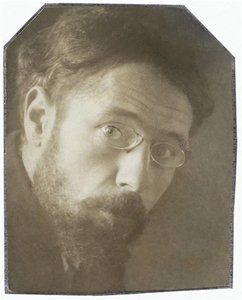
1867–1947, Француска
Пјер Бонар
Pierre Bonnard (1867-1947): A Life Bathed in Light Pierre Bonnard, geboren 1867 in der Pariser Vorstadt Fontenay-aux-Roses, war kein Mann für ein Leben voller künstlerischer Ausdruckskraft. Sein Vater, ein hochrangiger Beamter im französischen Verteidigungsministerium, sah seinem Sohn eine juristische Karriere vor. Junge Pierre verfolgte diese Ausbildung ernsthaft und erhielt seinen Abschluss im Jahr 1888, doch sein Herz lag anders – in der faszinierenden Welt von Farbe und Form. Diese Dichotomie, dieser Spannungsbogen zwischen Erwartung und Leidenschaft würde subtil Einfluss auf seine künstlerische Reise haben und ihm eine einzigartige Nähe zu seinem Werk verleihen.
Takođe i Пјер Бонар
 Nudež1920
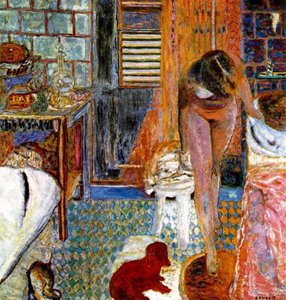 La toilette, ca Private1932
 The almond tree in blossom
 Le placard rouge (The Red Cupboard),1939

Eseji o delu The Boulevards
 Boulevards of Light: A Study of Parisian Street Life in Impressionist PaintingExplore the luminous transformation of Paris through Caillebotte and Renoir. Rediscover the Belle Epoque era today.
 Top 10 Remek-dela Impresionizma koji su Značili Revoluciju u Umetnosti | OriginalUniqueArtUronite u svet impresionizma! Otkrijte 10 remek-dela Moneta, Renoara, Degasa i Van Goga. Istorija umetnosti, tehnike slikanja i inspiracija…
 Urban Pulse: Integrating the Kinetic Energy of Impressionist Boulevards and Contemporary Street Art into Hospitality DesignMaster urban hospitality design with expert insights on Impressionist and street art integration. Elevate your next project today.