Ulje na platnu
 Sve o delu Captive







































 Za umetnička dela ili reprodukcije čija je bilo koja strana veća od 105 cm (približno 41 inč), okvir će biti isporučen u obliku rastavljenog seta za sklapanje. Ovaj metod osigurava bezbednu dostavu i sprečava oštećenja tokom transporta.


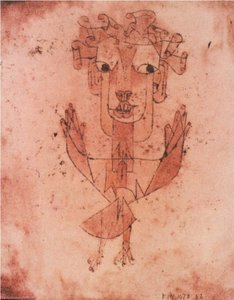
A Portrait of Resilience: Paul Klee’s “Captive”
Paul Klee's "Captive," painted in 1940 during the twilight years of his life and just months before his passing, is far more than a simple depiction of a figure; it’s a profound meditation on suffering, determination, and the enduring spirit of an artist facing immense personal challenges. Created amidst the debilitating progression of scleroderma – a condition that relentlessly tightened and hardened his skin – the painting serves as a poignant testament to Klee's unwavering commitment to his craft even in the face of physical adversity. The work’s power lies not in overt drama, but in its subtle yet deeply resonant portrayal of vulnerability and resolve. The composition itself is deceptively simple. A central figure, rendered with Klee’s characteristic loose, expressive lines, presents a frowning face framed by stark bars. These confining elements immediately evoke the feeling of imprisonment, directly referencing the physical restrictions imposed by his illness. Yet, despite this clear symbol of constraint, the subject's gaze holds a surprising intensity – a flicker of defiance and an undeniable sense of purpose. The use of predominantly blue and black hues contributes to a somber mood, mirroring the artist’s emotional state, but these dark tones are skillfully balanced with hints of lighter shades, suggesting a persistent inner light refusing to be extinguished. Notably, Klee's signature style—a blend of expressionism, cubism, and surrealism—is evident in the fragmented forms and the almost childlike quality of the face, hinting at both vulnerability and an inherent artistic sensibility.The Language of Sclerosis: Symbolism and Personal Narrative
Klee’s decision to incorporate elements directly related to his illness into “Captive” is a crucial aspect of understanding the work's significance. The bars aren’t merely decorative; they represent the tangible limitations imposed by scleroderma, the relentless tightening of skin and tissues that dramatically altered Klee’s physical capabilities. The teardrop falling from the figure’s eye isn’t simply an expression of sadness but a potent symbol of the pain and frustration associated with his condition. However, it's important to note that Klee never explicitly depicted himself in his art; instead, he channeled his experiences into symbolic representations, allowing viewers to project their own interpretations onto the canvas. The painting becomes a mirror reflecting not just Klee’s personal struggle but also the universal human experience of facing hardship and finding strength within adversity.An Expressionist Masterpiece: Technique and Emotional Resonance
“Captive” exemplifies Klee's distinctive expressionistic style, prioritizing emotional impact over strict realism. His loose brushstrokes, combined with his innovative use of color—a deliberate choice to evoke mood rather than accurately represent the world—create a dynamic and layered surface. The painting’s texture is rich and tactile, inviting close examination and revealing the artist’s meticulous attention to detail despite the seemingly spontaneous application of paint. Klee's exploration of color theory was extensive, and this work demonstrates his ability to use hues not just for aesthetic effect but also to convey specific emotions and psychological states. The careful layering of blues and blacks creates a sense of depth and introspection, while subtle variations in tone suggest an underlying current of hope.Legacy and Influence: A Timeless Reflection on the Human Spirit
Paul Klee’s “Captive” stands as a powerful example of art's ability to transcend personal experience and speak to universal themes. Its influence can be seen in numerous artists across movements, from abstract expressionism to contemporary figurative painting. The work’s enduring appeal lies in its honest portrayal of vulnerability and resilience—qualities that resonate deeply with viewers regardless of their background or beliefs. The Zentrum Paul Klee in Bern, Switzerland, houses a significant collection of his works, offering visitors the opportunity to immerse themselves in the artist's world and contemplate the profound messages embedded within his art. Reproductions of “Captive,” available through platforms like OriginalUniqueArt.com, allow collectors and enthusiasts alike to bring this iconic image into their homes and experience its emotional power firsthand. It remains a poignant reminder that even amidst suffering, creativity can flourish, and the human spirit can endure.Pitanja i odgovori
Da li je Captive ručno oslikano ili odštampano?
Ručno oslikano: profesionalni umetnik kopira Captive uljanim bojama na platnu od lana.
Koju veličinu treba da odaberem za Captive?
Dimenzije se kreću od 33.0 x 30.3 cm (дин20925) do 239.7 x 219.8 cm (дин200354); tabela na ovoj stranici navodi glavne korake i njihove cene.
Koliko dugo traje dostava?
Isporuka traje od 4 do 5 nedelja, uz besplatnu ekspresnu dostavu širom sveta; na ovoj stranici je ponuđena opcija hitne proizvodnje. Možete ga vratiti u roku od 100 dana uz pun povraćaj sredstava, bez ikakvih uslova.
Koji je medij koristio/la Паул Кле za delo Captive?
Painting
 Pregledaj u prostoru

 Pošalji
 Podeli
 Detalji o delu
 Informativni list


 Preuzmi
 Slični predmeti
 Rendgenski snimak
 Automatska prezentacija
 Pitanja i odgovori

 Statistika