Romanticism
Time and glory (Макс Клингер)
Макс Клингер (1857–1920) je napravio Time and glory. Pripada pokretu Romanticism. Izrađeno je u Etching.
- Etching

 Pregledaj u prostoru

 Ručno oslikano uljanim bojama
 Pošalji
 Podeli
 Informativni list za štampu


 Preuzmi
 Slični predmeti
 Rendgenski snimak
 Automatska prezentacija
 Pitanja i odgovori

 Statistika
Time and glory, ukratko
- Naslov
- Time and glory
- Umetnik
- Макс Клингер (1857–1920)
- Mesto rođenja umetnika
- Лајпциг, Немачка
- Tehnika
- Etching
- Pokret
- Romanticism
- Period
- 19th Century
- Tema
- mythological scene, goddess of the hunt, victory & triumph, serpentine creature, dramatic landscape, classical imagery
Šta prikazuje Time and glory?
Identification of Time and Glory
Time and glory is a monochrome etching by the German artist Max Klinger. The work presents a mythological scene rendered through the precise, biting language of the etching needle. It captures a moment of divine triumph, where a muscular female figure stands over a fallen, serpentine creature. The subject matter draws from ancient myth to explore themes of power and the struggle between order and chaos.
The composition is vertically oriented, pulling the eye upward toward the central figure. This height emphasizes the dominance of the goddess over the landscape. Shadows fall deep and heavy across the scene, creating a sense of intensity. The distant mountain range recedes into the background through atmospheric perspective. A single, sharp line defines the contours of skin and fabric.
In this print, Klinger uses the medium to translate myth into a tangible, physical struggle. The ink settles into the grooves of the metal plate, creating textures of foliage and stone. The scene remains fixed in a silent, monochromatic stillness. The light falls upon the victor.
Composition and Visual Elements
The composition is vertically oriented, pulling the eye upward through a dramatic perspective. At the center, a muscular female figure rises in triumph. She stands over a fallen, serpentine creature that lies defeated at her feet. This arrangement creates a sense of conquest, a moment of divine intervention frozen in ink. The height of the central figure dominates the frame, asserting a quiet authority over the landscape below.
Light and shadow collide to define the scene. Deep shadows carve out the anatomy of the figures, creating a heavy, intense atmosphere. In the distance, a mountain range recedes into the background. Atmospheric perspective softens these peaks, pushing them toward a hazy horizon. The interplay of light and dark gives the space a profound sense of depth, as if the air itself holds weight.
The landscape provides an epic scale to the struggle. Every line contributes to the tension between order and chaos. The stillness of the mountains contrasts with the muscular energy of the victor. A single, sharp focus remains on the point of contact between the goddess and the serpent. The shadows settle into the crevices of the earth.
Technique and Artistic Materials
The image emerges from the bite of acid against a metal plate. This etching process relies on the precise application of etching ground, a protective layer that yields to the needle. Once the image is transferred onto the metal, the acid carves the intended paths, leaving behind a map of dark, deliberate lines. Ink fills these narrow trenches, capturing the weight of the scene upon the surface.
Texture is built through the meticulous repetition of marks. Cross-hatching and stippling create the illusion of substance, turning flat planes into the grain of skin or the roughness of foliage. These lines are heavily emphasized, forming strong contours that define the anatomy of the central figure. The interplay of light and shadow is a product of this density, where deep blacks meet the pale expanse of the metal. The work remains a study in monochrome intensity.
Related Works by Max Klinger
The artist’s hand often traced the outlines of myth and desire through the precision of the etching needle. In 1879, he produced the series Deliverances of Ovidian Victims, where the ink captures the weight of ancient struggle. This preoccupation with the tension between human form and mythic fate continued through 1880 with the creation of Eva and the Future. These graphic cycles reveal a mind drawn to the shadows cast by archetypal narratives.
The year 1881 brought a shift toward the intimate and the symbolic. He produced the series Amor and Psyche, exploring the delicate intersections of longing and the soul. During this same period, he completed the Paraphrase on the Finding of a Glove, a ten-plate project that transformed a simple object into a vessel for memory and loss. Each plate functions as a fragment of a dream, etched with a meticulousness that defines his graphic legacy. The metal plate holds the memory of the line.
Slike visoke rezolucije za Time and glory
Макс Клингер, Time and glory. Javno dobro.
Odgovori na pitanja o Time and glory
Kojom tehnikom je urađeno „Time and glory”, autor Макс Клингер?
"Time and glory" je urađeno u tehnici Etching.
Šta predstavlja delo "Time and glory"?
„Time and glory”, autor Макс Клингер prikazuje: mythological scene, goddess of the hunt, victory & triumph, serpentine creature, dramatic landscape, classical imagery, power & authority.
Da li je delo „Time and glory”, autor Макс Клингер u javnom vlasništvu?
Status autorskih prava za „Time and glory”, autor Макс Клингер: delo je u javnom vlasništvu – autorska prava su istekla. Ovo određuje da li se reprodukcije slike mogu slobodno izrađivati.
Ko je autor dela "Time and glory"?
Delo "Time and glory" pripisuje se umetniku Макс Клингер.
Koji umetnički pravac pripada delu "Time and glory"?
„Time and glory”, autor Макс Клингер pripada pravcu Romanticism. Ovaj pravac pruža stilski kontekst dela.
U kojoj fazi stvaralaštva umetnika Макс Клингер se nalazi delo "Time and glory"?
„Time and glory“ pripada Mature Period u karijeri umetnika Макс Клингер. Ova klasifikacija povezuje delo sa razvojem samog umetnika.
Da li je delo "Time and glory" autora Макс Клингер u javnom vlasništvu i zašto?
Status autorskih prava za delo "Time and glory" - u javnom vlasništvu – autorska prava su istekla - proizilazi iz godine smrti umetnika, 1920.
Na koji način se "Time and glory" uklapa u teme i stil umetnika Макс Клингер?
„Time and glory“ deli sa ostalim delima umetnika Макс Клингер svoj Romanticism stil i prepoznatljive teme: classical sculpture, romanticism ideals, mythological tradition, divine power", order vs chaos, heroic narrative, "symbol, psychological depth.
Gde se "Time and glory" nalazi među uobičajenim motivima umetnika Макс Клингер?
"Time and glory" prikazuje mythological scene, goddess of the hunt, victory & triumph, serpentine creature, dramatic landscape, classical imagery, power & authority, dok su dokumentovane teme umetnika Макс Клингер zapravo classical sculpture, romanticism ideals, mythological tradition, divine power", order vs chaos, heroic narrative, "symbol, psychological depth. Poređenje ova dva elementa pokazuje kako se ovo delo povezuje sa uobičajenim motivima ovog umetnika.
O umetniku, Макс Клингер

1857–1920, Немачка
Макс Клингер
Senka Sveta Maks Klingera: Pionir Simbolizma Maks Klinger, rođen u Lajpcigu 1857. godine, izrastao je u ključnu figuru koja je premostila jaz između Realizma i rađajućeg sveta Simbolizma. Njegov umetnički put nije bio obeležen trenutnim prizanjem, već postepenim razotkrivanjem jedinstvene vizije – spuštanjem u psihološke dubine koje su snažno uticale na modernu umetnost. Rano školovanje na Akademiji lepih umetnosti u Karlsrueu, pod rukovodstvom Karla Gusova, obezbedilo mu je čvrstu osnovu tradicionalnih tehnika, ali je upravo fascinacija gravurama umetnika poput Mencela i Goje zaista potpalila njegovu maštu.
O umetniku Макс Клингер Istaknuta dela umetnika Макс Клингер
Takođe i Макс Клингер
 Smrt koja piši
 The Isle of the Dead
 Y sin embargo!
 Presa
Eseji o delu Time and glory
 Golden Splendor: The 25 Most Iconic Masterpieces by Gustav KlimtImmerse yourself in the golden splendor of Gustav Klimt. Explore 25 iconic Art Nouveau masterpieces, from The Kiss to his legendary portrai…
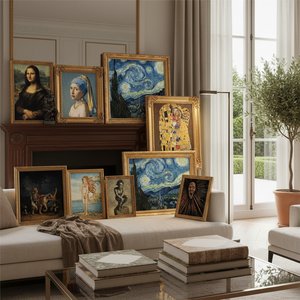 Timeless Masterpieces: 10 Classic Artworks for Elegant Homes |Explore 10 timeless masterpieces – from Van Gogh to Rembrandt – that define classic art & evoke enduring moods. Discover art history, techn…
 The 25 Masterpieces of Akseli Gallen-Kallela: A Journey Through Finnish Soul and MythExplore 25 iconic Akseli Gallen-Kallela masterpieces and Finnish myths. Discover the full collection online at OriginalUniqueArt.com.