() ·

A painting made for you, by hand

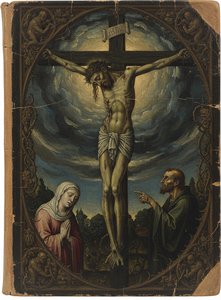
Crucifixion

Ručno rađena uljana reprodukcija

Ručno oslikano uljanim bojama na platnu u dimenzijama i okviru po vašem izboru, izrađeno po porudžbini od strane naših umetnika. ( Pređi na štampu Pređi na digitalnu sliku)

Opis predmeta

Experience Matthias Grünewald's powerful 'Crucifixion' (1501), a stark black & white drawing from the Isenheim Altarpiece, showcasing intense emotion and masterful realism of Christ’s suffering.

Biografija umetnika

Istražite dramatičnu umetnost Matijasa Grünevalda iz nemačke renesanse! Poznat po Isenheim oltaru i emocionalno nabijenim religijskim slikama. Otkrijte njegov jedinstveni stil na OriginalUniqueArt.

from ·

Chapter 1

How large should it be?

Slide to change the size; the picture on the left shows the frame at its real width. The proportions of the original are kept.

Standardne dimenzije
po meri
CM
INCH

Izaberite jednu od naših unapred definisanih veličina koje odgovaraju originalnim proporcijama umetničkog dela.

širina
visina

Unesite potrebnu širinu i visinu kako bi se slika uklopila u vaš ram ili zid. Pošto je ovo ručno oslikano delo, umetnik može za dimenzije drugačijeg oblika naslikati malo više prostora oko slike ili malo skratiti ivice — izbor je na vama. Pre početka rada, poslaćemo vam digitalni prikaz radi potvrde. Slika prikazana na ovoj stranici ne predstavlja konačan rezultat — samo digitalni prikaz pokazuje stvarnu sliku.

Chapter 2

How should it arrive?

Choose the edges of the stretched canvas

Choose your frame

Corner sample of the WhiteWrap canvas edge finish, stretched on masivno drvo bars
White дин1
Corner sample of the BlurSideWrap canvas edge finish, stretched on masivno drvo bars
Blurside дин1
Corner sample of the ExtendedWrap canvas edge finish, stretched on masivno drvo bars
Extended дин1
Corner sample of the P118B picture frame: oblikovani polistiren, 5 cm wide and 3 cm thick
P118B дин10
Corner sample of the P118H picture frame: oblikovani polistiren, 5 cm wide and 3 cm thick
P118H дин10
Corner sample of the P118W picture frame: oblikovani polistiren, 5 cm wide and 3 cm thick
P118W дин10
Corner sample of the P438Z picture frame: oblikovani polistiren, 5.5 cm wide and 3.5 cm thick
P438Z дин10
Corner sample of the P508JH picture frame: oblikovani polistiren, 7 cm wide and 3.5 cm thick
P508JH дин12
Corner sample of the P508YH picture frame: oblikovani polistiren, 7 cm wide and 3.5 cm thick
P508YH дин12
Corner sample of the P805H picture frame: oblikovani polistiren, 5 cm wide and 3.5 cm thick
P805H дин10
Corner sample of the P805Z picture frame: oblikovani polistiren, 5 cm wide and 3.5 cm thick
P805Z дин10
Corner sample of the P919BZ picture frame: oblikovani polistiren, 7 cm wide and 3.5 cm thick
P919BZ дин10
Corner sample of the P919G picture frame: oblikovani polistiren, 7 cm wide and 3.5 cm thick
P919G дин10
Corner sample of the P919XJ picture frame: oblikovani polistiren, 7 cm wide and 3.5 cm thick
P919XJ дин10
Corner sample of the P959ZH picture frame: oblikovani polistiren, 5 cm wide and 3 cm thick
P959ZH дин10
Corner sample of the P968JZ picture frame: oblikovani polistiren, 6 cm wide and 4 cm thick
P968JZ дин12
Corner sample of the W106C picture frame: masivno drvo, 5 cm wide and 3 cm thick
W106C дин8
Corner sample of the W218G picture frame: masivno drvo, 5 cm wide and 3 cm thick
W218G дин10
Corner sample of the W218JH picture frame: masivno drvo, 5 cm wide and 3 cm thick
W218JH дин8
Corner sample of the W218Y picture frame: masivno drvo, 5 cm wide and 3 cm thick
W218Y дин10
Corner sample of the W307PJ picture frame: masivno drvo, 6 cm wide and 3 cm thick
W307PJ дин10
Corner sample of the W316G picture frame: masivno drvo, 6 cm wide and 3 cm thick
W316G дин10
Corner sample of the W316PJ picture frame: masivno drvo, 6 cm wide and 3 cm thick
W316PJ дин8
Corner sample of the W316Y picture frame: masivno drvo, 6 cm wide and 3 cm thick
W316Y дин10
Corner sample of the W398PJ picture frame: masivno drvo, 5 cm wide and 3 cm thick
W398PJ дин8
Corner sample of the W4111J picture frame: masivno drvo, 6.5 cm wide and 3.5 cm thick
W4111J дин10
Corner sample of the W500HY picture frame: masivno drvo, 7 cm wide and 5 cm thick
W500HY дин15
Corner sample of the W500JH picture frame: masivno drvo, 7 cm wide and 5 cm thick
W500JH дин15
Corner sample of the W692G picture frame: masivno drvo, 8 cm wide and 4 cm thick
W692G дин12
Corner sample of the W849H picture frame: masivno drvo, 5 cm wide and 3 cm thick
W849H дин8
Corner sample of the W940BG picture frame: masivno drvo, 7.5 cm wide and 4.5 cm thick
W940BG дин15
Corner sample of the W953PJ picture frame: masivno drvo, 6 cm wide and 3.5 cm thick
W953PJ дин8
Corner sample of the H24-GOLD picture frame: rezbarano drvo sa gessoom, 10 cm wide and 6 cm thick
H24-GOLD дин30
Corner sample of the H24-SILVER picture frame: rezbarano drvo sa gessoom, 10 cm wide and 6 cm thick
H24-SILVER дин30
Corner sample of the H36-GOLD picture frame: rezbarano drvo sa gessoom, 15 cm wide and 6.5 cm thick
H36-GOLD дин45
Corner sample of the H36-SILVER picture frame: rezbarano drvo sa gessoom, 15 cm wide and 6.5 cm thick
H36-SILVER дин45

Moulding: . Overall size with the frame: .

Chapter 3

Who paints it, and should anything change?

Examples of what can be changed: Replace face with customer photo; Add pet (e.g., replace cat with dog); Include hidden message in background; Change background landscape or elements.
After order, OriginalUniqueArt.com team will email client for instructions and provide a mockup preview

Svetska isporuka () za 3/4 nedelje umesto uobičajenih 5 nedelja. (1 новембар). Bez kompromisa po pitanju kvaliteta.

Chapter 4

The finishing touches

A nameplate, as in a museum?

Detalji gravirane bronze ploče

This elegant plaque features the artist's name and the title of the artwork, finely engraved for a timeless presentation.

It is made from bronze with a refined, elegant finish. The text is precisely laser-engraved for a sharp and permanent result. Measuring 9x2 cm, the plaque is compact yet easy to read. It's built to be durable and scratch-resistant, offering a professional, museum-quality look. Mounting is simple thanks to the included adhesive backing.

Detalji prozirne akrilne pločice

The plaque includes essential engraved details such as the artist's name, the title of the artwork, the date it was created, the type of media used-like oil on canvas or watercolor-a brief description of the piece, and a QR code that links to the complete artwork information.

It is crafted from clear acrylic, offering a sleek, modern appearance. The text is UV-engraved in black to ensure strong visual contrast. With a size of 10x15 cm, it ensures optimal readability. It comes equipped with two metal hooks for secure wall mounting. The plaque is designed to be weather-resistant, making it suitable for various environments, and it includes interactive features that work seamlessly with smartphone scanning.

Detalji crne akrilne pločice

This elegant plaque includes engraved information such as the artist's name, the title of the artwork, the date it was created, the type of media used (like oil on canvas or watercolor), a short description of the artwork, and a QR code for quick access to more information.

The plaque itself is made from refined black acrylic with a premium finish. The text is laser-engraved in white for high contrast and readability. Its size is 10x15 cm, designed to be easy to read. It comes with two metal hooks for professional mounting. The design is sleek and fits any interior style. It is also weather-resistant and durable, with built-in digital integration for mobile compatibility.

A protective varnish?

When do you need it?

Chapter 5

Your painting, as you ordered it

Crucifixion

Tehnika reprodukcije

Dimenzije reprodukcije

-

Vrhunski maestri umetnosti

Više detalja, prefinjenosti i dodatnog vremena za izradu

-

Okvir za reprodukciju

-

-

Za umetnička dela ili reprodukcije čija je bilo koja strana veća od 105 cm (približno 41 inč), okvir će biti isporučen u obliku rastavljenog seta za sklapanje. Ovaj metod osigurava bezbednu dostavu i sprečava oštećenja tokom transporta.

Potrebna je profesionalna montaža – ovo nije proizvod namenjen samostalnoj izradi.
Set mora sastaviti i platno zategnuti iskusni profesionalni ramitelj, koristeći drveni lepak (nije uključen u set), hvataljku za zatezanje platna i stege kako bi se održao prav ugao okvira dok se lepak suši. Nepravilno sklapanje ili neravnomerno zategnuto platno mogu trajno oštetiti umetničko delo, što nije pokriveno našom garancijom.

  • Sve šipke od masivnog drveta su uključene, precizno isečene po veličini.

  • Montira se pomoću priloženih šrafova, uz dodatno korišćenje lepka za drvo za spojeve u uglovima, koji nije uključen u set i koji vaš čuvar okvira mora obezbediti.

  • Potreban je profesionalni alat koji nije uključen u set: klešta za zatezanje platna (zatezač) i stege za održavanje pravih uglova letvica tokom sušenja lepka.

Važno:
Za spojeve u uglovima neophodan je lepak za drvo, šipke se moraju pričvrstiti stezgama dok lepak potpuno ne osuši, a za zatezanje platna na sklopljenom ramu potrebne su hvataljke za zatezanje platna. Nijedan od ovih alata nije uključen u komplet. Pre naručivanja ove veličine, molimo Vas da unapred obezbedite iskusnog profesionalca za ramačenje.

Kratki opis natpisa

-

-

Zaštitni lak

Sjajni lak (pojačava intenzitet boja, štiti od svetlosti i vlage)

-

Personalizujte svoje umetničko delo

Primeri mogućnosti izmene: Zamena lica fotografijom kupca; Dodavanje ljubimca (npr. zamena mačke psom); Uključivanje skrivene poruke u pozadini; Promena pejzaža ili elemenata pozadine.

-

Hitna dostava

Svetska isporuka () za 3/4 nedelje umesto uobičajenih 5 nedelja. (1 новембар). Bez kompromisa po pitanju kvaliteta.

-

Brza dostava

Dostava širom sveta () u roku od 5 nedelja. (8 новембар).

Uključeno u cenu

Ukupna cena

дин 31264

Ukupna cena дин 31264

Opcija sa staklom dostupna je samo za dimenzije manje od 110 cm

Included with every order

  • Besplatna ekspresna dostava širom sveta
  • Visokokvalitetno laneno platno
  • Potpuno osiguranje transporta
  • Garancija povraćaja carine i uvoznih dažbina
  • Garancija vernosti boja
  • Politika povraćaja u roku od 100 dana (samo u slučaju nedostataka)
  • Garancija povrata 100% novca
  • Popust na više proizvoda

A Glimpse into the Soul of a Master: The Crucifixion by Matthias Grünewald

Matthias Grünewald’s “Crucifixion,” painted around 1501, isn't merely a depiction of a pivotal moment in Christian history; it’s an immersive experience—a visceral plunge into the depths of human suffering and profound spiritual contemplation. Born in Würzburg around 1470, Grünewald stood as a bridge between the vibrant hues and dynamic compositions of the late medieval period and the burgeoning realism of the early Renaissance. Unlike his Italian contemporaries who embraced classical ideals, Grünewald remained firmly rooted in the traditions of Northern Europe, imbuing his work with an intensely emotional quality that continues to resonate centuries later. This particular “Crucifixion” – a panel from the Isenheim Altarpiece – is a testament to this devotion, a stark and unforgettable image born not of idealized beauty but of raw, unvarnished truth.

The painting immediately commands attention with its deliberate monochrome palette. Shades of grey—ranging from near-white highlights on Christ’s body to deep, impenetrable blacks in the shadows—create an atmosphere of profound solemnity and dramatic intensity. This restricted color scheme isn't a limitation; it’s a strategic choice that amplifies the emotional impact, stripping away any distractions and forcing the viewer to confront the brutal reality of the scene. The composition itself is powerfully vertical, emphasizing the height of the cross—a symbol of both Christ’s sacrifice and humanity’s fall. Christ's torso and limbs are centrally positioned, drawing the eye directly to his suffering, while the truncated base of the cross subtly suggests a sense of confinement and vulnerability.

The Language of Line and Texture: Technique and Craftsmanship

Grünewald’s mastery lies not just in his understanding of color and composition but also in his meticulous technique. The painting is executed primarily through hatching and cross-hatching—a method of creating tonal variations by layering lines of differing densities. This painstaking process generates a remarkable sense of texture, allowing the artist to convincingly simulate the rough grain of the wooden cross, the folds of Christ’s loincloth, and even the thorny crown piercing his head. The musculature of Christ's body is rendered with astonishing anatomical accuracy, reflecting Grünewald’s deep observation of human form—a hallmark of Northern Renaissance art. The strong, defined lines delineate every contour, creating a sense of both vulnerability and immense strength.

Furthermore, the artist employs subtle shifts in value to create depth and volume. The highlights on Christ's body draw attention to his wounds, while the shadows accentuate the contours of his form, lending him an almost sculptural quality. The overall effect is one of intense realism—a deliberate departure from the idealized representations common in Italian Renaissance art. This commitment to portraying suffering with unflinching honesty speaks volumes about Grünewald’s artistic vision and his profound engagement with the subject matter.

Symbolism, Suffering, and Spiritual Resonance

Beyond its technical brilliance, “The Crucifixion” is rich in symbolic meaning. The starkness of the image—the absence of color, the brutal depiction of Christ’s suffering—serves to heighten the emotional impact and underscore the profound spiritual weight of the scene. Christ's emaciated body, riddled with wounds and pierced by nails, embodies the ultimate sacrifice for humanity’s sins. The surrounding figures – Saint Sebastian, Saint Anthony, Mary Magdalene, and John the Baptist – each contribute to the narrative, representing themes of martyrdom, compassion, repentance, and divine grace. The inclusion of John the Baptist pointing towards Christ is a clear reference to the Gospel accounts, emphasizing the significance of his sacrifice as the fulfillment of prophecy.

The painting’s origins within the Isenheim Altarpiece—a work designed for a hospital dedicated to treating plague sufferers—add another layer of meaning. Grünewald's choice of monochrome and his unflinching portrayal of suffering were intended to provide comfort and solace to those afflicted with illness, reminding them that Christ shared in their pain and offered hope amidst despair. “The Crucifixion” is therefore not simply a historical depiction but a powerful meditation on faith, suffering, and redemption—a timeless masterpiece that continues to move viewers centuries after its creation.

Further Research: For more detailed information, consider visiting the National Gallery of Art’s website for a high-resolution image and accompanying text. You can also explore Wikipedia’s entry on Matthias Grünewald for biographical details and historical context, or delve into articles like “Crucifixion, by Matthias Grünewald” on Christian Century.

Pitanja i odgovori

Gde mogu pronaći umetnička dela slična delu „Crucifixion”, autor Матијас Гриневалд?

Umetnicka dela slična delu „Crucifixion”, autor Матијас Гриневалд prikupljena su na stranici Slična dela ovog umetničkog dela.

Koja je tehnika korišćena za "Crucifixion" i kada je delo nastalo?

Delo "Crucifixion" nastalo je 1502. godine korišćenjem tehnike Acrylic On Canvas. Materijal i datum opisuju način i vreme kada je original izrađen.

Da li autorska prava za „Crucifixion”, autor Матијас Гриневалд dozvoljavaju reprodukciju?

Delo „Crucifixion”, autor Матијас Гриневалд, koje se čuva u muzeju Staatliche Kunsthalle Karlsruhe, nalazi se u u javnom vlasništvu – autorska prava su istekla statusu. Ovaj status određuje da li je dozvoljeno izrada reprodukcija slike.

More about this painting

Pregledaj u prostoru AR pregled Pređi na štampu Pređi na digitalnu sliku Pošalji
Detalji o delu Vodič Dodaj u omiljene Preuzmi Slični predmeti Rendgenski snimak Automatska prezentacija Q&A Statistika

In numbers

  • 1502the year it was painted
  • 29frames to choose from
  • standard sizes, in its own proportions
  • 5weeks to paint and deliver it
Матијас Гриневалд

Матијас Гриневалд

1480 - 1528, Nemačka

Quick facts about Матијас Гриневалд

  • Datum Rođenja: oko 1470-1475
  • Datum Smrti: 1528.
  • Mesto Rođenja: Würzburg, Nemačka
  • Nacionalnost: Nemac
  • Puno Ime: Matthias Grünewald
  • Umetnici Koji Su Uticali:
    • Albrecht Dürer
    • Martin Schongauer
  • Umetnici Pod Uticajem: Kasniji nemački slikari
  • Umetnički Pokret/Stil: Nemački renesans
  • Značajna Dela:
    • Isenheim oltar
    • Raspeće

Biografija umetnika

Матијас Гриневалд: Живот и наслеђе

Матијас Гриневалд, рођено име Матис Готарт Најтхардт, рођен око 1470-1475. године у Вирцбургу, Немачка, био је кључна фигура немачке ренесансе. Упркос томе што је живео у периоду све већег утицаја италијанских ренесансних идеала, Гриневалд је остао дубоко укорењен у уметничким традицијама касног средњевековног централне Европе. Детаљи о његовом раном животу су оскудни, али се зна да је добио уметничку обуку, вероватно у локалним радионицама.

Уметнички развој и утицаји

Гриневалдов уметнички развој обликовале су преовлађујуће северноевропске традиције реализма, емотивне интензивности и детаљног посматрања. Његов рад показује утицаје уметника као што су Албрехт Дирер и Мартин Шонгауер, али је изградио свој јединствени пут карактерисан драматичном експресијом и живописном бојом. Он није био директно укључен у хуманистичке кругове који су били распрострањени у Италији; уместо тога, његова уметност служила је пре свега религиозним сврхама, одражавајући духовну узнемиреност свог времена. Гриневалд није тежио идеализацији форме или класичној хармонији, већ је настојао да представи људску патњу и божанску милост са неукрашеном искреношћу.

Главна дела и уметнички стил

Гриневалдов опус се одликује интензивним емоционалним набојем, драматичним композицијама и реалистичном репрезентацијом људског тела. Међу његовим најзначајнијим делима издвајају се:

  • Изенхајмски олтар (1512-1516): Ово ремек-дело, смештено у музеју Унтерлинден у Колмарu, сматра се Гриневалдовим magnum opus-ом. Приказује сцене из живота Христа са потресном реалистичношћу, посебно фокусирајући се на патњу и искупљење. Олтар је био намењен болничком реду и служио као средство утехе и духовне подршке за пацијенте.
  • Распнуће (око 1502-1503): Рано дело које демонстрира његов развијајући се стил, показујући интензивне емоције и анатомске детаље. Композиција је драматична и наглашава физичку патњу Христа.
  • Дева Марија са Благовешћењем (1512-14): Студија за Изенхајмски олтар, откривајући његов педантни процес планирања. Ово дело показује Гриневалдову способност да створи интимну и емотивно напуњену атмосферу.
  • Мојсије (1511): Цртеж који истиче Гриневалдову вештину у хватању изражајних фигура и драматичних поза. Ова студија показује његову мајсторску употребу линије и светла и сенке.

Гриневалдов стил се одликује:

  • Драмском композицијом: Користио је динамичне аранжмане да појача емотивни утицај.
  • Живописном палетом боја: Његова употреба интензивних, често контрастних боја створила је моћно визуелно искуство.
  • Реалистичним приказом патње: Гриневалд се није плашио да представи физички и емоционални бол повезан са религиозним наративима.
  • Изражајним фигурама: Његове фигуре су прожете јаким емоцијама и психолошком дубином.

Историјски значај и наслеђе

Гриневалдов рад стоји као сведочанство трајне моћи средњовековних уметничких традиција у Немачкој током ренесансе. Он је повезао рупу између касног готичког стила и нових ренесансних трендова, стварајући јединствени визуелни језик који је одзвањао са његовим савременицима. Његов утицај се види код каснијих немачких уметника који су наставили да истражују теме религиозног жара и емотивне интензивности. Иако је био углавном заборављен вековима након његове смрти 1528. године, Гриневалд је доживео препород у 19. веку, а данас је признат као један од најважнијих сликара немачке ренесансе. Његова уметност наставља да очарава гледаоце својом сировом емоцијом, техничком бриљантношћу и дубоком духовном дубином.

Даља истраживања

Откријте више о животу и делима Матијаса Гриневалда на: OriginalUniqueArt

Osnovne informacije

  • Medium: Drawing/Engraving
  • Notable elements: Dramatic shading, realism
  • Artistic style: Expressionism, detailed
  • Dimensions: 531 x 320 cm
  • Location: Museums (various)
  • Title: Crucifixion

Kviz o umetnosti

Svako pitanje ima samo jedan tačan odgovor.

Pitanje 1:
What is the primary subject matter of Matthias Grünewald’s ‘Crucifixion’?
Pitanje 2:
What artistic tradition heavily influenced Matthias Grünewald’s style, as evidenced in ‘Crucifixion’?
Pitanje 3:
The monochrome color palette of ‘Crucifixion’ primarily serves to:
Pitanje 4:
What is the significance of the use of hatching and cross-hatching in ‘Crucifixion’?
Pitanje 5:
Considering the historical context of the Isenheim Altarpiece, what was a primary purpose of Grünewald’s work?