Abstract Expressionism · 1947
Untitled (Марк Ротко, 1947)
Марк Ротко (1903–1970) je napravio Untitled. Datirano je iz 1947. Pripada pokretu Abstract Expressionism. Izrađeno je u Acrylic On Canvas. Dimenzije su 96 × 53 cm.
- 1947
- Acrylic On Canvas
- 96 × 53 cm

 Pregledaj u prostoru

 Ručno oslikano uljanim bojama
 Pošalji
 Podeli
 Vodič


 Preuzmi
 Slični predmeti
 Rendgenski snimak
 Automatska prezentacija
 Pitanja i odgovori

 Statistika
Untitled: osnove
- Naslov
- Untitled
- Umetnik
- Марк Ротко (1903–1970)
- Rođen/a u
- Даугавпилс, Letonija
- Datum
- 1947
- Tehnika
- Acrylic On Canvas
- Dimenzije
- 96 × 53 cm
- Pokret
- Abstract Expressionism
- Period
- Modern
- Tema
- abstract, color field, emotion, tranquility, depth, layered
Šta prikazuje Untitled?
A Window into the Soul: Exploring Mark Rothko’s 1947 Untitled Painting
This captivating work by Mark Rothko, created in 1947, exemplifies a pivotal moment in the artist's transition towards his signature Color Field style. Measuring 96 x 53 cm, this painting isn’t about *what* it depicts, but rather *how* it makes you feel – a hallmark of Abstract Expressionism and Rothko’s enduring legacy.Style & Technique: Gestural Abstraction and the Birth of Color Fields
The artwork is deeply rooted in Abstract Expressionism, specifically leaning towards gestural abstraction. Unlike purely abstract works that might emphasize geometric forms, this piece showcases a fluidity and spontaneity achieved through loose brushstrokes and washes of color. Rothko masterfully employs a wet-on-wet blending technique, allowing hues to seamlessly merge and create atmospheric depth. While reminiscent of the later, more defined Color Field paintings – like his iconic series of stacked rectangles – this 1947 work retains a greater textural variation, hinting at the emotional turmoil and experimentation that characterized his artistic evolution. The layering of paint creates a sense of movement within the composition, drawing the eye upwards through subtle shifts in tone and saturation.Historical Context: Post-War Emotion & Artistic Innovation
Created immediately after World War II, this painting reflects the anxieties and existential questioning prevalent during that era. Abstract Expressionism emerged as a response to the horrors of war, rejecting traditional representational art in favor of expressing raw emotion and subjective experience. Rothko, having immigrated from Latvia as a child, carried with him a sense of displacement and cultural shift which profoundly influenced his artistic vision. This period saw American artists seeking new ways to articulate universal human experiences – grief, hope, spirituality – through non-figurative forms.Symbolism & Emotional Resonance
While Rothko resisted explicit interpretations of his work, the painting undeniably evokes a powerful emotional response. The muted tones and lack of defined shapes contribute to a sense of tranquility tinged with melancholy. The amorphous, organic forms suggest hidden depths and invite introspection. It’s not about recognizing *something* in the painting; it's about allowing the colors and textures to resonate within you, prompting personal reflection. Rothko aimed to create paintings that were almost like spiritual experiences – spaces for contemplation and emotional release.Interior Design & Collecting Considerations
This piece, or a high-quality reproduction, would serve as a striking focal point in a modern or minimalist interior. Its subdued palette lends itself well to spaces seeking calm and sophistication. The vertical orientation makes it ideal for hallways or above seating areas. As an early example of Rothko’s evolving style, this work represents a significant investment for collectors interested in the development of Abstract Expressionism. It offers a glimpse into the artist's formative years and foreshadows the iconic Color Field paintings that would define his career.- Dimensions: 96 x 53 cm
- Date: 1947
- Style: Abstract Expressionism, Gestural Abstraction, Color Field (Proto)
- Materials: Likely oil or acrylic on canvas.
Untitled u visokoj rezoluciji
Zaštićeno autorskim pravima: slika je prikazana samo u informativne svrhe.
Više dimenzija, kadriranih prikaza i citata →Марк Ротко, Untitled (1947).
Pitanja o Untitled
Koja je tehnika i datum nastanka dela „Untitled”, autor Марк Ротко?
Tehnika dela „Untitled”, autor Марк Ротко je Acrylic On Canvas, a rad je datiran sa 1947.
Na koji način se stil dela "Untitled" odnosi na epohu njegovog tvorca?
U delu „Untitled”, autor Марк Ротко, umetnički pravac Abstract Expressionism susreće eru Modernizam.
O kakvom se delu radi u "Untitled"?
"Untitled" je delo u tehnici WallArt.
Gde mogu pronaći vodič za "Untitled"?
Dostupna je Vodič za učenike stranica za „Untitled”, autor Марк Ротко: štampani informativni list o umetničkom delu, dizajniran za učenike i upotrebu u učionici.
Kojom tehnikom i stilom se odlikuje „Untitled”, autor Марк Ротко?
„Untitled”, autor Марк Ротко spaja tehniku Acrylic On Canvas sa stilom Abstract Expressionism. Tehnika i pravac opisuju način izrade i stil dela.
Koju temu i atmosferu spaja „Untitled”, autor Марк Ротко?
„Untitled“ prikazuje abstract, color field, emotion, tranquility, depth, layered, atmospheric, rothko, a njegovo dočarano raspoloženje je Serene.
Za šta se predlaže upotreba dela „Untitled”, autor Марк Ротко?
Preporučena upotreba printa dela "Untitled" je Mood.
Šta "Untitled" deli sa ostatkom stvaralaštva umetnika Марк Ротко?
U okviru celokupnog stvaralaštva umetnika Марк Ротко, delo "Untitled" pripada stilu Abstract Expressionism, uz prisustvo tema kao što su key rothko exploration of color & emotio, foundational to his style., color field, abstract expressionism, minimalism, existentialism, post-war anxiety, spiritual reflection.
Na koju fazu karijere umetnika Марк Ротко odgovara datum 1947 za delo "Untitled"?
Datum 1947 smešta "Untitled" u Mature Period razvoja umetnika Марк Ротко.
O umetniku, Марк Ротко

1903–1970, Letonija
Марк Ротко
Mark Rothko: Boja, Tragika i Besmrtna Emocija Markus Jakovljevič Rotkovic, poznatiji kao Mark Rotko, rođen je 1903. godine u Daugavpilsu, Letoniji, u vreme kada je ta oblast bila deo Ruske imperije. Njegovo porečlo, obeleženo strepnjama i nemirima Jevrejske porodice koja je živela na rubovima društva, ostavilo je dubok utisak na njegov život i umetničko stvaralaštvo. Godine 1913, emigracija njegove porodice u Portland, Oregon, predstavljala je ne samo geografski, već i kulturni prelazak za mladog Rotka.
Takođe i Марк Ротко
 Бело Центар1950
 No.1 (Црвени и Плави)
 Br. 61 (Rđa i plava)1953
 Orange and yellow1956
Eseji o delu Untitled
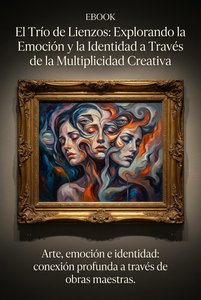 Trijađa umetničkog izbora: Istraživanje emocionalnog odziva na višestruke interpretacije jedinstvenog konceptaIstražite dubinu umetničkog izbora i emocionalnog odziva na dela. Saveti stručnjaka, analiza simbola & psihološke perspektive. Pronađite sa…
 Mark Rothko: 25 Remek-dela Apstraktne Ekspresije za Vaš Dom | OriginalUniqueArtIstražite 25 remek-dela Marka Rothka – ikona apstraktne ekspresije. Otkrijte priče, tehnike i emocije iza ovih veličanstvenih slika. Reprod…
 The Architecture of Emotion: A Connoisseur’s Guide to the Chromatic Sublimity of Mark RothkoExplore the profound emotional landscapes of Mark Rothko. An expert editorial on Color Field painting, decoding the spiritual depth, techni…