Color Field · 1964
No. 5 (Марк Ротко, 1964)
Марк Ротко (1903–1970) je napravio No. 5. Datirano je iz 1964. Pripada pokretu Color Field. Izrađeno je u Acrylic On Canvas. Dimenzije su 206 × 196 cm.
- 1964
- Acrylic On Canvas
- 206 × 196 cm

 Pregledaj u prostoru

 Ručno oslikano uljanim bojama
 Pošalji
 Podeli
 Informativni list


 Preuzmi
 Slični predmeti
 Rendgenski snimak
 Automatska prezentacija
 Pitanja i odgovori

 Statistika
No. 5, ukratko
- Naslov
- No. 5
- Umetnik
- Марк Ротко (1903–1970)
- Rođen/a u
- Даугавпилс, Letonija
- Datum
- 1964
- Tehnika
- Acrylic On Canvas
- Dimenzije
- 206 × 196 cm
- Pokret
- Color Field
- Period
- Modern
- Tema
- rothko, abstract, color field, square, black and white, canvas
Šta prikazuje No. 5?
Mark Rothko’s ‘No. 5’: A Meditation on Darkness and Absence
Mark Rothko's "No. 5," painted in 1964, is not merely a canvas filled with color; it’s an intensely personal and profoundly moving exploration of human emotion and the weight of existence. This monumental work, measuring 206 x 196 cm, exemplifies Rothko’s signature style – large-scale rectangular blocks of saturated color that seem to bleed into one another, creating a hypnotic effect on the viewer. The painting's stark simplicity—a vast, dark square dominating the composition—immediately confronts us with an unsettling void, prompting contemplation about mortality, isolation, and the fundamental questions of human experience.
The Genesis of Color Field Painting
Created during a pivotal moment in art history, "No. 5" is inextricably linked to the rise of Color Field painting in the mid-20th century. Rothko, along with artists like Barnett Newman and Clyfford Still, rejected traditional representational forms, seeking instead to express profound emotional states through pure color. Influenced by Abstract Expressionism’s emphasis on subjective experience, Rothko developed a technique that involved layering thin washes of acrylic paint, allowing the colors to subtly shift and merge under layers of varnish. This process created an almost sculptural quality, emphasizing the materiality of the canvas itself.
Symbolic Weight and Existential Themes
Born in 1903 in Daugavpils, Latvia (then part of the Russian Empire), Mark Rothko’s life was marked by displacement and loss – experiences that deeply informed his artistic vision. The painting's dark square can be interpreted as a visual representation of this sense of void, reflecting the anxieties and uncertainties inherent in the human condition. Some scholars suggest the work is an exploration of trauma, referencing Rothko's own difficult childhood and the pervasive atmosphere of fear and instability he experienced growing up within a Jewish family during times of political unrest. The sheer scale of the canvas amplifies this feeling, enveloping the viewer in a space of quiet contemplation.
Technique and Emotional Impact
"No. 5" is a testament to Rothko’s mastery of color and texture. The subtle gradations within the dark blocks, achieved through meticulous layering and blending, create an illusion of depth and movement. The photograph captures this intricate detail perfectly, revealing the artist's deliberate control over light and shadow. The painting’s impact isn’t about visual spectacle; it’s about a deeply felt emotional response. Rothko aimed to evoke a sense of awe and vulnerability in the viewer, inviting them to confront their own mortality and grapple with the complexities of human existence. This reproduction offers an unparalleled opportunity to experience the power and beauty of this iconic work firsthand.
Slike visoke rezolucije za No. 5
Protected by copyright: these files are for personal reference, not a licence to republish.
Марк Ротко, No. 5 (1964).
Odgovori na pitanja o No. 5
U kojoj godini je nastalo delo „No. 5”, autor Марк Ротко?
Delo „No. 5”, autor Марк Ротко nastalo je 1964.
U kojoj je tehnici izvedeno delo „No. 5”, autor Марк Ротко?
Марк Ротко je koristio/la tehniku Acrylic On Canvas za delo "No. 5". Ova tehnika definiše materijalnu prirodu originalnog dela.
Koje su dimenzije originalnog dela „No. 5”, autor Марк Ротко?
Dimenzije originalnog dela „No. 5”, autor Марк Ротко su 206 x 196 cm.
Koje su teme prikazane u delu „No. 5”, autor Марк Ротко?
Teme prisutne u delu „No. 5”, autor Марк Ротко obuhvataju rothko, abstract, color field, square, black and white, canvas, mark rothko, što zajedno sažima suštinu ovog umetničkog dela.
Da li je "No. 5" slobodan od autorskih prava?
Status autorskih prava za „No. 5”, autor Марк Ротко: delo je i dalje je zaštićeno autorskim pravima. Ovo određuje da li se reprodukcije slike mogu slobodno izrađivati.
Kome se pripisuje delo "No. 5"?
Delo "No. 5" pripisuje se umetniku Марк Ротко.
Koji umetnički pravac obuhvata „No. 5”, autor Марк Ротко?
Umetnički pravac koji se povezuje sa delom „No. 5”, autor Марк Ротко je Color Field. Ova klasifikacija smešta rad među srodne umetnike i umetnička dela.
U kojoj periodi karijere umetnika Марк Ротко pripada delo "No. 5"?
U okviru karijere umetnika Марк Ротко, delo "No. 5" pripada periodu Mature Period, što omogućava poređenje sa drugim radovima ovog autora.
Koliko je godina imao/la Марк Ротко u vreme nastanka dela "No. 5"?
Марк Ротко je imao/la 61 godina kada je kreirao/la "No. 5" u 1964. Godina je izračunata na osnovu godine rođenja umetnika, 1903.
O umetniku, Марк Ротко

1903–1970, Letonija
Марк Ротко
Mark Rothko: Boja, Tragika i Besmrtna Emocija Markus Jakovljevič Rotkovic, poznatiji kao Mark Rotko, rođen je 1903. godine u Daugavpilsu, Letoniji, u vreme kada je ta oblast bila deo Ruske imperije. Njegovo porečlo, obeleženo strepnjama i nemirima Jevrejske porodice koja je živela na rubovima društva, ostavilo je dubok utisak na njegov život i umetničko stvaralaštvo. Godine 1913, emigracija njegove porodice u Portland, Oregon, predstavljala je ne samo geografski, već i kulturni prelazak za mladog Rotka.
Takođe i Марк Ротко
 Бело Центар1950
 No.1 (Црвени и Плави)
 Br. 61 (Rđa i plava)1953
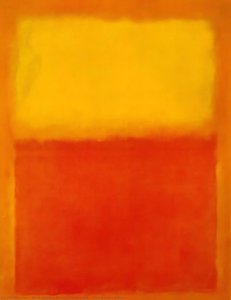 Narandžasta i žuta1956
Eseji o delu No. 5
 Color Fields of Calm: Transform Luxury Interiors with Minimalist Masterpiece ReproductionsElevate your luxury interiors with museum-quality Mark Rothko reproductions. Discover how hand-painted Color Field masterpieces bring profo…
 The Soul of Color: Exploring the Emotional Depth and Existential Resonance of Mark Rothko's MasterpiecesImmerse yourself in the profound emotional landscapes of Mark Rothko. Explore how his revolutionary Color Field paintings use pure pigment …
 Mark Rothko: 25 Remek-dela Apstraktne Ekspresije za Vaš Dom | OriginalUniqueArtIstražite 25 remek-dela Marka Rothka – ikona apstraktne ekspresije. Otkrijte priče, tehnike i emocije iza ovih veličanstvenih slika. Reprod…