Surrealism
Reflections (Мен Реј)
Мен Реј (1890–1976) je napravio Reflections. Pripada pokretu Surrealism. Izrađeno je u Acrylic On Canvas. Čuva se u muzeju Музеј Оскара Ниемајера u mestu Куритиба, Бразил.
- Acrylic On Canvas
- Музеј Оскара Ниемајера, Куритиба

 Pregledaj u prostoru

 Ručno oslikano uljanim bojama
 Pošalji
 Podeli
 Informativni list za štampu


 Preuzmi
 Slični predmeti
 Rendgenski snimak
 Automatska prezentacija
 Pitanja i odgovori

 Statistika
Reflections, ukratko
- Naslov
- Reflections
- Umetnik
- Мен Реј (1890–1976)
- Mesto rođenja umetnika
- Филаделфија, Сједињене Америчке Државе
- Tehnika
- Acrylic On Canvas
- Gde se može videti
- Музеј Оскара Ниемајера, Куритиба, Бразил
- Pokret
- Surrealism
- Tema
- photography, surrealism, dadaism, sculpture, avant-garde, minimalism
Šta prikazuje Reflections?
Man Ray's Reflections: A Surrealist Dialogue Between Light and Form
Man Ray’s “Reflections,” painted in 1931, stands as a testament to the burgeoning surrealist movement’s fascination with exploring subconscious landscapes and challenging conventional perceptions of reality. Created during a period marked by profound artistic experimentation—fueled by Dadaism's rejection of logic and reason—the painting embodies Ray’s signature approach: meticulous observation combined with deliberate distortion.
The artwork depicts a solitary figure positioned before a wall adorned with intricate geometric patterns. These patterns aren’t merely decorative; they serve as conduits for visual metaphors, mirroring the complexities of human experience. The artist skillfully employs chiaroscuro—the dramatic interplay between light and shadow—to sculpt the form of the subject, emphasizing its stillness and vulnerability against the assertive backdrop.
- Style: Surrealism – Ray’s work aligns with the movement's core tenets of dreamlike imagery and irrational juxtapositions.
- Technique: Oil on Canvas – Ray favored oil paints for their ability to capture subtle tonal variations and create a rich textural surface, reflecting his dedication to realism within an unreal context.
- Historical Context: The painting emerged from the aftermath of World War I, mirroring the anxieties and disillusionment prevalent in European intellectual circles. Dadaism’s rebellious spirit directly influenced Ray's artistic vision.
Beyond its formal qualities, “Reflections” resonates with deeper symbolic meanings. The wall represents societal constraints—the barriers that impede individual freedom—while the figure embodies introspection and contemplation. Ray invites viewers to consider how perception shapes reality, prompting a dialogue between conscious awareness and unconscious desire.
The painting’s muted palette contributes to its contemplative mood, fostering a sense of quiet solitude. Its understated elegance speaks volumes about Ray's mastery of artistic expression—a celebration of beauty found within the realm of dreams and shadows. “Reflections” remains an enduring emblem of surrealist artistry and continues to inspire admiration for its profound psychological depth.
Exploring Man Ray’s Dadaist Roots
Man Ray’s artistic journey began amidst the turbulent backdrop of Dadaism, a movement born from the horrors of World War I. Marcel Duchamp's provocative proposition—the “ready-made”—challenged established notions of art and authorship, urging artists to question traditional hierarchies.
This influence is palpable in Ray’s early sculptures, notably “The Gift,” where he repurposed a flatiron with tacks – an everyday object elevated into an artistic statement. This act embodies Dadaism's core ethos: embracing chance, absurdity, and rejecting bourgeois values. It signaled a decisive break from academic conventions.
Ray’s exploration of photography mirrored this rebellious spirit. He meticulously documented the world around him, but not with a desire for objective representation; rather, he sought to capture fleeting moments of emotion and sensation—transforming images into conduits for subconscious thought.
Man Ray's Cinematic Vision
Ray’s artistic pursuits extended beyond painting and sculpture. He ventured into filmmaking, collaborating with directors like Jean Renoir and Luis Buñuel on groundbreaking projects that pushed the boundaries of cinematic storytelling. His films often incorporated surrealist techniques—dreamlike sequences, illogical narratives—reflecting his unwavering commitment to artistic experimentation.
His work as a portraitist and fashion photographer solidified his reputation as an innovator of visual language. Ray skillfully manipulated light and composition to create images that captivated audiences and conveyed profound emotional resonance. He remains celebrated for his ability to transform ordinary subjects into extraordinary expressions of art.
U kom muzeju se nalazi Reflections?
Музеј Оскара Ниемајера
Куритиба, Бразил
A Symphony of Concrete and Light: Exploring the Oscar Niemeyer Museum in Curitiba Nestled within the verdant embrace of Curitiba, Brazil—a city renowned for its innovative urban planning and commitment to sustainability—the Oscar Niemeyer Museum stands as a singular achievement in architectural thought and artistic expression. More than just a repository of Brazilian visual arts, it’s an immersive experience; a dialogue between audacious form, purposeful function, and the indelible legacy of its visionary creator, Oscar Niemeyer himself. Officially named Museu Oscar Niemeyer (MON), affectionately dubbed “The Eye Museum” due to its striking annex—a soaring structure resembling a human eye—this cultural landmark invites visitors on a journey through Brazilian artistic heritage and international trends, all housed within a space that itself is a breathtaking testament to architectural ingenuity.


Slike visoke rezolucije za Reflections

Zaštićeno autorskim pravima: ovi fajlovi su namenjeni za ličnu upotrebu i ne predstavljaju licencu za ponovno objavljivanje.
Мен Реј, Reflections, Музеј Оскара Ниемајера.
Odgovori na pitanja o Reflections
Gde mogu videti originalno delo „Reflections”, autor Мен Реј?
Originalno delo "Reflections" možete videti u muzeju Музеј Оскара Ниемајера, Куритиба, Бразил.
U kojoj je tehnici izvedeno delo „Reflections”, autor Мен Реј?
Tehnika dela „Reflections”, autor Мен Реј je Acrylic On Canvas. Reprodukcije imaju za cilj da dočaraju izgled ove tehnike.
Šta prikazuje „Reflections”, autor Мен Реј?
Motivi dela "Reflections" su photography, surrealism, dadaism, sculpture, avant-garde, minimalism, texture.
Da li je "Reflections" slobodan od autorskih prava?
„Reflections”, autor Мен Реј pripada i dalje je zaštićeno autorskim pravima. Ovaj status određuje način na koji se slika dela može reprodukovati.
Kome se pripisuje delo "Reflections"?
Delo "Reflections" je kreirao/la Мен Реј. Informacije na ovoj stranici opisuju originalno delo umetnika Мен Реј.
Koji umetnički pravac pripada delu "Reflections"?
Umetnički pravac koji se povezuje sa delom „Reflections”, autor Мен Реј je Surrealism. Ova klasifikacija smešta rad među srodne umetnike i umetnička dela.
U kojoj periodi karijere umetnika Мен Реј pripada delo "Reflections"?
„Reflections“ pripada Early Period u karijeri umetnika Мен Реј. Ova klasifikacija povezuje delo sa razvojem samog umetnika.
Zašto je status autorskih prava za "Reflections" takav kakav jeste?
Status autorskih prava za delo "Reflections" - i dalje je zaštićeno autorskim pravima - proizilazi iz godine smrti umetnika, 1976.
Da li je "Reflections" ostalo u domovini svog umetnika?
Ne – umetničko delo se nalazi u inostranstvu. Delo „Reflections“ se čuva u državi Бразил, dok je Мен Реј rođen/a u državi Сједињене Америчке Државе.
O umetniku, Мен Реј

1890–1976, Сједињене Америчке Државе
Мен Реј
Живот у сенци и светлу: Пут Емануела Радницког, познатог као Ман Реј Емануел Радницки, свету познатији као Ман Реј, био је немирујући дух који се одупирао лакој категоризацији. Рођен 1890. године у Филаделфији, у породици руских Јевреја имиграната, његов пут од амбициозног сликара до пионира фотографије и филма оличава радикалан уметнички фермент ране двадесетог века. Сама трансформација из “Менија” Радницког у загонетну личност “Ман Реј” говори много о уметнику одлучном да створи нови идентитет, ослобођен конвенцијама.
Takođe i Мен Реј
 La Galerie Surréaliste, rue Jacques Callot
 Pisces1938
 Rayograph (The Kiss)1922
 Solarisation1931
Eseji o delu Reflections
 Chaos & Absurdity: Top 10 Dadaism Masterpieces That Defied ArtExplore iconic Dadaism works by Duchamp and Ernst. Discover the beauty of the absurd. Explore the full collection online at OriginalUniqueA…
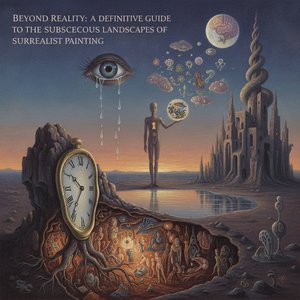 Beyond Reality: A Definitive Guide to the Subconscious Landscapes of Surrealist PaintingExplore the profound depths of Surrealism with our expert guide. Discover the history, symbolism, and psychological mastery behind iconic w…
 What is Man Ray? The Life and Legacy of a Surrealist PioneerDiscover Man Ray's experimental rayographs and explore how his surrealist masterpieces are recreated in our museum-quality oil painting rep…