
 Pregledaj u prostoru
 Podeli
 Podeli
 Detalji
 Vodič
Vodič

 Preuzmi sliku
 Slični predmeti
 Rendgenski snimak
 Automatska prezentacija
 Statistika
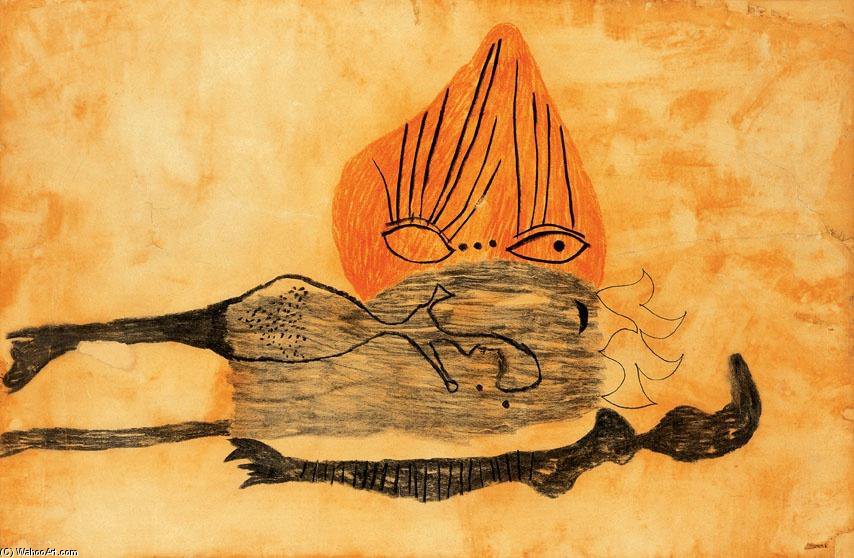
Fire-eye
 Pročitaj više
Ručno rađena uljana reprodukcija
Ručno oslikano uljanim bojama na platnu u dimenzijama i okviru po vašem izboru, izrađeno po porudžbini od strane naših umetnika. ( Pređi na prodaju štampanih primeraka Pređi na prodaju digitalnih slika)




































Izaberite jednu od naših unapred definisanih veličina koje odgovaraju originalnim proporcijama umetničkog dela.

Možete uneti sopstvene dimenzije kako biste prilagodili umetničko delo određenom okviru ili prostoru. Ako odabrana veličina ne odgovara proporcijama originala, slika će biti isečena ili proširena dodatnim elementima koji se ručno oslikavaju. Digitalni prikaz će vam biti poslat na odobrenje pre početka proizvodnje.
Imajte na umu da pregled na ekranu ne odražava stvarno prisecanje ili proširenje. Samo mockup će precizno prikazati konačnu kompoziciju.
Iako su dostupne prilagođene veličine, preporučujemo da izaberete dimenziju iz unapred definisane liste kako biste sačuvali originalne proporcije.
Nakon narudžbine, tim OriginalUniqueArt.com će klijentu putem e-pošte poslati uputstva i dostaviti prikaz predloženog rešenja
Svetska isporuka () za 3/4 nedelje umesto uobičajenih 5 nedelja. (26 септембар). Bez kompromisa po pitanju kvaliteta.

Besplatna ekspresna dostava širom sveta

Visokokvalitetno laneno platno

Sveobuhvatno osiguranje transporta

Garancija povraćaja carine i uvoznih dažbina

Garancija vernosti boja i autentičnosti pri reprodukciji

Politika povraćaja u roku od 100 dana (samo u slučaju nedostataka)

Garancija povrata 100% novca

Popust pri većoj količini
 Opcija sa staklom dostupna je samo za dimenzije manje od 110 cm

Fire-eye
Tehnika izrade reprodukcije
Veličina reprodukcije
-


Ukupna cena
$ 300
Biografija umetnika
Lajos Vajda: Vizionarski eho mađarske avangarde
Lajos Vajda se izdvaja kao jedna od najprepoznatljivijih i najupečatljivijih figura u svetu avangardne umetnosti Mađarske, slikar čiji jedinstveni stil i duboko simbolični prizori i dalje odjekuju neizmernim intenzitetom. Rođen 1908. godine u Zalagecergu, u skromnoj jevrejskoj porodici, Vajdov rani život obeležili su kretanje i senke teških vremena. Njegovo umetničko putovanje počelo je pod strogim mentorstvom Istvana Čoka u Mađarskoj akademiji lepih umetnosti u Budimpešti, što je period koji je utemeljio njegovo osnovno majstorstvo kompozicije. Ipak, upravo je vreme provedeno u Parizu između 1930. i 1934. godine, tokom studija u ateljeu Fernanda Ležera pored Dežoa Kornisa, istinski razbudilo njegov kreativni duh. U živopisnoj intelektualnoj atmosferi Francuske, Vajda se susreo sa revolucionarnim strujama kubizma i nadrealizma, silama koje će neopovratno oblikovati njegov vizuelni jezik u jedinstvenu sintezu geometrijske apstrakcije i sanjivih, često uznemirujućih, slika.
Suština Vajdovog dela leži u njegovoj izvanrednoj sposobnosti da premosti različite svetove. Po povratku u Mađarsku, postao je posvećeni prikupljač i hroničar motiva narodne umetnosti, naročito iz regija Szentendre i Szigetmonostor. On nije samo posmatrao ove tradicije; on ih je upijao, pedantno dokumentujući simbole i obrasce kako bi oni služili kao temelj njegovog kreativnog procesa. Njegova platna postala su složena prizora u kojima je religijska ikonografija — crpana iz pravoslavne, rimskokatoličke i jevrejske tradicije — neprimetno utkana sa arhitektonskim elementima i folklornim teksturama. Ovakvo slojevitost značenja stvorila je duhovnu dubinu koja je delovala istovremeno drevno i zapanjujuće moderno, omogućavajući mu da istražuje teme identiteta, nasleđa i ljudskog stanja kroz prizmu konstruisane stvarnosti.
Sinteza simbolizma i modernosti
Vajdina tehnička evolucija odlikovana je neverovatnom svestranošću, krećući se između strukturirane discipline konstruktivizma i fluidnih, emotivnih dubina nadrealizma. Njegov rad je često funkcionisao kao vizuelni dijalog između opipljivog i metafizičkog. U njegovim grafičnijim delima može se uočiti ritmička tenzija inspirisana muzičkim strukturama Bela Bartoka i Zoltana Kodaja, gde linija i oblik plešu sa matematičkom, ali duševnom preciznošću. Nasuprot tome, njegovi kasniji crteži i skice poseduju sirov, visceralni kvalitet, često koristeći ugljen i akvarel kako bi prizvali vrtoglave, nepredvidive sile prirode i nadolazeću tamu istorije.
Izvan čisto estetske sfere, Vajdina umetnost bila je duboko isprepletena sa turbulentnim političkim pejzažom ranog 20. veka. Njegova fascinacija dramskom snagom filma i fotomontaže dovela ga je do stvaranja dela koja se bave velikim kataklizmama čovečanstva. Kroz njegov objektiv, užasi rata, gladi i sistemskog nasilja nisu bili samo dokumentovani, već transformisani u simboličke alegorije. Njegova poslednja apstraktno-nadrealistička dela su posebno dirljiva, jer kao da nagoveštavaju nezamislive zločine Drugog svetskog rata, beležeći osećaj užasa i fragmentacije koji je odražavao pucanje samog evropskog civilizacijskog tkiva.
Nasleđe i istorijski značaj
Iako je njegov život tragično prekinut tuberkulozom 1941. godine, u`], age of only thirty-three, Lajos Vajda je za sobom ostavio impresivno i uticajno delo koje je redefinisalo granice mađarskog modernizma. Njegova veličina leži u odbijanju da se pridržava krutih dogmi pokreta kojima je pripadao; umesto toga, postigao je duboku nezavisnost integrišući lokalne istorijske materijale sa međunarodnim avangardnim trendovima. On je transformisao "lokalno" u nešto univerzalno, dokazujući da narodni motivi i religijski simboli mogu govoriti o globalnim anksioznostima modernog doba.
Danas se Vajda pamti ne samo kao slikar, već kao vizionar koji je uhvatio dušu sveta koji nestaje, dok je istovremeno proučavao haos budućnosti. Njegov doprinos se i dalje proučava zbog njegovog:
- Inovativne sinteze: neprimetnog spajanja kubističke strukture sa nadrealnim pejzažima snova i narodnom tradicijom.
- Kulturnog očuvanja: njegove vitalne uloge u dokumentovanju i uzdizanju mađarskih i jevrejskih kulturnih motiva unutar visoke umetnosti.
- Emotivne dubine: sposobnosti da političke i društvene anksioznosti svog doba prevede u trajna, simbolička remek-dela.

Lajos Vajda
1908 - 1941 , Mađarska
Brzi pregled
- Artistic Movement Or Style: Kubizam i nadrealizam
- Artists Or Movements Influenced By This Artist: ['European School Art Group']
- Artists Who Influenced This Artist:
- Béla Bartók
- Zoltán Kodály
- Fernand Léger
- Date Of Birth: 1908
- Full Name: Lajos Vajda
- Nationality: Mađarski
- Notable Artworks:
- Moulding Powers On The Horizon
- Self-portrait With Hat
- Madonna Above The Gate
- Place Of Birth: Zalaegerszeg, Mađarska