Pop Art · 2004
Tulips (Џеф Кунс, 2004)
Џеф Кунс (1955) je napravio Tulips. Datirano je iz 2004. Pripada pokretu Pop Art. Čuva se u muzeju Guggenheim Museum Bilbao u mestu Bilbao, Španija. Dimenzije su 203 × 460 cm.
- 2004
- 203 × 460 cm
- Guggenheim Museum Bilbao

 Pregledaj u prostoru

 Ručno oslikano uljanim bojama
 Pošalji
 Podeli
 Informativni list


 Preuzmi
 Slični predmeti
 Rendgenski snimak
 Automatska prezentacija
 Pitanja i odgovori

 Statistika
Tulips, ukratko
- Naslov
- Tulips
- Umetnik
- Џеф Кунс (1955)
- Rođen/a u
- Јорк, Сједињене Америчке Државе
- Datum
- 2004
- Dimenzije
- 203 × 460 cm
- Gde se može videti
- Guggenheim Museum Bilbao, Bilbao, Španija
- Pokret
- Pop Art
- Period
- Contemporary
- Tema
- celebration, balloons, flowers, mass production, consumerism, koons
Šta prikazuje Tulips?
A Symphony in Bloom: Jeff Koons’s “Tulips” – A Celebration of Scale and Spectacle
Jeff Koons's "Tulips," a monumental sculpture series, isn’t merely an arrangement of oversized flowers; it’s a deliberate provocation, a vibrant collision between the familiar and the fantastical. Created primarily between 1995 and 2004, these colossal blooms—some towering over two meters tall and spanning five meters across—represent a pivotal moment in Koons's artistic trajectory, solidifying his exploration of consumer culture, playful irony, and the very nature of art’s value. The series, part of the ambitious “Celebration” project initiated in 1994, draws heavily from the iconography of birthday parties, holidays, and other communal festivities—objects designed for fleeting joy and immediate gratification. Koons masterfully elevates these commonplace items to a grand scale, transforming them into objects of contemplation and, perhaps surprisingly, reverence.
Form and Reflection: Technique and Materials
The arresting visual impact of “Tulips” is entirely due to Koons’s meticulous approach. Each sculpture is constructed from highly polished stainless steel, a material chosen for its inherent reflectivity and ability to mimic the appearance of glass. This mirrored surface isn't simply decorative; it actively engages with its surroundings, creating an illusion of depth and multiplying the forms within the installation. The process involved intricate vacuum metallization – a technique that coats the metal with a thin layer of aluminum, dramatically increasing its reflective qualities – followed by painstaking hand-polishing to achieve the flawless sheen. The vibrant colors—a dazzling array of yellow, magenta, blue, green, purple, orange, and red—are applied through transparent color coatings, further enhancing the sculptures’ luminous quality. This combination of materials and techniques results in a work that is both physically imposing and visually captivating, constantly shifting with light and reflecting the viewer's presence.
Pop Art Roots and the Celebration Motif
Koons’s “Tulips” firmly roots itself within the tradition of Pop Art, echoing the works of artists like Andy Warhol and Roy Lichtenstein. Like these predecessors, Koons utilizes imagery derived from popular culture—in this case, the ubiquitous symbol of the tulip – to challenge traditional notions of artistic subject matter. However, Koons goes further than mere imitation; he amplifies the scale and intensity of these familiar forms, imbuing them with a sense of monumental grandeur. The “Celebration” series as a whole reflects Koons’s fascination with the rituals and symbols associated with joyous occasions, prompting viewers to consider the commodification of happiness and the role of art in mediating our experiences of pleasure.
Symbolism and Emotional Resonance: Joyful Excess
Beyond its technical brilliance and Pop Art lineage, “Tulips” evokes a powerful emotional response. The sheer scale of the sculptures—their overwhelming presence—creates a sense of childlike wonder and delight. They are simultaneously playful and slightly unsettling, capturing the exuberance of celebration while hinting at the potential for excess and superficiality. The bright colors contribute to this feeling of joy, while the mirrored surfaces invite viewers to become part of the artwork, blurring the boundaries between observer and observed. Ultimately, “Tulips” is a meditation on the human desire for connection, beauty, and shared experience—a vibrant testament to the power of art to transform the mundane into something extraordinary.
Additional Research & Context
- Wikipedia: Tulips (Koons) - Wikipedia
- The Broad Museum: Jeff Koons – Tulips | The Broad
- Guggenheim Bilbao Museum: Tulips (Koons) - Guggenheim Museum Bilbao
For high-resolution images and further information, please visit the links above.
U kom muzeju se nalazi Tulips?
Guggenheim Museum Bilbao
Bilbao, Španija
Istorija Guggenheim Museum Bilbao Koreni Guggenheim Museum Bilbao sežu još iz 1991. godine, kada je Vlada Baskije predložila osnivanje nove kulturne institucije. Ova inicijativa imala je za cilj da transformiše industrijski pejzaž Bilba, u provinciji Vizaja, u Španiji.


Slike visoke rezolucije za Tulips

Protected by copyright: these files are for personal reference, not a licence to republish.
Џеф Кунс, Tulips (2004), Guggenheim Museum Bilbao.
Odgovori na pitanja o Tulips
Gde mogu videti originalno delo „Tulips”, autor Џеф Кунс?
Originalno delo "Tulips" možete videti u muzeju Guggenheim Museum Bilbao, Bilbao, Španija.
U kojoj godini je nastalo delo „Tulips”, autor Џеф Кунс?
Koje su dimenzije originalnog dela „Tulips”, autor Џеф Кунс?
Šta prikazuje „Tulips”, autor Џеф Кунс?
Da li je "Tulips" slobodan od autorskih prava?
Što se tiče autorskih prava, delo "Tulips" je i dalje je zaštićeno autorskim pravima.
Ko je umetnik koji stoji iza dela "Tulips"?
Koji umetnički pravac obuhvata „Tulips”, autor Џеф Кунс?
U kom periodu karijere Џеф Кунс pripada delo "Tulips"?
O umetniku, Џеф Кунс

1955, Сједињене Америчке Државе
Џеф Кунс
Ogledalo našeg vremena: Svet Džefa Kunsa Rođen u Jorku, Pensilvanija, 1955. godine, Džef Kuns se pojavio kao ključna figura na umetničkoj sceni kasnog dvadesetog i ranog dvadeset prvog veka. Umetnik čiji rad istovremeno slavi i kritikuje kulturu potrošnje, kič i samu ideju umetničke vrednosti. Njegovo detinjstvo, prožeto katoličkim odgojem, usađeno je u njega fascinacija slikama koje će kasnije postati centralne za njegovu estetiku – mešavina nevinosti, duhovnosti i često šarenog apela popularnih ikona.
Takođe i Џеф Кунс
 Wild Boy and Puppy1988
 Hanging Heart (Red/Gold)2006
 Serpents1988
 Apollo Wind Spinner2022
Eseji o delu Tulips
 Challenging Conventions: Pop Art's Origins, Evolution & Enduring LegacyExplore the fascinating history of Pop Art, from its rebellious origins to its enduring influence on contemporary artists. Discover key fig…
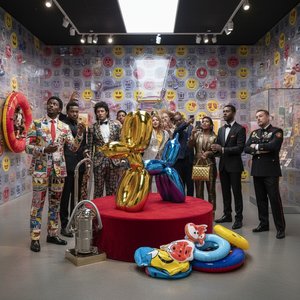 Jeff Koons: Irony, Kitsch & the Commodification of Contemporary ArtExplore the complex world of Jeff Koons with OriginalUniqueArt. Discover the irony, kitsch, and market forces behind his iconic sculptures.…
 The Resonance of Self: Exploring Personalized Paintings as Expressions of Individuality and MoodDiscover the power of personalized paintings to express your individuality & enhance well-being. Explore our curated collection & expert ar…