Pop Art
Number (Џаспер Џонс)
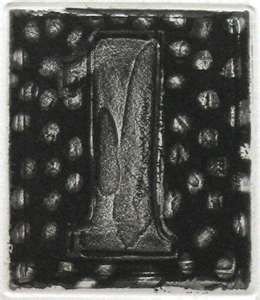
Џаспер Џонс (1930) je napravio Number. Pripada pokretu Pop Art. Izrađeno je u Screenprint.
- Screenprint
 Pregledaj u prostoru

 Ručno oslikano uljanim bojama
 Pošalji
 Podeli
 Informativni list


 Preuzmi
 Slični predmeti
 Rendgenski snimak
 Automatska prezentacija
 Pitanja i odgovori

 Statistika
Number, ukratko
- Naslov
- Number
- Umetnik
- Џаспер Џонс (1930)
- Rođen/a u
- Огаста, Сједињене Америчке Државе
- Tehnika
- Screenprint
- Pokret
- Pop Art
- Period
- Modern
- Tema
- minimalism, geometric, repetition, texture, symbolism, monochrome
Šta prikazuje Number?
A Symphony of Gray: The Enigmatic Presence of Jasper Johns’ “Number”
In the vast landscape of twentieth-century abstraction, few works possess the quiet, commanding gravity of Jasper Johns’ “Number.” Created in 1966, this masterpiece serves as a profound meditation on the visual language we often take for granted. At first glance, the viewer is met with a stark, minimalist composition dominated by a monochromatic palette of grays, blacks, and whites. Yet, beneath this seemingly simple exterior lies a complex architectural feat of texture and form. The artwork centers around a large, stylized numeral ‘0,’ which sits anchored against a dense, rhythmic background of small circular shapes. This deliberate arrangement establishes an immediate visual hierarchy, pulling the eye toward the central void while simultaneously inviting a deeper contemplation of the surrounding patterns that seem to pulse with a life of their own.
The brilliance of “Number” lies in its masterful use of technique and materiality. Johns employs a method reminiscent of screenprinting or lithography, achieving a remarkable precision in the repetition of the background circles. This is not merely a flat graphic exercise; rather, the artwork possesses a palpable, tactile richness. The layers appear built up through careful application, creating a surface that mimics the physicality of a printed object. For the discerning collector or interior designer, this textural depth offers an incredible sensory experience, as the subtle variations in tone and shadow create a sense of movement even within a static, grayscale field. The lighting within the piece feels diffused and even, allowing the interplay of light and dark to emerge naturally from the raised elements of the composition.
Symbolism and the Weight of the Void
Beyond its graphic elegance, “Number” operates on a deeply symbolic plane, bridging the gap between the literal and the metaphysical. By selecting the numeral ‘0,’ Johns engages with themes of wholeness, completion, and the void. The zero is a symbol that represents both nothingness and infinite potential, a concept that resonates powerfully within the context of post-war American art. The surrounding field of dense, repetitive circles introduces a secondary layer of meaning; these patterns can evoke feelings of overwhelming complexity or even a sense of confinement, mirroring the anxieties of an increasingly fragmented modern world. This tension between the singular, bold figure of the ‘0’ and the chaotic, crowded background creates a psychological depth that keeps the viewer perpetually engaged.
Historically, this work sits at a fascinating crossroads in art history. While emerging during the era of Pop Art, “Number” subtly rejects the movement's typical preoccupation with bright, consumerist imagery. Instead, Johns draws upon the legacy of Abstract Expressionism, utilizing the raw power of form and texture to explore American iconography. He transforms an everyday, inorganic symbol—a number—into a subject of profound artistic inquiry. For those looking to integrate this piece into a curated space, “Number” offers more than just aesthetic beauty; it provides a sophisticated intellectual anchor. It is a work that demands attention through its restraint, making it an ideal centerpiece for a modern gallery, a high-end study, or a minimalist living space where art is intended to provoke thought and inspire quiet reflection.
Slike visoke rezolucije za Number
Protected by copyright: these files are for personal reference, not a licence to republish.
Џаспер Џонс, Number.
Odgovori na pitanja o Number
Kojom tehnikom je urađeno „Number”, autor Џаспер Џонс?
"Number" je urađeno u tehnici Screenprint.
Šta predstavlja delo "Number"?
„Number”, autor Џаспер Џонс prikazuje: minimalism, geometric, repetition, texture, symbolism, monochrome, typography.
Da li je delo „Number”, autor Џаспер Џонс u javnom vlasništvu?
Što se tiče autorskih prava, delo "Number" je i dalje je zaštićeno autorskim pravima.
Ko je autor dela "Number"?
Delo "Number" pripisuje se umetniku Џаспер Џонс.
Koji umetnički pravac obuhvata „Number”, autor Џаспер Џонс?
„Number”, autor Џаспер Џонс pripada pravcu Pop Art. Ovaj pravac pruža stilski kontekst dela.
U kojoj fazi stvaralaštva umetnika Џаспер Џонс se nalazi delo "Number"?
"Number" predstavlja Mid Century umetnika Џаспер Џонс.
Na koji način se "Number" uklapa u teme i stil umetnika Џаспер Џонс?
U okviru celokupnog stvaralaštva umetnika Џаспер Џонс, delo "Number" pripada stilu Pop Art, uz prisustvo tema kao što su abstraction, johns’ style, iconography, symbolic representation, visual language.
Na koji način se tema dela "Number" odnosi na uobičajene teme umetnika Џаспер Џонс?
Učestale teme umetnika Џаспер Џонс obuhvataju abstraction, johns’ style, iconography, symbolic representation, visual language; delo "Number" fokusira se na minimalism, geometric, repetition, texture, symbolism, monochrome, typography.
O umetniku, Џаспер Џонс

1930, Сједињене Америчке Државе
Џаспер Џонс
Јаспер Џонс: Симболи, Слоеви и Редефинисање Америчке Уметности Јаспер Џонс се појавио као кључна фигура у америчкој уметности, спајајући емотивну интензивност апстрактног експресионизма са нарастајућим поп арт покретом који је ускоро редефинисао границе уметничке праксе. Рођен у Огасти, Џорџија, 1930. године, његов рани живот био је обележен осећајем нестабилности након развода родитеља, искуство које је можда суптилно обликовало његова каснија истраживања идентитета и припадности у контексту америчке иконографије. Његове године формирања одвијале су се преко различитих школа, пре него што је кратко похађао Универзитет Јужне Каролине, али је тек његовим пресељењем у Њујорк 1949.
Takođe i Џаспер Џонс
 Žirondina
 Лажна Почетак1959
 Термометар1959
 Бели флаг1955
Eseji o delu Number
 Masterpieces of Abstraction: The Top 25 Wassily Kandinsky ArtworksExplore 25 iconic Wassily Kandinsky masterpieces. From Blue Rider to abstraction, discover his genius. Explore the full collection on Origi…
 Beyond the Canvas: How to Create Powerful Statement Art Through Visual SymbolismMaster the art of curation by exploring visual symbolism. Learn how to select powerful statement pieces that use color, form, and archetype…
 Top 10 dela geometrijske apstrakcije koje morate videti | OriginalUniqueArt.comIstražite 10 remek-dela geometrijske apstrakcije – Mondrian, Malevič i Kandinski. Otkrijte priče iza ovih ikoničnih slika i pronađite inspi…