Expressionism · 1915
Marching (Марк Шагал, 1915)
Марк Шагал (1887–1985) je napravio Marching. Datirano je iz 1915. Pripada pokretu Expressionism. Izrađeno je u Acrylic On Canvas.
- 1915
- Acrylic On Canvas

 Pregledaj u prostoru

 Ručno oslikano uljanim bojama
 Pošalji
 Podeli
 Vodič


 Preuzmi
 Slični predmeti
 Rendgenski snimak
 Automatska prezentacija
 Pitanja i odgovori

 Statistika
Marching: osnove
- Naslov
- Marching
- Umetnik
- Марк Шагал (1887–1985)
- Rođen/a u
- Љозна, Белорусија
- Datum
- 1915
- Tehnika
- Acrylic On Canvas
- Pokret
- Expressionism
- Tema
- uniform, roof, sky, clock, figures, folklore
Šta prikazuje Marching?
A Symphony of Color and Memory: Exploring Marc Chagall's "I Am Alone"
Marc Chagall’s “I Am Alone,” painted in 1915, isn’t merely a depiction of solitude; it’s an embodiment of existential angst rendered in the breathtaking language of Expressionism. Created during the turbulent years preceding World War I—a period marked by anxieties about national identity and impending conflict—the painting transcends its immediate historical context to speak to universal themes of isolation and longing. It's housed in the Musée d'Orsay, Paris, a testament to Chagall’s enduring influence on modern art.- Subject Matter: The canvas portrays a man standing alone on a rooftop amidst a swirling panorama of fantastical figures—a woman with outstretched arms, a child perched precariously on the edge of the roof, and several other stylized individuals drifting upwards into the heavens.
- Style: Chagall’s style is unmistakably Expressionist. Rejecting representational accuracy in favor of emotional intensity, he employs bold colors—primarily yellows, blues, and reds—to convey mood and feeling rather than to faithfully reproduce reality. The figures themselves are distorted and stylized, imbued with a dreamlike quality that defies logical interpretation.
Technique: Bold Brushstrokes and Layered Color
Chagall’s technique is characterized by thick, impasto brushstrokes—meaning the paint is applied in layers so thickly that it stands up prominently from the surface of the canvas. This textural approach contributes significantly to the painting's dramatic impact, creating a palpable sense of movement and conveying the artist’s emotional state directly onto the artwork. The colors are blended strategically to create luminous washes and vibrant accents, enhancing the overall visual richness.- Color Palette: The dominant hues—golden yellows symbolizing warmth and optimism juxtaposed with deep blues representing melancholy and uncertainty—are deliberately chosen to evoke specific emotions. Chagall’s masterful use of color underscores the painting's psychological depth.
- Composition: The rooftop setting serves as a focal point, anchoring the swirling figures and emphasizing the man’s isolation. The upward trajectory of the figures symbolizes aspiration but also hints at vulnerability—a yearning for connection amidst overwhelming circumstances.
Symbolism: Folklore and Existential Concerns
“I Am Alone” is replete with symbolic references drawn from Jewish folklore and Kabbalah—the mystical tradition of Judaism. The woman with outstretched arms represents compassion and maternal care, while the child symbolizes innocence and vulnerability. The swirling figures embody the chaotic forces of fate and the anxieties surrounding impending war. More broadly, the painting explores profound existential questions about human existence—questions concerning identity, purpose, and the inevitability of suffering.Ultimately, Chagall’s “I Am Alone” transcends its historical origins to resonate with viewers across generations. It's a hauntingly beautiful meditation on solitude, loss, and the enduring quest for meaning—a masterpiece that continues to inspire awe and provoke contemplation decades after its creation.
Marching u visokoj rezoluciji

Zaštićeno autorskim pravima: slika je prikazana samo u informativne svrhe.
Više dimenzija, kadriranih prikaza i citata →Марк Шагал, Marching (1915).
Pitanja o Marching
Kada je nastalo delo „Marching”, autor Марк Шагал?
Delo „Marching”, autor Марк Шагал datira iz 1915. godine.
Kojom tehnikom je urađeno „Marching”, autor Марк Шагал?
"Marching" je urađeno u tehnici Acrylic On Canvas.
Koje su teme prikazane u delu „Marching”, autor Марк Шагал?
„Marching”, autor Марк Шагал prikazuje: uniform, roof, sky, clock, figures, folklore, dreams.
Da li se prikaz „Marching”, autor Марк Шагал može slobodno reprodukovati?
Status autorskih prava za „Marching”, autor Марк Шагал: delo je i dalje je zaštićeno autorskim pravima. Ovo određuje da li se reprodukcije slike mogu slobodno izrađivati.
Ko je autor dela "Marching"?
Autor dela "Marching" je Марк Шагал. Delo je katalogizovano pod imenom Марк Шагал.
Koji umetnički pravac obuhvata „Marching”, autor Марк Шагал?
Umetnički pravac koji se povezuje sa delom „Marching”, autor Марк Шагал je Expressionism. Ova klasifikacija smešta rad među srodne umetnike i umetnička dela.
U kom periodu karijere Марк Шагал pripada delo "Marching"?
„Marching“ pripada Mature Period u karijeri umetnika Марк Шагал. Ova klasifikacija povezuje delo sa razvojem samog umetnika.
Koliko je godina imao/la Марк Шагал kada je kreirao/la "Marching" 1915. godine?
Марк Шагал je kreirao/la "Marching" u uzrastu od 28 godina. Umetnik je rođen/a 1887, a delo je datirano na 1915. godinu.
Da li je delo "Marching" autora Марк Шагал u javnom vlasništvu i zašto?
Status autorskih prava za delo "Marching" - i dalje je zaštićeno autorskim pravima - proizilazi iz godine smrti umetnika, 1985.
O umetniku, Марк Шагал
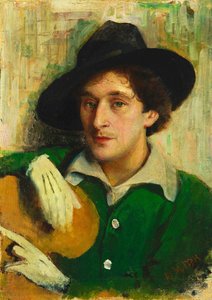
1887–1985, Белорусија
Марк Шагал
Rani život, porodica i obrazovanje Mark Šagal dolazi na svet 7. jula 1887. godine u Vitebsku, u Ruskom Carstvu, kao Mojsije Šegal. Kao prvo od devetoro dece u skromnoj jevrejskoj porodici, njegov rani život definiše ritam teškog rada i male trgovine.
Takođe i Марк Шагал
 Ја и село1911
 Bela Raspeće1938
 Рођендан1915
 Изнад града1918
Eseji o delu Marching
 The Language of Brushstrokes: How Artistic Technique Expresses Emotion and EraExplore the profound connection between artistic technique and emotion. From the heavy impasto of Van Gogh to classical mastery, learn how …
 Dreaming in Color: The 25 Most Iconic Masterpieces by Marc ChagallStep into the dreamlike world of Marc Chagall. Explore 25 iconic masterpieces, from vibrant surrealist tales to soulful folklore. Find insp…
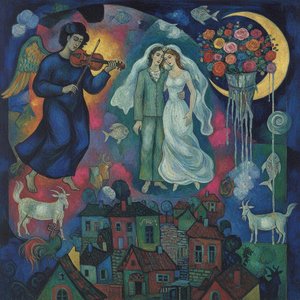 Marc Chagall’s Masterpieces: Exploring the Magic, Color, and Surrealist Legacy of a Modernist IconEmbark on a journey through the dreamlike masterpieces of Marc Chagall. Explore the profound symbolism and vibrant colors of this Surrealis…