Pictorialism / Modernism · 1956
Novčan planta (Imogen Kaningam, 1956)
Imogen Kaningam (1885–1971) je napravio Novčan planta. Datirano je iz 1956. Pripada pokretu Pictorialism / Modernism. Izrađeno je u Fotografija na filmu. Čuva se u muzeju SCAD Museum of Art u mestu Savana, Sjedinjene Američke Države.
- 1956
- Fotografija na filmu
- SCAD Museum of Art, Savana

 Ručno oslikano uljanim bojama
 Pošalji
 Podeli
 Informativni list


 Preuzmi
 Slični predmeti
 Automatska prezentacija
 Pitanja i odgovori

 Statistika
Novčan planta, ukratko
- Naslov
- Novčan planta
- Umetnik
- Imogen Kaningam (1885–1971)
- Rođen/a u
- Бруклин, Сједињене Америчке Државе
- Datum
- 1956
- Tehnika
- Fotografija na filmu
- Gde se može videti
- SCAD Museum of Art, Savana, Sjedinjene Američke Države
- Pokret
- Pictorialism / Modernism
- Period
- Modernizam
- Tema
- botanical photography, seed pods artwork, coin-like images, group f/64 style, plant still life, iridescent seedpods
Šta prikazuje Novčan planta?
Money Plant – A Study in Botanical Minimalism
Imogen Cunningham’s “Money Plant” (1956) stands as a testament to the power of quiet observation and masterful photographic technique within the Pictorialist movement. This striking black and white image captures a single branch densely laden with dried seed pods resembling silver dollars—a deliberate choice reflecting Cunningham's fascination with architectural forms found in nature, mirroring her broader exploration of botanical subjects alongside fellow Group f/64 artists. The photograph isn’t merely documentation; it’s an exercise in artistic expression that elevates the commonplace to the sublime.- Composition & Perspective: Cunningham employs a vertical orientation, emphasizing the length of the branch and creating a sense of upward movement—a compositional strategy characteristic of Group f/64's commitment to directness and clarity. A slight angle lends depth to the image, guiding the viewer’s eye into the intricate textures of the plant material.
- Lighting & Texture: The dramatic interplay of light and shadow is paramount. Strong highlights accentuate the convex surface of the dried seedpods, while deep shadows reveal the concave contours and create an illusion of movement—a technique that imbues the scene with palpable energy and contributes significantly to its visual impact. Cunningham skillfully utilizes natural illumination to bring out the remarkable textural qualities of the plant’s surface.
- Technique & Material: Executed in gelatin-silver print, “Money Plant” exemplifies Group f/64's dedication to uncompromising photographic realism. The use of a medium format camera ensured exceptional resolution and tonal range, allowing Cunningham to capture minute details—a deliberate decision reflecting her meticulous approach to artistic practice.
- Symbolism & Interpretation: Beyond its aesthetic beauty, the image resonates with symbolic significance. The seedpods’ resemblance to coins speaks to themes of abundance, cycles of life, and perhaps even monetary value – concepts explored extensively by Cunningham throughout her oeuvre. It invites contemplation on the relationship between nature and human perception.
Imogen Cunningham: Pioneer of Botanical Photography & Group f/64’s Visionary
Born in Portland, Oregon, in 1883, Imogen Cunningham defied societal expectations for women artists of her time, forging an independent path dedicated to photographic innovation. Her early exposure to photography through mail order ignited a lifelong passion and established a darkroom within her family's woodshed—a space where she honed her craft and developed her distinctive artistic style. Cunningham’s academic pursuits at the University of Washington solidified her understanding of chemical processes, underpinning her mastery of photographic techniques. She joined Group f/64 in 1932, advocating for a revolutionary approach to photography that prioritized sharpness and tonal range—a stance that cemented her legacy as one of the most influential figures in modernist art.Exploring Detail & Texture – Cunningham’s Approach
Cunningham's meticulous attention to detail is evident throughout “Money Plant.” Her masterful use of lighting reveals the remarkable textures of the dried seedpods—rough, weathered surfaces contrasting with the smoother texture of the branch. This dedication to capturing natural forms with uncompromising precision aligns perfectly with Group f/64’s ethos and underscores Cunningham’s profound respect for the beauty inherent in everyday subjects. The photograph serves as a powerful reminder that artistic brilliance can be found in simplicity and observation.A Legacy of Botanical Elegance
“Money Plant” remains an enduring symbol of Cunningham's artistic vision—a testament to her ability to transform the ordinary into extraordinary through careful composition, masterful lighting, and unwavering commitment to photographic realism. Its understated elegance continues to inspire artists and collectors alike, securing its place as a cornerstone of American botanical photography and Group f/64’s groundbreaking contribution to modern art.U kom muzeju se nalazi Novčan planta?
SCAD Museum of Art
Savana, Sjedinjene Američke Države
Svadilište savremene vizije: SCAD Muzej umetnosti u Savannahu Smešten unutar istorijske zgrade Gray – svedoka slojevite prošlosti Savannaha kao vitalnog železničkog čvorišta i očaravajućeg arhitektonskog relikta – nalazi se SCAD Muzej umetnosti, vibrantni svetionik koji osvetljava pejzaž savremene umetnosti i dizajna. Više od običnog repozitorijuma remek-dela, ovaj muzej predstavlja dinamično okruženje za učenje, neraskidivo povezano sa čuvenim Univerzitetom za umetnost i dizajn u Savannahu (SCAD), podstičući kreativnost i pomerajući granice umetničkog izražavanja. Osnovan 2 ইন্দু 2002.


Slike visoke rezolucije za Novčan planta

Protected by copyright: these files are for personal reference, not a licence to republish.
Imogen Kaningam, Novčan planta (1956), SCAD Museum of Art.
Odgovori na pitanja o Novčan planta
Gde se danas može videti delo „Novčan planta”, autor Imogen Kaningam?
Delo „Novčan planta”, autor Imogen Kaningam je izloženo u muzeju SCAD Museum of Art, Savana, Sjedinjene Američke Države. Navod o muzeju odnosi se na originalno delo, a ne na reprodukcije.
U kojoj godini je nastalo "Novčan planta"?
Delo „Novčan planta”, autor Imogen Kaningam datira iz 1956. godine.
Kojom tehnikom je izrađeno "Novčan planta"?
Imogen Kaningam je koristio/la tehniku Fotografija na filmu za delo "Novčan planta". Ova tehnika definiše materijalnu prirodu originalnog dela.
Šta predstavlja delo "Novčan planta"?
Motivi dela "Novčan planta" su botanical photography, seed pods artwork, coin-like images, group f/64 style, plant still life, iridescent seedpods, american art.
Da li se prikaz „Novčan planta”, autor Imogen Kaningam može slobodno reprodukovati?
Status autorskih prava za „Novčan planta”, autor Imogen Kaningam: delo je i dalje je zaštićeno autorskim pravima. Ovo određuje da li se reprodukcije slike mogu slobodno izrađivati.
Ko je umetnik koji stoji iza dela "Novčan planta"?
Autor dela "Novčan planta" je Imogen Kaningam. Delo je katalogizovano pod imenom Imogen Kaningam.
Koji umetnički pravac obuhvata „Novčan planta”, autor Imogen Kaningam?
„Novčan planta”, autor Imogen Kaningam pripada pravcu Pictorialism / Modernism. Ovaj pravac pruža stilski kontekst dela.
U kom periodu karijere Imogen Kaningam pripada delo "Novčan planta"?
„Novčan planta“ pripada Mature Period u karijeri umetnika Imogen Kaningam. Ova klasifikacija povezuje delo sa razvojem samog umetnika.
Koliko je godina imao/la Imogen Kaningam kada je stvorio/la "Novčan planta"?
Imogen Kaningam je kreirao/la "Novčan planta" u uzrastu od 71 godina. Umetnik je rođen/a 1885, a delo je datirano na 1956. godinu.
O umetniku, Imogen Kaningam
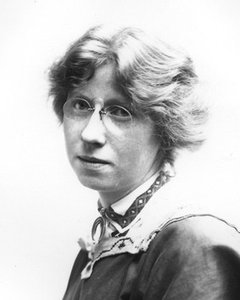
1885–1971, Сједињене Америчке Државе
Imogen Kaningam
Rano detinjstvo i umetničko buđenje Imogen Cunningham, pionirska sila američke fotografije, rođena je 12. aprila 1883. godine u Portlandu, u Oregonu, u velikoj porodici od deset dece. Njeno ranije detinjstvo, obeleženo selidbom u Seattle 1889.
Takođe i Imogen Kaningam
 Two Callas1925
 Rubber Plant 31929
 Glacial Lily1927
 Roi Partridge1915
Eseji o delu Novčan planta
 Botanical Artistry: From Surrealist Visions to Hyper-Realistic PrecisionExplore the evolution of botanical art from Linnaean realism to Surrealism. Discover the intersection of science and art today.
 Botanical Still Life: The Enduring Artistry of Potted Plant CompositionsExplore the structural mastery of Cezanne and the symbolism of Dutch Vanitas. Discover botanical art history today.
 American artworks of the 1920s1920s American art by Georgia O'Keeffe, George Bellows, and Childe Hassam. View the complete collection online at OriginalUniqueArt.com.