fauve
André derain (Анри Матис)
Анри Матис (1869–1954) je napravio André derain. Pripada pokretu fauve. Izrađeno je u Acrylic On Canvas. Čuva se u muzeju Tate Modern u mestu London, United Kingdom.
- Acrylic On Canvas
- Tate Modern, London

 Pregledaj u prostoru

 Ručno oslikano uljanim bojama
 Pošalji
 Podeli
 Informativni list


 Preuzmi
 Slični predmeti
 Rendgenski snimak
 Automatska prezentacija
 Pitanja i odgovori

 Statistika
André derain, ukratko
- Naslov
- André derain
- Umetnik
- Анри Матис (1869–1954)
- Rođen/a u
- Като Камбрези, Француска
- Tehnika
- Acrylic On Canvas
- Gde se može videti
- Tate Modern, London, United Kingdom
- Pokret
- fauve
- Tema
- portrait, man, beard, turban, red color, scarf
Šta prikazuje André derain?
A Symphony of Color: Exploring Henri Matisse’s André Derain
André Derain's portrait, “André Derain,” stands as a testament to Matisse’s revolutionary approach to painting—a bold declaration that color could transcend mere representation and become the very essence of artistic expression. Painted sometime between 1908 and 1910 during Matisse’s formative years in Montmartre, this monumental canvas embodies the spirit of Fauvist art, a movement that fiercely rejected academic conventions and championed unrestrained chromatic intensity.- Subject Matter & Composition: The painting depicts André Derain himself—a fellow artist and influential figure within Matisse’s circle—seated in repose. His gaze downward conveys a contemplative mood, hinting at introspection amidst the vibrant surroundings. The deliberate framing of Derain's face against a textured background emphasizes his presence while simultaneously inviting viewers to consider the broader implications of artistic vision.
- Style & Technique: Matisse’s Fauvist style is immediately recognizable through its audacious use of color—a daring departure from Impressionism’s subtle gradations. Bold swathes of crimson and scarlet dominate the turban, creating a visual focal point that commands attention. Complementary hues of yellow and orange illuminate Derain's skin tone, enhancing his luminosity and contributing to the painting’s overall dynamism. Matisse employed loose brushstrokes—a technique characteristic of Fauvist painters—to achieve an expressive surface texture that captures movement and emotion.
Historical Context: The Dawn of Modern Art
The early 1900s witnessed a seismic shift in artistic sensibilities, fueled by advancements in science and psychology. Artists like Matisse were grappling with new understandings of perception and emotion, rejecting the idealized depictions favored by previous generations. Fauvism arose as a reaction against the perceived limitations of Impressionism, arguing that color should be prioritized over accurate representation—a belief rooted in theories about the role of color in influencing human consciousness. The painting’s creation coincided with Matisse's engagement with Symbolist ideas, particularly concerning the expressive power of imagery and its ability to convey deeper meanings.- Symbolism & Emotional Impact: Beyond its formal qualities, “André Derain” resonates with symbolic significance. The turban—a garment traditionally associated with royalty and spirituality—represents Derain’s artistic ambition and intellectual curiosity. The scarlet hue amplifies the painting's emotional intensity, conveying a sense of passion and conviction. Matisse’s masterful manipulation of color evokes feelings of serenity and contemplation alongside an underlying current of energy—reflecting both the artist’s personal state of mind and the broader cultural anxieties of the period.
A Legacy of Bold Color
“André Derain” remains a cornerstone of Matisse's oeuvre and exemplifies his unwavering commitment to artistic innovation. Its influence extends far beyond its immediate stylistic context, inspiring subsequent generations of painters to embrace color as a primary vehicle for conveying emotion and exploring the complexities of human experience. Reproductions of this captivating artwork offer collectors and interior designers alike an opportunity to immerse themselves in the brilliance of Fauvist art—a celebration of visual vibrancy that continues to captivate audiences today.U kom muzeju se nalazi André derain?
Tate Modern
London, United Kingdom
Istorija i poreklo Tate Modern Prisustvo Tate Modern u Londonu, u Ujedinjenom Kraljevstvu, duboko je ukorenjeno u industrijskoj istoriji horizonta Southwarka. Na ovoj lokaciji nekada se nalazila elektrana Bankside, monumentalna građevina koja je radila tri decenije pre svog konačnog gašenja. Ekonomski prevrati, a posebno nagli skokovi cena nafte, doveli su do zatvaranja elektrane 31.


Slike visoke rezolucije za André derain
Анри Матис, André derain, Tate Modern. Javno dobro.
Odgovori na pitanja o André derain
U kom muzeju se čuva originalni "André derain"?
Originalno delo "André derain" možete videti u muzeju Tate Modern, London, United Kingdom.
Kojom tehnikom je izrađeno "André derain"?
"André derain" je urađeno u tehnici Acrylic On Canvas.
Koje su teme prikazane u delu „André derain”, autor Анри Матис?
„André derain”, autor Анри Матис prikazuje: portrait, man, beard, turban, red color, scarf, composition.
Da li je "André derain" slobodan od autorskih prava?
Status autorskih prava za „André derain”, autor Анри Матис: delo je u javnom vlasništvu – autorska prava su istekla. Ovo određuje da li se reprodukcije slike mogu slobodno izrađivati.
Ko je autor dela "André derain"?
Delo "André derain" pripisuje se umetniku Анри Матис.
Koji umetnički pravac obuhvata „André derain”, autor Анри Матис?
„André derain“ je delo fauve pokreta. Ovaj pokret označava umetničku tradiciju kojoj je delo pripada.
U kojoj fazi stvaralaštva umetnika Анри Матис se nalazi delo "André derain"?
"André derain" predstavlja mature umetnika Анри Матис.
Šta objašnjava status autorskih prava za „André derain”, autor Анри Матис?
Status autorskih prava za delo "André derain" - u javnom vlasništvu – autorska prava su istekla - proizilazi iz godine smrti umetnika, 1954.
Da li se "André derain" nalazi u zemlji svog autora?
Ne – umetničko delo se nalazi u inostranstvu. Rodna zemlja umetnika Анри Матис je Француска, dok se muzej u kojem se čuva original dela „André derain” nalazi u državi United Kingdom.
O umetniku, Анри Матис
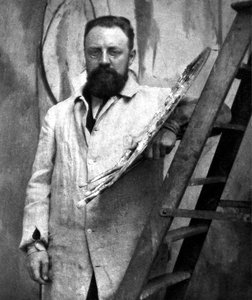
1869–1954, Француска
Анри Матис
Rani život Henrija Matisa Henri Matis je došao na svet 31. decembra 1869. godine u kući tkalačkog u ulici rue du Chêne Arnaud. Ova mala kuća u Le Cateau-Cambrésis, u Francuskoj, bila je polazna tačka za život koji će se na kraju udaljiti daleko od tišine departmana Nord.
Takođe i Анри Матис
 Ples (II)1910
 Žena s Čapicom1905
 Ле бонжур де вивре (Le bonheur de vivre)1906
 Усклађеност у црвеној боји1908
Eseji o delu André derain
 Masterpieces of Color: The Top 25 Henri Matisse ArtworksImmerse yourself in the vibrant world of Henri Matisse. Explore our curated list of 25 iconic Fauvist masterpieces, from bold oil paintings…
 André Derain: Fauvism's Bold Visionary & the Evolution of Modern ColorExplore the revolutionary art of André Derain, co-founder of Fauvism. Discover his bold use of color, evolution from radical expressionism …
 Fauvism and Cubism: Distinguishing Color Revolution from Spatial AnalysisMaster the core differences between Fauvism and Cubism through expert analysis. Discover how color and space redefined modern art today.