Italian Renaissance · 1550
Pietà (Giulio Clovio, 1550)
Giulio Clovio (1498–1578) je napravio Pietà. Datirano je iz 1550. Pripada pokretu Italian Renaissance. Izrađeno je u Manuscript. Čuva se u muzeju Galerija Ufizi u mestu Firenca, Italija. Dimenzije su 368 × 257 cm.
- 1550
- Manuscript
- 368 × 257 cm
- Galerija Ufizi, Firenca

 Pregledaj u prostoru

 Ručno oslikano uljanim bojama
 Pošalji
 Podeli
 Informativni list


 Preuzmi
 Slični predmeti
 Rendgenski snimak
 Automatska prezentacija
 Pitanja i odgovori

 Statistika
Pietà, ukratko
- Naslov
- Pietà
- Umetnik
- Giulio Clovio (1498–1578)
- Rođen/a u
- Грижане-Белград, Хрватска
- Datum
- 1550
- Tehnika
- Manuscript
- Dimenzije
- 368 × 257 cm
- Gde se može videti
- Galerija Ufizi, Firenca, Italija
- Pokret
- Italian Renaissance
- Period
- Renaissance
- Tema
- virgin mary, jesus christ, religious iconography, renaissance art, classical composition, emotional depth
Šta prikazuje Pietà?
A Testament to Sorrow and Divine Grace
In the quiet, hallowed corridors of art history, few images resonate with the profound emotional gravity found in Giulio Clovio’s Pietà. Created around 1550, this masterpiece serves as a breathtaking bridge between the fading echoes of the Gothic tradition and the luminous dawn of the High Renaissance. The scene captures the quintessential moment of Christian sorrow: the Virgin Mary cradling the lifeless body of Jesus Christ following his crucifixion. It is not merely a depiction of death, but a profound meditation on compassion—the very meaning of the word Pietà. Through Clovio’s masterful hand, the heavy weight of mortality is balanced by an ethereal sense of divine grace, inviting the viewer into a space of deep, contemplative mourning.
The composition is a masterclass in Renaissance balance and narrative depth. At the heart of the work, Mary sits as a pillar of strength and grief, her blue cloak—a color traditionally symbolizing her heavenly connection—draped with a weight that mirrors her sorrow. The figure of Christ, depicted with a serene, almost peaceful countenance despite his recent agony, rests heavily in her lap, creating a poignant focal point that draws the eye through its sheer vulnerability. Surrounding this central tragedy, celestial beings and saints emerge from the shadows; angels with active, reaching gestures and observers in prayerful poses create a sense of a cosmic event unfolding. This layering of figures ensures that the viewer’s gaze wanders through a complex web of devotion, from the intimate touch of a mother to the collective mourning of the heavens.
Technique and the Radiance of Light
What truly distinguishes Clovio’s work is his unparalleled ability to manipulate light and color, a skill honed during his time as one of history's greatest manuscript illuminators. Though this piece possesses the scale and grandeur of a monumental painting, it retains the meticulous, jewel-like precision of a miniature. Clovio employed a sophisticated technique of layering translucent glazes over gold leaf, a method that allows light to penetrate the surface and reflect back, creating an inner luminosity that seems to emanate from within the figures themselves. The use of ultramarine blue, derived from the precious stone lapis lazuli, provides a depth of color that is both regal and somber, anchoring the composition in a palette of earth tones and celestial blues.
The interplay of light and shadow—chiaroscuro—is used here not just for anatomical realism, but to direct the emotional narrative. Light strikes Mary’s face from the side, carving her features out of the darkness and highlighting the subtle lines of grief and devotion. This dramatic contrast creates a sculptural quality, giving the figures a tangible presence that commands the room. For the discerning collector or interior designer, such a work offers more than mere decoration; it provides a focal point of immense character. A high-quality reproduction of this Pietà brings with it an atmosphere of timelessness and intellectual depth, making it an exquisite addition to a curated space that values historical resonance and the profound beauty of the human spirit.
U kom muzeju se nalazi Pietà?
Galerija Ufizi
Firenca, Italija
Istorija i poreklo Galerije Ufizi Galerija Ufizi nalazi se u Firenci, u Italiji. Ova institucija osnovana je 1560. godine, u periodu kada je zdanje prvobitno osmislio Giorgio Vasari za potrebe firentinskih magistrata.


Slike visoke rezolucije za Pietà

Giulio Clovio, Pietà (1550), Galerija Ufizi. Javno dobro.
Odgovori na pitanja o Pietà
U kom muzeju se čuva originalni "Pietà"?
Delo „Pietà”, autor Giulio Clovio je izloženo u muzeju Galerija Ufizi, Firenca, Italija. Navod o muzeju odnosi se na originalno delo, a ne na reprodukcije.
Kada je nastalo delo „Pietà”, autor Giulio Clovio?
„Pietà“ potiče iz 1550. Ovaj datum smešta delo u okviru karijere umetnika Giulio Clovio i same ere.
U kojoj je tehnici izvedeno delo „Pietà”, autor Giulio Clovio?
Tehnika dela „Pietà”, autor Giulio Clovio je Manuscript. Reprodukcije imaju za cilj da dočaraju izgled ove tehnike.
Kolikih je dimenzija originalnog dela "Pietà"?
Dimenzije originalnog dela „Pietà”, autor Giulio Clovio su 368 x 257 cm.
Šta predstavlja delo "Pietà"?
„Pietà”, autor Giulio Clovio prikazuje: virgin mary, jesus christ, religious iconography, renaissance art, classical composition, emotional depth, medieval influence.
Da li je "Pietà" slobodan od autorskih prava?
Status autorskih prava za „Pietà”, autor Giulio Clovio: delo je u javnom vlasništvu – autorska prava su istekla. Ovo određuje da li se reprodukcije slike mogu slobodno izrađivati.
Kome se pripisuje delo "Pietà"?
Autor dela "Pietà" je Giulio Clovio. Delo je katalogizovano pod imenom Giulio Clovio.
Koji umetnički pravac obuhvata „Pietà”, autor Giulio Clovio?
Umetnički pravac koji se povezuje sa delom „Pietà”, autor Giulio Clovio je Italian Renaissance. Ova klasifikacija smešta rad među srodne umetnike i umetnička dela.
U kojoj fazi stvaralaštva umetnika Giulio Clovio se nalazi delo "Pietà"?
"Pietà" predstavlja Mature Period umetnika Giulio Clovio.
O umetniku, Giulio Clovio

1498–1578, Хрватска
Giulio Clovio
Hrvatski luminar italijanske renesanse Đulio Klovo, rođen kao Juraj Julije Klović 1498. godine usred brežuljastih predejela Grižana u Hrvatskoj, predstavlja ključnu figuru koja je povezala kasnogotičku tradiciju iluminacije rukopisa sa uzlazajućom viskom renesansom. Iako su njegovi koreni bili u Kraljevini Hrvatskoj, upravo je u Italiji umetnički genije Klova zaista procvetao, donoseći mu slavu kao verovatno najvećem iluminatoru svog doba i poslednjem značajnom majstoru u lozi koja se proteže vekovima unazad. Njegova priča je priča o izvanrednom talentu, mudrom pokroviteljstvu i nepokolebljivoj posvećenosti transformaciji miniature u zadivljujuće sofisticiran oblik umetnosti.
Takođe i Giulio Clovio
 The Rape of Ganymede
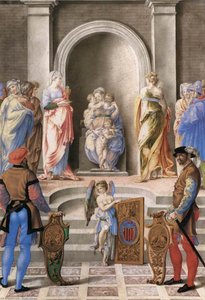 The Three Theological Virtues
 Holy Family with Santa Isabel and San Juanito1556
 Pages from the Farnese Hours1538
Eseji o delu Pietà
 Masterpieces of Giotto: The Top 25 Essential Artworks of the Renaissance PioneerExplore Giotto's greatest masterpieces and his role in the Renaissance. Discover the full collection online at OriginalUniqueArt.com.
 Mastering Color and Light: The Timeless Brilliance of Titian's Venetian MasterpiecesExplore the luminous mastery of Titian. Discover how the Venetian master revolutionized color and light through breathtaking Renaissance te…
 Michelangelo Buonarroti: A Renaissance Titan – Life, Works & Enduring LegacyExplore the life, works & enduring legacy of Michelangelo Buonarroti, a Renaissance titan. Discover his iconic sculptures, frescoes, and ar…